


Breastfeeding is a crucial time for both mother and baby, and many new mothers have questions about the safety of consuming alcohol while breastfeeding. Understanding how alcohol can affect your breast milk and your baby is essential for making informed decisions. This blog post explores the implications of alcohol consumption during breastfeeding and provides practical tips to ensure both you and your baby stay healthy.
Understanding Alcohol and Breastfeeding
Alcohol in Breast Milk: When you consume alcohol, it passes into your breast milk at similar concentrations to your bloodstream. The highest levels of alcohol in breast milk occur 30-60 minutes after drinking and can be detected for about 2-3 hours per drink.
Impact on Baby: Alcohol can affect a baby’s sleep patterns, development, and overall health. Newborns have an immature liver and process alcohol more slowly than adults, making them more susceptible to its effects.
Practical Tips for Managing Alcohol Consumption
Moderation is Key: If you choose to drink, do so in moderation. An occasional drink is unlikely to harm your baby if you take precautions, but frequent or heavy drinking should be avoided.
Timing Matters: Plan your alcohol consumption. Try to drink right after breastfeeding or expressing milk to allow your body time to metabolize the alcohol before the next feeding.
Pump and Store: If you know you’ll be consuming alcohol, consider pumping and storing milk in advance. This ensures you have a supply of alcohol-free milk for your baby while your body processes the alcohol.
Know Your Limits: Understand how your body reacts to alcohol. Factors like weight, metabolism, and food intake can affect how quickly alcohol is processed.
Hydration and Nutrition: Stay hydrated and eat well before drinking. Drinking water and eating food can slow the absorption of alcohol into your bloodstream.
Monitor Your Baby: Pay attention to your baby’s behavior. If they seem unusually sleepy, fussy, or have changes in feeding patterns after you’ve consumed alcohol, consider eliminating alcohol entirely.
Seek Guidance: Consult with your healthcare provider or a lactation consultant for personalized advice. They can help you understand the best practices for your situation and provide additional resources.
Myths and Facts About Alcohol and Breastfeeding
Myth: Pumping and Dumping: Pumping and discarding your breast milk (often called "pumping and dumping") does not speed up the elimination of alcohol from your body. Alcohol leaves your milk as it leaves your bloodstream.
Fact: Alcohol Detection Strips: Some mothers use alcohol detection strips to test their breast milk. While these can provide reassurance, they are not foolproof. It’s best to rely on timing and moderation.
Myth: Alcohol Boosts Milk Production: Contrary to popular belief, alcohol does not increase milk production. In fact, it can inhibit the let-down reflex and reduce the amount of milk your baby receives.
Supporting Your Breastfeeding Journey with Moogco Silver Nursing Cups
Breastfeeding presents various challenges, and managing alcohol consumption is just one aspect. Moogco silver nursing cups are designed to support breastfeeding mothers by providing natural antibacterial protection and promoting healing. These cups can help alleviate discomfort and prevent infections, making breastfeeding a more comfortable and enjoyable experience.
Benefits of Moogco Silver Nursing Cups:
Natural Antibacterial Properties: Silver’s natural antibacterial properties help prevent infections and promote healing, ensuring your nipples stay healthy during breastfeeding.
Smooth Surface: The smooth surface of Moogco silver nursing cups reduces friction and irritation, providing a soothing barrier between your nipples and clothing.
Healing and Comfort: Moogco silver nursing cups are designed to promote healing and provide comfort, making breastfeeding a more enjoyable experience for both you and your baby.
Conclusion
While moderate alcohol consumption may be safe for some breastfeeding mothers, it’s important to understand how it affects your baby and to take necessary precautions. By planning your alcohol intake, staying informed, and seeking guidance when needed, you can make the best choices for your health and your baby's well-being. Remember, breastfeeding is a unique journey, and finding the right balance is key to ensuring a positive experience for both you and your child
Bring this guide home with 20% off.
Use code BABY20 for 20% off →
Frequently Asked Questions
How long should I wait to breastfeed after drinking one glass of wine?
For a standard 5-ounce glass of wine, most women need to wait about 2 to 3 hours before breastfeeding to allow their body to metabolize the alcohol. The exact timing depends on your weight, metabolism, and whether you ate food with the drink. If you're unsure, waiting longer is always the safer choice for your baby.

Can alcohol in breast milk make my baby drunk or cause long-term harm?
While a baby won't get drunk from occasional, moderate maternal alcohol consumption, regular exposure to alcohol through breast milk can affect sleep patterns, feeding, and development. Newborns and young infants are particularly vulnerable because their livers are immature and process alcohol much more slowly. Limiting or avoiding alcohol is the safest approach, especially in the early months.
Curated by moms, vetted by lactation pros
Picks From This Story
Picks related to this guide, ready to ship from Moogco.

The Original Silver Nursing Cups with Silicone Pads
$62.90
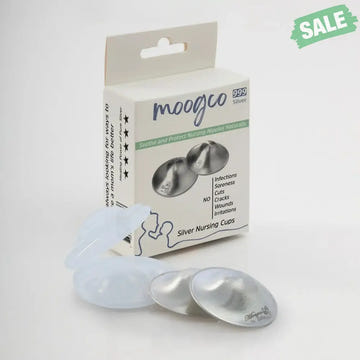
MOOGCO Silver Nursing Cups 999k Silver
$49.90
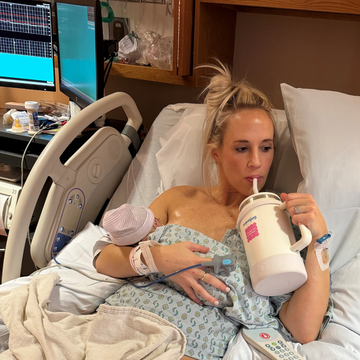
momjug breastfeeding water bottle 50oz double-wall s...
$49.99
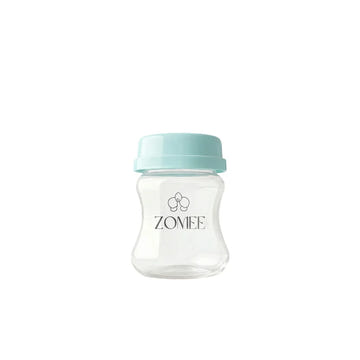
Zomee Breast Pumps Breast Milk Storage Bottles BPA-free
$3.99
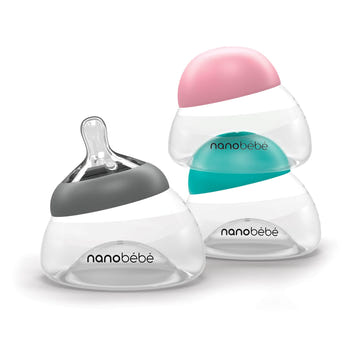
Nanobébé Breastmilk Baby Bottle 5 oz Pack Options Pi...
$16.99
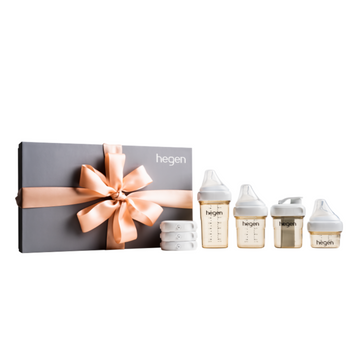
hegen PPSU Essentials Kit 60ml 150ml 240ml baby bottles
$99.99
Everything for the breastfeeding journey
Take 20% off at checkout, applied automatically when you shop through this link.
Shop with BABY20 →Free US shipping over $100. Code applies automatically at checkout.
Does pumping and dumping after drinking alcohol help clear it from my system faster?
No, pumping and dumping does not speed up alcohol elimination from your body or breast milk. Alcohol clears from your milk at the same rate it clears from your bloodstream, which is determined by your liver's metabolism. However, pumping may be necessary for comfort if you're engorged or to maintain your milk supply during the waiting period.
Is it safe to have a drink during special occasions like weddings or holidays while breastfeeding?
An occasional drink during special events can be safe if you plan ahead and take precautions. Nurse your baby or pump before the event, limit yourself to one drink, and wait at least 2 to 3 hours before nursing again. Having stored milk available gives you flexibility and peace of mind so you can enjoy the celebration responsibly.
Will drinking beer actually help increase my milk supply?
No, this is a common myth. While some believe the barley in beer boosts milk production, alcohol actually inhibits oxytocin release, which can interfere with your let-down reflex and decrease the amount of milk your baby receives during feeding. Staying well-hydrated with water and maintaining proper nutrition are far more effective for supporting milk supply.
More Related Picks
A few more favorites from the same collection.
Healthy Horizons Elvie Stride Diaphragms 2 Pack
$21.99
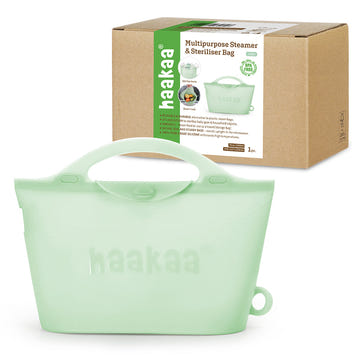
Haakaa Multipurpose Steamer & Sterilizer Bag 3 sizes...
$14.99
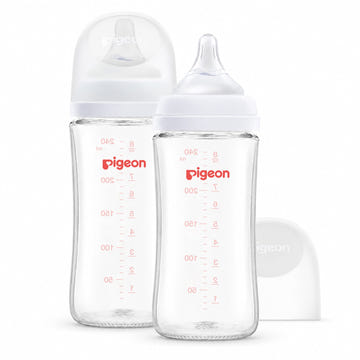
Pigeon Glass Wide Neck Baby Bottle 2-Pack 8.1 oz 3+ ...
$35.99
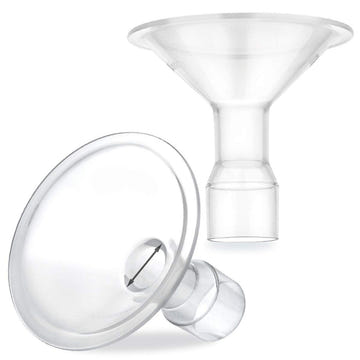
Bae & Bee Boutique Maymom Narrow Neck Flange compati...
$15.00
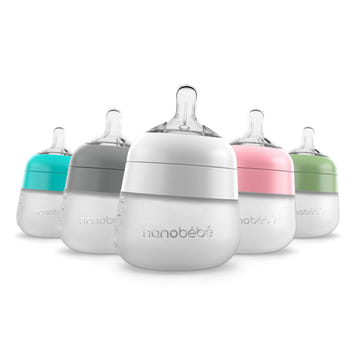
Nanobébé Flexy Silicone Baby Bottle 5oz
$16.99
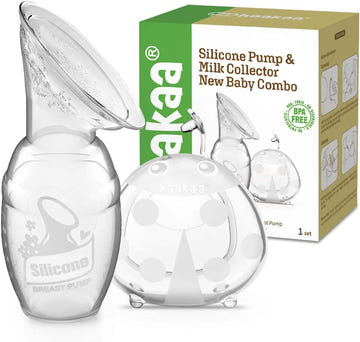
Haakaa Silicone Pump and Ladybug Milk Collector Comb...
$30.32
Are alcohol test strips for breast milk accurate and worth buying?
Alcohol test strips for breast milk can provide some indication of alcohol presence, but they're not always perfectly accurate and can give false readings. They may offer peace of mind for some mothers, but it's more reliable to use timing guidelines based on how many drinks you consumed and your body weight. When in doubt, wait longer before nursing.
Can I breastfeed immediately after drinking if I mix my breast milk with formula?
No, diluting breast milk with formula does not reduce the alcohol concentration in the breast milk portion. If alcohol is present in your milk, it remains at the same level regardless of what you mix it with. The only way to ensure alcohol-free feeding is to wait for your body to metabolize the alcohol or use previously stored milk.
What should I do if I accidentally breastfed my baby shortly after drinking alcohol?
Don't panic. One isolated incident of nursing after moderate alcohol consumption is unlikely to cause serious harm to your baby. Monitor your baby for any unusual sleepiness, changes in feeding behavior, or fussiness. If you're concerned or notice anything unusual, contact your pediatrician for guidance. Going forward, plan ahead to avoid similar situations.
From Moogco Studio
Printable and personalized nursery essentials. Designed by moms for moms.


About the Editor
Eda Ulger is the editor at Moogco Baby and a mom of two. She curates and edits our guides so every piece is honest, practical, and genuinely helpful for the early days of motherhood.
Shop This Story
Picks related to this guide, ready to ship from Moogco.
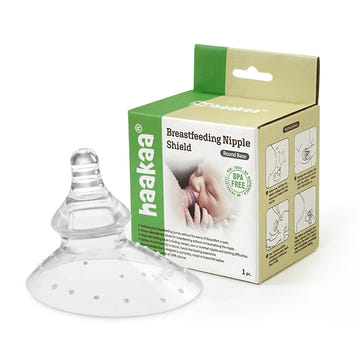
Haakaa Silicone Breastfeeding Nipple Shield Round Sh...
$19.05
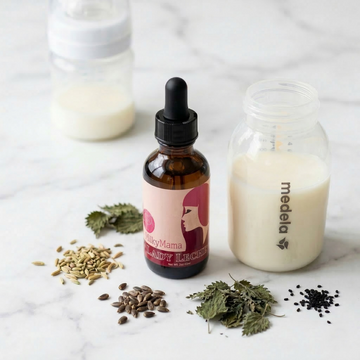
Milky Mama Lady Leche Lactation Liquid Grape Flavor ...
$27.00
Bae & Bee Boutique LactTube 5FR Pediatric Feeding Tu...
$3.00
Bae & Bee Boutique Cherry Shaped Nipple Shield 21mm ...
$14.00

Nanobébé Silicone Anti-Colic Baby Bottle Nipples Gen...
$5.99
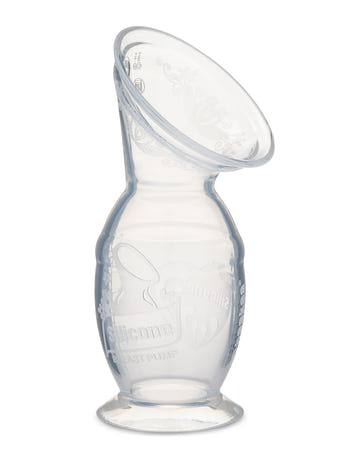
Haakaa Generation 2 Silicone Breast Pump 5 oz Suctio...
$20.99
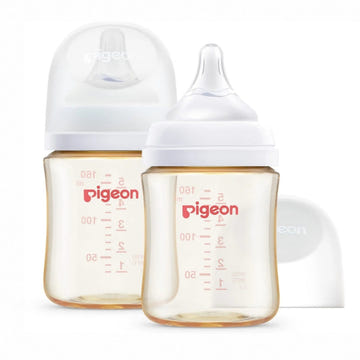
Pigeon PPSU Wide Neck Baby Bottle 2 Pack 5.4 oz Newborn
$34.99
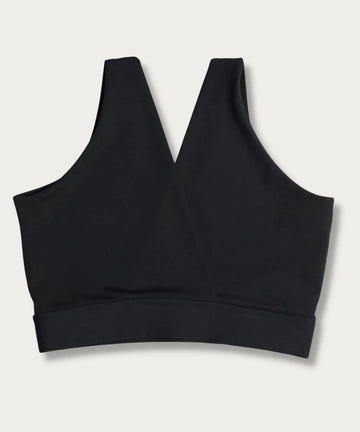
Nyssa FourthWear Postpartum Bralette Nursing and Pum...
$39.00
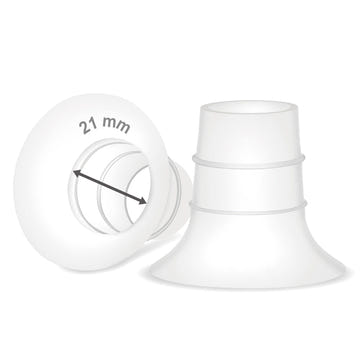
Bae & Bee Boutique Maymom Silicone Medela Flange Ins...
$6.00
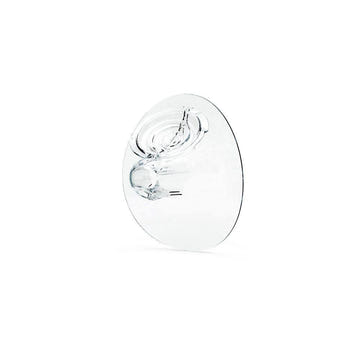
Healthy Horizons Elvie Pump Breast Shields 2 Pack 21...
$29.99