


Let's get right to the good news: taking Allegra (fexofenadine) while you're breastfeeding is widely considered safe. The amount of medication that actually makes its way into your breast milk is so small that it’s unlikely to have any effect on your baby.
Your Guide to Allegra and Breastfeeding Safety
When you’re nursing a little one and seasonal allergies hit, the last thing you want is to worry about whether your allergy medicine is safe. Thankfully, when it comes to Allegra, medical experts and major health organizations are on the same page. They generally agree that fexofenadine—the active ingredient in Allegra—is one of the go-to choices for breastfeeding moms.

Think of it this way: your body is incredibly efficient at filtering what goes where. When you take a dose of Allegra, only a minuscule fraction of it ever crosses over into your breast milk. This is the key reason behind its strong safety profile. Understanding this simple fact can help put your mind at ease.
Curated by moms, vetted by lactation pros
Everything for the breastfeeding journey
Take 25% off at checkout, applied automatically when you shop through this link.
Shop with READER25 →Free US shipping over $100. Code applies automatically at checkout.
How Allegra Works and Why It's a Safer Choice
To really understand why Allegra is a preferred option, it helps to know a little bit about the science. Fexofenadine is what’s known as a second-generation antihistamine.
Unlike older, first-generation antihistamines (like Benadryl), second-generation options like Allegra were specifically designed to target allergy symptoms without crossing the blood-brain barrier. This is why Allegra is non-sedating—it won't make you drowsy, and more importantly, it means there's an extremely low risk of it making your baby sleepy, either.
It's this combination of minimal transfer into milk and a non-drowsy formula that makes it a trusted choice. Of course, managing your health postpartum involves more than just medications. For other common concerns, many moms have found our guide on nipple care during breastfeeding to be an incredibly helpful resource.
Allegra (Fexofenadine) Breastfeeding Safety at a Glance
To make this even clearer, I've put together a quick summary table. It breaks down the most important safety factors so you can see the evidence at a glance before we dive deeper into the specifics.
| Safety Factor | Explanation | What This Means for You and Your Baby |
|---|---|---|
| Low Milk Transfer | Very little of the active drug, fexofenadine, passes from your bloodstream into your breast milk. | Your baby is exposed to a clinically insignificant amount, far below any level that would cause concern. |
| High Safety Profile | Fexofenadine is a second-generation antihistamine with minimal side effects like drowsiness. | There is an extremely low risk of your baby becoming sleepy, irritable, or fussy from the medication. |
| Expert Consensus | Major health authorities classify it as compatible with breastfeeding. | You can feel confident that you are following established and trusted medical guidance. |
This table provides a solid foundation for understanding why Allegra is a reliable option. Now, let’s explore the research and what it tells us about infant exposure and potential risks.
Why So Little Allegra Reaches Your Baby
The main reason experts are comfortable with Allegra during breastfeeding comes down to some basic pharmacology. Your body is an incredible filter, and the way it handles fexofenadine means that only a minuscule amount ever has a chance of reaching your breast milk.
Think of it like this: the medication molecules are big, bulky ships trying to navigate a vast ocean (your bloodstream). To get into the calm, separate harbor of your breast milk, they have to pass through a very tight, selective channel—what we call the blood-milk barrier.
The Role of Protein Binding
Allegra's molecules are particularly good at latching onto large proteins floating around in your blood. This is a concept known as high protein binding. Once attached, they're like a tiny car strapped to a massive truck—they're just too big to squeeze through that narrow channel into your milk.
This is a fantastic built-in safety feature. The vast majority of the Allegra you take just keeps circulating in your bloodstream, hitched to these proteins, until your body gets rid of it. Very little ever gets the chance to cross over into your milk supply.
The infographic below gives a great visual of how Allegra travels through your system and why the amount that reaches your baby is so tiny.
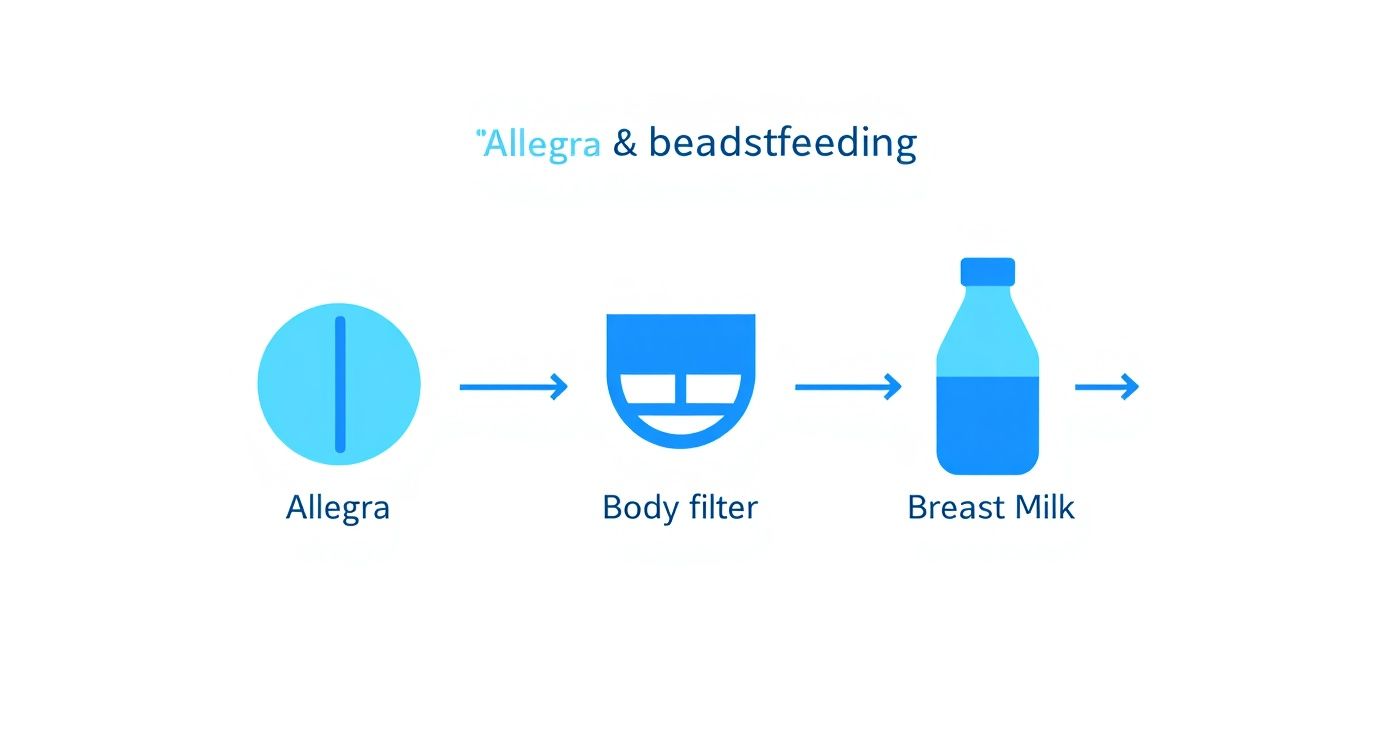
As you can see, the medication is effectively contained and filtered by your body, with only a tiny fraction having any potential to transfer.
Understanding the Relative Infant Dose
When we talk about medication and breastfeeding, there's a key measurement we use to assess an infant's exposure: the Relative Infant Dose (RID). It’s a simple percentage that tells us how much of the mother's dose (adjusted for weight) the baby gets through her milk.
As a rule of thumb, a Relative Infant Dose below 10% is widely considered safe and is very unlikely to have any effect on a nursing baby.
This is where Allegra really shines. Study after study has shown its RID is far, far below that 10% safety line. In fact, a major review of antihistamines found that their RIDs typically fall between 0.3% and 4.5%, which confirms just how little gets through. You can dive deeper into these findings in this study on antihistamines in lactation.
What this low RID means in practical terms is that the amount of Allegra your baby might get is so small it's considered clinically insignificant. It’s simply not enough to have a noticeable effect. This hard data provides a lot of reassurance for moms who need allergy relief but don't want to stop breastfeeding. It’s also why having one of the best lactation support products on hand can help you feel more confident and prepared.
Picks From This Story
Picks related to this guide, ready to ship from Moogco.

The Original Silver Nursing Cups with Silicone Pads
$62.90
MOOGCO Silver Nursing Cups 999k Silver
$49.90

momjug breastfeeding water bottle 50oz double-wall s...
$49.99
Nanobébé Breastmilk Baby Bottle 5 oz Pack Options Pi...
$16.99
Zomee Breast Pumps Breast Milk Storage Bottles BPA-free
$3.99
hegen PPSU Essentials Kit 60ml 150ml 240ml baby bottles
$99.99
What Health Authorities Say About Fexofenadine
https://www.youtube.com/embed/pGCiu2oZkUY
When you're trying to figure out which medications are safe while nursing, it's always best to see what the experts have to say. The good news for allergy-suffering moms is that when it comes to Allegra, the consensus is overwhelmingly positive. Major health organizations have looked at the research and consistently put fexofenadine on their list of preferred antihistamines for breastfeeding parents.
This isn’t just a casual thumbs-up; it’s a conclusion built on solid evidence. Authorities like the Mayo Clinic and Motherisk recognize fexofenadine as a safe choice because so little of it actually passes into breast milk. They often list it as a first-line option, offering science-backed reassurance to nursing mothers. You can find more details on Allegra's safety profile from Dr. Oracle for a deeper dive.
This strong endorsement is largely due to fexofenadine’s modern, second-generation design, which was specifically created to minimize side effects like drowsiness for both you and your baby.
The Critical Difference Between Allegra and Allegra-D
While standard Allegra gets the green light, there's a crucial distinction to make at the pharmacy counter: you must avoid combination products like Allegra-D. That "D" stands for decongestant—specifically, pseudoephedrine—and it's an ingredient that is a definite "no" for breastfeeding mothers.
Why such a strong warning? Pseudoephedrine is known to have a significant and often rapid impact on lactation.
Key Takeaway: The pseudoephedrine in Allegra-D and other combo cold medicines can seriously reduce your milk supply. To protect your ability to breastfeed, it's essential to stick with plain fexofenadine.
This potential drop in milk production is a major concern, making it vital to read labels carefully. If you're also dealing with a stuffy nose, it’s much safer to talk to your doctor about alternatives like saline nasal sprays, which work right where you need them without affecting your system-wide milk production. Making sure you're set up for success from the start is so important, and exploring tips on how to prepare for breastfeeding can make a world of difference.
Always reach for the single-ingredient product to get the allergy relief you need without putting your breastfeeding goals at risk. Choosing correctly means you’re following established safety guidelines and protecting that precious milk supply for your little one.
Smart Strategies for Taking Allegra While Nursing
Knowing Allegra is generally a safe choice is a great first step. But you can also be smart about how you take it to give yourself that extra bit of peace of mind. A few simple, practical tweaks to your routine can help minimize the already tiny amount of medication your baby is exposed to.
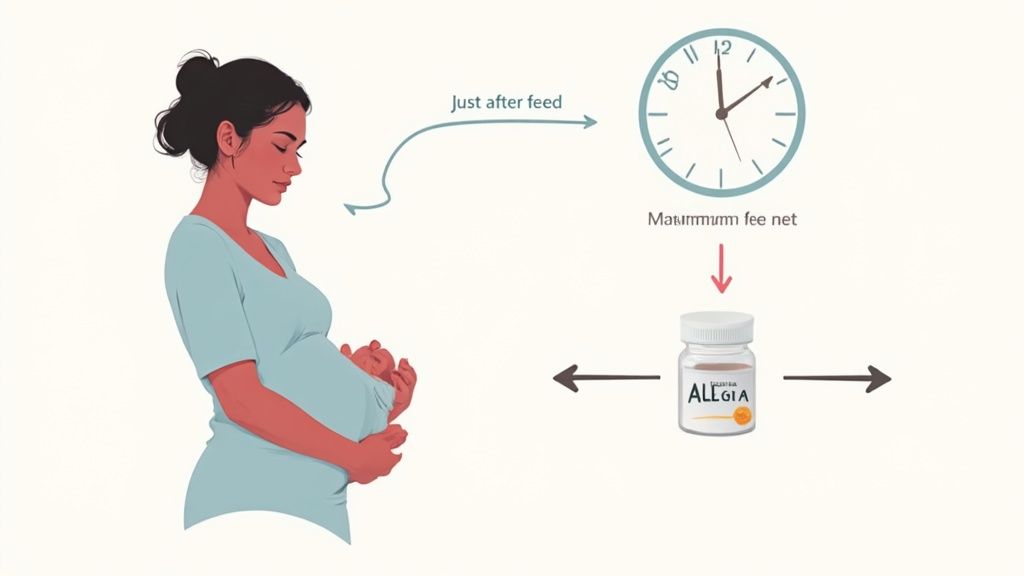
The single most effective strategy is all about timing. If you take your Allegra dose immediately after breastfeeding, you create the longest possible gap before the next feeding.
Think of it this way: when you take a pill, the concentration in your bloodstream—and by extension, your milk—rises, hits a peak, and then starts to fall. By taking it right after a feed, you’re letting that peak happen while your baby is full and content, long before they're ready to nurse again.
Maximizing Your Timing for Peace of Mind
This small adjustment can make a big difference. Fexofenadine, the active ingredient in Allegra, typically reaches its highest level in your blood about 2 to 3 hours after you take it. Most newborns and young infants feed every three to four hours, which makes this timing almost perfect.
By the time your little one is hungry again, the amount of medication in your breast milk will have already passed its peak and started to decline.
Putting this into practice is easy:
- Feed First: Nurse your baby or finish your pumping session.
- Take Allegra Immediately: Pop your pill as soon as you're done.
- Relax Until the Next Feed: Go about your day, confident that you’ve timed it just right.
This simple habit puts you in control, ensuring your baby’s exposure is as low as it can possibly be.
Sticking to the Recommended Dosage
Another key piece of the puzzle is simply following the directions on the box. On a really bad allergy day, it might be tempting to take an extra pill, but it’s so important to stick to the standard adult dose unless a doctor specifically tells you otherwise.
Following the standard dosage ensures that the drug concentration in your system stays within the well-studied range that has been proven safe for breastfeeding. Doubling up can disrupt this balance.
Taking more than you should won't necessarily give you more relief, but it will increase the potential amount in your milk and raise your own risk of side effects. For other non-medical ways to stay comfortable, many moms find that using the best silver nursing cups offers soothing protection as part of a postpartum wellness plan. By timing your dose and using Allegra as directed, you can breathe easy—in more ways than one.
Monitoring Your Baby for Peace of Mind
Even with Allegra's excellent safety profile, knowing what to look for can give you that extra bit of confidence. Side effects in a nursing baby are incredibly rare when a mother is taking Allegra, but being aware of the unlikely signs empowers you to act quickly if you ever feel concerned.
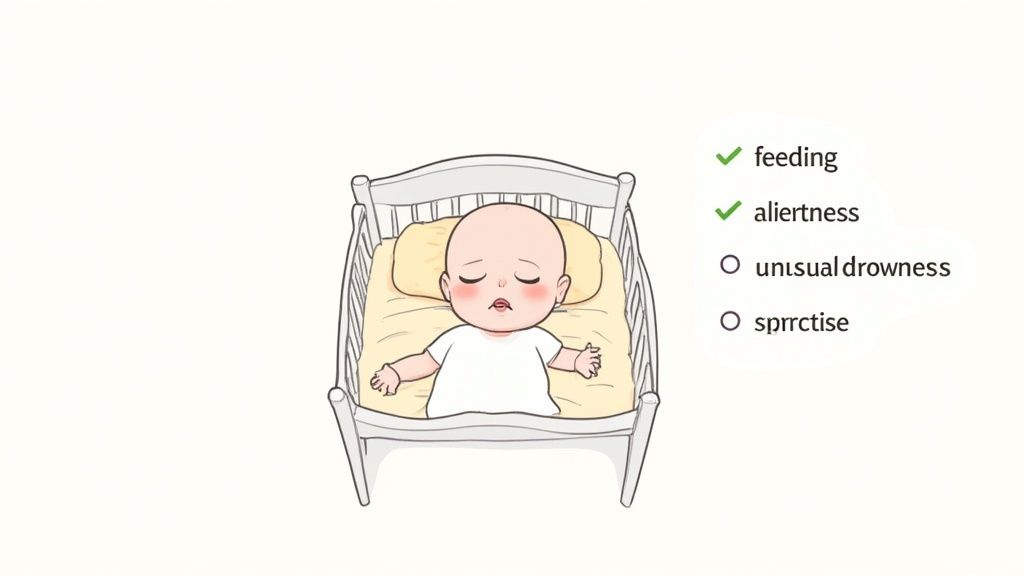
If a baby were to react to an antihistamine, the signs would most likely be subtle. You might notice unusual drowsiness, some difficulty with feeding, or a bit more irritability than normal. It's important to remember, though, that these symptoms are not expected with a second-generation antihistamine like Allegra because it’s specifically designed to be non-sedating.
Why Older Antihistamines Are Different
So, why are these side effects even mentioned? It all comes down to the older, first-generation antihistamines. Medications like Benadryl (diphenhydramine) are famous for causing drowsiness in adults, and that effect can sometimes be passed to infants through breast milk.
Allegra was engineered to solve that very problem. Its molecules are structured so they don't easily cross the blood-brain barrier. This is why it doesn't make you sleepy—and why it’s extremely unlikely to make your baby sleepy, either. This modern chemistry is what sets it apart and makes it a go-to choice for nursing mothers.
The table below breaks down the key differences between the older drugs and the newer ones like Allegra.
Comparing First and Second-Generation Antihistamines for Breastfeeding
| Feature | First-Generation (e.g., Benadryl) | Second-Generation (e.g., Allegra) |
|---|---|---|
| Sedation | High risk of drowsiness for both mother and baby. | Non-sedating; very low risk of drowsiness. |
| Transfer to Milk | Can transfer in amounts that may cause infant effects. | Transfers in clinically insignificant amounts. |
| Potential Side Effects in Baby | Drowsiness, irritability, feeding issues. | Adverse effects are extremely rare. |
| Impact on Milk Supply | Can potentially decrease milk supply, especially with high doses. | No known effect on milk production. |
| Recommendation | Generally avoided during breastfeeding; use with caution. | Preferred choice for breastfeeding mothers. |
As you can see, the choice is pretty clear. The modern formulation of second-generation antihistamines offers all the allergy relief with a much stronger safety profile for your little one.
When to Check In With Your Doctor
Above all, trust your parental instincts. If you start taking Allegra and notice any new or unusual changes in your baby’s behavior, no matter how minor they seem, it’s always a good idea to call your pediatrician or lactation consultant. They can provide personalized advice and much-needed reassurance.
You can confidently treat your allergies, secure in the knowledge that while side effects are highly improbable, you know exactly what to watch for. This peace of mind allows you to focus on what truly matters: enjoying those precious moments with your baby, clear-headed and comfortable.
More Related Picks
A few more favorites from the same collection.

Healthy Horizons Elvie Stride Diaphragms 2 Pack
$21.99
Haakaa Multipurpose Steamer & Sterilizer Bag 3 sizes...
$14.99
Pigeon Glass Wide Neck Baby Bottle 2-Pack 8.1 oz 3+ ...
$35.99
Bae & Bee Boutique Maymom Narrow Neck Flange compati...
$15.00
Haakaa Silicone Pump and Ladybug Milk Collector Comb...
$30.32
Nanobébé Flexy Silicone Baby Bottle 5oz
$16.99
Exploring Safe Allergy Relief Alternatives
While Allegra is an excellent and well-supported choice for breastfeeding moms, it's always empowering to know you have other options. Understanding the full landscape of safe allergy treatments helps you have a more informed conversation with your doctor and find what works best for you and your baby.
Fortunately, Allegra isn't the only great player on the team. Several other medications and practical strategies are also considered safe and effective when you're nursing.
When it comes to oral antihistamines, the consensus is clear: the newer, second-generation, non-sedating options are the top picks. This puts Allegra in good company with two other widely recommended medications.
Comparing Your Antihistamine Choices
If you walk into a pharmacy, you’ll likely be pointed toward one of three preferred antihistamines, all of which have a strong safety record for breastfeeding.
- Fexofenadine (Allegra): A reliable first choice, known for its extremely low transfer into breast milk and non-drowsy formula.
- Loratadine (Claritin): Much like Allegra, it passes into milk in very small amounts and is widely considered safe for nursing mothers.
- Cetirizine (Zyrtec): Also deemed compatible with breastfeeding, though it might have a slightly higher chance of causing mild drowsiness in some moms or babies compared to Allegra or Claritin.
Years of research have gone into evaluating antihistamine use during breastfeeding. Early studies understandably focused on the older, first-generation sedating antihistamines, looking closely at their potential to cause infant drowsiness or even affect milk supply. While modern research hasn't found a definitive link to major issues, a bit of caution still makes sense. This is exactly why non-sedating options like Allegra are the go-to recommendations—they simply carry a lower risk of sedation for both you and your little one. You can discover more insights on antihistamine safety here.
Beyond Pills: A Holistic Approach
Managing allergies doesn't always have to start with a pill. Sometimes, integrating simple, non-medication strategies into your daily routine can significantly reduce your symptoms and lessen how much you rely on medication in the first place. Think of these as your first line of defense.
A holistic allergy plan combines smart environmental controls with targeted relief. By reducing your exposure to allergens, you can often lower the intensity of your body's reaction, making symptoms much more manageable.
Consider adding these powerful yet simple habits to your toolkit:
- Saline Nasal Sprays: It sounds basic, but a simple saltwater rinse can work wonders. It physically flushes allergens out of your nasal passages, providing immediate relief without any medication at all.
- HEPA Filters: Using a High-Efficiency Particulate Air (HEPA) filter in your home—especially in the bedroom—can trap pollen, dust mites, and pet dander right out of the air you breathe.
- Trigger Avoidance: This one is fundamental. If you know pollen is your enemy, try to stay indoors when counts are high and keep the windows closed. For dust allergies, frequent cleaning and using allergen-proof bedding can make a world of difference.
Beyond direct allergy management, taking a wider view of your wellness can also play a role. Building a strong foundation through nutrition and lifestyle can be beneficial, and many people find it helpful to explore strategies to boost your immune system as part of their overall health plan.
By combining these medication-free tactics with a safe antihistamine like Allegra when you need it, you create a robust, multi-layered approach to feeling your best while you breastfeed.
Frequently Asked Questions
Even with all the reassuring data, it's completely normal for those "what if" questions to start swirling. Let's tackle some of the most common concerns nursing moms have about taking Allegra, so you can feel confident and prepared.
Can I Take Allegra-D While Breastfeeding?
This is a big one. It's strongly recommended that you avoid Allegra-D or any other allergy pill that includes a decongestant. The "D" in the name stands for pseudoephedrine, a drug known to potentially tank a mother's milk supply.
To be safe, stick with plain Allegra that only contains fexofenadine. If you're dealing with a stuffy nose, simple saline nasal sprays are a much safer bet for your supply.
What if My Baby Was Born Prematurely?
If your little one arrived early or has any other health issues, it's absolutely crucial to talk to your pediatrician before taking any medication. A premature baby's tiny system is still developing and processes medications differently than a full-term infant's.
Your doctor can give you personalized advice based on your baby’s specific weight and health needs, putting their safety first.
Important Reminder: The advice in this guide is intended for healthy, full-term babies. Always get a professional opinion for an infant with special health considerations.
How Long After Taking Allegra Should I Breastfeed?
This is where a little strategic timing can make a big difference. The best approach is to take your Allegra dose right after you finish nursing.
This simple trick maximizes the time between taking the pill and your baby's next feeding. The medicine's concentration in your milk will be at its highest about 2-3 hours after you take it. By timing it this way, the level will already be on its way down by the time your baby gets hungry again, further minimizing their already tiny exposure.
Do I Need a Prescription for Allegra?
While you can grab Allegra off the shelf in most pharmacies, it's always a good idea to have a quick chat with your doctor or pharmacist first. They can confirm it's the right choice for you and won't interfere with anything else you might be taking.
Speaking of support, our list of the best gifts for breastfeeding moms features plenty of items designed to bring a little extra comfort to the nursing journey. Getting that professional green light just gives you one less thing to worry about.
Bring this guide home with 25% off.
Use code READER25 for 25% off →
Featured pick from Moogco
MOOGCO Silver Nursing Cups 999k Silver - BPA-Free for Babies & Toddlers
$46.90 $52.90
Shop this pick → Frequently Asked Questions
Can I take Allegra every day while nursing?
Yes, you can take Allegra daily throughout your breastfeeding journey if you need ongoing allergy relief. The medication's minimal transfer into breast milk remains consistent with regular use, so there's no increased risk from taking it long-term. Many nursing moms use it throughout allergy season without any concerns. Just stick with the recommended dosage on the package or as directed by your doctor.
Will Allegra make my baby drowsy or fussy?
The chances of Allegra causing drowsiness or fussiness in your baby are extremely low. Because fexofenadine is a non-sedating antihistamine and barely any passes into breast milk, it's highly unlikely to affect your little one's sleep or mood. This is one of the main reasons it's preferred over older antihistamines that can cause drowsiness. If you do notice any changes in your baby, it's always worth checking in with your pediatrician.
Is Allegra safer than Claritin or Zyrtec for breastfeeding?
Allegra, Claritin, and Zyrtec are all considered safe second-generation antihistamines for breastfeeding mothers. They each have very low transfer rates into breast milk and similar safety profiles. The choice often comes down to personal preference, how well each one controls your specific symptoms, and which formula works best for your body. Your doctor can help you decide which option is the best fit for your situation.
Can I take Allegra if my baby is a newborn?
Yes, Allegra is considered safe even when nursing a newborn. The minimal amount that transfers into breast milk is not considered harmful to infants of any age, including the earliest weeks. That said, newborns are still developing their systems, so it's always smart to let your pediatrician know what medications you're taking. They can help monitor your baby and address any concerns you might have.
Does Allegra affect breast milk supply?
Plain Allegra (fexofenadine alone) does not affect your breast milk supply, which is wonderful news for nursing moms with allergies. The ingredient that can reduce supply is pseudoephedrine, found in combination products like Allegra-D. As long as you stick with single-ingredient fexofenadine and avoid any formulas with decongestants, your milk production should stay right on track.
What strength of Allegra is safe while breastfeeding?
Both the 60 mg and 180 mg strengths of Allegra are considered safe during breastfeeding when taken as directed. The 180 mg once-daily dose is the most common for adults with seasonal allergies. Regardless of strength, the amount that reaches your breast milk remains extremely low. Always follow the dosing instructions on the package and talk to your healthcare provider if you're unsure which strength is right for your symptoms.
Should I pump and dump after taking Allegra?
No, there's absolutely no need to pump and dump after taking Allegra. The whole point of its excellent safety profile is that so little of the medication gets into your milk that it's not a concern. Pumping and dumping would be an unnecessary step that just wastes your precious milk. You can nurse or pump as normal without any waiting period.
Can I take Allegra with other breastfeeding-safe medications?
In most cases, yes, Allegra can be taken alongside other breastfeeding-safe medications like ibuprofen or acetaminophen. However, you should always check with your doctor or pharmacist before combining medications to make sure there are no interactions. Be especially cautious with other cold or allergy products, as they may contain overlapping ingredients or decongestants that aren't safe for nursing. Reading labels carefully is key to keeping both you and your baby safe.
From Moogco Studio
Printable and personalized nursery essentials. Designed by moms for moms.


About the Editor
Eda Ulger is the editor at Moogco Baby and a mom of two. She curates and edits our guides so every piece is honest, practical, and genuinely helpful for the early days of motherhood.
Shop This Story
Picks related to this guide, ready to ship from Moogco.

Milky Mama Lady Leche Lactation Liquid Grape Flavor ...
$27.00
Bae & Bee Boutique LactTube 5FR Pediatric Feeding Tu...
$3.00
Bae & Bee Boutique Cherry Shaped Nipple Shield 21mm ...
$14.00

Nanobébé Silicone Anti-Colic Baby Bottle Nipples Gen...
$5.99
Haakaa Silicone Breastfeeding Nipple Shield Round Sh...
$19.05
Haakaa Generation 2 Silicone Breast Pump 5 oz Suctio...
$20.99
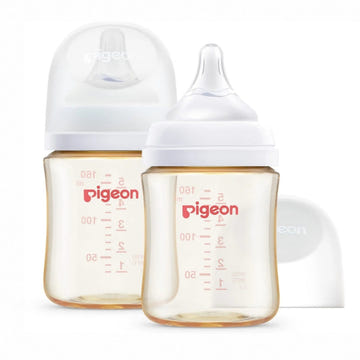
Pigeon PPSU Wide Neck Baby Bottle 2 Pack 5.4 oz Newborn
$34.99
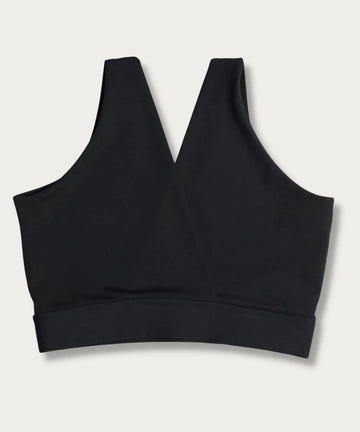
Nyssa FourthWear Postpartum Bralette Nursing and Pum...
$39.00
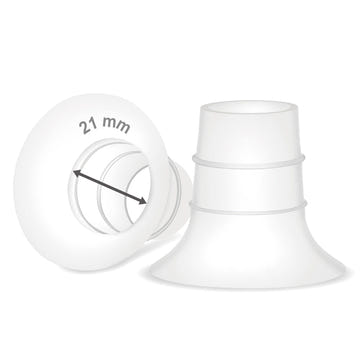
Bae & Bee Boutique Maymom Silicone Medela Flange Ins...
$6.00
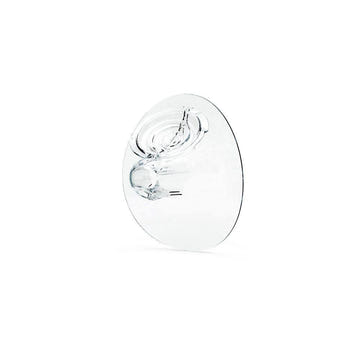
Healthy Horizons Elvie Pump Breast Shields 2 Pack 21...
$29.99