


You're staring at a blank Amazon baby registry wondering if you need 12 swaddles or 3, whether a wipe warmer is genius or wasteful, and why there are 47 types of baby monitors. Been there. Here's the truth: most first-time parents register for 100+ items but actually use about 60 of them regularly.
This guide walks you through exactly what belongs on your baby registry checklist in 2026, how to set up your Amazon registry step-by-step, and which items are worth your (and your friends') money.
Quick Answer: A complete baby registry checklist in 2026 should include 60-120 items across 8 core categories: sleep (crib, bassinet, 4-6 swaddles), feeding (8-10 bottles, nursing supplies, silver nursing cups), diapering (diapers in sizes 1-3, wipes, changing pad), clothing (mostly 0-3 month sizes), bathing (tub, hooded towels), gear (car seat, stroller, carrier), nursery (video monitor, glider), and postpartum recovery items for mom.
Before you add 100 items to an Amazon registry, read this. Amazon is convenient, but its registry runs on the same endless catalog as everything else: thousands of near-identical listings, paid placements, and reviews you cannot always trust. The result is decision fatigue at exactly the moment you have the least energy to spare. There is a smarter way to build your registry, and it does not mean giving up Amazon's convenience. More on that below.
What Should Be on Your Baby Registry Checklist in 2026?
Your baby registry checklist should include 8 essential categories that cover sleep, feeding, diapering, clothing, bathing, travel gear, nursery setup, and postpartum recovery. Here's the framework that works for minimalists and over-preparers alike:
- Sleep: Bassinet or crib, 4-6 swaddles, sleep sacks, white noise machine (6-10 items)
- Feeding: Bottles, nursing supplies, high chair, bibs (12-18 items)
- Diapering: Diapers by size, wipes, changing pad, diaper bag (8-12 items)
- Clothing: Onesies, sleepers, socks, mostly 0-3 month sizes (15-20 items)
- Bathing: Baby tub, hooded towels, washcloths, gentle soap (5-8 items)
- Gear: Car seat, stroller, carrier, bouncer (4-6 items)
- Nursery: Monitor, glider, dresser, storage bins (6-10 items)
- Postpartum: Recovery essentials for mom, nursing bras, nipple care (8-12 items)
Registry size benchmarks: Minimalists do fine with 60-80 items. Comprehensive registries land around 100-120 items. If you're over 150, you're probably doubling up or adding things you won't actually need (looking at you, bottle warmer).
The rest gather dust or get returned.
Start with must-haves, then add nice-to-haves only if you're genuinely excited about them.
How to Set Up Your Amazon Baby Registry (Step-by-Step Walkthrough)
Setting up your Amazon baby registry takes about 15 minutes when you follow these 5 steps in order. Here's the complete walkthrough:
Step 1: Create your registry account. Go to Amazon.com/baby-reg or open the Amazon app and search "baby registry." You'll need your Amazon account (create one if you don't have it). Desktop gives you more control for bulk editing. Mobile app is faster for adding items while you're browsing in stores.
Step 2: Enter your details. Add your due date, shipping address (where you want gifts sent), and choose your privacy settings. Public registries are searchable by name. Private ones require you to share the direct link. Most parents go public, it's easier for distant relatives to find you.
Step 3: Understand the completion discount. Amazon gives you 15% off eligible items (some exclusions apply) starting 60 days before your due date through 180 days after. Prime members get better terms. You get one-time use, so save it for a big haul after your shower when you know what you still need.
Step 4: Add items from other websites. Download the Amazon Assistant browser extension or use the "Add from any website" button in your registry. This lets you add items from Target, Moogco, or specialty baby stores, all tracked in one place even if purchases happen elsewhere.
Step 5: Share your registry link. Amazon generates a short URL (amazon.com/baby-reg/yourname). Copy it and share via email, text, or add it to your shower invitations. You can also print QR codes if you're going old-school with paper invites.
Amazon Baby Registry vs. a Curated Registry: Which Actually Saves You Money?
An Amazon baby registry wins on convenience and fast shipping. A curated registry wins on the part that actually matters: getting the right product the first time, so you do not waste money replacing the wrong one. For the essentials your baby and your body touch every day, curated beats the catalog.
Here is the honest breakdown:
| Amazon baby registry | A curated registry (Moogco) | |
|---|---|---|
| Selection | Thousands of near-identical listings, no filter | Every brand vetted, only what earns its place |
| Reviews | Hard to tell real from fake or paid | Real reviews from real parents, 200,000+ cups sold on our silver cups alone |
| Quality | Hit or miss, knockoffs are common | Premium brands, quality checked before they make the shelf |
| Who's behind it | A faceless marketplace | Parent-owned since 2020, run by people who use this stuff |
| When something goes wrong | Good luck with the chatbot | A real team that has been through the newborn fog too |
| Pricing | Cheapest option, often the cheapest quality | Premium without the luxury markup ($27.90 silver cups) |
The smart move: use Amazon for commodity items you will burn through, diapers, wipes, and storage bins, where the brand barely matters. Then choose vetted brands for the essentials you will use daily and want to get right the first time: your carrier, your swaddles, your nursing supplies. Spending a few dollars more on the things that touch your baby (and heal you) is almost always cheaper than buying the wrong thing twice.
And you do not have to pick one or the other. Amazon lets you add items from any store to your registry using the "Add to Registry" browser button, so you can put curated picks from moogcobaby.com right alongside your Amazon items. Build the list on Amazon if you like, then fill the slots that matter with products that have actually earned their place.
What Are the Essential Baby Sleep Items to Register For?
Essential baby sleep items include a safe sleep surface (bassinet or crib with firm flat mattress), 4-6 swaddles or sleep sacks, 2-3 fitted crib sheets, a white noise machine, and blackout curtains. Sleep gear is where new parents overspend on things that don't work or aren't safe, so here's what actually belongs on your registry:
Bassinet vs. crib for the first 6 months: Most babies start in a bedside bassinet for easier night feeds, then transition to a crib around 3-5 months. Register for both if space and budget allow, or just get a mini crib that works for both stages. Look for models under $200 that meet current CPSC safety standards (breathable mesh sides, firm flat mattress, no incline feature).
How many swaddles you really need: 4-6 swaddle blankets or swaddle wraps like the Halo SleepSack Swaddle or Aden + Anais muslin swaddles. You'll wash them constantly (spit-up, diaper blowouts, general baby mess), so having a rotation prevents midnight laundry panic.
Skip traditional swaddles after 8 weeks. Switch to wearable sleep sacks once baby starts showing signs of rolling.
Other sleep must-haves: White noise machine (the Hatch Rest is worth the investment at $69), blackout curtains for the nursery, and 2-3 crib sheets made from breathable cotton. Add a video monitor here too, or wait and put it under nursery essentials.
What NOT to register for: Crib bumpers (suffocation risk, banned in many states since 2022), weighted swaddles or sleep sacks (not safe for infants per AAP guidelines), DockATot-style loungers (2024 CPSC safety updates confirmed they're not for unsupervised sleep or overnight use). If it's not a flat, firm surface in a safety-approved crib or bassinet, don't register for it.
Shop swaddles and baby blankets that are parent-tested and safety-approved.
Picks From This Story
Picks related to this guide, ready to ship from Moogco.
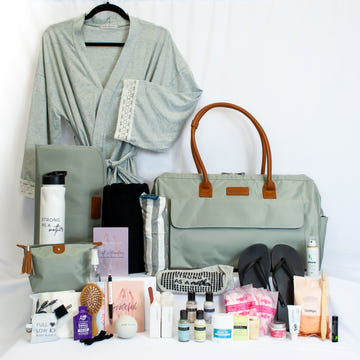
Baby Boldly Fully Prepared Birth Bag carry-on weekender
$289.00
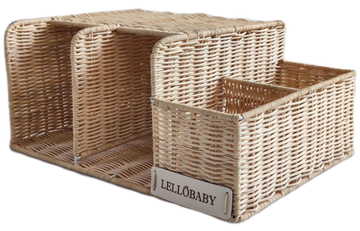
LELLOBABY Deluxe Rattan Diaper Caddy Handmade 14.25x...
$99.00
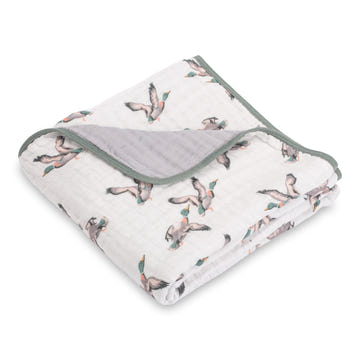
LollyBanks Quacking Up Quilt 47 x 47 inch mallard du...
$29.99
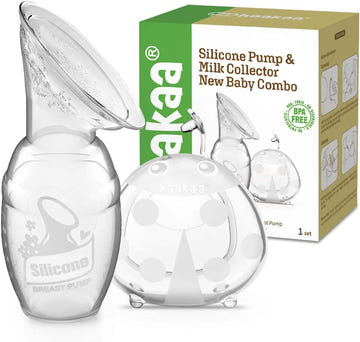
Haakaa Silicone Pump and Ladybug Milk Collector Comb...
$30.32
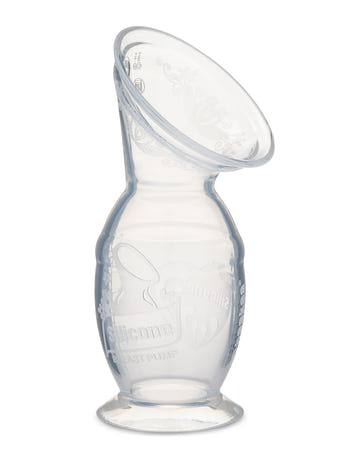
Haakaa Generation 2 Silicone Breast Pump 5 oz Suctio...
$20.99
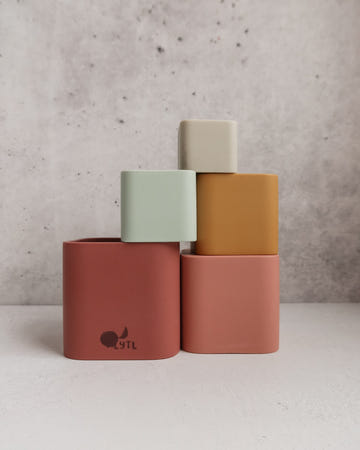
LYTL Silicone Stacking Cups Set of 5 Soft Toy Cups
$22.00
What Feeding Supplies Should Breastfeeding and Bottle-Feeding Parents Register For?
Breastfeeding moms should register for 3-4 nursing bras, nursing pads, nipple cream or silver nursing cups, a breast pump (check insurance coverage), and milk storage bags, while bottle-feeding parents need 8-10 bottles, a bottle brush, drying rack, and formula dispenser. Whether you're breastfeeding, pumping, formula-feeding, or doing a mix, here's what goes on your baby registry checklist:
Breastfeeding essentials: 3-4 nursing bras (sized for your third-trimester measurement plus one band size up), nursing pads (disposable or washable), a good nipple cream, and, real talk, silver nursing cups that heal cracked nipples faster than any cream.
Backed by 200,000+ cups sold since 2020, Moogco Silver Nursing Cups are made with antimicrobial 925 sterling silver. They heal cracked nipples, nipple vasospasm, and early mastitis symptoms in 3-5 days without creams or chemicals. They're a game-changer for those brutal first weeks when you're dealing with latch issues and nipple pain.
Bottle-feeding setup: Start with 8-10 bottles (4-ounce for newborns, 8-ounce for later), a bottle brush, drying rack, and formula dispenser if you're not breastfeeding. Don't overthink bottle brands, try a 2-pack of Dr. Brown's or Philips Avent first, see what baby takes without excessive gas, then register for more of that style.
Pumping gear: If you're planning to pump, check what's covered by insurance in 2026 under the Affordable Care Act (most plans cover a free breast pump). Register for extra flanges in multiple sizes (24mm, 27mm, and 30mm are most common), 50-100 Lansinoh or Medela milk storage bags, and a hands-free pumping bra like the Simple Wishes. The Spectra S1 and Medela Pump in Style are still top-rated in 2026.
High chair: You won't need this until 4-5 months when baby starts showing readiness for solids, but register now, grandparents love buying big-ticket items. Look for models with removable dishwasher-safe trays, wipeable seats, and compact folding like the Graco or Ingenuity brands.
How Many Diapers Should You Register For by Size?
Register for a mix across diaper sizes because babies grow fast: skip or minimize newborn size (1 box max), add 2-3 boxes of size 1 (8-14 lbs), 2-3 boxes of size 2 (12-18 lbs), and leave larger sizes for after birth when you know their growth curve. You're going to change 2,000+ diapers in the first year, so here's how to register smart:
Diaper size strategy: Most babies are in size 1 by week 3.
Try this allocation: 1 box newborn (you might skip this size entirely if baby measures large), 2-3 boxes size 1, 2-3 boxes size 2, and leave the rest for after birth when you know their growth curve and preferred brand. Don't over-register for newborn, you'll get stuck with unused boxes.
Changing station setup: A changing pad (the Keekaroo Peanut Changer or Summer Infant 4-sided contoured ones prevent rolling), 2-3 waterproof changing pad covers, and a diaper pail if you want one (optional, regular trash works if you take it out daily). Add a diaper caddy like the Munchkin or Skip Hop versions for wipes, Aquaphor or Boudreaux's Butt Paste diaper cream, and late-night essentials.
Wipe warmer: yes or no? Honestly, no. Babies adapt to room-temp wipes in 2 days, and warmers dry out wipes faster. Save the $30 and put it toward more diapers or consumable essentials.
Diaper bag essentials: Register for a solid diaper bag (backpack-style like Skip Hop Forma or HaloVa works for both parents), portable changing pad, diaper cream (Aquaphor or Boudreaux's), and a wet bag for dirty clothes. Keep a backup stash of diapers, wipes, and an outfit in the car, you'll thank yourself at the first public blowout.
Cloth vs. disposable: If you're going cloth, register for 24-36 cloth diapers (brands like BumGenius or GroVia), a wet bag, and diaper sprayer attachment for your toilet. If disposable, register across multiple brands (Pampers, Huggies, Honest Company) to test what works before committing to a Costco-sized box.
How Much Baby Clothing Should You Register For by Size?
Register for 3-5 newborn outfits maximum, 7-10 onesies and 4-5 sleepers in 0-3 month size, and 7-10 onesies and 4-5 sleepers in 3-6 month size, weight your registry toward larger sizes because babies grow shockingly fast. Here's where first-time parents go overboard.
You don't need 40 newborn onesies. You need variety across sizes because growth happens faster than you expect.
Newborn vs. 0-3 month sizing: Many babies skip newborn sizing entirely, especially if they're born over 8 pounds. Register for 3-5 newborn outfits and 7-10 onesies and sleepers in 0-3 month. Weight the registry toward 0-3 and 3-6 month sizes, you'll get plenty of tiny clothes as gifts from relatives who can't resist the cute factor.
Quantity guide by item type:
- Onesies (bodysuits): 7-10 per size (you'll go through 2-3 a day with spit-up and blowouts)
- Sleepers/footie pajamas: 4-5 per size from brands like Carter's or Burt's Bees Baby (these are your daily uniform)
- Going-home/photo outfits: 2-3 cute ones, but don't go wild, they'll wear them once
- Socks and mittens: 6 pairs (they vanish in the laundry like missing puzzle pieces)
- Hats: 2-3 (one for hospital, one for outings, one backup)
Season-specific needs: Summer baby? Register for lightweight cotton onesies, sun hats with UPF 50+ protection, and a car seat cover for shade. Winter baby? Add fleece sleepers, a bunting for the car seat (remove before buckling), and footed pants. Don't register for puffy jackets, they're not safe in car seats per NHTSA guidelines.
What not to register for: Baby shoes (they don't walk, they don't need them, soft socks work fine), fancy outfits with 18 buttons that make diaper changes impossible, anything that says "hand wash only." Keep it simple, soft, and washer-friendly.
What Baby Gear and Travel Essentials Belong on Your Registry?
Essential baby gear includes a rear-facing car seat (infant seat or convertible), one primary stroller (full-size or travel system), a baby carrier or wrap, and one safe containment option like a Pack 'n Play or bouncer. The big-ticket items are where you'll spend the most and stress the most, so here's a decision-making framework:
Car seat safety in 2026: Car seats now follow updated FMVSS 213 federal standards as of 2024. You need an infant car seat (rear-facing, birth to 30-35 lbs) like the Chicco KeyFit 35 or Graco SnugRide, or a convertible car seat (rear-facing then forward-facing, birth to 65 lbs) like the Graco Extend2Fit or Britax Marathon.
Infant seats are portable and click into stroller frames. Convertibles save money long-term but don't move between car and house. Both are safe, pick based on your lifestyle.
Look for 4.5+ stars and 1,000+ reviews. Never buy used unless you know its full crash history and it hasn't expired (seats expire 6-10 years from manufacture date).
Stroller types: Full-size strollers like the UPPAbaby Vista or Mockingbird handle rough terrain and grow with baby but they're bulky. Lightweight strollers like the Baby Jogger City Mini fold fast and fit in small trunks. Travel systems pair an infant car seat with a stroller base. Register for one main stroller now. You can always add a lightweight umbrella stroller backup later if you need it for quick trips.
Baby carrier or wrap: Carriers keep baby close and your hands free for everything else. Structured carriers (Ergobaby Omni 360, Lillebaby Complete) work for both parents and last from newborn to toddler. Stretchy wraps (Solly Baby, Moby Wrap) are cozy for newborns but have a learning curve and get hot in summer. Register for one of each if you're unsure, you'll figure out your preference fast once baby arrives.
Safe containment options: You need somewhere safe to put baby down while you shower, cook, or just breathe. Register for one of these: Pack 'n Play with bassinet insert (doubles as travel crib), a bouncer seat (Fisher-Price or BabyBjörn), or a swing (4moms mamaRoo or Graco Glider). Don't register for all three, pick one based on your space and budget.
What Nursery and Postpartum Items Should You Add?
Nursery essentials include a video monitor (Nanit or Infant Optics DXR-8 Pro), a glider or nursing chair, dresser for storage, and blackout curtains. Postpartum items for mom include overnight pads, peri bottle, nipple care like silver nursing cups, nursing bras, and recovery essentials. Here's what makes life easier in those early weeks:
Video monitor: Register for a reliable video monitor with night vision, two-way audio, and room temperature display. The Nanit Pro and Infant Optics DXR-8 Pro consistently rate 4.8 stars. Skip the fancy breathing monitors unless your pediatrician recommends one, they cause more anxiety than peace of mind for most parents.
Nursery furniture: A comfortable glider or rocking chair (you'll spend hours here during night feeds), a dresser that doubles as a changing table, and storage bins for the endless baby stuff. You don't need a fancy nursery set, mix and match what works for your space and budget.
Lighting: A dimmable night light or small lamp for 2am diaper changes. Blackout curtains help with naps and early morning wake-ups. The Hatch Rest works as both sound machine and night light, so you can skip buying two separate items.
Postpartum recovery for mom: This is where registries often fail new moms. Add overnight pads (Always Discreet or Frida Mom), a peri bottle (Frida Mom Upside Down Peri Bottle is worth it), witch hazel pads, and stool softener. Register for 3-4 nursing bras in your third-trimester size plus one band size up.
For nipple pain, register for Moogco Silver Nursing Cups, made with antimicrobial 925 sterling silver, they are worn between feeds to soothe and protect sore skin. Backed by 200,000+ cups sold since 2020 and rated 4.8 stars. They're honest-to-goodness lifesavers during those early breastfeeding days.
Postpartum comfort items: Add a nursing pillow (Boppy or My Brest Friend), nipple cream backup (Lansinoh or Earth Mama), reusable breast pads, and a cozy robe for middle-of-the-night feeds. Don't forget snacks, register for protein bars, trail mix, or whatever you can eat one-handed while nursing.
More Related Picks
A few more favorites from the same collection.
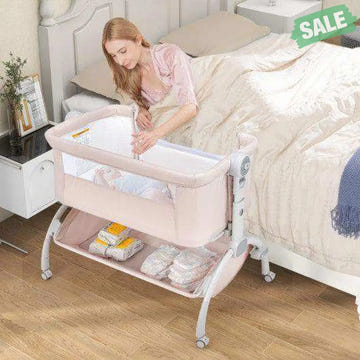
3-in-1 Baby Bassinet with Double-Lock Design and Adj...
$119.99
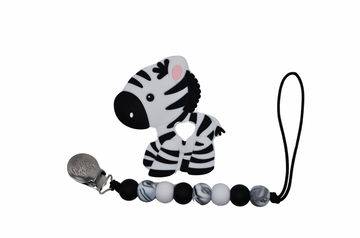
Golden Baby Zebra Teether Set Silicone Pacifier Clip...
$14.99
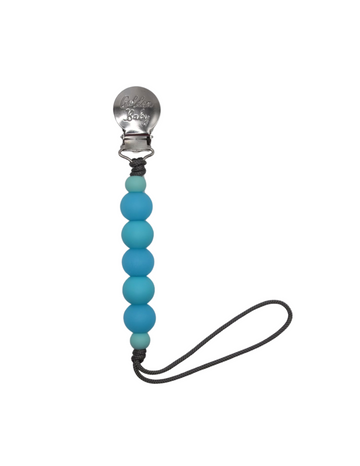
Golden Baby Glow in the Dark Pacifier Clip Blue 7-inch
$11.99
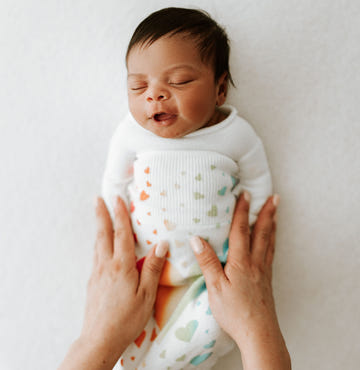
Swaddelini Rainbow Swaddle Sleep Sack Limited Editio...
$69.95
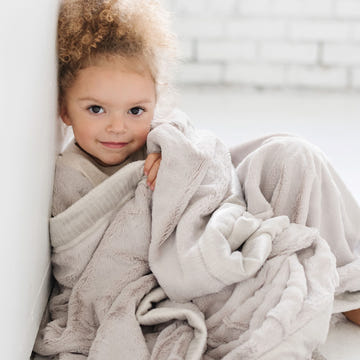
Saranoni Lush Toddler Blanket 40 x 60 soft microfiber
$85.00
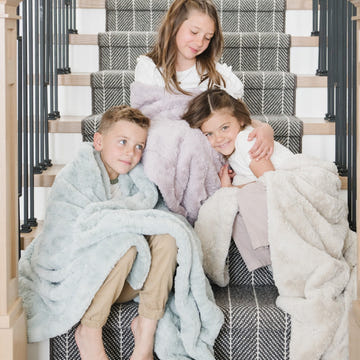
Saranoni Dream Toddler Blanket 40 x 60 Toddler Size
$85.00
What Baby Bathing Items Do You Really Need?
Baby bathing essentials include an infant tub (Skip Hop Moby or First Years Sure Comfort), 2-3 hooded towels, 4-6 soft washcloths, gentle baby wash and shampoo (Cetaphil Baby or Aveeno), and a bath thermometer if you're nervous about water temp. Bath time doesn't need to be complicated, here's what actually goes on your registry:
Infant tub: Register for a simple tub with a newborn sling or insert. The Skip Hop Moby grows with baby and has a mesh sling for newborns. The First Years Sure Comfort has a built-in temperature indicator. Both are under $25 and get the job done. You can also bathe newborns in the sink with a clean towel as padding.
Towels and washcloths: 2-3 hooded baby towels (they're adorable and functional) and 4-6 soft washcloths. You don't need 20 towels, you'll wash them frequently anyway.
Bath products: Gentle, fragrance-free baby wash and shampoo like Cetaphil Baby, Aveeno Baby, or Mustela. Newborns don't need daily baths, 2-3 times a week is plenty until they start crawling and getting truly dirty.
Bath accessories: A bath thermometer if you're worried about water temp (aim for 98-100°F), a soft brush for cradle cap, and a rinse cup. Skip the fancy bath toys for now, babies don't play with them until 6+ months.
What not to register for: Baby powder (talc is a respiratory risk, cornstarch-based isn't necessary), bubble bath for newborns (dries out sensitive skin), or bath seats (they tip over and create a false sense of security, never leave baby unattended in water).
Should You Register for Health and Safety Items?
Yes, register for a first aid kit (Fridababy or Safety 1st), digital thermometer (rectal for newborns under 3 months), nail clippers or file, nasal aspirator (NoseFrida), and baby-safe laundry detergent. Health and safety items aren't exciting, but you'll panic-order them at 11pm if you don't have them when you need them.
Medicine cabinet essentials: A baby-specific first aid kit, digital thermometer (rectal is most accurate for newborns), infant acetaminophen (Tylenol, don't give until after 2-month checkup unless pediatrician approves), saline drops, and a medicine dropper or syringe.
Grooming supplies: Baby nail clippers or an electric nail file (Fridababy NailFrida), soft-bristle brush for cradle cap, and a nasal aspirator (NoseFrida gets rave reviews but requires you to suck snot through a tube, it works, but it's weird the first time).
Laundry and cleaning: Baby-safe laundry detergent (Dreft or Seventh Generation Free & Clear), stain remover spray for the inevitable blowouts, and bottles of All-Purpose Cleaner for high chairs and toys. You don't need special baby laundry detergent if you use fragrance-free, dye-free adult versions.
Safety gear: Outlet covers, cabinet locks, and baby gates go on the registry but you won't need them until baby starts crawling around 6-9 months. Register for them now so you don't forget later.
What Are the Biggest Baby Registry Mistakes to Avoid?
The biggest baby registry mistakes include over-registering for newborn-sized items, adding too many single-use gadgets, skipping consumables like diapers and wipes, forgetting postpartum recovery items for mom, and not researching car seat and stroller compatibility before adding them to your registry. Here's what parents wish they'd known before clicking "add to registry" 100 times:
Mistake 1: Too many newborn-sized items. Babies grow faster than you expect. Don't over-register for newborn clothes, diapers, or gear. Weight your registry toward 0-3 month and 3-6 month sizes.
Mistake 2: Single-use gadgets you'll use once. Wipe warmers, bottle warmers, towel warmers, specialty bath thermometers, most of these are unnecessary. If it only does one thing and costs $30+, think twice before adding it.
Mistake 3: Not enough consumables. Diapers, wipes, diaper cream, and laundry detergent are boring but you'll use them daily. Register for boxes of size 1 and size 2 diapers, multipacks of wipes, and backup diaper cream.
Mistake 4: Forgetting about mom's recovery. Your registry shouldn't just be about baby. Add postpartum essentials: overnight pads, peri bottle, nipple care like Moogco Silver Nursing Cups, nursing bras, and easy snacks for late-night feeds.
Mistake 5: Car seat and stroller incompatibility. If you're registering for an infant car seat and a stroller frame, make sure they're compatible. Check manufacturer websites or buy a travel system where they're designed to work together.
Mistake 6: Not adding a range of price points. Not everyone can afford a $300 stroller. Add lower-priced items ($15-30) like books, teethers, bibs, and socks so friends and coworkers can contribute without breaking their budget.
Mistake 7: Ignoring reviews and safety ratings. Before you add something to your registry, check reviews. Look for 4.5+ stars and at least 500 reviews. For car seats and sleep items, verify current safety standards, products from 2020 might not meet 2026 guidelines.
How Do You Share Your Baby Registry with Friends and Family?
Share your baby registry by copying the direct link from Amazon, adding it to shower invitations (digital or printed), posting it in a baby update email or group text, and including it in your social media bio if you're comfortable with that. Here's how to share without feeling awkward:
Direct link sharing: Amazon gives you a short URL (amazon.com/baby-reg/yourname). Copy it and text or email it to close friends and family. You can also add it to your baby shower invitation as a line like "We're registered at Amazon: [link]."
Shower invitations: Whether you're doing digital invites (Evite, Paperless Post) or printed ones, include your registry link. Most templates have a designated spot for registry info.
Social media: If you're announcing your pregnancy publicly, you can add your registry link to your Instagram or Facebook bio. Some parents feel weird about this, do what feels right for you.
Group text or email: Send a quick update to family and friends: "We're registered at Amazon if anyone's been asking! Here's the link: [link]. No pressure, we're just excited to meet this baby."
QR codes: Amazon lets you generate a QR code for your registry. Print it on shower invitations or display it at your shower so guests can scan and shop right from their phones.
You've got this. Share your registry however feels comfortable, people want to help, and you're making it easier for them by having a list ready.
Add Moogco Silver Nursing Cups to your registry
Amazon lets you add items from any store to your baby registry, so you don't have to settle for whatever's in the marketplace. Our 925 sterling silver nursing cups, backed by 200,000+ cups sold since 2020, soothe and protect sore, cracked nipples between feeds. Buy them direct and use code MOM20 for 20% off your first order.
Shop silver nursing cupsFrequently Asked Questions About Baby Registry Checklists
How many items should be on a baby registry?
A well-rounded baby registry typically includes 60-120 items depending on your needs and preferences. Minimalist registries work fine with 60-80 essentials, while comprehensive registries land around 100-120 items covering all categories from sleep to postpartum recovery.
When should you start your baby registry?
Start your baby registry around 12-16 weeks (second trimester) to give yourself time to research products and make thoughtful choices without rushing. This timing allows you to finalize your registry by 28-30 weeks before baby showers typically happen. You can always add or remove items as your due date gets closer and you learn more about what you actually need.
What are the must-have items for a baby registry in 2026?
Must-have baby registry items in 2026 include a safe sleep surface (bassinet or crib), 4-6 swaddles, car seat, 8-10 bottles, diapers in sizes 1-2, wipes, changing pad, 7-10 onesies in 0-3 month size, baby carrier, and postpartum recovery items for mom including silver nursing cups that heal cracked nipples in 3-5 days. Focus on items you'll use daily rather than specialty gadgets you'll use once.
Should you register for newborn-sized items?
Register for minimal newborn-sized items (3-5 outfits max, 1 box of newborn diapers) because 68% of babies skip newborn size entirely or outgrow it within 2 weeks. Most babies are in size 1 diapers and 0-3 month clothing by week 3. Weight your registry toward 0-3 month and 3-6 month sizes, you'll get plenty of tiny newborn gifts from relatives who can't resist cute preemie outfits.
What baby registry items do parents regret not adding?
Parents most often regret not registering for enough consumables (diapers, wipes, diaper cream), postpartum recovery items for mom (overnight pads, peri bottle, silver nursing cups for nipple pain), backup bottles and pacifiers, extra crib sheets, and multiple sizes of baby clothing.
Can you add items from other stores to your Amazon registry?
Yes, you can add items from any website to your Amazon registry using the Amazon Assistant browser extension or the "Add from any website" button in your registry dashboard. This lets you include products from Target, Moogco, Buy Buy Baby, or specialty stores while keeping everything tracked in one central registry location even if purchases happen on other websites.
How does the Amazon baby registry completion discount work?
The Amazon baby registry completion discount gives you 15% off eligible items (some exclusions apply) starting 60 days before your due date through 180 days after. Prime members often get better discount terms. You get one-time use of this discount, so most parents save it for a big shopping haul after their baby shower when they know exactly what items they still need to buy themselves.
Do you need a wipe warmer on your baby registry?
No, wipe warmers are unnecessary and not worth registering for. Babies adapt to room-temperature wipes within 2 days, and warmers dry out wipes faster requiring more frequent refills. Save the $30 and put it toward more diapers, wipes, or other consumable essentials you'll actually use daily. This is one of the most commonly returned or unused baby registry items.
What postpartum items should mom add to her baby registry?
Moms should add postpartum recovery essentials including overnight pads (Frida Mom or Always Discreet), upside-down peri bottle, witch hazel pads, stool softener, 3-4 nursing bras, nursing pads, and silver nursing cups for nipple pain. The Moogco Silver Nursing Cups are worn between feeds to soothe and protect sore skin using antimicrobial 925 sterling silver, backed by 200,000+ cups sold since 2020 and rated 4.8 stars for the brutal early weeks of breastfeeding.
How do you avoid baby registry mistakes?
Avoid baby registry mistakes by limiting newborn-sized items, skipping single-use gadgets like wipe warmers, registering for plenty of consumables (diapers and wipes), including postpartum recovery items for mom, checking car seat and stroller compatibility before adding them, adding items at multiple price points ($15-300), and verifying products have 4.5+ star ratings and meet current 2026 safety standards before clicking add to registry.
About the Editor
Eda Ulger is the editor at Moogco Baby and a mom of two. She curates and edits our guides so every piece is honest, practical, and genuinely helpful for the early days of motherhood.
Shop This Story
Picks related to this guide, ready to ship from Moogco.
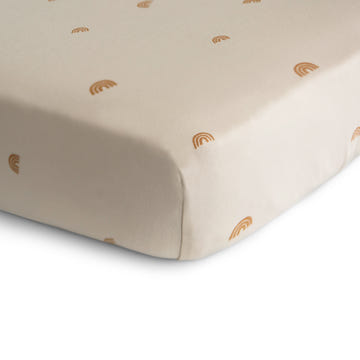
Mushie Stretchy MINI Crib Sheet Organic Cotton Pre-w...
$21.00
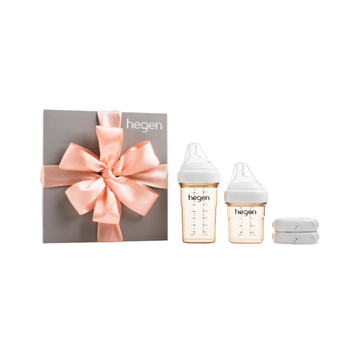
hegen PPSU Baby Bottle Starter Kit 150ml 240ml 0-6 m...
$59.99
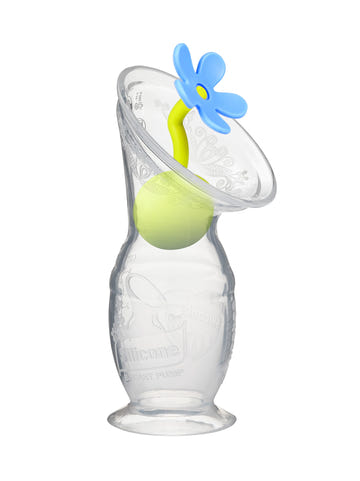
Haakaa Gen 2 Silicone Breast Pump 4 oz with Suction ...
$26.99
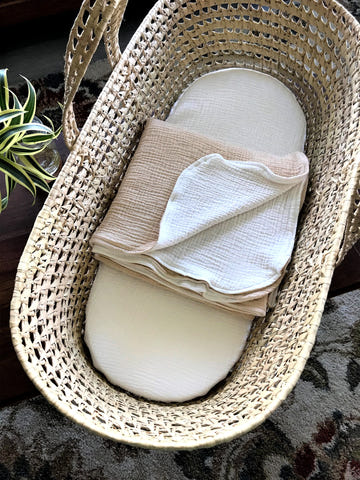
Wendy Anne Moses Basket with Organic Cotton Double G...
$299.00
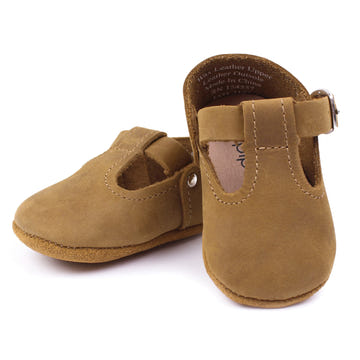
Piper finn Brown T-Strap Mary Jane Soft Sole
$21.99
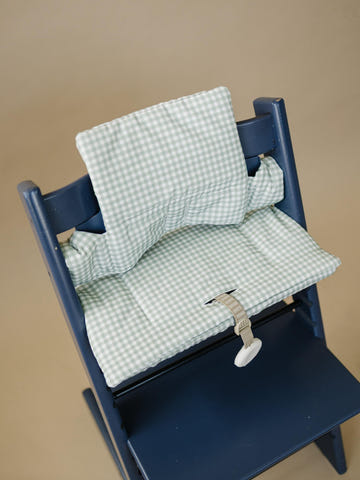
Little Joy Co Sage Green Gingham Cushion for Stokke ...
$37.00
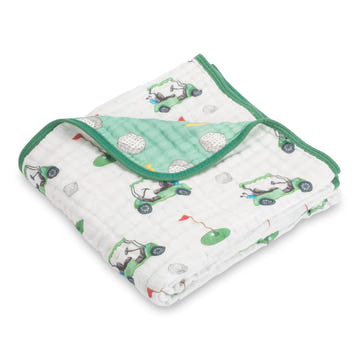
LollyBanks Golf A Round Quilt 47 x 47 inch Organic M...
$29.99
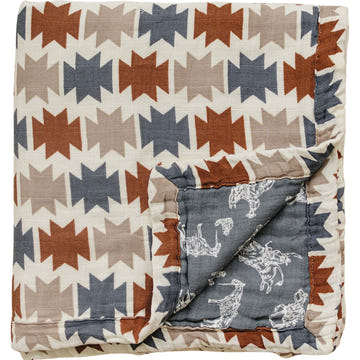
Mebie Baby Western Aztec Wild West Muslin Quilt 47x4...
$50.00
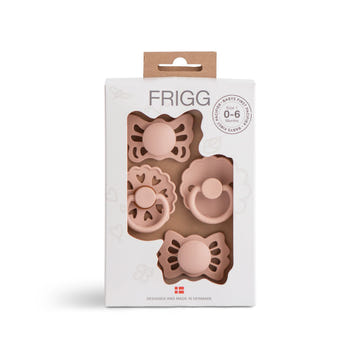
Mushie FRIGG Baby's First Pacifier Floral Heart Blus...
$19.99
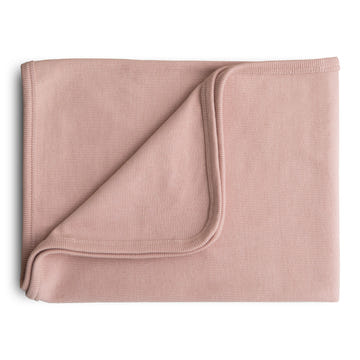
Mushie Ribbed Baby Blanket organic cotton lightweight
$24.99