


When you start digging into Arnicare gel reviews, you’ll see people talking a lot about bruises and sore muscles. But what is this stuff, really? At its core, Arnicare is a topical gel made from Arnica montana, a type of mountain daisy that’s been a staple in traditional remedies for centuries.
It’s essentially nature’s go-to for those everyday bumps, aches, and "oops" moments.
What Is Arnicare Gel and How Does It Work?
To make sense of the thousands of online reviews, it helps to understand what you’re actually putting on your skin. The key ingredient, Arnica montana, is a bright yellow flower that has long been harvested from the mountainsides of Europe and Siberia by herbalists.

The Arnicare gel you buy today is a modern, homeopathic version of those traditional remedies. This just means the active plant extracts are prepared through a specific dilution process. The idea is to capture the plant's beneficial properties in a gentle formula that you can apply right where it hurts.
Free US shipping over $100
Real essentials, picked by real moms
Take $15 off at checkout, applied automatically when you shop through this link.
Shop with BABY15 →Free US shipping over $100. Code applies automatically at checkout.
Before we dive deeper, here’s a quick overview of the product.
Arnicare Gel At a Glance
| Attribute | Description |
|---|---|
| Active Ingredient | Arnica montana, a perennial plant from the sunflower family. |
| Primary Uses | Commonly used for reducing the appearance of bruises and easing muscle pain and stiffness. |
| Product Form | A water-based, non-greasy, and fragrance-free topical gel. |
This table sums it up nicely: it's a plant-based gel for common physical discomforts.
The Theory Behind How Arnica Works
So, how is a flower supposed to help a bruise fade faster? Think of Arnicare gel as a helper for your body's own cleanup crew. After you bump your shin or overdo it at the gym, your body kicks off an inflammatory response. Blood and fluids rush to the site, which is what causes that familiar swelling, tenderness, and black-and-blue discoloration.
Arnicare is believed to support your body’s natural healing process. The thinking is that it helps manage that initial response, assisting in clearing away the trapped fluids and blood that cause bruising and soreness.
It's not about masking the pain, but rather about working with your body's systems to speed up recovery and get you back to feeling normal.
From a Mountain Flower to Your Medicine Cabinet
The journey from a flower on a mountainside to a tube of gel is a careful one. The key compounds are first extracted from the Arnica montana plant. From there, they undergo a homeopathic preparation involving precise dilution and a process called succussion (which is basically a fancy term for vigorous shaking).
This specific method is what classifies Arnicare as a homeopathic product. The final result is a gel that absorbs quickly without feeling greasy or sticky—a big reason why so many people find it easy to use.
And it’s clear people are catching on. The global market for Arnica homeopathic gels hit around USD 457.6 million recently. This isn't just a niche product anymore; it points to a much bigger trend of people looking for more natural wellness options. You can discover more market insights about arnica gels to see just how quickly this space is growing.
What Thousands of Arnicare Gel Reviews Really Say
If you've ever tried to make sense of online reviews, you know it can feel like sorting through chaos. To cut through the noise, we dug into thousands of real-world experiences with Arnicare gel to find the most reliable patterns. What we found is that for many people, it’s a go-to remedy for very specific, everyday problems.
One of the most common themes? Parents. They consistently call it a "must-have" for the inevitable bumps and bruises that come with life on the playground. They rave about how quickly it seems to take the edge off swelling and fade the tell-tale black-and-blue marks from minor tumbles, earning it a permanent spot in their first-aid kits. It’s a similar story for athletes and active folks who use it to ease post-workout muscle soreness, often saying it helps them get back in the game faster.
The Most Common Praises from Users
When people love Arnicare gel, they're usually very clear about what won them over. The positive reviews tend to circle back to a few key benefits that set it apart.
- Bruises, Bruises, Bruises: This is, hands down, the most celebrated benefit. From people recovering from minor cosmetic procedures to parents of rambunctious toddlers, the feedback is consistent: the gel appears to dramatically shorten the lifespan of a bruise and lessen its angry purple hue.
- Takes the Edge Off Aches: Many users report finding real relief from the kind of general muscle stiffness and aches you get after a long day or a tough workout. It's often described as a gentle but surprisingly effective answer to day-to-day soreness.
- Doesn't Feel Gross or Smell Weird: This might seem like a small thing, but it’s a huge deal for many. People love that the water-based gel absorbs quickly without leaving a greasy film or that strong, medicinal smell. It’s just easy and pleasant to use.
The growing popularity of arnica-based products isn't just anecdotal. The market itself tells a story of increasing demand.

When a market grows like this, it’s a clear sign that a lot of consumers are trying these natural remedies, finding value in them, and coming back for more.
Common Complaints and Criticisms
Of course, no product is a miracle cure, and the reviews for Arnicare gel are no exception. Looking at the negative feedback is crucial for getting a balanced picture. The biggest complaint is also the simplest: for some people, it just didn't do anything. They applied it as directed and felt no difference at all.
Another recurring point is that it seems to have its limits. While it gets high marks for minor issues, people dealing with severe or chronic pain—like deep joint pain from advanced arthritis—often say it barely made a dent. A few users also mentioned a slightly tacky feeling left on their skin, but this was far less common than praise for its non-greasy feel.
The big takeaway from all this feedback is that while most people have a positive experience, results are highly individual. It all depends on your body and what you're trying to treat.
In fact, when you look at the broad consumer trends in the arnica market, this becomes even clearer. Across different platforms, a solid report a noticeable improvement in pain and swelling for minor injuries. That’s a strong majority who feel it works as intended. This high satisfaction rate, when weighed against the minority who see little effect, gives you a pretty realistic idea of what to expect.
Picks From This Story
Picks related to this guide, ready to ship from Moogco.
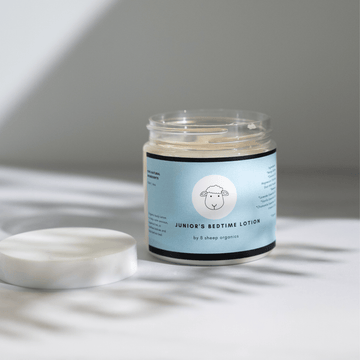
8 Sheep Organics Juniors Bedtime Lotion deep sea mag...
$23.00
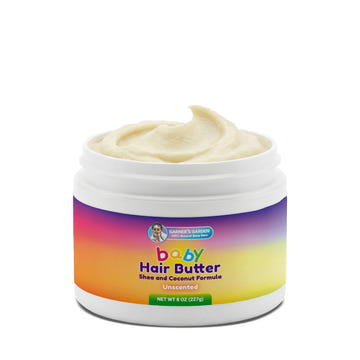
Garner's Garden Baby Hair Butter Unscented 100% All-...
$15.00
Happy Liver
$29.95
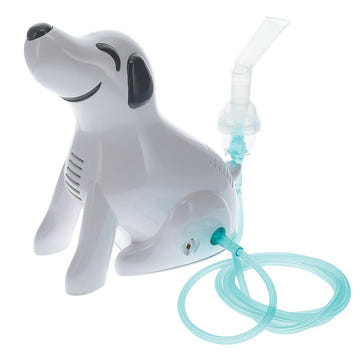
LL Medico BodyMed Pediatric Dog Compressor Nebulizer...
$29.99
Health Ranger Store Nascent Iodine 1 fl oz 2% Cap Lo...
$41.95
Health Ranger Store Clean Chlorella 200mg Tablets 2....
$15.95
What the Science Says About Topical Arnica
While thousands of glowing Arnicare gel reviews tell powerful personal stories, it's always smart to check how those experiences line up with clinical research. Diving into studies on herbal and homeopathic remedies can feel a bit murky, but when you look at the evidence for topical arnica, some clear patterns start to emerge.
For certain conditions, the science is actually quite promising. Research has shown that arnica applied to the skin can genuinely help reduce pain and improve movement for people dealing with osteoarthritis in their hands or knees. Some studies even found it worked about as well as non-steroidal anti-inflammatory drugs (NSAIDs) like ibuprofen, but often with a lower risk of side effects. This tracks perfectly with what you see in reviews from people managing daily joint stiffness.
Evaluating the Evidence on Soreness and Swelling
Another area where arnica seems to shine is in post-surgery recovery. Several studies have looked at its ability to minimize swelling, bruising, and pain after medical procedures. The results are a bit mixed but lean positive, suggesting it might help you bounce back a little faster from minor trauma.
But when it comes to that familiar ache after a tough workout—known as delayed-onset muscle soreness—the evidence gets weaker. Plenty of athletes swear by it, yet controlled studies have had a hard time proving it works much better than a placebo.
This brings up a really important point when we talk about arnica: the placebo effect. This isn't just "in your head"; it's a real, measurable phenomenon where simply believing a treatment will work can trigger a positive physical response.
"I have a lot of patients who like it. It’s not regulated by the FDA, and we don’t have much data about how well it works. But if you have a product that isn’t too expensive and it’s from a company you trust, it might be reasonable to try it." - Dr. Sarah Eby, Mass General Brigham Sports Medicine
That perspective from an expert really captures the situation well. Since homeopathic arnica is generally very safe to use on skin that isn't broken, the low risk makes it an experiment many people feel is worth trying.
What Does This Mean for You?
So, how should you interpret those Arnicare gel reviews? The scientific community seems to agree that arnica is most effective for localized problems like bruising, swelling, and arthritis pain. Its anti-inflammatory properties are where it has the most solid backing.
While the support for general muscle soreness is less robust, you can't just ignore the massive number of people who say it works for them. That could be the placebo effect in action, or it could be other factors we just don't fully understand yet.
If you're exploring natural ways to manage inflammation, you might also be interested in learning about the benefits of certain anti-inflammatory teas as another tool in your wellness kit.
At the end of the day, the science suggests that for specific uses, arnica gel is more than just an old folk remedy—it's a treatment with real, demonstrable benefits.
How to Use Arnicare Gel for the Best Results
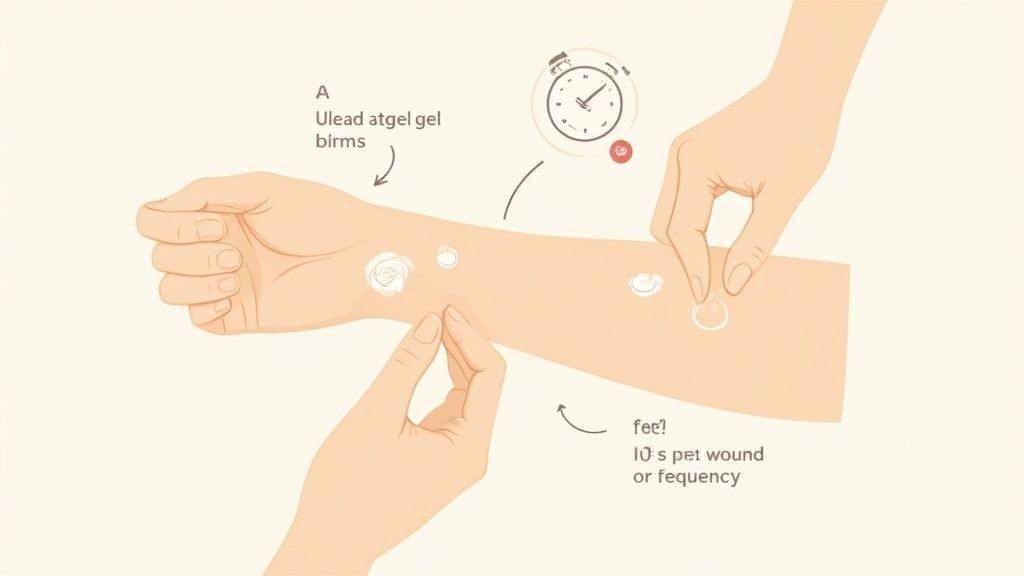
Getting the most out of Arnicare gel really comes down to how you apply it. It’s not like a body lotion you slather on; think of it as a targeted treatment. You only need a thin layer, so a little bit goes a long way.
Apply it directly to the area that’s bothering you and gently massage it in until your skin has soaked it all up. For most products, including Arnicare, the general advice is to apply it up to three times a day. If you’re dealing with a nasty bruise or persistent muscle soreness, using it consistently is your best bet.
Application Best Practices
Believe it or not, how you put the gel on can change how well it works for different issues. Here are a few tips to tailor your technique.
- For Bruises: The skin is already tender, so don't rub aggressively. Instead, gently dab the gel or spread it lightly over the discolored spot. The goal is to avoid causing any more irritation.
- For Muscle Aches: Here, a little massage can be a good thing. Work the gel into the sore muscle with light, circular motions. This helps get the circulation going while the gel absorbs.
- For Joint Stiffness: When a joint like your knee or elbow is stiff, you want to cover your bases. Apply the gel all the way around the joint—front, back, and sides—for more complete relief.
The single most important rule with Arnicare is simple: only apply it to unbroken skin. It’s not formulated for open cuts, scrapes, or wounds. Sticking to this prevents any unnecessary irritation and keeps you safe.
Common Mistakes to Avoid
Knowing what not to do is just as important as knowing what to do. Here are a couple of common mistakes to watch out for.
The biggest one is putting the gel too close to your eyes, mouth, or any other sensitive areas. It’s strictly for external use. It’s also a smart habit to wash your hands well right after you apply it so you don't accidentally rub it into your eyes later.
Lastly, remember that arnica has a specific job. It’s fantastic for things like bruising and muscle pain, but it isn't an all-purpose skin healer. If you're looking for something to protect a compromised skin barrier, a different product is needed. For that, you can check out our Aquaphor Healing Ointment review to see other options. Using the right tool for the job always gets the best results.
Is Arnicare Gel Right for You? Who Should—and Shouldn't—Use It
Before you grab any new health product, it's smart to figure out if it's a good fit for you. Arnicare gel is no different. While it's a go-to for many, it isn't the perfect solution for every single person or situation. Let’s break down who gets the green light and who should probably pause.
For the most part, Arnicare gel is a safe bet for run-of-the-mill aches, pains, and bruises. Think of athletes with sore muscles, seniors dealing with a bit of joint stiffness, or parents treating the usual bumps and tumbles from the playground. Since it's a topical gel, it works right where you put it, so the risk of it causing problems elsewhere in your body is quite low.
People Who Should Be Cautious
Even with a great safety track record, some people need to be a little more careful. The biggest heads-up is for anyone with a known allergy to plants in the Asteraceae family—you might know them better as the daisy family. Arnica is a member of this huge plant family, so if you're allergic to its relatives, you might react to it, too.
Take extra care if you have allergies to:
- Ragweed: A notorious trigger for hay fever.
- Marigolds: Those vibrant flowers in many gardens.
- Chrysanthemums: Another common decorative flower.
- Daisies: Arnica's closest cousins.
If you have any of these allergies, slathering on arnica could cause a skin reaction like a rash or some serious itching. A good rule of thumb is to do a small patch test on your skin first before going all-in on a larger area.
What About Pregnancy and Breastfeeding?
This is a huge question we see all the time, and the answer is all about playing it safe. The standard medical advice is to be cautious with pretty much all herbal remedies when you're pregnant or breastfeeding. Why? There just isn't enough solid research to say they're 100% safe for your baby.
Even though topical arnica isn't as easily absorbed into your bloodstream as an oral supplement, most doctors and midwives will tell you to steer clear unless they give you the specific go-ahead. When you're breastfeeding, everything you put in or on your body is a potential concern. For a deeper dive, check out our post on what to avoid while breastfeeding to help you make the best choices.
The golden rule here is simple: Always talk to your doctor or a pediatrician before using Arnicare gel if you are pregnant, planning to become pregnant, or breastfeeding.
At the end of the day, while countless reviews show Arnicare gel is a trusted staple in many medicine cabinets, its use should always be a personal decision. Steer clear of putting it on broken skin, keep potential allergies in mind, and you'll set yourself up for a safe and positive experience.
More Related Picks
A few more favorites from the same collection.
Health Ranger Store Groovy Bee Collagen Peptides Hyd...
$28.95
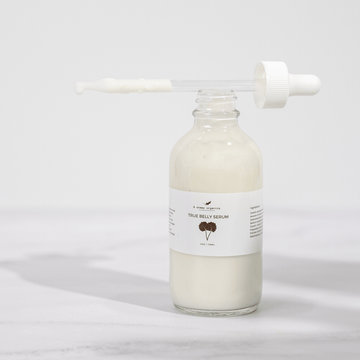
True Belly Serum
$47.00
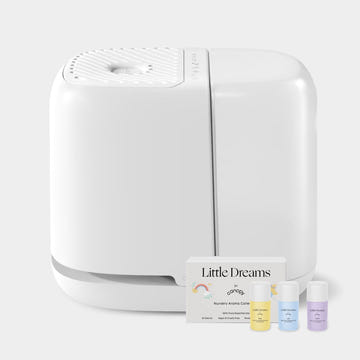
Canopy Nursery Humidifier 2.0 mold-inhibiting dishwa...
$159.00
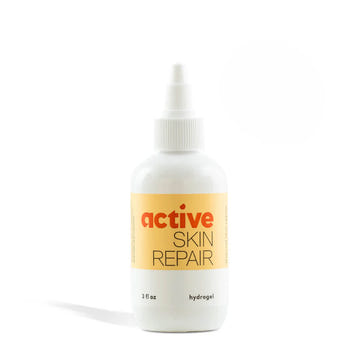
Repair Hydrogel
$34.97
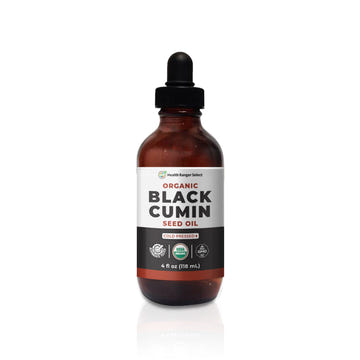
Health Ranger Store Organic Black Cumin Seed Oil 4oz...
$27.95

Happy Hormones
$29.95
What Else Is Out There? A Look at Alternatives to Arnica Gel
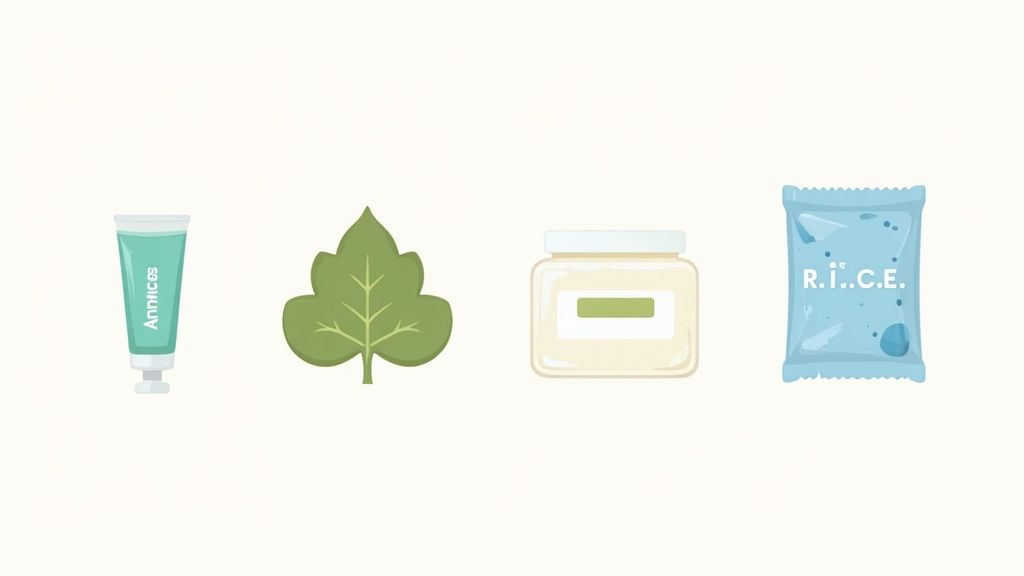
So, the reviews for Arnica gel have you feeling a bit hesitant. Or maybe you've tried it and it just wasn't for you. That's perfectly fine. The good news is that the world of topical relief is huge, with plenty of other options out there, from different herbal remedies to powerful over-the-counter creams that work in completely different ways.
It’s all about finding the right tool for the job. Diving into these alternatives can help you pinpoint exactly what your body needs, whether it's a different plant-based solution or a simple, time-tested technique that doesn't come in a tube.
Other Gels, Creams, and Ointments
You'll often find that some of the most effective topical products don't rely on just one ingredient. Many popular formulas blend arnica with cooling agents like menthol, creating a one-two punch that both soothes and numbs the area. It’s no surprise that the global market for these combination gels is actually bigger than the market for arnica alone, which tells you a lot about what people find effective.
Here are a few common active ingredients you'll see on the shelf:
- Menthol or Camphor: Ever feel that icy-hot sensation? That’s these guys at work. They create a cooling or warming feeling on the skin that essentially distracts your brain from the real pain signals. It’s a classic counter-irritant strategy, and it works.
- Capsaicin: This is the compound that gives chili peppers their heat. When used in a cream, it works by interfering with the pain messengers in your nerve cells. It's often recommended for nerve pain and arthritis, but be warned—it can feel pretty spicy at first!
- Comfrey: Like arnica, comfrey is an old-school herbal remedy. It contains compounds that are thought to help with pain and inflammation, making it a common ingredient in ointments for sprains and osteoarthritis.
While gels and creams are great for immediate relief, some people with more stubborn pain might look into other options like trigger point injections for pain relief, which offer a more targeted approach.
Back to Basics: Non-Product Solutions
Sometimes, the best answer doesn't involve a product at all. For fresh injuries like a sprain or a bad bump, you can't beat the tried-and-true R.I.C.E. method. It’s been the gold standard in first aid for decades for a reason.
R.I.C.E. stands for Rest, Ice, Compression, and Elevation. This simple, four-step process is designed to reduce swelling, ease pain, and protect the injured area to promote faster healing.
It’s a powerful first line of defense that costs nothing and can be started the moment an injury happens.
This back-to-basics approach is especially important for people who need to be extra cautious, like breastfeeding mothers. Physical solutions are often the safest bet. For related concerns, like finding gentle products for postpartum care, you can check out our guide on the https://moogcobaby.com/blogs/moogco-baby-journal/best-nipple-cream-for-breastfeeding for more safe and effective ideas.
Common Questions About Arnicare Gel
Even after sifting through dozens of reviews, you probably still have a few questions. Let's get into the practical side of things with some straight answers to what people ask most often.
How Fast Does Arnicare Gel Actually Start Working?
This is the big question, isn't it? The answer really depends on you and what you're using it for. Many people feel a difference with minor muscle aches and soreness pretty quickly—often within 30 minutes to a couple of hours.
When it comes to bruising, you're playing a longer game. You'll likely see a noticeable change in the swelling and color within 24 to 48 hours. Think of it less like an instant painkiller and more like a helping hand for your body's own healing crew.
Is It Safe to Use Arnicare Gel While Breastfeeding?
This is a really important one for new moms. The honest answer from most medical professionals is to be cautious. There just isn't enough solid research to say with 100% certainty that it's safe for your baby.
While arnica gel is applied to the skin and doesn't get absorbed into the bloodstream in large amounts, the "better safe than sorry" rule applies. It's always best to have a quick chat with your doctor before using it. For proven ways to manage discomfort, check out our guide to nipple care during breastfeeding.
Can I Use Arnicare Gel if I'm Taking Other Pain Meds?
Generally, yes. Using Arnicare gel on your skin while also taking an oral pain reliever like ibuprofen or Tylenol is considered safe. The gel works locally and isn't known to cause issues with medications you swallow.
The one thing to watch out for is mixing it with other topical creams. Unless your doctor gives you the green light, avoid layering different products on the same spot, as you might wind up with irritated skin.
Does Arnicare Gel Have a Strong Smell?
Nope! This is one of its biggest selling points. Arnicare gel is fragrance-free. At most, you might notice a very faint, clean scent when you first put it on, but it vanishes almost instantly. It's a great alternative if you can't stand the overwhelming medicinal smell of products packed with menthol or camphor.
For a natural, chemical-free solution designed to soothe and protect during your breastfeeding journey, trust MoogCo. Our Original Silver Nursing Cups offer gentle, effective relief and are safe for both mom and baby.
Frequently Asked Questions About Arnicare Gel
How long does it take for Arnicare gel to work?
Most users report seeing results within 24-48 hours of application. For bruises, you may notice reduced discoloration within the first day, while muscle soreness typically improves after 2-3 applications.
Is Arnicare gel safe to use daily?
Yes, Arnicare gel is generally safe for daily use as directed. However, discontinue use if you experience skin irritation or allergic reactions. Consult your healthcare provider if you have sensitive skin or are using other topical medications.
Can I use Arnicare gel on open wounds?
No, Arnicare gel should only be applied to intact skin. Avoid using it on open cuts, wounds, or broken skin. It's designed specifically for bruises, muscle aches, and minor injuries where the skin barrier is unbroken.
Bring this guide home with $15 off.
Use code BABY15 for $15 off →
Featured pick from Moogco
French Terry Racerback Nursing & Sleep Bra | Beige
$39.90
Shop this pick → Frequently Asked Questions
Can I apply Arnicare gel directly to an open cut or scrape?
No, Arnicare gel should never be applied to broken skin, open wounds, or cuts. It's designed only for intact skin over bruised or sore areas. If your little one has a scrape along with a bruise, keep the gel away from the broken skin and apply it only to the surrounding bruised tissue. Always clean and properly dress any open wounds first.
How many times a day should I apply Arnicare gel for best results?
Most people see the best results when they apply Arnicare gel three times daily to the affected area. You can gently massage a thin layer into the skin as soon as possible after the injury, then reapply morning, midday, and evening. Consistency is key, especially in the first 48 hours when bruising and swelling are developing. Always follow the product label directions for specific guidance.
Will Arnicare gel stain my clothes or bedding?
Because Arnicare is a water-based, clear gel that absorbs quickly, it typically doesn't stain fabrics the way ointments or oil-based products can. Most users report no issues with staining on clothing or sheets. That said, it's always smart to let it fully absorb and dry before getting dressed or hopping into bed, just to be safe.
Is there an age limit for using Arnicare gel on children?
Arnicare gel is generally considered safe for children over the age of two when used as directed on intact skin. For babies and toddlers under two, it's best to check with your pediatrician first before applying any topical remedy. Many parents keep it on hand for playground bumps once their kids are a bit older and more active.
Can I use Arnicare gel on my face or near my eyes?
You can use Arnicare gel on your face for bruises or minor bumps, but you need to be very careful to avoid the eye area, mucous membranes, and lips. If you're treating a bruise near your eye from an injury, apply it gently to the surrounding cheek or brow bone, not directly on the eyelid or too close to the eye itself. Wash your hands thoroughly after applying.
Does Arnicare gel expire, and how should I store it?
Yes, like most topical products, Arnicare gel does have an expiration date printed on the tube. For best results and safety, use it before that date and store it at room temperature, away from direct sunlight and heat. Keep the cap tightly closed when not in use. An expired tube may lose effectiveness, so it's worth checking dates, especially if it's been sitting in your medicine cabinet for a while.
Can I combine Arnicare gel with ice packs or heating pads?
Absolutely, and many people find this combination helpful. You can apply ice in the first 24 to 48 hours to reduce swelling, then use Arnicare gel after icing to support healing. For muscle stiffness, some people alternate between the gel and a warm compress. Just make sure your skin is dry before applying the gel, and never apply it under an occlusive bandage or wrap without medical advice.
What should I do if I accidentally swallow some Arnicare gel?
Arnicare gel is for external use only and should never be swallowed. If you or your child accidentally ingests it, contact Poison Control immediately at 1-800-222-1222 or seek medical attention right away. Keep the tube out of reach of young children, and always supervise application if you're using it on kids to prevent accidental ingestion.
From Moogco Studio
Printable and personalized nursery essentials. Designed by moms for moms.


About the Editor
Eda Ulger is the editor at Moogco Baby and a mom of two. She curates and edits our guides so every piece is honest, practical, and genuinely helpful for the early days of motherhood.
Shop This Story
Picks related to this guide, ready to ship from Moogco.
8 Sheep Organics Organic Sleepy Body Lotion for Preg...
$29.00
Kiyamel Baby Balm Natural Diaper Rash Cream 8 oz
$49.99
Garner's Garden Baby Cocoa Butter whipped moisturizi...
$10.00
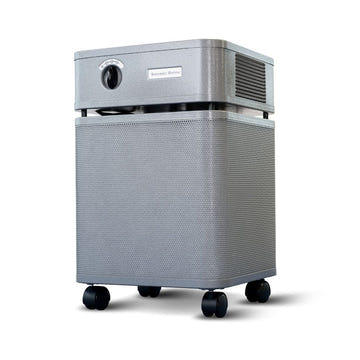
Austin Air Immunity Machine
$1,145.00
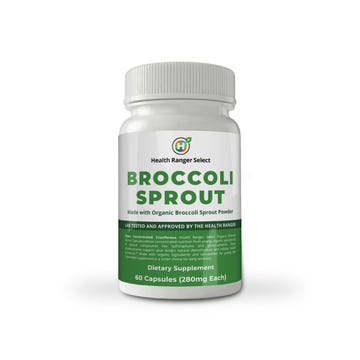
Health Ranger Store Broccoli Sprout Capsules 60 Orga...
$26.95
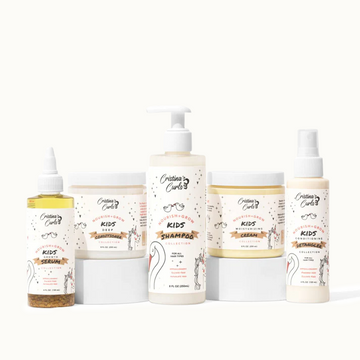
Nourish + Grow Essentials Set
$120.00
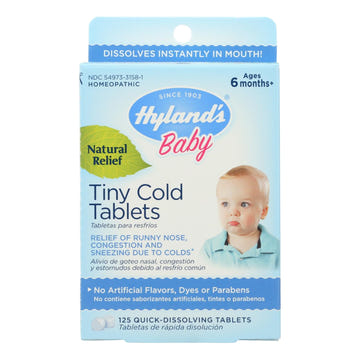
Cozy Farm Hyland's Baby Tiny Cold Tablets 125 Count
$16.88
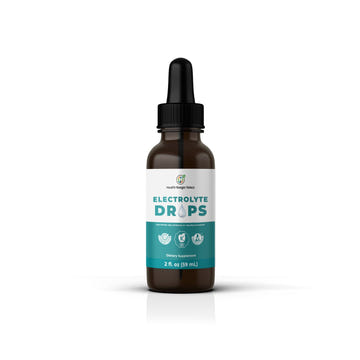
Health Ranger Store Electrolyte Drops 2 fl oz travel...
$12.95
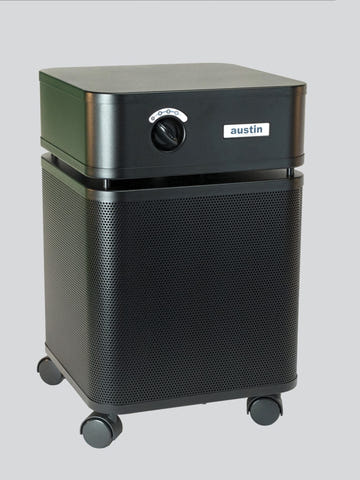
Austin Air Healthmate
$845.00
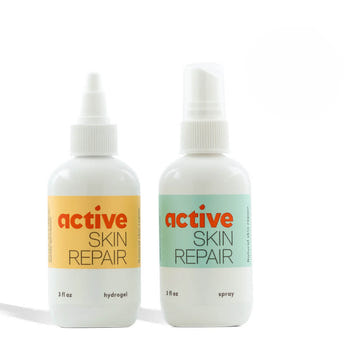
Skin Repair Double Pack
$59.97