


You've nailed the bedtime routine, the room is dark, the white noise is humming—so why does your baby fight sleep like it's an Olympic sport? Here's what most parents don't realize: timing matters more than the routine itself. Keep your baby awake too long and you've missed the sweet spot. Put them down too soon and they're just not tired. Welcome to baby awake windows, and yes, they're the game-changer you didn't know you needed.
Quick Answer: Baby awake windows are the optimal stretches of time your baby can stay awake between sleep periods without becoming overtired. Newborns start with 45-60 minutes, gradually increasing to 2-3 hours by 6 months and 3-5 hours by 12 months. Nail the timing and you'll prevent those cortisol spikes that lead to bedtime battles and night wakings.
What Are Baby Awake Windows (And Why Do They Matter)?
Baby awake windows are the amount of time your baby can handle being awake between one sleep and the next without entering an overtired state. Think of it as your baby's built-in sleep timer—when it goes off, it's time for a nap.

Here's why they matter: when you miss that window, your baby's body releases cortisol (the stress hormone). That cortisol spike makes it harder to fall asleep, not easier. You know that moment when your baby seems suddenly wired and fights sleep for 45 minutes? That's cortisol doing its thing.
Safe sleep, sweeter nights
Better baby sleep starts here
Take 25% off at checkout, applied automatically when you shop through this link.
Shop with READER25 →Free US shipping over $100. Code applies automatically at checkout.
Get the awake windows right, though, and bedtime becomes smoother. Naps get longer. Night sleep stretches out. .
Real talk: every baby is different. These windows are starting points tested by parents, not rigid rules. Some babies need 15 minutes more, some need 15 minutes less. You're looking for patterns, not perfection.
Baby Awake Windows by Age: The Complete Chart (Newborn to 12 Months)
Babies can typically stay awake for progressively longer periods as they mature. We're talking 45-60 minutes for newborns, extending to 3-4 hours by their first birthday.
Here's how long your baby can handle at each stage:
- 0-4 weeks: 45-60 minutes
- 1-2 months: 60-90 minutes
- 3-4 months: 75-120 minutes
- 5-6 months: 2-3 hours
- 7-9 months: 2.5-3.5 hours
- 10-12 months: 3-4 hours
Here's what makes this tricky: the first awake window of the day (from wake-up to first nap) is usually the shortest. Your baby wakes up already a little tired. The stretch between naps tends to be the longest. And that final window from last nap to bedtime? Right in the middle.
For example, a 6-month-old might do 2 hours, then 2.5 hours, then 3 hours before bed. See how they gradually stretch throughout the day?
These averages come from real parents navigating real life. Use them as your starting point, then adjust based on what your baby tells you.
How to Spot Your Baby's Sleep Window (Before It's Too Late)
Your baby's sleep readiness shows through predictable cues that appear in three distinct stages. Early detection is everything for successful nap transitions.
Here are the 3 stages of sleep cues to watch for—in order of urgency:
1. Early cues (you've got time): Zoning out, staring into space, less engaged with toys, quieter than usual, movements slowing down. This is your green light. Start the pre-nap routine now.
2. Mid cues (window's closing): Yawning, pulling ears, rubbing eyes, clingier than usual, decreased activity. You're in the sweet spot. Get them to sleep in the next 10 minutes.
3. Late cues (you've missed it): Fussing, arching back, crying, or—the sneakiest one—a sudden burst of hyperactive energy. That second wind? It's not your baby getting less tired. It's cortisol kicking in. You're now working against biology.
The overtired trap is real. When babies push past their window, they don't just fall asleep harder—they sleep worse. Shorter naps. More night wakings. Crankier wake-ups.
Track your baby's cues for 3-5 days. Write down when they naturally show sleepy signs. You'll spot their personal rhythm faster than you think. Been there, and once you see the pattern, everything clicks.
Picks From This Story
Picks related to this guide, ready to ship from Moogco.

Swaddelini Grey Swaddle Sleep Sack 3D Knit Seamless ...
$54.95

Swaddelini Lavender Swaddle Sleep Sack 3D knit light...
$54.95

Swaddelini Pink Swaddle Sleep Sack 3D Knit Seamless
$54.95

Swaddelini Blue Swaddle Sleep Sack 3D Knit Seamless
$54.95

Swaddelini Orange Swaddle Sleep Sack 3D Knit Seamless
$54.95
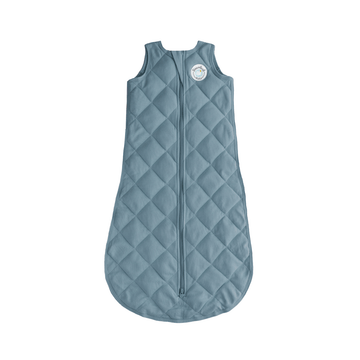
Dreamland Baby Dream Weighted Sleep Sack 1.0 TOG 68-...
$109.00
Newborn Awake Windows (0-3 Months): Start Here
Newborn awake windows last just 45-90 minutes maximum. That includes feeding time, diaper changes, and any brief play or interaction.
We're talking shockingly short windows. If your 3-week-old nurses for 30 minutes, you've got maybe 15-30 minutes of actual "awake" time before they need to sleep again.
Don't panic if there's barely any playtime. This stage isn't about tummy time marathons or developmental milestones. It's survival mode. If your baby naps in the swing, the stroller, or on your chest—and everyone's safe—you're doing it right.
Want to gradually extend those windows? Try adding 5 minutes every few days. Go from 45 to 50 minutes. Then 55. Let your baby lead. If they're melting down, you've pushed too far.
Here's the thing nobody tells you: safe sleep beats perfect awake windows every time. If your baby falls asleep nursing and you can't transfer them to a safe space immediately, don't spiral. Do what you need to do. This stage doesn't last forever.
Our Moogco Baby muslin swaddles (trusted by 200,000+ cups sold) can help signal sleep time—making that tiny awake window transition smoother when you're ready.
The 4-Month Sleep Regression and Awake Window Shifts
The 4-month sleep regression hits when your baby's brain matures from newborn sleep patterns to adult-like sleep cycles. That means longer awake windows of 90-120 minutes instead of the previous 60-75 minutes.
Right when you think you've figured it out, this regression hits like a freight train. Your baby who slept beautifully suddenly wakes every 90 minutes. Naps fall apart. You question everything.
Here's what's actually happening: your baby's sleep cycles are shifting through neurological development. It's biological, not something you caused.
The fix? Awake windows need to stretch. That 60-75 minute window that worked last week? Now you're looking at 90-120 minutes. Your baby can physically handle more awake time, and their body needs it to build enough sleep pressure.
This is also when most babies are ready to drop the swaddle. Arms want out. Rolling starts soon. If you're still swaddling, now's the time to transition. (Check out our sleep gear rated 4.8 stars by parents who've been exactly where you are.)
The routines that worked last month won't work now. That's not failure—it's your baby growing. This regression typically lasts 2-4 weeks. Adjust those windows, stay consistent, and you'll get through it. You've got this.
When Awake Windows Go Wrong: Troubleshooting Guide
Incorrect awake window timing shows up in two distinct patterns: undertiredness when windows are too short, and overtiredness with cortisol spikes when windows are too long.
If awake windows are too short: Your baby won't actually be tired enough to sleep. They'll fight the nap, take forever to fall asleep, or wake up after 20 minutes looking around like "why am I in here?" Stretch the window by 10-15 minutes and try again tomorrow.
If awake windows are too long: Total meltdown city. Your baby takes 30+ minutes to fall asleep because they're overstimulated. Naps are short and restless. Night wakings increase. You'll see more crying, arching, and that glazed-over exhausted look. Shorten the window next time.
Here's the frustrating part: growth spurts, sleep regressions, teething, and illness throw everything off. When your baby's going through something, their sleep needs change temporarily. They might need shorter windows for a few days, or longer ones. Roll with it.
Daylight savings and travel? Total chaos. Give yourself a week to adjust and don't expect perfection.
. This is the most common timing mistake. When in doubt with a young baby, go shorter.
What Is the Difference Between Awake Windows and Sleep Training?
Awake windows are biology-based timing markers that indicate when your baby's body is ready for sleep. Sleep training refers to behavioral methods that teach independent sleep skills. Two completely separate concepts that work independently or together.
Awake windows = biology. They're about how long your baby's body can physically handle being awake before sleep pressure builds. This is science, not parenting philosophy.
Sleep training = behavior. It's about teaching your baby to fall asleep independently using a specific method (cry it out, Ferber method, chair method, pick-up-put-down, whatever fits your family).
You can absolutely follow awake windows without sleep training. Nurse to sleep. Rock to sleep. Contact nap all day. Awake windows just tell you when to start that process so your baby's actually ready for it.
Here's the bonus: if you do choose to sleep train later, nailing awake windows first makes any method work better. You're putting a tired baby down at the right time, not fighting against biology.
No judgment here. Bed-sharing parents, crib-sleeping parents, cry-it-out families, attachment parenting families—awake windows help everyone. Use what works for your family.
More Related Picks
A few more favorites from the same collection.

8 Sheep Organics Juniors Bedtime Lotion deep sea mag...
$23.00

Sell My Stuff Elephant Plush Baby Sleep Pillow 30 35...
$40.00

Xander Bunny — Lavender Stuffed Bunny | Weighted Cal...
$45.00
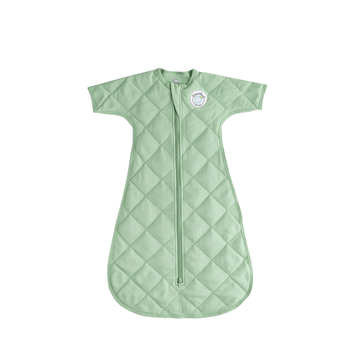
Dreamland Baby Dream Weighted Transition Swaddle arm...
$109.00

Little Martin's Drawer 100% Organic Cotton Sleep Sac...
$38.00
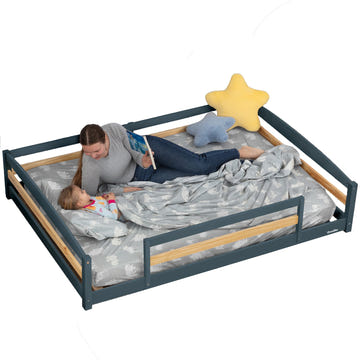
Full-Size Montessori Floor Bed Strong Slatted Frame
$259.99
What About Toddlers? Awake Windows After 12 Months
Toddler awake windows extend to 4-6 hours after the first birthday. Most children transition from two naps to one between 12-18 months before eventually dropping naps entirely around age 3-4.
Good news: awake windows get way easier after the first year. Your toddler's schedule becomes more predictable, and you're not watching the clock every 90 minutes.
12-18 months: 4-5 hour awake windows. Most toddlers are transitioning from two naps to one during this stage. You'll know it's time when the morning nap keeps pushing later, or afternoon nap becomes a battle.
18 months - 3 years: 5-6 hour awake windows with one glorious afternoon nap (usually 1-3 hours). This is the golden age of toddler sleep—enjoy it.
Signs your toddler's ready to drop a nap: taking 30+ minutes to fall asleep at naptime, skipping naps altogether without being cranky, or suddenly fighting bedtime when they used to go down easily.
Around age 3-4, awake windows stop mattering as much. Most kids drop naps entirely, and you're just aiming for a consistent bedtime. But for those first 12-18 months? Awake windows by age are your secret weapon.
How to Make Awake Windows Work in Real Life: 5 Parent-Tested Strategies
Real-world implementation of awake windows requires flexibility, consistency, and practical workarounds for multiple children, daycare schedules, and unpredictable daily routines.
Here are 5 strategies that actually work from parents in our community:
1. Multiple kids? Anchor to your baby's schedule. You can't perfectly sync everyone. Pick your baby's ideal awake window as the anchor, then work older kids' activities around it as much as possible. Some days will be messy. That's parenting.
2. Communicate with daycare. Share your baby's awake windows with caregivers. Most good daycares already follow age-appropriate schedules, but a quick heads-up helps everyone stay on the same page. Print the chart from this post if it helps.
3. Use the 15-minute grace rule. If your baby's window is 90 minutes but they seem fine at 105 minutes, don't stress. These aren't exact countdowns. Watch your baby more than the clock.
4. Set a pre-window timer. Use your phone timer or a simple tracking app. Note the time when baby wakes up, set a timer for 15 minutes before the window closes, and use that as your "start winding down" cue.
5. Progress over perfection, always. Some days you'll nail it. Some days you'll be at Target during the perfect nap window and your baby will sleep in the car seat. Both are fine.
For more realistic parenting tips, check out our parent journal where real moms share what actually works in 2026.
| Age | Awake Window | Number of Naps | What to Watch For |
|---|---|---|---|
| 0-4 weeks | 45-60 minutes | 4-6 naps | Feeding takes up most of awake time; sleepy cues are subtle |
| 1-2 months | 60-90 minutes | 4-5 naps | More alert periods; still sleeping most of the day |
| 3-4 months | 75-120 minutes | 3-4 naps | 4-month sleep regression; dropping swaddle; longer stretches between naps |
| 5-6 months | 2-3 hours | 3 naps | More consistent schedule emerging; may start solid foods |
| 7-9 months | 2.5-3.5 hours | 2-3 naps | Crawling/movement affects sleep; transitioning to 2 naps |
| 10-12 months | 3-4 hours | 2 naps | More independence; longer wake periods; bedtime may shift earlier |
Frequently Asked Questions
What happens if I miss my baby's awake window?
Your baby gets overtired, and their body produces cortisol (the stress hormone). That cortisol makes it way harder for them to fall asleep and stay asleep—leading to shorter naps, longer bedtime battles, and more night wakings. You'll often see a "second wind" where your baby seems suddenly hyperactive. That's not them getting less tired—it's cortisol making them wired. The good news? One missed window won't ruin everything. Just aim for better timing at the next sleep opportunity.
Are awake windows the same for all babies the same age?
Nope. These are averages tested by parents, not one-size-fits-all rules. Some babies need 15-20 minutes more or less based on temperament, sleep quality, and development. A baby who takes long, restorative naps can often handle slightly longer awake windows. A baby who catnaps might need shorter ones. Track your baby's patterns for a few days—they'll show you what they need.
How do I know if my baby's awake window is too long?
You'll see your baby fighting sleep for 20+ minutes, taking very short naps (under 30 minutes), showing increased fussiness, and waking more frequently overnight. They might also get a burst of hyper energy right before they crash. If you're consistently seeing these signs, shorten the awake window by 10-15 minutes and see if sleep improves within 2-3 days.
Should I wake my baby to protect awake windows?
Generally yes for daytime naps—if a single nap stretches past 2-3 hours, wake your baby to protect nighttime sleep. Long day naps can steal sleep from the night. The exception: newborns under 6 weeks should sleep as much as they need during the day (unless your pediatrician has advised otherwise for weight gain reasons). Never wake a sleeping newborn just to hit a "perfect" schedule.
Do awake windows include feeding time?
Yes. Awake time starts the moment your baby's eyes open. That includes diaper changes, feeding, play, tummy time, and the wind-down routine before the next sleep. For newborns, feeding might take up 30-40 minutes of a 60-minute window. That's completely normal. You're not doing anything wrong if there's barely any playtime left.
When do babies outgrow awake windows?
Around age 3-4, when most kids drop naps entirely. After that, you're just aiming for a consistent bedtime rather than tracking wake windows throughout the day. But during those first three years—especially the first 18 months—awake windows by age are one of the most useful tools you'll have for preventing sleep battles.
Can I use awake windows if I'm not sleep training?
Absolutely. Awake windows are about biology and timing, not sleep methods or parenting philosophy. They work whether you're doing contact naps, bed-sharing, nursing to sleep, rocking to sleep, or using a crib. Following awake windows just means you're starting your preferred sleep routine at a time when your baby's body is actually ready for rest. No cry-it-out required.
You've Got the Tools—Now Trust Your Gut
Here's what matters most: you know your baby better than any chart, app, or expert ever will. Use these awake windows by age as your starting point, then adjust based on what you're seeing. Some days you'll nail it. Some days will be a beautiful disaster. Both are part of this journey.
The parents in our community (200,000+ strong and growing) consistently tell us that tracking awake windows for just one week changed their entire sleep game. Less guessing, fewer battles, more confidence. You don't need to be perfect—you just need to be consistent enough to spot the patterns.
Want to make those wake windows even smoother? Shop our parent-tested sleep gear rated 4.8 stars—from Moogco Baby muslin swaddles that make the newborn stage easier to breathable bamboo blankets that grow with your baby. Real products that work, backed by real parents who've been exactly where you are. Grab yours here and get back to what matters: less worry, more wonder.
Bring this guide home with 25% off.
Use code READER25 for 25% off →
Featured pick from Moogco
Swaddle Blanket Organic Cotton Double Gauze - Breathable for Newborns
$49.00
Shop this pick → Frequently Asked Questions
What happens if I miss my baby's awake window?
Your baby gets overtired, and their body produces cortisol (the stress hormone). That cortisol makes it way harder for them to fall asleep and stay asleep, leading to shorter naps, longer bedtime battles, and more night wakings. You'll often see a second wind where your baby seems suddenly hyperactive. That's not them getting less tired, it's cortisol making them wired. The good news? One missed window won't ruin everything. Just aim for better timing at the next sleep opportunity.
Are awake windows the same for all babies the same age?
No. These are averages tested by parents, not one-size-fits-all rules. Some babies need 15-20 minutes more or less based on temperament, sleep quality, and development. A baby who takes long, restorative naps can often handle slightly longer awake windows. A baby who catnaps might need shorter ones. Track your baby's patterns for a few days, they'll show you what they need.
How do I know if my baby's awake window is too long?
You'll see your baby fighting sleep for 20+ minutes, taking very short naps (under 30 minutes), showing increased fussiness, and waking more frequently overnight. They might also get a burst of hyper energy right before they crash. If you're consistently seeing these signs, shorten the awake window by 10-15 minutes and see if sleep improves within 2-3 days.
Should I wake my baby to protect awake windows?
Generally yes for daytime naps, if a single nap stretches past 2-3 hours, wake your baby to protect nighttime sleep. Long day naps can steal sleep from the night. The exception: newborns under 6 weeks should sleep as much as they need during the day (unless your pediatrician has advised otherwise for weight gain reasons). Never wake a sleeping newborn just to hit a perfect schedule.
Do awake windows include feeding time?
Yes. Awake time starts the moment your baby's eyes open. That includes diaper changes, feeding, play, tummy time, and the wind-down routine before the next sleep. For newborns, feeding might take up 30-40 minutes of a 60-minute window. That's completely normal. You're not doing anything wrong if there's barely any playtime left.
When do babies outgrow awake windows?
Around age 3-4, when most kids drop naps entirely. After that, you're just aiming for a consistent bedtime rather than tracking wake windows throughout the day. But during those first three years, especially the first 18 months, awake windows by age are one of the most useful tools you'll have for preventing sleep battles.
Can I use awake windows if I'm not sleep training?
Absolutely. Awake windows are about biology and timing, not sleep methods or parenting philosophy. They work whether you're doing contact naps, bed-sharing, nursing to sleep, rocking to sleep, or using a crib. Following awake windows just means you're starting your preferred sleep routine at a time when your baby's body is actually ready for rest. No cry-it-out required.
How do I adjust awake windows during daylight savings time?
Shift your baby's schedule gradually by 10-15 minutes every 2-3 days leading up to the time change, rather than making a sudden one-hour jump. On the actual day of the switch, use your baby's sleepy cues as your primary guide and temporarily shorten awake windows by 10-15 minutes if they seem overtired. Most babies adjust fully within 5-7 days, so give yourself grace during the transition and expect some temporary sleep disruption.
From Moogco Studio
Printable and personalized nursery essentials. Designed by moms for moms.


About the Editor
Eda Ulger is the editor at Moogco Baby and a mom of two. She curates and edits our guides so every piece is honest, practical, and genuinely helpful for the early days of motherhood.
Shop This Story
Picks related to this guide, ready to ship from Moogco.
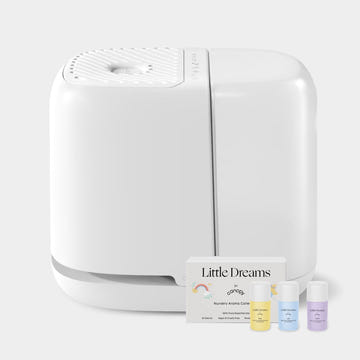
Canopy Nursery Humidifier 2.0 mold-inhibiting dishwa...
$159.00

Burt's Bees Baby Beekeeper Wearable Blanket
$24.95
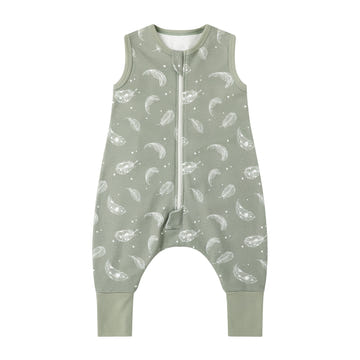
100% Organic Cotton 1.0 Tog Sleeping Bag with Legs S...
$30.00
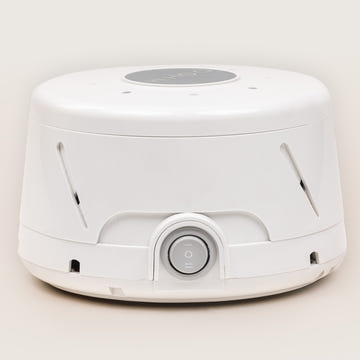
Dohm Classic
$49.99

Healthy Horizons Miracle Blanket one-size swaddle 10...
$32.95
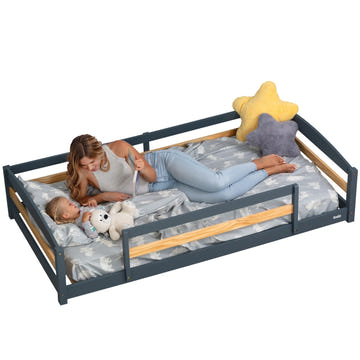
Twin Montessori-Inspired Floor Bed with Guardrails
$199.99

WildBird Dove CloudBlend Sleep Sack TOG 1 Blue grey
$44.00

Hubble Connected Hubble Dream+ Comfort Cloud Sleep S...
$124.99
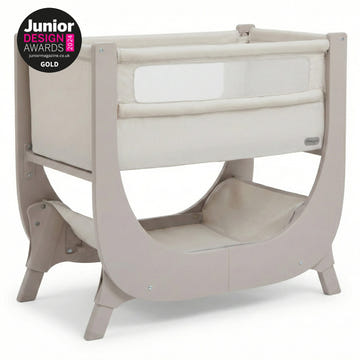
Shnuggle Air Lite Bedside Bassinet | Infant Crib | H...
$295.00

Little Martin's Drawer 100% Organic Cotton Sleep Sac...
$38.00