


Bathing your baby is a precious bonding moment, filled with coos, giggles, and the gentle care your little one needs. However, for new parents, the first few baths can feel intimidating. Knowing the basics and preparing properly can make bath time an enjoyable and safe experience for both you and your baby.
When to Start Bathing Your Baby
For newborns, sponge baths are recommended until the umbilical cord stump falls off, usually within the first two weeks. Once it heals, you can begin giving your baby gentle baths in an infant tub or sink.
What You’ll Need for Bath Time
To ensure bath time goes smoothly, gather everything you’ll need beforehand:
- Baby bath tub or a clean sink lined with a soft towel.
- Mild baby soap and shampoo (optional and not necessary every bath).
- Soft washcloths.
- A cup for rinsing.
- Soft hooded towel for drying.
- Clean diaper and fresh clothes.
Step-by-Step Guide to Bathing Your Baby
1. Prepare the Space
Choose a warm room without drafts and have all your supplies within arm’s reach. Fill the tub or sink with 2-3 inches of lukewarm water (about 37°C/98.6°F). Always test the water with your wrist or elbow—it should feel warm but not hot.
2. Undress Your Baby
Gently undress your baby and wrap them in a towel to keep them warm while you begin the bath.
3. Start with the Face
Using a soft, damp washcloth, clean your baby’s face first, paying special attention to the eyes, nose, and behind the ears. Use plain water for the face to avoid irritation.
4. Wash Hair (If Needed)
Support your baby’s head with one hand and use a damp washcloth or a small cup to gently wet their hair. Apply a small amount of baby shampoo, lather lightly, and rinse with clean water.
5. Wash the Body
Unwrap the towel and lower your baby into the water, keeping one hand on their back and head for support. Use a soft washcloth to clean their body, focusing on folds in the neck, arms, and legs where sweat or milk might collect.
6. Rinse Thoroughly
Use a cup or your hand to pour water gently over your baby’s body, ensuring all soap is rinsed away.
7. Dry and Dress
Lift your baby out of the tub, supporting their head and neck, and immediately wrap them in a soft hooded towel. Pat them dry gently, paying extra attention to skin folds. Diaper and dress them promptly to keep them warm.
Safety Tips for Bathing
- Never leave your baby unattended. Even a few inches of water can be dangerous.
- Use a firm grip, as babies can be slippery when wet.
- Keep baths short—around 5-10 minutes is enough.
The Role of Moogco Silver Nursing Cups
For breastfeeding moms, bath time often follows or precedes a feeding session. This can sometimes leave nipples feeling tender or sore. Moogco Silver Nursing Cups provide a natural, soothing solution to help you stay comfortable during these moments. The antibacterial properties of silver promote healing and prevent irritation, ensuring you’re ready to feed and comfort your baby whenever needed.
Picks From This Story
Picks related to this guide, ready to ship from Moogco.
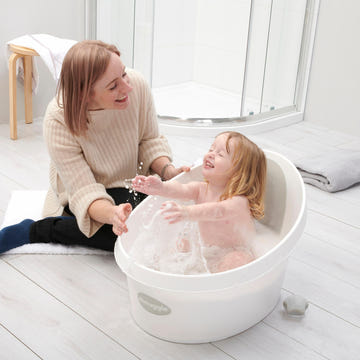
Shnuggle Toddler Bath Tub | Big Bath for bigger kids...
$76.95
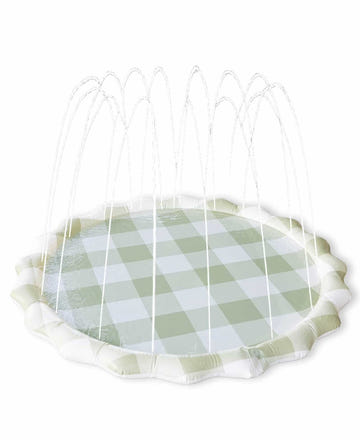
BROOKLYN NEUTRAL Green Gingham Splash Pad with Hose ...
$39.99
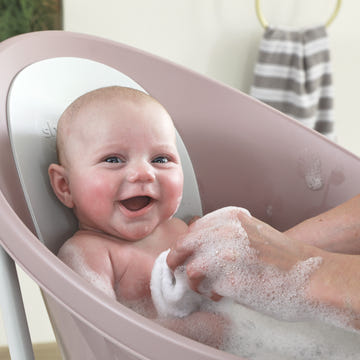
Shnuggle Baby Bath | Newborn baby bath Support with ...
$59.95
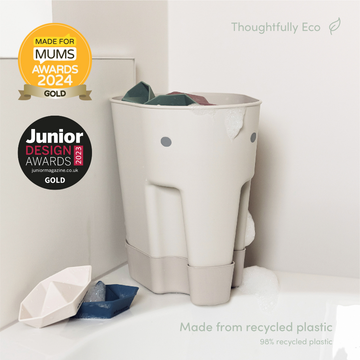
M4A Shnuggle Ellie Bath Toy Drying Caddy Elephant Tr...
$29.95
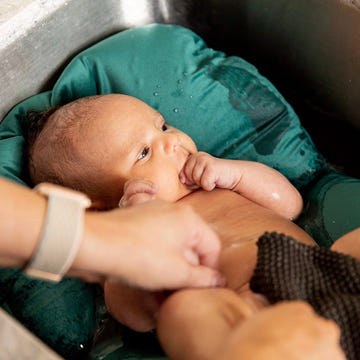
Plum+Sparrow Infant Sink Bather Teal Dream 20 x 14
$45.00
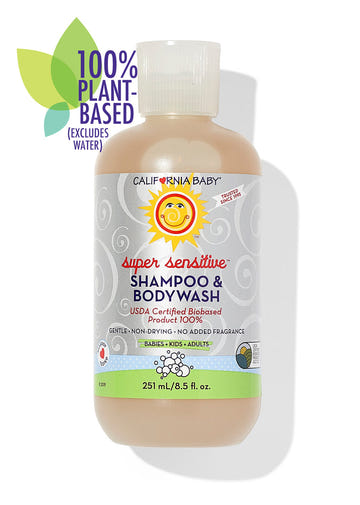
(No Fragrance) Super Sensitive™ Shampoo & Bodywash
$2.99
Final Thoughts
Bathing your infant is more than just a routine—it’s a cherished time to connect and care for your little one. With proper preparation, the right tools, and thoughtful products like Moogco Silver Nursing Cups to support your breastfeeding journey, you can turn bath time into a stress-free, loving experience for both you and your baby.
Bring this guide home with 20% off.
Use code MOM20 for 20% off →
Featured pick from Moogco
French Terry Racerback Nursing & Sleep Bra | Beige
$39.90
Shop this pick → Setting up your bath station? Browse our bathing essentials collection for supportive tubs, hooded towels, and gentle cleansers. US orders over $100 ship free.
Frequently Asked Questions
How often should I bathe my newborn?
For newborns, bathing 2 to 3 times per week is usually sufficient, as too-frequent bathing can dry out their delicate skin. On other days, simply clean the diaper area, face, and neck folds with a damp washcloth. As your baby becomes more mobile and starts eating solids, you may increase bath frequency.

What temperature should the bath water be for my baby?
The ideal bath water temperature is around 37°C or 98.6°F, which is close to body temperature. Always test the water with your wrist or elbow before placing your baby in the tub, as it should feel warm but never hot. Consider using a bath thermometer for added safety and peace of mind.
Free US shipping over $100
Real essentials, picked by real moms
Take 20% off at checkout, applied automatically when you shop through this link.
Shop with MOM20 →Free US shipping over $100. Code applies automatically at checkout.
Can I use regular soap on my baby's skin?
It's best to use mild, fragrance-free baby soap specifically formulated for sensitive skin. Regular adult soaps can be too harsh and may cause dryness or irritation. In fact, plain water is often enough for most baths, and you only need soap occasionally, especially in areas with diaper residue or milk buildup.
More Related Picks
A few more favorites from the same collection.
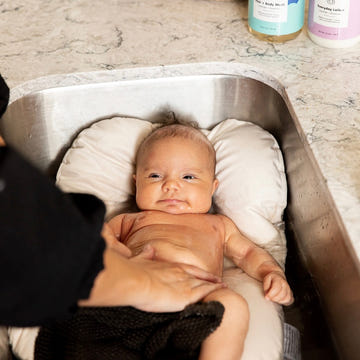
Plum+Sparrow Infant Sink Bather Little Dove 20" x 14"
$45.00
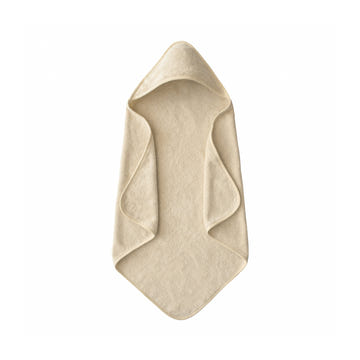
Mushie Organic Cotton Baby Hooded Towel Hooded for B...
$29.99
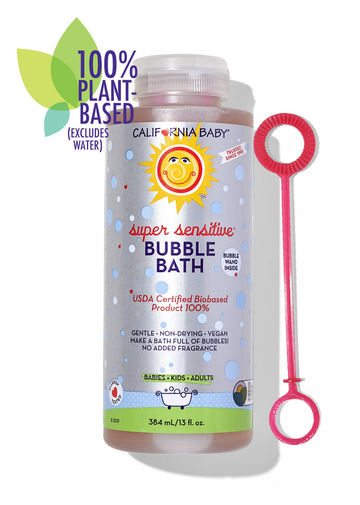
(No Fragrance) Super Sensitive™ Bubble Bath
$1.99
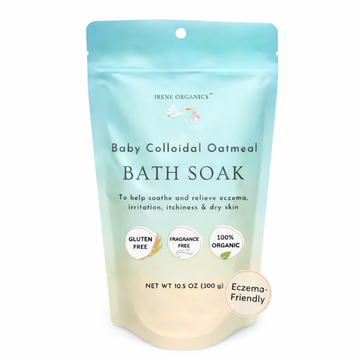
Baby Colloidal Oatmeal Bath Soak
$25.99
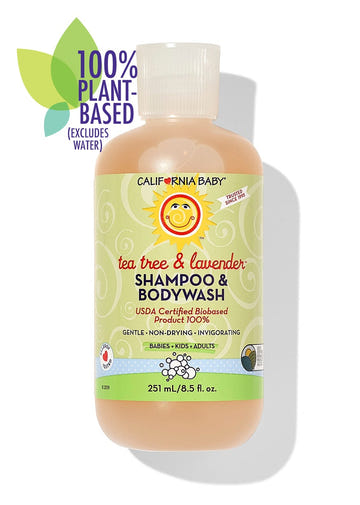
Tea Tree & Lavender™ Shampoo & Bodywash
$2.99
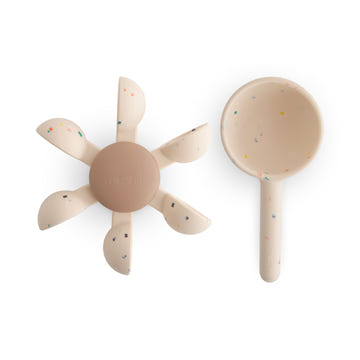
Mushie Water Wheel Bath Toy with Silicone Spoon Suction
$19.99
What should I do if my baby cries during bath time?
Crying during baths is common and often due to temperature discomfort, hunger, or overstimulation. Try keeping the room warmer, maintaining a calm and gentle tone, and keeping baths short. You can also try swaddling your baby in a towel and gradually exposing one area at a time to wash, which can help them feel more secure.
Is it safe to bathe my baby in the kitchen sink?
Yes, bathing your baby in a clean kitchen sink is safe and convenient, as long as the sink is sanitized beforehand and you line it with a soft towel or bath mat to prevent slipping. Always ensure the faucet is turned away from your baby and that the water temperature is tested before placing them in. Never leave your baby unattended.
When can I start using shampoo on my baby?
You can introduce a gentle, tear-free baby shampoo once your baby has more hair or after the first few weeks of life. However, shampoo is not necessary for every bath, especially for newborns with little to no hair. Plain water works perfectly well for most baths and is gentler on the scalp.
How do I prevent my baby from getting too cold during bath time?
Keep the room warm and draft-free, around 24°C or 75°F, and have a soft hooded towel ready to wrap your baby immediately after the bath. During the bath, pour warm water gently over your baby's body to keep them comfortable. Keeping baths short, around 5 to 10 minutes, also helps prevent them from getting chilled.
What should I do if water gets in my baby's eyes or ears?
If water gets in your baby's eyes, gently wipe with a clean, soft washcloth and comfort them with soothing words. For ears, it's fine if a little water gets in, just tilt their head gently to let it drain and pat the outer ear dry with a towel. Avoid inserting anything into the ear canal, and never use cotton swabs inside the ear.
From Moogco Studio
Printable and personalized nursery essentials. Designed by moms for moms.


About the Editor
Eda Ulger is the editor at Moogco Baby and a mom of two. She curates and edits our guides so every piece is honest, practical, and genuinely helpful for the early days of motherhood.
Shop This Story
Picks related to this guide, ready to ship from Moogco.

Mushie Silicone Drain Stopper Set of 2 Bath Covers
$11.99
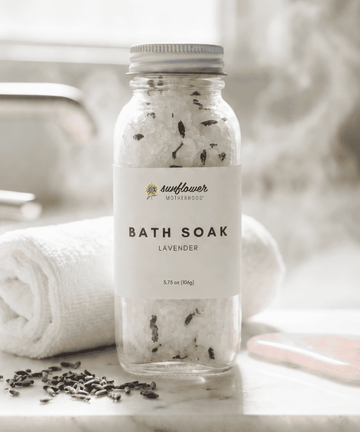
Sunflower Motherhood Bath Soak 3.75 oz Lavender Epso...
$8.00
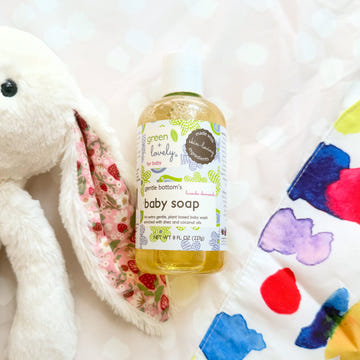
Green + Lovely Gentle Bottom’s Baby Soap Lavender Ch...
$11.50
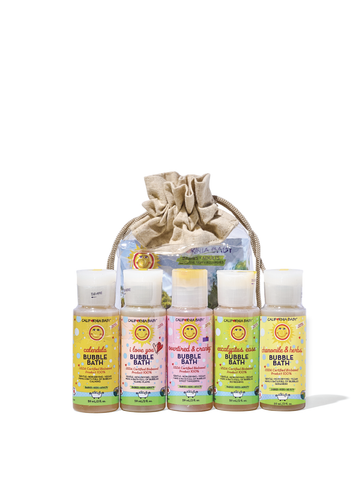
Bubble Bath Scent Sampler
$9.99
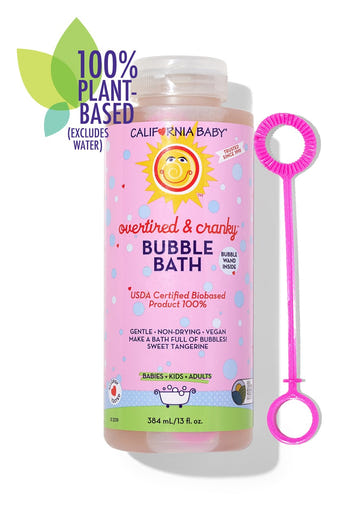
Overtired & Cranky™ Bubble Bath
$1.99
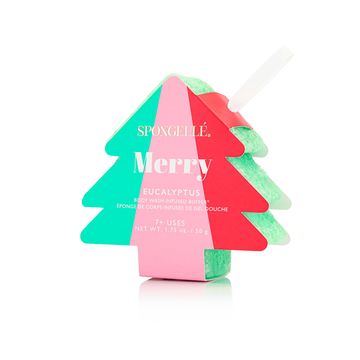
Spongellé Merry Eucalyptus Holiday Tree Body Wash In...
$12.00
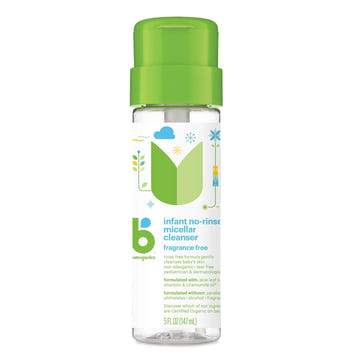
ShopBobbys Babyganics Infant Rinse-Free Micellar Cle...
$2.99
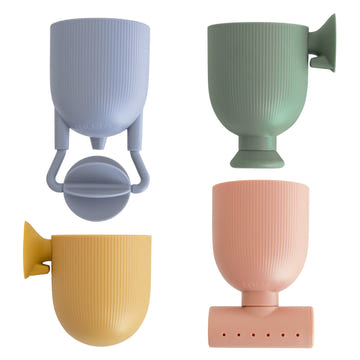
Mushie Pour and Play Bath Set silicone suction pour ...
$16.99
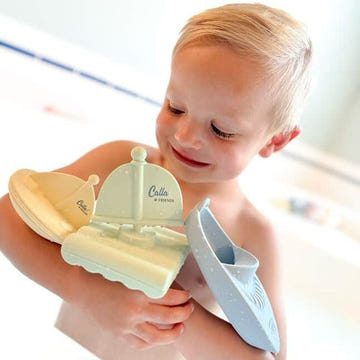
Ryder's Racing Bath Boats
$26.00
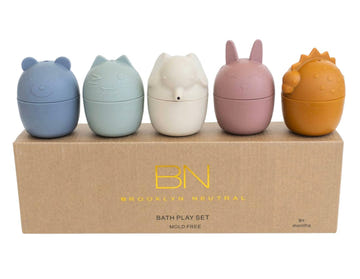
BROOKLYN NEUTRAL Animal Bath Toy Set silicone dishwa...
$22.99