


As a parent, it can be overwhelming to figure out why your baby is experiencing digestive discomfort. Two common culprits that can cause digestive issues in infants are lactose intolerance and protein sensitivity. Although they may present with similar symptoms, they are quite different in how they affect your baby and how they should be managed. Understanding these differences can help you make informed decisions about your baby’s feeding and well-being.
In this blog post, we’ll explore what lactose intolerance and protein sensitivity are, how they differ, and what you can do if your baby is affected by either condition.
What is Lactose Intolerance?
Lactose intolerance occurs when the body is unable to break down lactose, a sugar found in milk and dairy products. This happens because the small intestine doesn’t produce enough of an enzyme called lactase, which is needed to digest lactose.
Lactose intolerance in infants is rare because babies are born with the ability to produce lactase, allowing them to digest breast milk, which is high in lactose. However, in very rare cases, babies can be born with congenital lactase deficiency, leading to an inability to digest lactose from birth. More commonly, lactose intolerance develops later in childhood or adulthood.
Symptoms of Lactose Intolerance in Babies
- Gas and bloating
- Diarrhea
- Stomach pain or cramping
- Fussiness, particularly after feedings
- Frequent, watery stools
What is Protein Sensitivity?
Protein sensitivity, also known as milk protein intolerance or cow’s milk protein allergy (CMPA), is when a baby’s immune system reacts negatively to the proteins found in cow’s milk. Unlike lactose intolerance, which is an issue of digestion, protein sensitivity is an immune response. This means that the baby’s immune system treats the protein as a harmful substance, leading to inflammation and discomfort.
Protein sensitivity can be more common in formula-fed babies, as cow’s milk protein is a major component of many infant formulas. Breastfed babies can also develop protein sensitivity if their mothers consume dairy, as cow’s milk proteins can pass into breast milk.
Symptoms of Protein Sensitivity in Babies
- Blood or mucus in stools
- Diarrhea or constipation
- Vomiting or frequent spitting up
- Skin rashes or eczema
- Persistent crying or colic-like behavior
- Difficulty gaining weight
- Respiratory issues, such as wheezing or congestion
Key Differences Between Lactose Intolerance and Protein Sensitivity
Although both conditions involve a reaction to milk, the underlying causes are different. Here are the key differences between lactose intolerance and protein sensitivity:
- Cause
- Lactose intolerance is caused by the inability to digest lactose due to a deficiency of the lactase enzyme.
- Protein sensitivity is an immune response to the proteins found in cow’s milk.
- Age of Onset
- Lactose intolerance is rare in infants and more likely to develop later in childhood.
- Protein sensitivity can occur in infancy, especially if the baby is exposed to cow’s milk protein through formula or breast milk.
- Symptoms
- Lactose intolerance primarily affects the digestive system, leading to gas, bloating, and diarrhea.
- Protein sensitivity can cause a wider range of symptoms, including digestive issues, skin problems, respiratory symptoms, and even blood in the stool.
- Management
- For lactose intolerance, removing or reducing lactose from the baby’s diet is necessary. Lactose-free formulas or reducing dairy in a breastfeeding mother’s diet may help.
- For protein sensitivity, it’s important to eliminate cow’s milk proteins from the baby’s diet. For formula-fed babies, this may mean switching to a hypoallergenic or amino acid-based formula. Breastfeeding mothers may need to avoid all dairy products.
What Should You Do if Your Baby Shows Symptoms?
If you suspect that your baby is struggling with lactose intolerance or protein sensitivity, the first step is to consult with your pediatrician. They can help determine the cause of your baby’s symptoms and guide you toward the appropriate treatment.
For breastfed babies, your doctor may recommend adjusting your diet to see if eliminating dairy improves your baby’s symptoms. For formula-fed babies, they may suggest switching to a specialized formula that is designed for babies with lactose intolerance or protein sensitivity.
Can Babies Grow Out of These Conditions?
The good news is that many babies do outgrow protein sensitivity. In fact, most babies with cow’s milk protein allergy will tolerate milk by the time they are 3-5 years old. However, lactose intolerance, if developed later in life, is usually a lifelong condition.
If your baby has protein sensitivity, your doctor will likely advise reintroducing dairy gradually after a period of elimination to see if your baby has outgrown the sensitivity.
Picks From This Story
Picks related to this guide, ready to ship from Moogco.
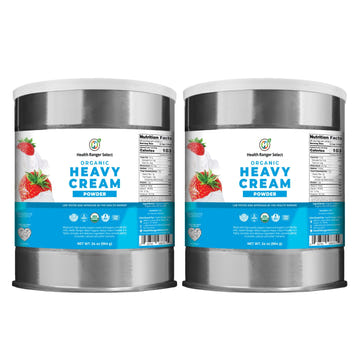
Health Ranger Store Organic Heavy Cream Powder 34oz ...
$159.95
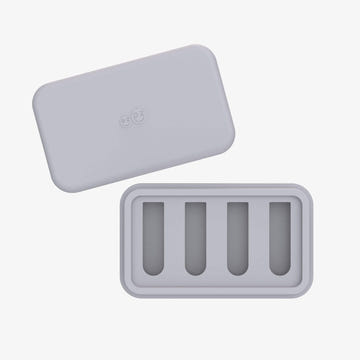
Ice Tray for the Baby-Led™ Gumline Feeder
$9.99
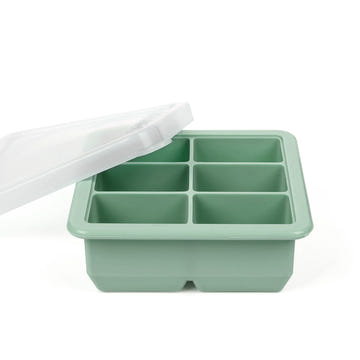
Haakaa Baby Freezer Tray Silicone 4 6 9 Compartment ...
$17.43
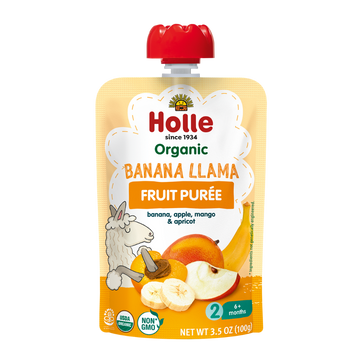
Holle Organic Banana Llama Fruit Purée Pouch Banana ...
$39.99
ezpz Baby-Led Weaning Travel Box all-in-one feeding ...
$19.99
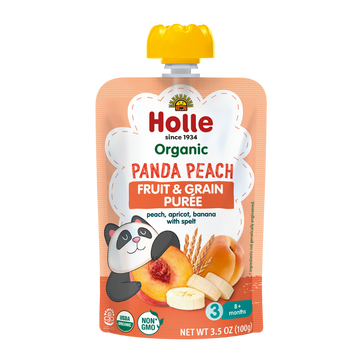
Holle Organic Panda Peach Fruit & Grain Purée Pouch ...
$39.99
The Role of Moogco Silver Nursing Cups
For mothers dealing with the challenges of lactose intolerance or protein sensitivity in their baby, breastfeeding can come with additional stress. Moogco Silver Nursing Cups can provide relief by soothing and healing sore nipples, a common concern for breastfeeding moms. These antimicrobial nursing cups help prevent further irritation, allowing you to focus on providing the best care for your little one.
Conclusion
While both lactose intolerance and protein sensitivity can cause discomfort for your baby, understanding the differences is key to finding the right solutions. If your baby exhibits signs of digestive or allergic reactions, seeking guidance from a healthcare professional is crucial. By identifying the cause, whether it's lactose intolerance or protein sensitivity, you can take steps to ensure your baby’s comfort and well-being.
Bring this guide home with 25% off.
Use code READER25 for 25% off →
Featured pick from Moogco
The Original Silver Nursing Cups with Silicone Pads
$62.90 $74.90
Shop this pick → Frequently Asked Questions
How long does it take to see improvement after eliminating dairy from my diet?
If you're breastfeeding and eliminate dairy from your diet, it typically takes about 2 to 3 weeks to see improvement in your baby's symptoms. Cow's milk proteins can remain in your system and breast milk for several days, so patience is important. Keep a symptom diary and work closely with your pediatrician to track progress and ensure you're meeting your own nutritional needs during this elimination period.

Can my baby have lactose intolerance and protein sensitivity at the same time?
While it's theoretically possible, it's extremely rare for a baby to have both conditions simultaneously. Most infants who react to milk have protein sensitivity rather than lactose intolerance, since babies naturally produce lactase to digest breast milk. Your pediatrician can help determine which condition is affecting your baby through careful evaluation of symptoms and, if needed, specific diagnostic tests.
Free US shipping over $100
Real essentials, picked by real moms
Take 25% off at checkout, applied automatically when you shop through this link.
Shop with READER25 →Free US shipping over $100. Code applies automatically at checkout.
More Related Picks
A few more favorites from the same collection.
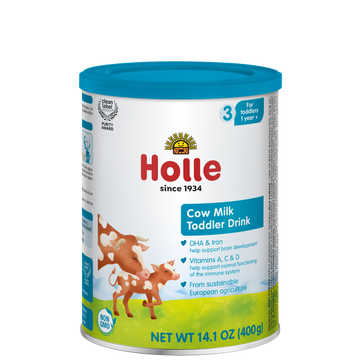
Holle Cow Milk Toddler Drink Stage 3 14 oz Grass Fed
$29.99
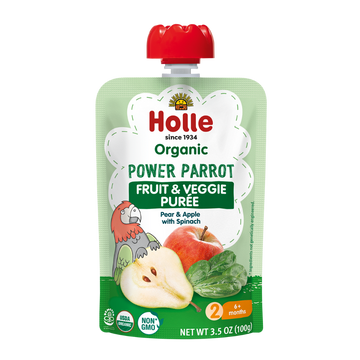
Holle Organic Power Parrot Fruit and Veggie Purée 3....
$39.99
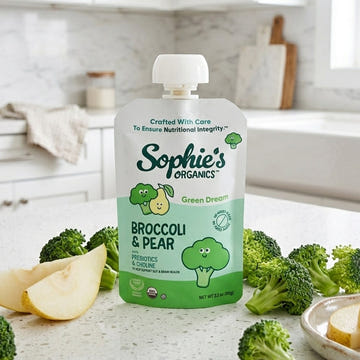
Green Dream Organic Pouches (6 pack)
$24.99
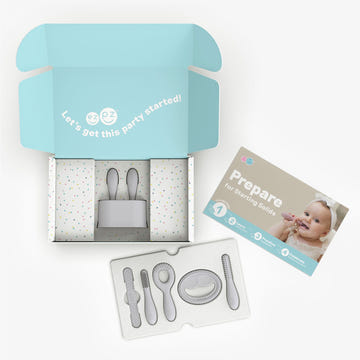
ezpz Kit 1 Prepare for Starting Solids pre-feeding t...
$50.00
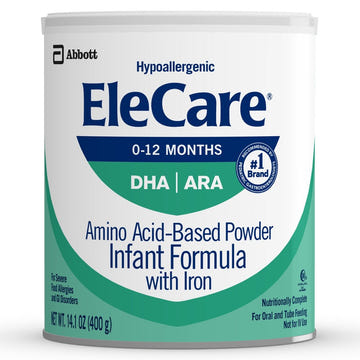
LL Medico EleCare Amino Acid Baby Formula 14.1 oz Can
$61.99
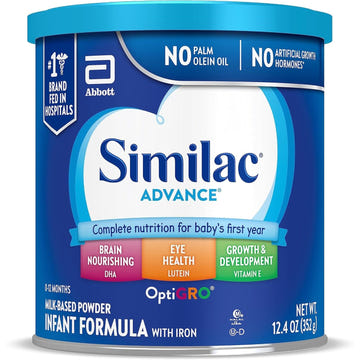
LL Medico Similac Advance Infant Formula Powder 12.4 oz
$30.99
Are there any tests to diagnose lactose intolerance or protein sensitivity in babies?
For protein sensitivity, diagnosis is usually based on symptom observation and dietary elimination trials rather than specific tests. Your doctor may recommend removing cow's milk protein from the diet and monitoring for improvement. For lactose intolerance, a hydrogen breath test or stool acidity test may be used, though these are rarely needed in infants. Your pediatrician will guide you on the most appropriate diagnostic approach for your baby's situation.
What foods should I avoid if I'm breastfeeding a baby with protein sensitivity?
If your baby has cow's milk protein sensitivity, you'll need to eliminate all dairy products including milk, cheese, yogurt, butter, and cream. Be sure to check food labels carefully, as milk proteins can hide in processed foods under names like casein, whey, and lactose. You may also need to avoid foods with cross-contamination risk. Consider working with a nutritionist to ensure you're getting adequate calcium and vitamin D while maintaining a dairy-free diet.
Is soy formula a good alternative for babies with protein sensitivity?
Soy formula can be an option for some babies with cow's milk protein sensitivity, but it's not always the best choice. About 10 to 14 percent of babies who are sensitive to cow's milk protein also react to soy protein. Your pediatrician may recommend a hypoallergenic formula where the proteins are broken down into smaller pieces, or an amino acid-based formula for more severe cases. Always consult your doctor before switching formulas to ensure you're choosing the best option for your baby.
Will my baby be able to eat cheese and yogurt when they're older if they have protein sensitivity now?
Most babies with cow's milk protein sensitivity do outgrow it by age 3 to 5, and many can eventually tolerate all dairy products including cheese and yogurt. The reintroduction process should be gradual and supervised by your pediatrician, often starting with baked milk products before moving to fresh dairy. Some children may tolerate certain forms of dairy sooner than others, so your doctor will create a personalized reintroduction plan based on your child's specific situation.
Can I still breastfeed if my baby has protein sensitivity?
Absolutely! Breastfeeding is still recommended and beneficial even if your baby has protein sensitivity. You'll simply need to eliminate dairy from your own diet so that cow's milk proteins don't pass through your breast milk to your baby. Many mothers successfully continue breastfeeding while dairy-free, and breast milk remains the optimal nutrition for your baby. Work with a lactation consultant and your pediatrician to ensure you're meeting both your nutritional needs and your baby's feeding requirements.
Are goat or sheep milk formulas safe alternatives for babies with cow's milk protein sensitivity?
Goat and sheep milk formulas are generally not recommended for babies with cow's milk protein sensitivity because the proteins are very similar to those in cow's milk. Most babies who react to cow's milk protein will also react to goat and sheep milk proteins due to this cross-reactivity. Your pediatrician will likely recommend a hydrolyzed formula or amino acid-based formula instead, which are specifically designed to be safe for babies with protein sensitivities.
From Moogco Studio
Printable and personalized nursery essentials. Designed by moms for moms.


About the Editor
Eda Ulger is the editor at Moogco Baby and a mom of two. She curates and edits our guides so every piece is honest, practical, and genuinely helpful for the early days of motherhood.
Shop This Story
Picks related to this guide, ready to ship from Moogco.
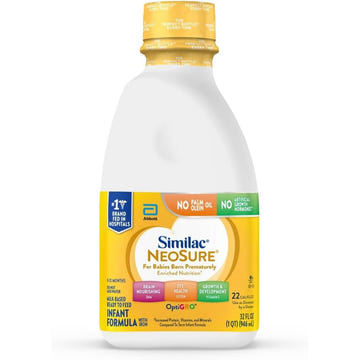
LL Medico Similac NeoSure Premature Ready-to-Feed 32...
$14.99
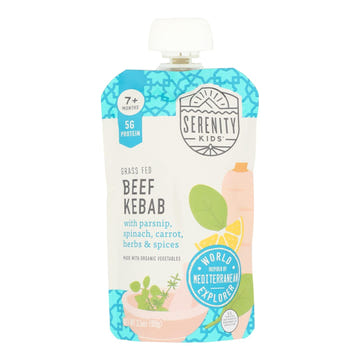
Serenity Kids Beef Kebab with Vegetables Baby Food P...
$36.05
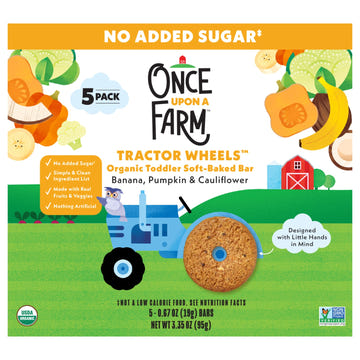
Cozy Farm Once Upon A Farm Banana Pumpkin Cauliflowe...
$66.31
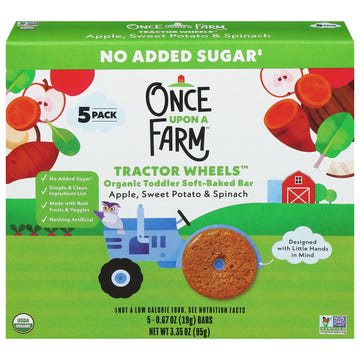
Cozy Farm Once Upon A Farm Apple Sweet Potato Spinac...
$66.31
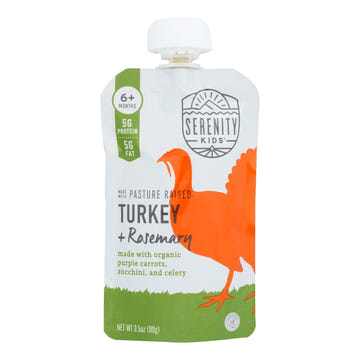
Serenity Kids Organic Turkey & Rosemary Baby Food Po...
$36.05
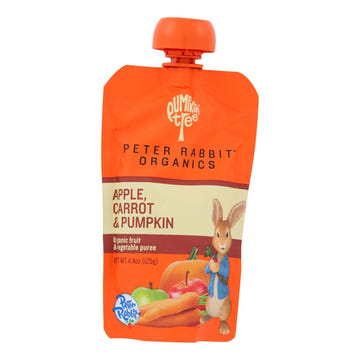
Cozy Farm Peter Rabbit Organics Pumpkin Carrot Apple...
$38.48
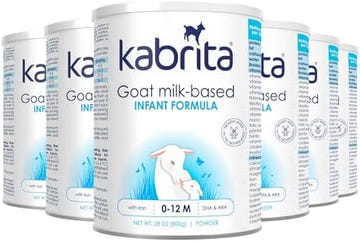
Kabrita - Goat Milk Infant Formula, 28 oz (Pack of 6...
$329.88
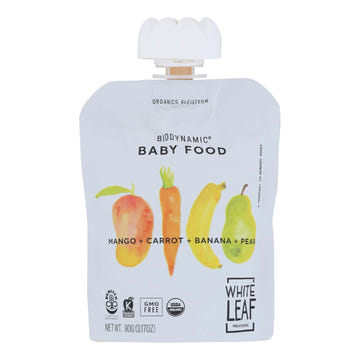
Cozy Farm White Leaf Provisions Organic Mango Baby F...
$29.63
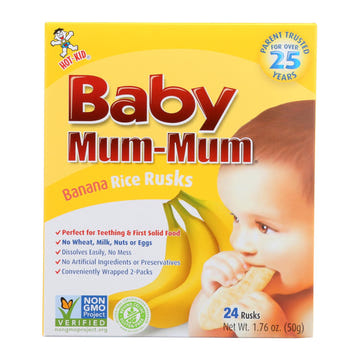
Cozy Farm Baby Mum Banana Rice Biscuits Pack of 6 1....
$32.78
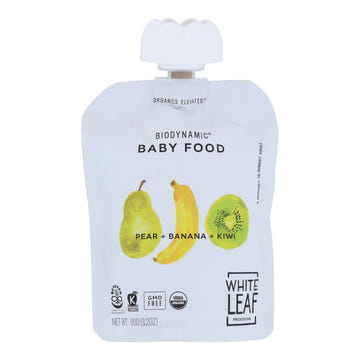
Cozy Farm White Leaf Provisions Pear Banana Kiwi Bab...
$29.63