


A baby’s skin is incredibly soft, delicate, and sensitive—which makes it all the more important to care for it properly. From dealing with diaper rash to choosing the right products, baby skincare can feel overwhelming. This guide simplifies the essentials with expert-backed advice for keeping your baby’s skin healthy and protected.
Understanding Baby Skin
Newborn skin is thinner and more permeable than adult skin, making it more prone to dryness, irritation, and infections. In the first few weeks, your baby may experience common skin conditions as their body adjusts to the outside world.

Dr. Lillian Moore, Pediatric Dermatologist: “A baby’s skin barrier is still developing. Gentle care and minimal product use are the best approaches to keep it balanced and irritation-free.”
Pediatrician-friendly favoritesGentle skincare for sensitive skin
Take 15% off at checkout, applied automatically when you shop through this link.
Shop with HAPPYSPRING →Free US shipping over $100. Code applies automatically at checkout.
Picks From This Story
Picks related to this guide, ready to ship from Moogco.
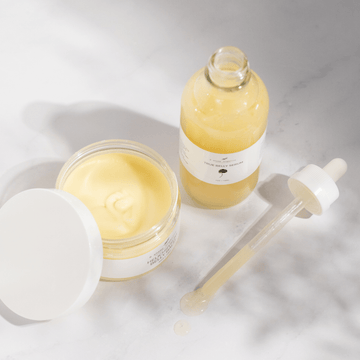
2-Step Stretch Mark Prevention Bundle
$69.00
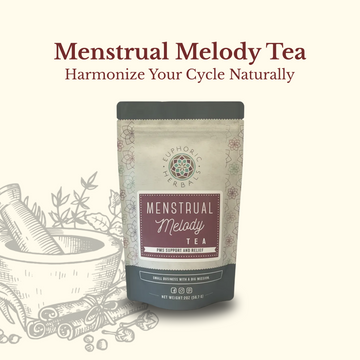
Euphoric Herbals Menstrual Melody Tea herbal blend f...
$24.99
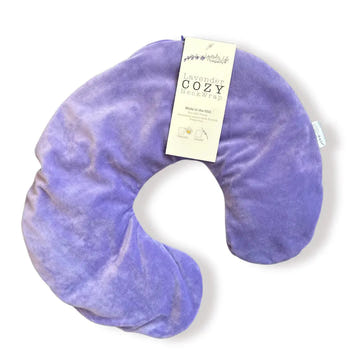
Lavender Life Company Cozy Lavender Neck Wrap weight...
$57.00
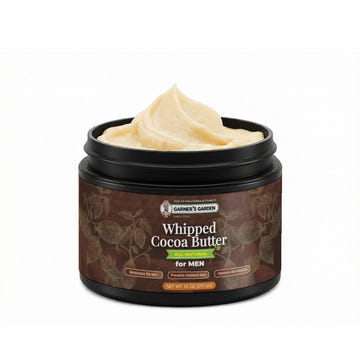
Garner's Garden Whipped Cocoa Butter Hydrating Skin ...
$12.00
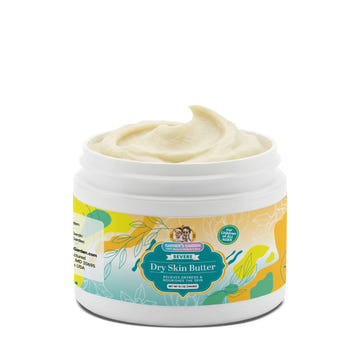
Garner's Garden Severe Dry Skin Butter for Severe Dr...
$18.00
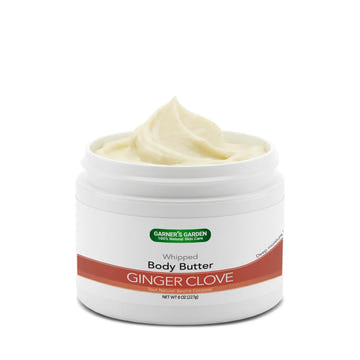
Garner's Garden Body Butter Various Essential Oils a...
$10.00
Common Baby Skin Conditions & How to Treat Them
1. Diaper Rash
✅ Cause: Prolonged exposure to moisture and friction from diapers. ✅ Solution:
Change diapers frequently.
Use a zinc oxide-based barrier cream.
Allow diaper-free time to promote healing.
2. Baby Acne
✅ Cause: Hormonal changes from the mother’s body after birth. ✅ Solution:
Gently cleanse with warm water.
Avoid lotions or harsh soaps.
It typically resolves on its own within a few weeks.
3. Eczema (Atopic Dermatitis)
✅ Cause: Genetic predisposition and environmental triggers. ✅ Solution:
Use fragrance-free, hypoallergenic moisturizers.
Bathe in lukewarm water for no longer than 10 minutes.
Pat skin dry and apply a thick moisturizer immediately.
Dr. Rachel Kim, Pediatric Allergist: “Daily moisturizing is one of the most effective ways to manage eczema. Avoid products with dyes, fragrances, or alcohol.”
4. Cradle Cap (Seborrheic Dermatitis)
✅ Cause: Overactive sebaceous glands. ✅ Solution:
Massage baby oil into the scalp to loosen flakes.
Gently brush with a soft-bristle baby brush.
Wash with a mild baby shampoo.
Best Practices for Daily Baby Skin Care
✔️ Limit Baths: 2-3 times per week is usually enough for newborns. Overbathing can dry out their skin. ✔️ Use Gentle Products: Choose cleansers labeled “fragrance-free,” “hypoallergenic,” and “dermatologist-tested.” ✔️ Dress in Soft Fabrics: Opt for cotton clothing and wash baby’s clothes with fragrance-free detergent. ✔️ Hydrate After Bathing: Always apply moisturizer within a few minutes of bath time to lock in moisture.
💡 Tip: Keep baby’s nails trimmed to prevent scratching irritated skin.
More Related Picks
A few more favorites from the same collection.
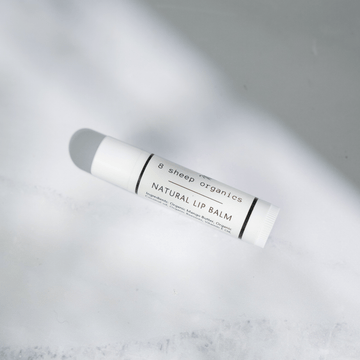
Organic Lip Balm
$4.00
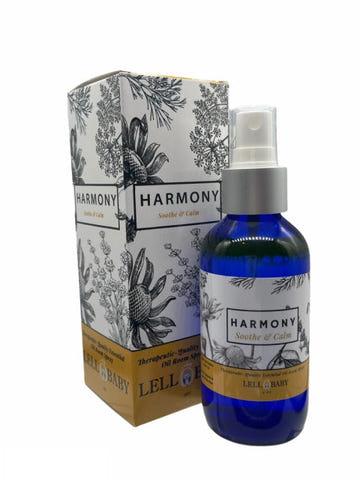
Therapeutic-Quality Essential Oil Room Spray - Harmony
$19.00

Lavender Comfort Neck Wrap
$58.50
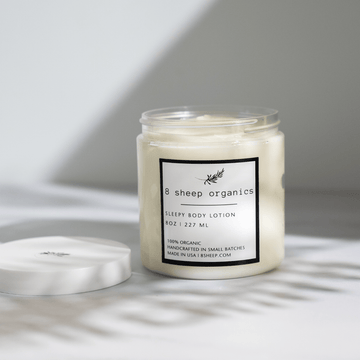
8 Sheep Organics Organic Sleepy Body Lotion for Preg...
$29.00
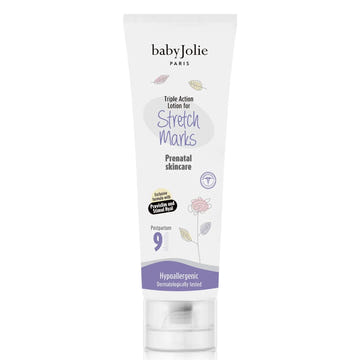
Baby Jolie Paris Triple Action Stretch Marks Cream 7...
$29.99
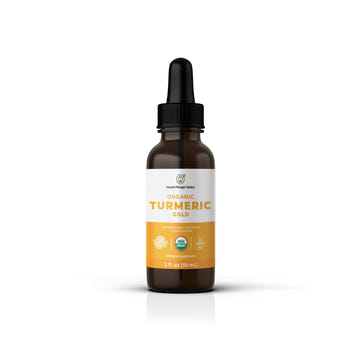
Health Ranger Store Organic Turmeric Gold Liquid Ext...
$26.95
When to See a Doctor
🔹 Persistent rashes or redness that don’t improve with over-the-counter care. 🔹 Signs of infection (pus, warmth, swelling, or fever). 🔹 Skin reactions after using new products.
The Role of Moogco Silver Nursing Cups
While not a skincare product, Moogco Silver Nursing Cups help soothe and protect the skin on a breastfeeding mother’s nipples, which is often overlooked in early postpartum care. Their antibacterial, healing properties provide relief naturally.
📌 Shop now: Moogco Silver Nursing Cups on Amazon.
Final Thoughts: Keep It Simple, Keep It Gentle
Less is more when it comes to caring for baby skin. Stick to gentle, minimal products, watch for changes, and don’t hesitate to consult your pediatrician. With the right care, your baby’s skin will stay as healthy and radiant as the rest of their growing body.
🛒 Explore more essentials at Moogco Baby.
Bring this guide home with 15% off.
Use code HAPPYSPRING for 15% off →
Featured pick from Moogco
Babo Botanicals Oatmilk Calendula Soothing Baby Lotion (8 Fl Oz)
$23.64 $25.64
Shop this pick → Frequently Asked Questions
How often should I moisturize my baby's skin?
For babies with normal skin, moisturizing after bath time is usually sufficient. If your baby has dry skin or eczema, you may need to apply a gentle, fragrance-free moisturizer twice daily or as recommended by your pediatrician. Always apply moisturizer within three minutes of bathing to lock in hydration.
Is it safe to use coconut oil on my baby's skin?
Pure, organic coconut oil can be safe for many babies and is often used for massage or as a natural moisturizer. However, some babies may be sensitive to it, and it's not recommended for babies with eczema as it may not provide adequate skin barrier protection. Always patch test any new product on a small area first and consult your pediatrician if you're unsure.
When can I start using sunscreen on my newborn?
The AAP recommends keeping babies under six months out of direct sunlight and using protective clothing and shade instead of sunscreen. After six months, you can use a mineral-based sunscreen with zinc oxide or titanium dioxide on exposed skin. Always choose a baby-specific, fragrance-free formula.
Why does my baby's skin peel after birth?
Peeling skin is completely normal in newborns, especially in the first few weeks. Your baby's skin is adjusting to life outside the womb and shedding the protective layer that kept them safe in amniotic fluid. No special treatment is needed, just gentle care and patience as the peeling resolves naturally.
Can I use regular laundry detergent on baby clothes?
It's best to use a fragrance-free, dye-free detergent designed for sensitive skin, especially in the first few months. Regular detergents may contain harsh chemicals and fragrances that can irritate your baby's delicate skin. You don't necessarily need a product labeled for babies, just one that's gentle and hypoallergenic.
What's the best water temperature for a baby's bath?
The ideal bath water temperature for babies is around 100 degrees Fahrenheit, which should feel warm but not hot to your wrist or elbow. Always test the water before placing your baby in the tub. Water that's too hot can dry out skin and cause discomfort, while water that's too cool won't effectively clean.
How do I know if my baby has a true skin allergy or just sensitive skin?
Sensitive skin typically causes mild redness or dryness that improves with gentle care and product changes. A true allergy may cause more severe reactions like hives, swelling, persistent rash, or breathing difficulties. If you suspect an allergy or if skin symptoms worsen or don't improve within a few days, contact your pediatrician for evaluation.
Should I use baby powder on my newborn?
Most pediatricians no longer recommend baby powder, especially talc-based products, due to inhalation risks. If you want to reduce moisture in the diaper area, it's safer to ensure the area is completely dry before diapering and use a zinc oxide barrier cream. Cornstarch-based powders are a safer alternative if you choose to use powder, but apply sparingly away from baby's face.
From Moogco Studio
Printable and personalized nursery essentials. Designed by moms for moms.


About the Editor
Eda Ulger is the editor at Moogco Baby and a mom of two. She curates and edits our guides so every piece is honest, practical, and genuinely helpful for the early days of motherhood.
Shop This Story
Picks related to this guide, ready to ship from Moogco.
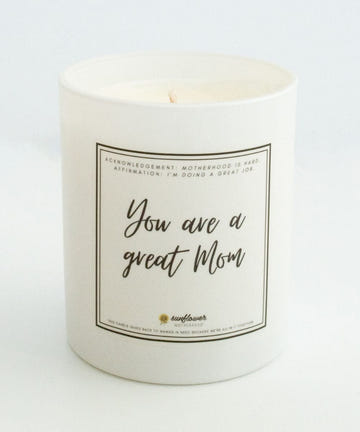
Sunflower Motherhood Great Mom Candle Lavender 9oz Soy
$24.00
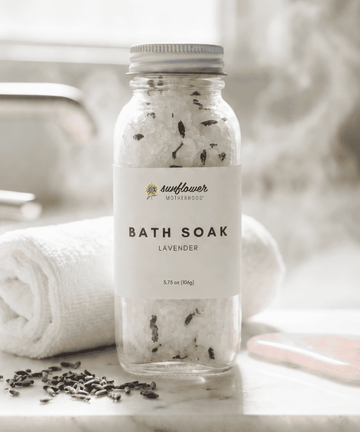
Sunflower Motherhood Bath Soak 3.75 oz Lavender Epso...
$8.00
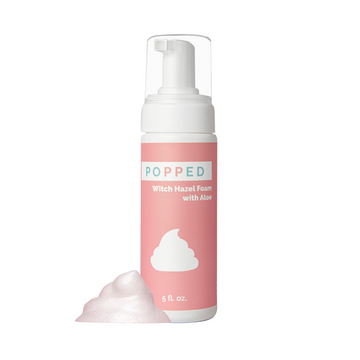
Popped Witch Hazel Foam with Aloe 5 fl oz Postpartum...
$12.99
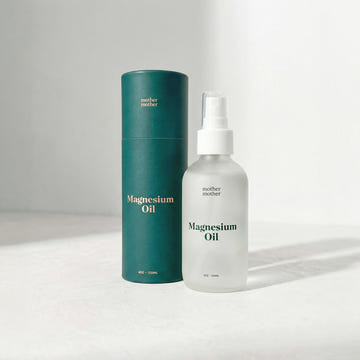
Mother Mother Magnesium Oil Spray 4 oz glass bottle
$34.00
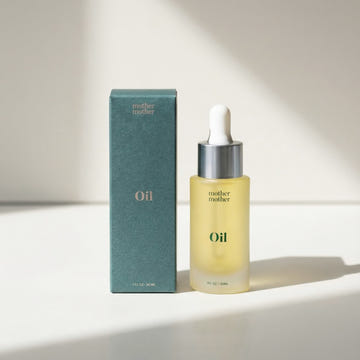
Mother Mother Face + Belly Oil 1 oz glass dropper bo...
$36.00
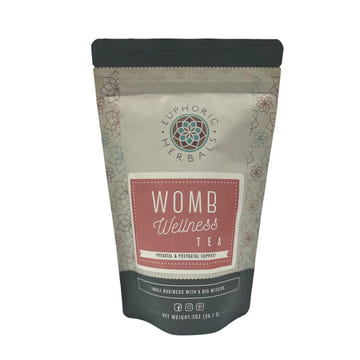
Euphoric Herbals Womb Wellness Prenatal Tea Organic ...
$24.99
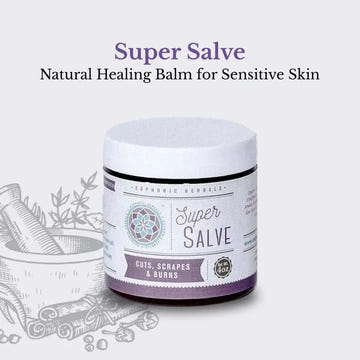
Euphoric Herbals Super Salve Nursing Salve no essent...
$10.00
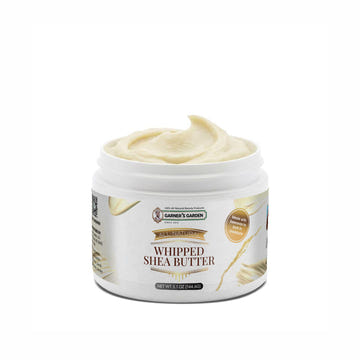
Garner's Garden Whipped Shea Butter Organic with Bee...
$18.00
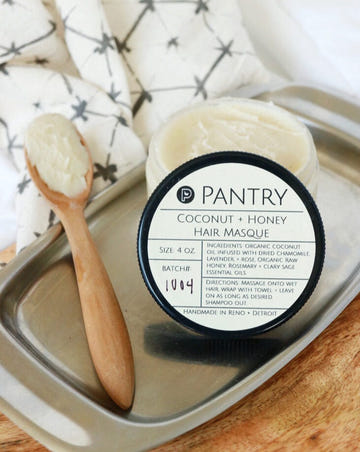
Coconut + Honey Hair Masque | Leave-In Hair Masque
$25.00
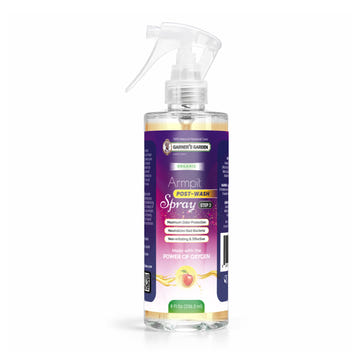
Garner's Garden Armpit Post Wash Spray Organic ACV Prep
$13.00