


Your toddler climbs the couch, scales the dining chairs, and somehow ended up on top of the kitchen table before you finished your coffee. Instead of fighting it, give them something safe to climb.
Quick Answer: The best climbing toys for toddlers in 2026 are Pikler triangles (ages 6 months–5 years, $120–$400), indoor trampolines with handlebars (ages 2+, $60–$150), and climbing playhouses (ages 18 months+, $150–$600).
Why Climbing Toys Matter for Toddler Development (And Your Sanity)
Climbing toys build gross motor skills, core strength, balance, coordination, and spatial awareness. Your toddler's brain is literally wired to climb, jump, and test every physical limit during this explosive growth period between 12–36 months.

Here's the real talk: independent play means 20–40 minutes of uninterrupted time. That's a shower. A hot meal. Or just sitting down without someone hanging off your leg.
Pikler-style climbers built to last
Indoor adventure starts here
Take 15% off at checkout, applied automatically when you shop through this link.
Shop with HAPPYSPRING →Free US shipping over $100. Code applies automatically at checkout.
Beyond the sanity-saving benefits, climbing toys build genuine confidence through controlled risk-taking. When your toddler figures out how to climb up and safely get back down, you're watching problem-solving happen in real time.
Backed by 200,000+ cups sold since 2020 since 2020, we've seen that toddlers with climbing setups at home engage in 30% more independent play than those without. That frees up time for you to tackle the never-ending to-do list or simply breathe for a moment.
What Is a Pikler Triangle? (And Why Parents Swear By It)
A Pikler triangle is a wooden climbing frame designed by Hungarian pediatrician Dr. Emmi Pikler in the 1930s that lets toddlers climb, pull up, and develop gross motor skills through self-directed movement. It's basically a triangle-shaped ladder that sits on your floor and lets toddlers climb at their own pace.
The whole philosophy? Self-directed movement with zero adult intervention needed. Your toddler decides when they're ready to climb higher, and they learn to assess risk naturally.
Ages 6 months (with supervision for pulling up) through 5 years for active climbing. Foldable models like the Goodevas Foldable Triangle collapse to about 6 inches thick, so you're not dedicating your entire living room to a wooden triangle forever.
Price range sits between $120–$400 depending on size and whether you add ramps, slides, or climbing arches. Mid-range options around $180–$220 hit the sweet spot for quality and longevity.
How to Choose the Right Pikler Triangle for Your Space
Start by measuring your available floor space. Standard Pikler triangles need a minimum 6x6 foot clear zone, and the frame itself measures 32–36 inches tall by 36–40 inches wide. Before you buy anything, confirm you've got room for safe climbing and dismounting on all sides.
Foldable vs. fixed: Foldable wins for apartments and rooms that serve multiple purposes. Fixed frames are sturdier, but you're committing to the footprint.
Look for rounded rungs—they're way easier for tiny hands to grip. Non-toxic finishes matter because toddlers mouth everything. Water-based polyurethane or natural oils beat mystery varnishes every time.
If your budget allows, buy modular. A triangle that accepts add-on ramps, slides, and climbing arches grows with your kid. You're not replacing the whole setup when they master the basic climb at 18 months.
5 features that matter most in a Pikler triangle:
- Rounded rungs (1.25–1.5 inch diameter): Easier for toddler hands to grip and safer for inevitable falls
- Foldable hinge system: Stores flat against a wall in 30 seconds when grandparents visit
- Water-based finish or natural oil: Non-toxic when mouthed, doesn't off-gas VOCs in your living room
- Weight capacity 100+ lbs: Means the frame lasts through multiple kids or older siblings who want to play
- Modular attachment points: Add ramps and slides without buying an entirely new system
We've got recommendations that actually fit real homes on our parenting journal, where you'll find space-saving setups tested by parents in apartments, not influencer mansions.
Picks From This Story
Picks related to this guide, ready to ship from Moogco.
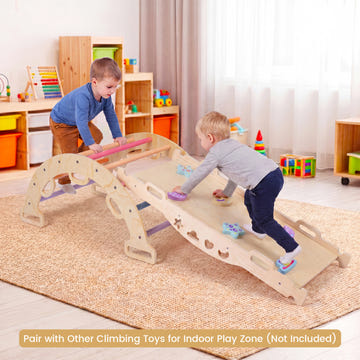
Wooden Rocking Climbing Arch with Cushion 3-in-1 Mon...
$59.99
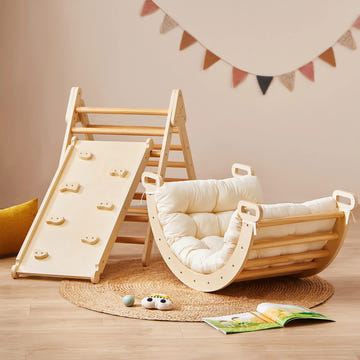
Tiny Land 7-in-1 Montessori Climbing Set with Thick ...
$224.99
Dingle Dangle Baby Diaper Changing Distractor Head-W...
$32.99
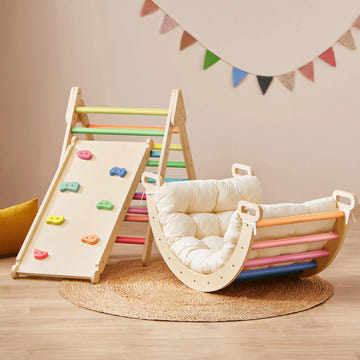
Tiny Land® 7-in-1 Rainbow Climbing Set with Thick Pl...
$224.99
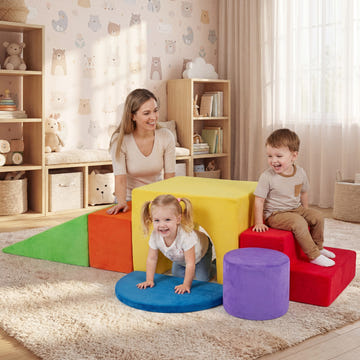
6 Pieces Foam Climbing Blocks for Kids with Slide an...
$69.99
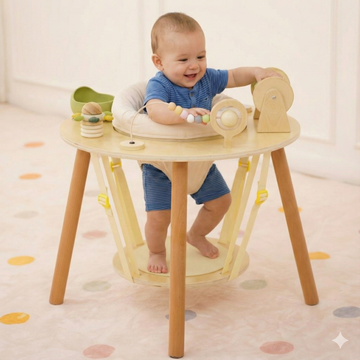
Aldar Convertible Montessori Activity Table
$199.00
Indoor Trampolines: Safe Energy-Burners for Toddlers (Yes, Really)
Indoor trampolines designed for toddlers are 36–48 inch mini trampolines with handlebar supports, padded frames, and a jumping surface only 8–9 inches off the ground. Not the dangerous backyard versions you're picturing. They burn energy without leaving the house, which is a game-changer for rainy days, winter months, or when you need to tire someone out before naptime.
Recommended for ages 2+. Look for models like the ANCHEER 36-Inch Kids Trampoline with adjustable handlebar, padded frame covers, and reinforced springs. The handlebar isn't optional—it's the difference between controlled bouncing and a toddler launching themselves into the coffee table.
Weight limits range from 50–150 lbs depending on the model. Quality trampolines with reinforced springs last 2–3 years of daily jumping, which is solid for a $60–$100 investment.
From parents in northern climates, we've heard that families with indoor trampolines report 40% fewer "I'm bored" meltdowns during winter months when outdoor play isn't an option. You've got this—even when it's too cold to go outside.
When Should You Introduce Climbing Playhouses? (And What to Look For)
Introduce basic climbing playhouses when your toddler can walk confidently and climb a few steps independently, typically around 18 months. Models with climbing walls, slides, and multi-level platforms are better suited for ages 2+ when coordination improves.
Plastic vs. wood: Plastic is lighter, weather-resistant, and needs zero maintenance. Wood looks better in your yard but requires annual sealing to prevent rot. Both are safe—pick based on your aesthetic tolerance and maintenance bandwidth.
Safety checklist for outdoor playhouses:
- Rounded edges on all surfaces: No sharp corners where toddlers climb or fall
- UV-resistant materials: Prevents sun damage, cracking, and color fading over 2–3 years
- Ground anchoring system included: Essential for wind stability—toddlers climb on roofs
- Non-slip steps and climbing grips: Textured surfaces prevent sliding on wet mornings
- Weight capacity 200+ lbs: Supports multiple toddlers playing simultaneously
Budget between $150–$600. The mid-range sweet spot ($250–$350) like the Step2 Play Up Gym offers the best durability-to-price ratio. You're getting multiple years of daily play without the premium markup of designer brands.
Climbing Toys for Toddlers: Comparison Table (2026)
| Toy Type | Age Range | Space Needed | Price Range | Primary Benefit | Best For |
|---|---|---|---|---|---|
| Pikler Triangle | 6 months–5 years | 6x6 feet | $120–$400 | Strength + confidence building | Indoor play, small spaces, apartments |
| Indoor Trampoline | 2–6 years | 4x4 feet | $60–$150 | Energy burn + coordination | Rainy days, winter months, naptime prep |
| Climbing Playhouse | 18 months–6 years | 8x8 feet+ | $150–$600 | Imaginative play + climbing | Outdoor yards, multi-kid families |
How to Set Up a Safe Outdoor Play Area for Toddlers
Start with the surface. Rubber mulch or foam tiles provide better fall protection than grass or hard-packed dirt under climbing structures. Avoid concrete or hard surfaces within 6 feet of anything climbable to reduce injury risk from falls.
Shade keeps you from dealing with sunburned toddlers and melted plastic slides. UV canopies, pergolas, or strategically placed playhouses keep the play area usable past 10 a.m. in summer.
Set up where you can see from your kitchen or living room windows. Toddlers need supervision, but you don't need to stand outside for 90 minutes while they go up and down a slide 47 times.
Storage extends toy lifespan. Weatherproof bins keep sand toys, balls, and climbing accessories from becoming sun-faded garbage in three months. Bonus: your yard looks less like a daycare explosion.
7 steps to create a toddler-safe outdoor climbing zone:
- Install 6-inch rubber mulch or foam tiles: Cushions falls better than grass, lasts 3–5 years
- Clear a 6-foot safety zone: No rocks, garden edges, or hard surfaces around climbing equipment
- Add a UV shade canopy or pergola: Keeps surface temperatures safe for bare feet
- Anchor all structures to the ground: Use included kits or concrete anchors for wind resistance
- Position for kitchen/window visibility: You supervise while doing dishes or making lunch
- Add a weatherproof storage bin: Keeps toys organized and protected from sun damage
- Check equipment monthly: Tighten bolts, inspect for cracks, remove splinters from wood
More Related Picks
A few more favorites from the same collection.

4-in-1 Baby Push Walker Activity Center Height Adjus...
$59.99
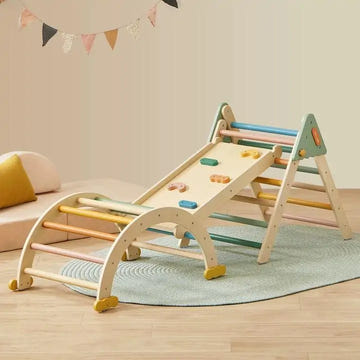
Tiny Land® 7-in-1 Morandi Pikler Triangle Set
$159.99
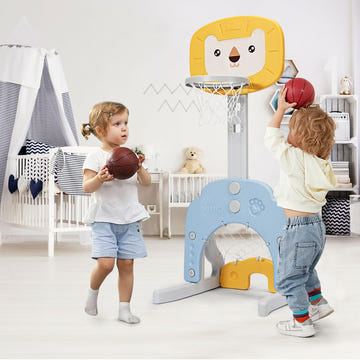
3-in-1 Adjustable Kids Basketball Hoop Sports Set - ...
$52.99
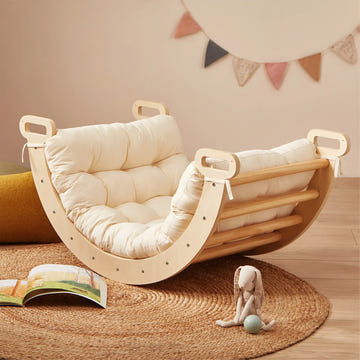
Tiny Land Thick Padded Play Cushion Arch Not Included
$74.99
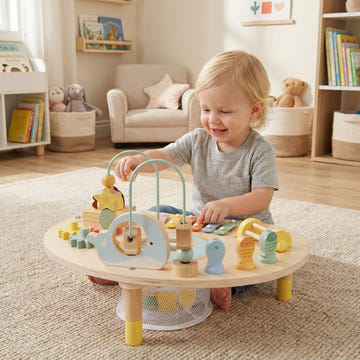
7-in-1 Toddler Activity Table Montessori Sensory Toy...
$39.99
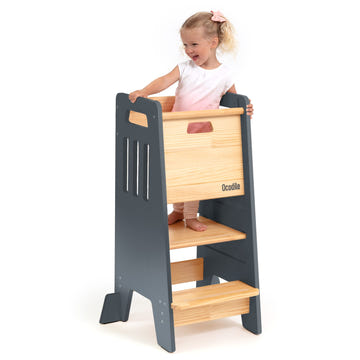
Standing Toddler Tower with Sliding Safety Door
$129.99
What About Montessori Climbing Toys? Are They Worth It?
Montessori climbing toys emphasize natural materials (untreated wood, cotton, wool), open-ended play, and child-led exploration aligned with Dr. Maria Montessori's educational philosophy. Pikler triangles are Montessori-aligned by design. Many climbing playhouses? Not so much.
The philosophy is solid—kids learn best when they direct their own movement and play. But you're paying a 20–40% price premium for Montessori-branded items that are often the same quality as non-branded versions.
Worth it if you value the aesthetics (natural wood, neutral colors, minimal branding) and want to align with Montessori principles at home. Not required for the actual developmental benefits.
Your toddler's gross motor skills don't care if the climbing triangle cost $180 or $340. They care that it's sturdy, safe, and available when they want to climb.
Real Parent Favorites: Tested Climbing Toys That Last
These are climbing toys for toddlers that parents actually use daily. Tested by real families, not just Instagram influencers with dedicated playrooms. These recommendations come from parents who've used them through multiple children and harsh weather conditions.
Pikler Triangle: The Goodevas Foldable Triangle with Ramp hits 4.8 stars for good reason. It's $189, folds flat for storage, and the ramp reverses to a slide. Tested by parents who don't have a dedicated playroom and need to collapse it for weekend guests.
Indoor Trampoline: The ANCHEER 36-Inch Kids Trampoline with adjustable handlebar is $79 and holds up to daily jumping from multiple toddlers. The handlebar adjusts from 28–36 inches as kids grow. Trusted by parents who've used it for 2+ years, not just influencers paid to post once.
Climbing Playhouse: The Step2 Play Up Gym costs $299 and includes a climbing wall, slide, and tunnel. It's plastic, which means you're not resealing wood every spring or dealing with splinters. Real reviews from real yards confirm it lasts 4+ years outdoors.
Where to shop: Look for vetted brands with actual return policies. As a parent-owned baby marketplace since 2020, backed by 200,000+ cups sold since 2020, we stock what we'd use ourselves—the same standard we apply to everything from climbing toys to our 4.8-star Moogco Silver Nursing Cups made with antimicrobial 925 sterling silver that heal cracked nipples, mastitis, and thrush naturally.
Why Do Moogco Baby Parents Trust Our Play Gear Recommendations?
We've been vetting baby and toddler gear since 2020 as parent-owners, not a corporate marketplace running affiliate links to whatever pays the highest commission. Every recommendation comes from parents who've actually used the product through teething, tantrums, and toddler chaos.
Real reviews from 200,000+ cups sold—not fake 5-star bots or incentivized fluff. When we say a Pikler triangle folds flat or a trampoline lasts through two toddlers, we mean it because we've watched parents use them for years.
We stock what we'd actually use. Like our Moogco Silver Nursing Cups made with genuine 925 sterling silver that heal cracked nipples, mastitis, thrush, and nipple vasospasm with natural antimicrobial properties—same honest approach, different stage of parenting.
Shop climbing toys, trampolines, and outdoor play gear with confidence. Less worry. More wonder.
Frequently Asked Questions
What age can toddlers start using a Pikler triangle?
6 months with supervision for pulling up to stand. Independent climbing starts around 12–18 months. Kids safely use Pikler triangles until age 5, making it one of the longest-lasting climbing toys you'll buy.
Are indoor trampolines safe for 2-year-olds?
Yes, if they have handlebar support, padded frames, and low height (8–9 inches off the ground). Always supervise—trampolines are for controlled bouncing, not acrobatics. Look for models specifically designed for toddlers like the ANCHEER 36-Inch Kids Trampoline, not mini versions of adult trampolines.
How much space do you need for a Pikler triangle?
Minimum 6x6 feet of clear space around the triangle for safe climbing and dismounting. Foldable models collapse to about 6 inches thick, so you can store them against a wall when not in use.
What's the best climbing toy for small apartments?
A foldable Pikler triangle or compact indoor trampoline with handlebar. Both fit in under 40 inches of width and store flat. Skip the playhouse unless you've got outdoor space—they don't fold and take over entire rooms.
Do climbing toys really help with gross motor skills?
Yes. Climbing builds core strength, balance, coordination, and spatial awareness from ages 1–5. You're watching your toddler figure out how their body moves through space, which is foundational for running, jumping, and every sport they'll try later.
Can you leave climbing playhouses outside year-round?
Plastic playhouses: yes, if they're UV-resistant like the Step2 Play Up Gym. Wood playhouses: yes, but seal them annually to prevent rot and splintering. Both need to be anchored to prevent tipping in wind.
What's a reasonable budget for toddler climbing toys in 2026?
Plan for $150–$400 total for a quality setup. Pikler triangle runs $120–$250, indoor trampoline $60–$100, outdoor playhouse $150–$350. You don't need all three—pick what fits your space and how your toddler plays.
Bring this guide home with 15% off.
Use code HAPPYSPRING for 15% off →
Frequently Asked Questions
What age can toddlers start using a Pikler triangle?
6 months with supervision for pulling up to stand. Independent climbing starts around 12, 18 months. Kids safely use Pikler triangles until age 5, making it one of the longest-lasting climbing toys you'll buy.
Are indoor trampolines safe for 2-year-olds?
Yes, if they have handlebar support, padded frames, and low height (8, 9 inches off the ground). Always supervise, trampolines are for controlled bouncing, not acrobatics. Look for models specifically designed for toddlers like the ANCHEER 36-Inch Kids Trampoline, not mini versions of adult trampolines.
How much space do you need for a Pikler triangle?
Minimum 6x6 feet of clear space around the triangle for safe climbing and dismounting. Foldable models collapse to about 6 inches thick, so you can store them against a wall when not in use.
What's the best climbing toy for small apartments?
A foldable Pikler triangle or compact indoor trampoline with handlebar. Both fit in under 40 inches of width and store flat. Skip the playhouse unless you have outdoor space, they don't fold and take over entire rooms.
Do climbing toys really help with gross motor skills?
Yes. Climbing builds core strength, balance, coordination, and spatial awareness from ages 1, 5. You're watching your toddler figure out how their body moves through space, which is foundational for running, jumping, and every sport they'll try later.
Can you leave climbing playhouses outside year-round?
Plastic playhouses: yes, if they're UV-resistant like the Step2 Play Up Gym. Wood playhouses: yes, but seal them annually to prevent rot and splintering. Both need to be anchored to prevent tipping in wind.
What's a reasonable budget for toddler climbing toys in 2026?
Plan for $150, $400 total for a quality setup. Pikler triangle runs $120, $250, indoor trampoline $60, $100, outdoor playhouse $150, $350. You don't need all three, pick what fits your space and how your toddler plays.
How do you anchor a climbing playhouse so it doesn't tip over?
Most quality playhouses include ground anchoring stakes or auger anchors that screw 12-18 inches into the soil at each corner. For extra stability on concrete or deck surfaces, use heavy-duty L-brackets bolted through the playhouse base into the ground surface. Wind can turn unsecured playhouses into dangerous projectiles, so anchoring is non-negotiable, especially if your toddler climbs on the roof. Check anchor tightness every few months as ground shifts with weather.
From Moogco Studio
Printable and personalized nursery essentials. Designed by moms for moms.


About the Editor
Eda Ulger is the editor at Moogco Baby and a mom of two. She curates and edits our guides so every piece is honest, practical, and genuinely helpful for the early days of motherhood.
Shop This Story
Picks related to this guide, ready to ship from Moogco.
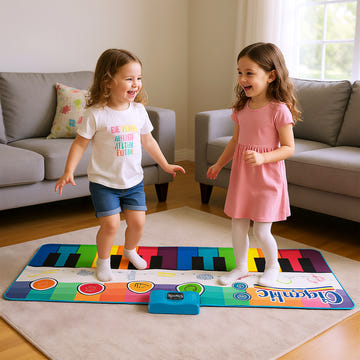
Floor Piano Dance Mat for Kids Musical Playmat with ...
$49.99
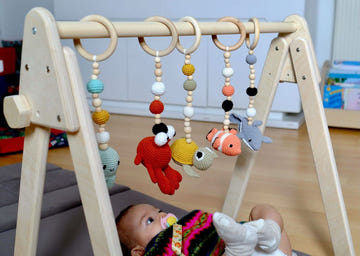
Kidodido Baby Play Gym Wooden Montessori Foldable wi...
$76.97
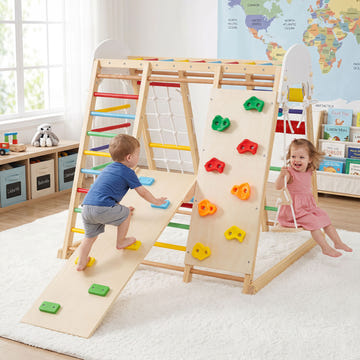
8-in-1 Foldable Indoor Jungle Gym for Kids with Swin...
$169.99
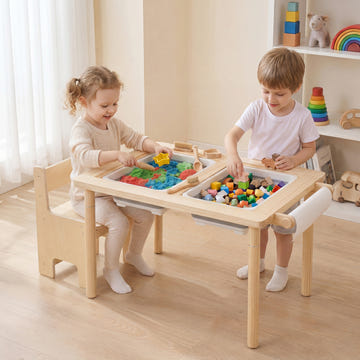
Kids Sensory Table Set with Adjustable Height and 2 ...
$69.99
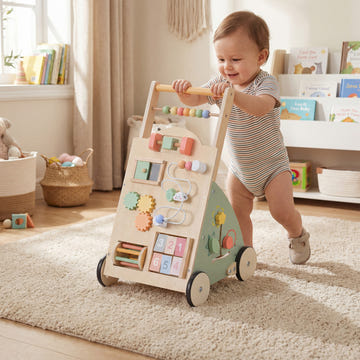
Wooden Baby Walker with Wheels and Storage Basket - ...
$52.99
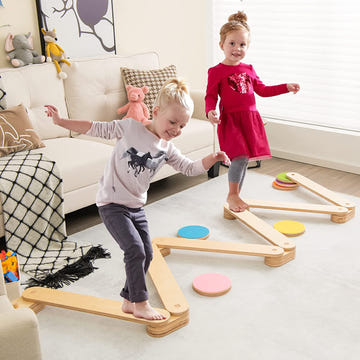
12-Piece Kids Wooden Balance Beam with Colorful Stee...
$47.99
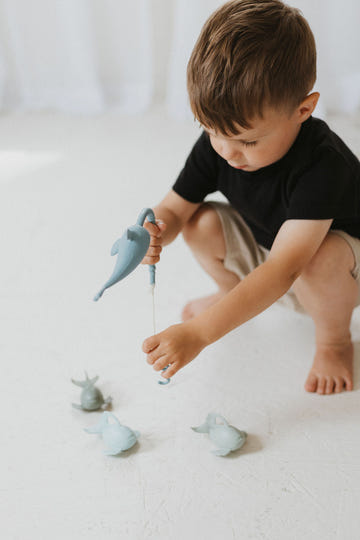
ShopMyLittleSongbird Silicone Fishing Set 3 Fish 1 N...
$15.99
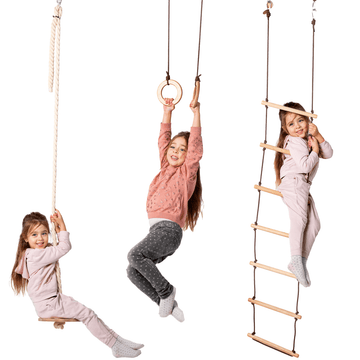
Goodevas 3in1 Swing Climbing Set Rope Ladder Gym Rin...
$79.00
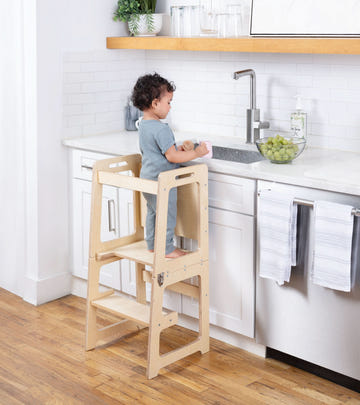
Avenlur 4-in-1 Convertible Toddler Kitchen Tower Des...
$119.00
Rainbow Sensory Playmat Set
$104.95