


What is the best nipple shield for breastfeeding?
Short answer: A nipple shield is a thin silicone cover worn during a feed to help a baby latch, and the right one is sized to your nipple diameter rather than your breast. Shields fix latch problems; they do not heal damage. For cracked nipples between feeds, silver nursing cups are the separate tool.
Many moms use a shield during feeds and silver nursing cups between feeds to help sore nipples recover. See how the 999, 925, and trilaminate cups compare.
- Size by nipple diameter, not breast size or baby weight
- Silicone contact shields are the standard, glass and metal are niche
- Shields help latch during a feed, they do not heal cracks
- Silver nursing cups are worn between feeds for healing
- Wean off a shield with IBCLC support, not abruptly
Quick answer: Most moms do best with a thin silicone nipple shield sized to the nipple, not the areola: measure your nipple's base diameter and add 2 to 4 mm. A 24 mm shield is the most common starting size; 20 mm or smaller suits smaller nipples. Use a shield as a short-term tool with lactation support, and let skin heal between feeds with silver nursing cups.
Nipple shield sizes at a glance
| Shield Size | Fits Nipple Base Diameter | Notes |
|---|---|---|
| 16 mm | Up to about 12 mm | Smallest common size; check brand availability |
| 20 mm | About 13 to 16 mm | A frequent fit for smaller nipples |
| 24 mm | About 17 to 20 mm | The most common starting size |
| 28 mm | 21 mm and up | For larger nipples; not every brand offers it |
The shield should slip on without pinching and your nipple should be able to expand into the tip without rubbing the sides. When in doubt, size up for comfort and ask an IBCLC to check the fit.
When you're searching for the best nipple shields for breastfeeding, you first need to figure out what problem you're trying to solve. Is it a latch issue, or is it about healing sore, cracked nipples between feeds? For latching troubles, a thin, flexible silicone shield is usually the go-to. But for recovery, silver nursing cups like MoogCo's offer a completely different kind of protective healing.
The "best" tool is simply the one that fits your immediate need.
Moms have bought more than 200,000 Moogco silver nursing cups on Amazon, and the single most common question they ask us is about nipple shields: which one, what size, and how to stop using it. This guide answers all three.
The nipple shields we stock, compared
Most shield guides compare brands the writer has never handled. We sell four of them, so this table is our own shelf: seven sizes from 16 mm to 27 mm, from four makers, all reachable in one cart. If the first size is wrong you can swap brands without starting a new order somewhere else.
| Shield | Sizes available | From | Best for |
|---|---|---|---|
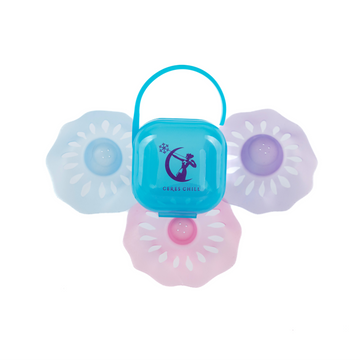
| Ceres Chill Shield Maiden | 17, 24, 27 mm, plus a sizing kit | $14.50 | Not knowing your size yet. The sizing kit lets you test before you commit. |
| Haakaa Silicone Shields 2 pk | 18 mm or 24 mm | $13.93 | A spare in the bag. Two per pack, so one stays clean while the other is drying. |
| Bae & Bee Cherry Shaped | 21 mm | $14.00 | The gap most brands skip. If 18 mm pinches and 24 mm slips, this is the size in between. |
| Hello Postpartum Shield System | 16, 20, 24 mm | $20.00 | Leaving the house. It ships with its own case. |
| Haakaa Round Shape 1 pk | One size, round contact area | $19.05 | A wider contact area against the breast rather than a cut-away front. |
A shield is a latch tool, not a healing tool. If the reason you are reaching for one is cracked or bleeding nipples, the shield helps you get through the feed, and silver cups are what you wear between feeds. They solve two different problems and plenty of mothers use both in the same week.
Picks From This Story
Picks related to this guide, ready to ship from Moogco.

momjug breastfeeding water bottle 50oz double-wall s...
$49.99
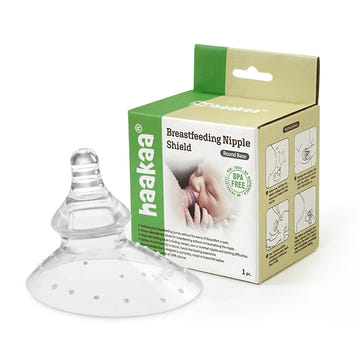
Haakaa Silicone Breastfeeding Nipple Shield Round Sh...
$19.05
Organic Nipple Butter™ - Double-Sided for Kids
$14.99
Bae & Bee Boutique LactTube 5FR Pediatric Feeding Tu...
$3.00
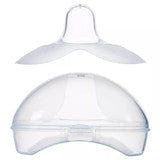
Bae & Bee Boutique Cherry Shaped Nipple Shield 21mm ...
$14.00
Ceres Chill Shield Maiden Nipple Shields 2pc or 3pc ...
$14.50
Navigating Your Breastfeeding Journey
Breastfeeding is one of the most natural things in the world, but that doesn't mean it's always easy. It's a journey, and almost every mom hits a few bumps along the way. Whether it's the initial struggle to get a good latch or the unexpected soreness that follows, having the right support makes all the difference.

This guide is here to clear up the confusion around breastfeeding aids. We'll break down the two main types of tools, those that help with the act of feeding and those that help you heal afterward, so you can feel confident in your choices.
Backed by 200,000+ cups sold since 2020
Heal faster with silver nursing cups
Take 15% off at checkout, applied automatically when you shop through this link.
Shop with HAPPYSPRING →Free US shipping over $100. Code applies automatically at checkout.
Latch Aids vs. Healing Tools
First things first: not all "nipple shields" do the same job. It's a common point of confusion, but a critical one to understand. One type is designed to help your baby feed more effectively, while the other is all about helping you recover and feel comfortable. Knowing which you need is the key. Many new parents also find it helpful to look into broader resources on newborn and maternity care to feel more prepared for this new chapter.
Let's break down the fundamental differences.
| Feature | Silicone Nipple Shields | Silver Nursing Cups (like MoogCo) |
|---|---|---|
| Primary Use | Assisting with latching during feeds | Soothing and protecting sore nipples between feeds |
| When to Use | Worn only while the baby is nursing | Worn inside your bra between nursing sessions |
| Material | Medical-grade silicone | 925 sterling silver |
| Key Benefit | Creates a firm, consistent target for a baby to latch onto | Provides a protective barrier that fosters a healing environment |
Silicone nipple shields are meant to be a temporary fix, often recommended by lactation consultants for very specific latching problems.
- They can help a baby with a weak suck or a tongue-tie get a deeper, more effective latch.
- They're useful for moms with flat or inverted nipples, creating a more pronounced shape for the baby.
- They can also help transition a baby who is used to a bottle back to the breast.
Silver nursing cups, like the MoogCo Original Silver Nursing Cups, serve a completely different purpose. You don't use them for latching at all. Instead, they are a postpartum recovery essential. You slip them inside your bra to shield sensitive, sore nipples from rubbing against fabric and to create a naturally soothing environment that helps your skin heal without messy creams or balms. For anyone getting ready for this stage, gathering information on how to prepare for breastfeeding can be a huge help.
The real goal isn’t just to buy a product; it’s to identify the root of your breastfeeding challenge. A silicone shield is a mechanical tool for latching. A silver cup is a healing tool for your body’s recovery.
When to Consider Using a Nipple Shield
Deciding to use a nipple shield is a big step in your breastfeeding journey, one that’s best made with solid information and some professional advice. While they aren't the go-to solution for every problem, nipple shields can be lifesavers when used correctly for specific situations. Think of them as a temporary bridge to help you and your baby get over those first few hurdles.
The trick is to see them for what they are: a clinical tool, not a band-aid. They help with the mechanics of latching, but you still need a plan to fix whatever caused the issue in the first place. This is why working with an International Board Certified Lactation Consultant (IBCLC) is so important, they can make sure you’re using the shield correctly and protecting your milk supply for the long haul.
Addressing Latch Difficulties
One of the top reasons a lactation consultant might suggest a nipple shield is for a baby who just can't seem to get or keep a deep latch. This can happen for a few different reasons, and a shield can help navigate each unique challenge.
-
Premature Babies: Little preemies often have a weaker suck and get tuckered out pretty quickly during feedings. A shield gives them a firmer, more consistent target that’s easier to latch onto, which can stimulate their palate and encourage them to suck more strongly. It helps them get milk more efficiently without using up all their energy.
-
Tongue or Lip Ties: When a baby has a restricted tongue or lip, they can't always open wide enough or use their tongue properly to pull the nipple deep into their mouth. A shield can provide temporary support, helping them get a better latch until the tie can be properly looked at and treated by a specialist.
-
Transitioning from a Bottle: Some babies get used to the firm, predictable feel of a bottle nipple and then get frustrated at the breast. A shield can feel more familiar to them, acting as a go-between to gently guide them back to nursing directly.
A nipple shield is a tool, not a cure. The whole point is to make breastfeeding possible while you and a lactation consultant work on solving the root cause of the latch problem.
Navigating Maternal Anatomy Challenges
Sometimes, the challenge isn't with the baby, but with the mother's own anatomy. Many babies can handle all sorts of nipple shapes and sizes, but some need a little extra help, especially in those early days when breasts are still firm and milk is just coming in.
A shield can be a game-changer for moms with flat or inverted nipples. It creates a more pronounced shape, giving the baby something obvious to latch onto and triggering their natural sucking reflex. This helps them draw both the nipple and areola tissue into their mouth, which is key for getting enough milk. For mothers dealing with the discomfort that can come with these challenges, using the best natural nipple cream between feedings can also offer some much-needed relief.
In these situations, the shield is almost always a temporary fix. As your baby gets stronger and better at nursing, and as your own nipple tissue becomes more pliable from breastfeeding, you can often wean off the shield completely.
Comparing Nipple Shield Materials: Silicone vs. Silver
| Type | Worn when | Best for | Keep in mind |
|---|---|---|---|
| Standard silicone shield | During the feed | Latch trouble, flat or inverted nipples, premature babies | Needs correct sizing; plan to wean off with support |
| Cherry shaped shield | During the feed | Larger nipples that feel cramped in standard cones | The rounded chamber gives the nipple more room |
| Silver nursing cups | Between feeds | Soothing sore and cracked nipples while they heal | Not a feeding shield; remove before nursing. See our 925 vs 999 silver evidence guide |
When you start looking into nipple shields, you'll find two materials keep popping up: silicone and silver. At first glance, they might seem similar, but they serve completely different purposes. Getting this distinction right is the key to finding the relief you actually need.
Think of it this way: medical-grade silicone is a tool you use during a feed to help your baby latch. On the other hand, 925 silver is a recovery aid you wear between feeds to soothe and protect your nipples. One is about the mechanics of nursing, while the other is about your comfort and healing.
And make no mistake, the demand for these tools is growing fast. The global market for contact nipple shields hit around $150 million in 2023 and is on a steep upward climb. This boom shows that more and more mothers are aware of common breastfeeding challenges and are actively seeking out products that can help them succeed. You can find more details on these market trends at dataintelo.com.
This decision tree gives a great overview of when a silicone shield might be the right call for specific latching issues.
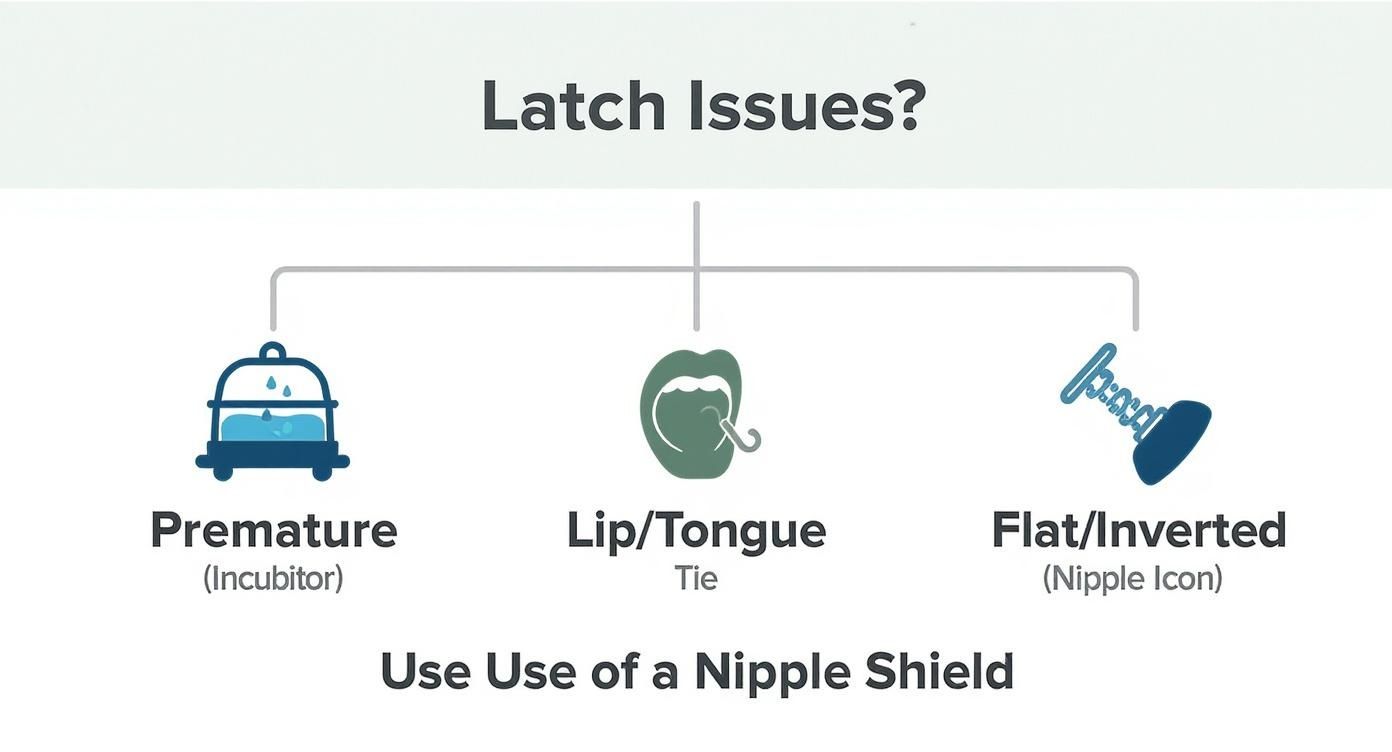
As the infographic shows, things like prematurity, anatomical issues like tongue-ties, or flat or inverted nipples are the main reasons you'd reach for a silicone shield, always with guidance from a professional.
The Role of Medical-Grade Silicone
Silicone nipple shields are thin, pliable tools you place over your nipple just before the baby latches on. Their whole job is to create a firmer, more defined shape that helps a baby get a good seal and maintain suction. This becomes incredibly helpful in a few common situations.
Scenario A: The Premature Infant
Preemies often have a weak suck and get tired out quickly. A silicone shield gives them a stable target that stimulates the roof of their mouth, encouraging a stronger sucking reflex so they can get more milk with less effort.
Scenario B: The Transition from Bottle to Breast
Sometimes, a baby gets used to the firm feel of a bottle nipple and finds the soft, pliable breast confusing. A shield can act as a bridge, offering a familiar texture that helps ease them back to nursing directly at the breast.
It’s important to remember that silicone shields are a clinical tool. They are meant to be a temporary fix while you and a lactation consultant work on solving the underlying latch problem.
The core benefit of silicone is structural support. It reshapes the nipple area to make it mechanically easier for a baby to latch, especially when they face physical or developmental challenges.
The Purpose of 925 Silver
Silver nursing cups, like our MoogCo Original Silver Nursing Cups, work on an entirely different principle. Crafted from pure 925 silver, they are never worn during a feed. Instead, you slip them inside your bra between nursing sessions to protect sore, cracked, or just plain sensitive nipples.
The magic of silver lies in its natural properties and its ability to create a healing cocoon. The cups act as a physical barrier, stopping your bra or shirt from rubbing against already agonizingly painful skin.
Scenario C: The Mother with Cracked Nipples
For a mom dealing with painful nipple cracks, silver cups can be a lifesaver. The cups shield the raw skin, and the few drops of breast milk that collect inside keep the area moist, which prevents scabbing and helps the skin heal without any creams or balms.
Scenario D: The Proactive New Mother
You don't have to wait for damage to happen. Many mothers wear silver cups preventatively in those early days of breastfeeding. They help maintain skin integrity by reducing the constant friction and moisture that often lead to irritation before it even starts.
To make things clearer, let's break down the key differences side-by-side.
Material Comparison: Silicone Shields vs. Silver Cups
This table shows exactly how these two tools stack up against each other, highlighting their very different roles in a breastfeeding journey.
| Feature | Silicone Nipple Shields | Silver Nursing Cups (e.g., MoogCo) |
|---|---|---|
| Primary Function | Latch assistance during feeding | Nipple healing and protection between feedings |
| Material | Thin, flexible medical-grade silicone | Solid 925 sterling silver |
| Impact on Milk Transfer | Can affect transfer if ill-fitting; requires monitoring | No impact, as it's not worn during nursing |
| Comfort | Designed for baby's comfort in the mouth | Designed for mother's comfort and nipple relief |
| Maintenance | Must be sterilized or washed with hot, soapy water after each use | Simple rinse with water and occasional cleaning with a paste |
| Ideal User | Mother with a baby struggling to latch due to prematurity, ties, or anatomical challenges | Mother experiencing nipple soreness, cracking, or irritation |
As you can see, they are designed for completely separate problems. One is for the baby's latch, and the other is for the mother's recovery.
Making the Right Choice for Your Situation
Deciding between silicone and silver isn't about which one is "better", it's about which one solves the problem you're facing right now.
Is your baby physically struggling to latch onto the breast? If it’s a mechanical issue, a silicone shield, used with the help of a lactation consultant, could be the right path.
Or, is the latch itself fine, but you're the one in pain from soreness, cracking, or sensitivity between feeds? That’s where silver nursing cups shine. They are a tool built for your comfort and recovery, helping you continue your breastfeeding journey without gritting your teeth through the pain.
More Related Picks
A few more favorites from the same collection.

Holistic Lactation Advanced Lactation Formula 30 Ser...
$34.99
Healthy Horizons Elvie Pump Breast Shields 2 Pack 21...
$29.99

Mila's Keeper Silicone Breast Milk Bottle 6 oz Stand...
$36.00
Haakaa Silicone Inverted Nipple Aspirators 2 pk
$17.99
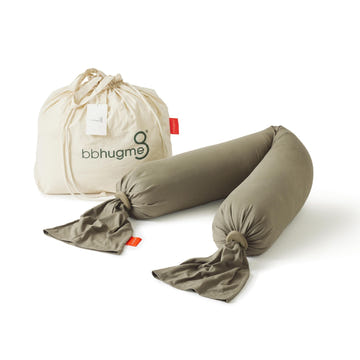
bbhugme Pregnancy Pillow Dusty Olive Adjustable Firm...
$219.00
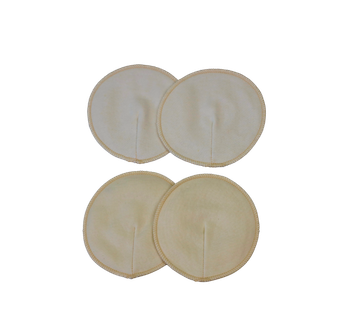
Babee Greens Contoured Nursing Pads 1 Pair Organic C...
$7.25
How to Achieve the Perfect Nipple Shield Fit
Nipple Shield Sizes: How to Measure at Home
Most nipple shields come in sizes from 16 mm to 24 mm, and the number refers to the diameter at the base of the nipple, not your breast or areola. To measure, gently press a ruler or measuring tape flat against your chest at the base of your nipple after a feed, when the nipple is at its natural size. Then pick the shield size closest to that measurement with a millimeter or two of breathing room.
- 16 mm: smaller nipples, often the right call for moms of premature babies
- 20 mm: the most common middle ground and the usual starting point
- 24 mm: larger nipples, or when a 20 mm feels tight at the base
- Cherry shaped, around 21 mm: a rounded chamber instead of a cone, for nipples that rub against standard tips
A shield that is too small pinches and rubs, and one that is too large makes it hard for your baby to get a deep latch. If you are between sizes, most lactation consultants suggest starting with the smaller one and watching how the nipple sits inside the tip during a feed. Bottle feeding families deal with a similar sizing puzzle on the other side; our guide to baby bottle nipple sizes covers that.

When it comes to nipple shields, the brand name on the box matters far less than the fit. Getting the size right is everything. A shield that's too big or too small isn't just a minor annoyance; it can cause real issues, from nipple damage and pain to poor milk transfer, which can ultimately impact your supply. The whole point is to find a shield that lets your nipple stretch comfortably into the tip without rubbing against the sides.
Honestly, proper sizing is the most critical step. Nipple shields are measured in millimeters (mm), which refers to the inside diameter of the part your nipple goes into. This is definitely not a one-size-fits-all product. What worked wonders for your friend might be a disaster for you. Taking a few minutes to measure correctly can save you a ton of frustration down the road.
The market for these tools is growing fast for a reason, more parents are aware of the support available for breastfeeding challenges. This trend shows a real demand for well-designed solutions. You can dig deeper into this growth in research from archivemarketresearch.com.
How to Measure for a Nipple Shield
Measuring your nipple is something you can easily do at home. For the best result, measure just before a feed or after you've gently stimulated your nipple to an erect state. This gives you the most accurate idea of its size when your baby is nursing.
Just follow these simple steps:
- Grab a Ruler or Measuring Tape: Make sure it has millimeter markings.
- Measure the Diameter: Measure the width across the base of your nipple, from one side to the other. Be careful not to include your areola in the measurement.
- Account for Swelling: Your nipple will expand a bit from the suction while your baby nurses. A good rule of thumb is to add 2-4 mm to your measurement to find your ideal shield size. So, if your nipple measures 18 mm, you’ll want to look for a shield in the 20 mm to 22 mm range.
A common mistake is going too big. A larger shield might seem like it would be more comfortable, but if it's too loose, it can pull too much of your areola into the tunnel. This can cause pain and actually make it harder for your baby to latch effectively.
Signs of a Good Fit
So you've picked a size, but how do you know it's really the right one? The true test is how it feels and works during a feed. A great fit means you're comfortable and your baby is getting plenty of milk.
Here’s what you should be looking for:
- No Pinching or Rubbing: Your nipple should sit right in the center of the tunnel, able to move freely without scraping the sides.
- Nipple Fills the Tip: As your baby nurses, your nipple should stretch and fill the entire tip of the shield.
- Comfort is Key: You might feel a little pulling at first, but you shouldn't feel any sharp pain, pinching, or serious discomfort.
- The Shield Stays Put: A well-fitted shield will create a good seal against your skin and stay in place without you having to constantly hold it there.
If you notice your nipple looks compressed, flattened, or blanched (turns white) after a feed, your shield is probably too small. On the other hand, if a lot of your areola is getting pulled into the tunnel, it's likely too big. Don't be afraid to try a different size or, better yet, get a professional fitting from a lactation consultant. They’re the pros
Understanding MoogCo Original Silver Nursing Cups
When you're searching for "best nipple shields for breastfeeding," you're usually trying to solve a latching problem. But what about the pain and soreness that so often come with the territory? That's where a completely different kind of tool comes in: MoogCo Original Silver Nursing Cups.
These cups aren't meant to be worn while your baby is feeding. Instead, they’re designed to soothe and protect your nipples between nursing sessions. Think of them less as a latching aid and more as a natural, protective solution for healing sore, cracked, or just plain sensitive nipples. It’s a key distinction that makes them a unique postpartum care essential.
The Science of 925 Silver for Nipple Care
So, how do they work? MoogCo cups are handcrafted from pure 925 sterling silver, and its natural properties are what make them so effective. First and foremost, they act as a physical barrier. The smooth silver prevents your bra or clothing from rubbing against already tender skin, which provides immediate relief from that constant, painful friction.
But the real magic happens on the inside. A few drops of your own breast milk will collect in the cup, creating a moist, healing environment right where you need it. This simple, natural process helps prevent the scabbing and drying that makes cracked nipples so agonizing, allowing your skin to repair itself more comfortably.
MoogCo cups offer a cream-free, chemical-free approach to nipple care. They create a protective micro-environment that leverages the natural properties of silver and your own breast milk to soothe and restore skin integrity.
Who Are MoogCo Silver Cups For?
These nursing cups are a lifesaver for moms who need comfort and healing, not help with their baby's latch. They're all about managing the physical side effects of breastfeeding.
MoogCo might be the perfect fit for you if you're:
- Experiencing Nipple Soreness: They're fantastic for that initial tenderness, chafing, and sensitivity that’s so common in the early days of breastfeeding.
- Healing from Cracked Nipples: For painful cracks or blisters, the protective barrier and healing environment are a game-changer.
- Seeking a Natural Alternative: If you’d rather avoid creams and balms that have to be wiped off before every feed, silver cups are a brilliantly simple solution. For those who do prefer creams, you can explore some of the best nipple cream for breastfeeding.
- Proactively Protecting Your Nipples: Many moms start using them right away as a preventative measure to keep their nipples comfortable and healthy before any issues pop up.
How to Find and Size Your MoogCo Cups
Getting your hands on authentic MoogCo cups is easy. They're sold through trusted retailers, which ensures you’re getting a high-quality, handcrafted product made from genuine 925 silver. Just make sure you're buying from an authorized seller.
Sizing is also refreshingly simple. MoogCo offers different sizes, like Regular and X-Large, to fit a range of breast and areola sizes. You want the cup to sit comfortably around the base of your nipple without pinching or compressing it. The right fit will feel discreet under your nursing bra, giving you that constant, soothing protection day and night.
Safe Usage, Cleaning, and Weaning from Nipple Shields
Getting the hang of a nipple shield is more than just finding the right fit. You’ve got to be diligent about keeping it clean and have a game plan for eventually saying goodbye to it. Think of it as a temporary tool, a bridge to get you to your goal. Skipping the cleaning or dragging out the weaning process can cause bumps in the road you just don’t need.
It’s no surprise that the market for breastfeeding aids is growing. With so many new products hitting the shelves, knowing how to use them from start to finish is key.
Keeping Your Nipple Shields Clean
When it comes to anything that touches your baby’s mouth, hygiene is everything. A nipple shield sits right against your breast and goes directly into your baby's mouth, so keeping it clean is critical to prevent any nasty bacteria from showing up.
For Silicone Nipple Shields:
- After Every Feed: Don't let it sit. Wash it right away with hot, soapy water. It’s a good idea to have a separate small basin and brush just for this, so you’re not mixing it with dirty dishes in the sink.
- Daily Sterilization: Once every 24 hours, give it a thorough sterilization. You can boil it for five minutes or just pop it into a steam sterilizer bag. Easy.
- Air Dry Completely: Let it dry on a clean paper towel or a dedicated drying rack. Tucking it away while it's still damp is a recipe for germ growth.
This level of care applies to all types of shields. If you're using silver cups, for instance, there are specific tips on how to clean 925 silver that are incredibly helpful. The bottom line is, keeping things clean keeps your baby safe.
Treat your nipple shield just like you would a baby bottle. A solid routine of washing and sterilizing is your best defense against germs.
A Gentle Guide to Weaning Off Nipple Shields
Most moms hope to eventually nurse without a shield. The secret to weaning is patience and following your baby’s lead. There's no set timeline, and pushing too hard will only create stress for both of you.
Here are a few gentle approaches that often work well:
- The Mid-Feed Switch: Start the feeding with the shield on, just like usual. Once your milk lets down and your baby is in a nice, steady rhythm, gently slide your pinky into the corner of their mouth to break the suction. Quickly remove the shield and offer your bare breast. Sometimes they'll latch right on without missing a beat.
- The Calm and Sleepy Latch: Try offering the breast without the shield when your baby is relaxed and not desperately hungry. A sleepy feed in the middle of the night or right after a nap is the perfect time. A calm baby is a more cooperative baby.
- Lots of Skin-to-Skin: Never underestimate the power of skin-to-skin contact. Cuddling with your baby against your bare chest taps into their natural instincts to root and latch, making them more likely to go for the real deal. If you need a refresher, check out our guide on nipple care during breastfeeding.
If your baby fusses or refuses, don't sweat it. Just pop the shield back on and try again another time. The goal is to keep nursing a positive, happy experience. Working with a lactation consultant can be a game-changer here, they can give you personalized tips to make the transition a whole lot smoother.
How to Wean Off a Nipple Shield, Step by Step
Most babies can transition off a shield within a few weeks when you go gradually. Here is the routine lactation consultants recommend most often:
- Start the feed with the shield, then slip it off. Once your baby is in a rhythm and your letdown has started, quickly remove the shield and offer the bare breast. A drowsy, relaxed baby is far more willing to relatch.
- Offer the bare breast when your baby is calm, not starving. A frantic baby has no patience for practice. Try the first attempt of the day or right after a nap.
- Use lots of skin to skin. Nurse in a laid back position with your baby resting on your chest. Closeness triggers the instincts that make shield free latching easier.
- Drop one shielded feed at a time. Replace the easiest feed of the day first, then build from there over one to two weeks.
- Protect your nipples while you practice. Early shield free feeds can leave you tender. Wearing silver nursing cups between feeds soothes the skin so soreness does not derail the transition.
- Get an IBCLC involved if progress stalls. If your baby still refuses the bare breast after two to three weeks, a lactation consultant can check for tongue tie, latch mechanics, or flow issues.
The shield handles the feed. The healing between feeds is where silver comes in: see how the two work together in our silver nursing cups vs nipple shields comparison, or dive into the metal nipple shield guide.
A little thank you from one mama to another
If a shield or a set of silver cups is on your list, we would love to make it a little easier. Use code SHIELD15 at checkout for 15% off eligible items. Claim your discount here.
Answering Your Top Questions About Nipple Shields
When you're trying to figure out breastfeeding, a whole new world of questions pops up. If you're thinking about using a nipple shield or silver cups, you probably have a few concerns, from milk supply to safety. Let's get you some clear, practical answers so you can feel good about the choices you're making for you and your baby.
This is all about giving you straightforward advice to help you decide what's best.
Will Using a Nipple Shield Hurt My Milk Supply?
This is probably the number one question on every mom's mind. The honest answer is: it can, but it absolutely doesn't have to. If a shield causes a dip in supply, it's almost always because of a poor fit or the baby not transferring milk effectively. When your breast isn't stimulated enough, it doesn't get the signal to keep making more milk.
The single most important thing you can do to prevent this is to get the sizing right. After that, keep a close eye on your baby's output. You're looking for at least 6-8 wet diapers in a 24-hour period and consistent weight gain, those are your best signs that everything is working as it should.
If you're worried about your supply, the best move you can make is to see an International Board Certified Lactation Consultant (IBCLC). They can do a weighted feed to check milk transfer and make sure your baby is nursing efficiently with the shield.
How Can I Be Sure My Baby Is Getting Enough Milk with a Shield?
It’s completely normal to feel a little anxious about whether your baby is getting a full meal when there's a shield involved. Luckily, your baby gives you plenty of clues. A well-fed baby makes lots of wet and dirty diapers and usually seems relaxed and happy after a feeding.
Listen closely while your baby nurses, can you hear swallowing? Those little gulps are a fantastic sign that milk is moving. For total peace of mind, a lactation consultant can do a weighted feed. They'll weigh your baby right before and right after a feeding to measure exactly how much milk they took in.
Are Silver Nursing Cups Actually Safe for Me and My Baby?
Yes, absolutely. High-quality silver nursing cups, like the ones from MoogCo, are incredibly safe for both you and your little one. Ours are crafted from pure 925 silver and are meant to be worn between feedings. They act as a physical barrier, protecting sore nipples from rubbing against your bra and creating a naturally soothing environment.
Just remember to take them off right before you breastfeed. A quick rinse of your breast with a little water is all you need before latching your baby on. The best part? Unlike creams and balms, there’s no greasy residue to wipe away, which makes them a super simple and all-natural way to care for your nipples.
Ready for a natural, cream-free solution to soothe and protect your nipples? See what MoogCo's Original Silver Nursing Cups can do for you. You can find them on Amazon and get them delivered quickly.
Bring this guide home with 15% off.
Use code HAPPYSPRING for 15% off →
Related reading from Moogco Baby
Shop nipple shields: ultra-thin silicone shields in several sizes from Haakaa, Ceres Chill, Bae & Bee and Hello Postpartum. See the nipple shield collection, with a sizing guide on the page.
Frequently Asked Questions
Can I wear silver nursing cups to bed at night?
Absolutely! In fact, nighttime is one of the best times to wear silver nursing cups because your body does most of its healing while you sleep. Just make sure you're wearing a supportive bra that holds them in place comfortably. Many moms find overnight wear incredibly soothing after those late-night feeds.
How do I clean a silicone nipple shield between feedings?
Rinse your silicone nipple shield with warm, soapy water right after each use, then let it air dry on a clean towel. Once a day, you should sterilize it by boiling it in water for about five minutes or using a steam sterilizer. Proper cleaning is essential to keep your shield safe and bacteria-free for your baby.
What if my baby refuses to nurse without the nipple shield?
Shield dependency can happen, but it's usually temporary and fixable with patience. Try offering the breast without the shield when your baby is calm and not overly hungry, like at the start of a feed. Work with a lactation consultant to create a gradual weaning plan. Most babies transition off shields successfully within a few weeks.
Do I need to apply nipple cream when using silver nursing cups?
Nope! That's one of the biggest advantages of silver nursing cups. They create a naturally soothing, protective environment for healing without the need for sticky creams or ointments. Many moms love this because it means no residue to wipe off before the next feed, and no worrying about what their baby might ingest.
How long does it take for silver nursing cups to help with soreness?
Many moms report feeling relief within the first 24 to 48 hours of consistent use. The silver creates a healing barrier that protects your nipples from friction and moisture, allowing your skin to recover naturally. The more consistently you wear them between feeds, the faster you'll notice improvement.
Can I use a nipple shield if I have an oversupply of milk?
Yes, but be cautious. Some moms with oversupply find that a shield can actually slow the flow and make it easier for their baby to manage the milk without choking. However, shields can sometimes reduce stimulation and affect your supply over time, so it's best to work closely with a lactation consultant to monitor things.
What size nipple shield should I choose for my baby?
Nipple shields come in different sizes, usually ranging from 16mm to 24mm in diameter. The right size depends on the measurement of your nipple, not your breast or areola. A lactation consultant can help you measure and fit the shield properly so it's snug but not too tight, ensuring your baby can latch effectively and transfer milk well.
Are there any downsides to using silver nursing cups long term?
Silver nursing cups are safe for extended use and don't have the same concerns as silicone shields when it comes to milk supply. The only real consideration is keeping them clean and ensuring they fit comfortably in your bra. As long as you're happy with the relief they provide and you're nursing successfully, there's no need to stop using them.
From Moogco Studio
Printable and personalized nursery essentials. Designed by moms for moms.


What sizes do nipple shields come in?
Most brands make nipple shields in 16 mm, 20 mm, and 24 mm, measured at the base of the nipple. Measure your nipple diameter after a feed and choose the closest size with a little breathing room. A shield that pinches is too small, and one that lets the nipple slide around is too large. Cherry shaped shields, usually around 21 mm, suit larger nipples that feel cramped in standard cones.
How do I wean my baby off a nipple shield?
Go gradually. Start a feed with the shield, then slip it off once your letdown begins and offer the bare breast. Practice when your baby is calm, use plenty of skin to skin contact, and replace one shielded feed at a time over one to two weeks. If your baby still refuses the bare breast after a few weeks, work with a lactation consultant to rule out latch or tongue tie issues.
Can nipple shields help with flat or inverted nipples?
Yes, this is one of the most common reasons lactation consultants suggest a shield. The firm tip gives your baby a defined shape to latch onto while your nipple is drawn out during the feed. Many moms find they only need the shield for the early weeks, then wean off it as the baby grows stronger and latching improves.
Are silver nipple shields the same as silicone nipple shields?
No. A silicone nipple shield is worn during the feed to help your baby latch. Silver nursing cups, sometimes called silver nipple shields, are worn between feeds to soothe and protect sore or cracked nipples while they heal. Many moms use both: silicone during the feed, silver in between. Always remove silver cups before nursing.
About the Editor
Eda Ulger is a co-founder of Moogco Baby, the editor of the Moogco Baby Journal, and a mom of two. She curates and edits our guides so every piece is honest, practical, and genuinely helpful for the early days of motherhood.
Shop This Story
Picks related to this guide, ready to ship from Moogco.
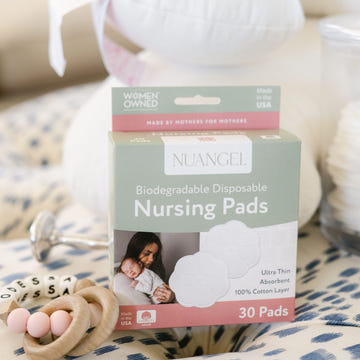
NuAngel Plant-based Disposable Nursing Pads individu...
$9.99
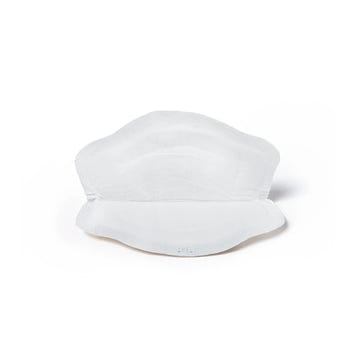
Zomee Breast Pumps Nursing Pads 100 or 200 count
$2.99

WishGarden Herbs Milk Rich Supply Booster pump top b...
$21.59

Wendy Anne Lounger Slip Cover Organic Cotton Waterpr...
$49.00
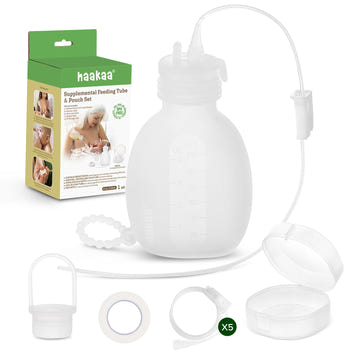
Haakaa Supplemental Feeding Tube and Pouch Set Size ...
$33.99

Milky Mama Dairy Duchess Raspberry Breastfeeding Sup...
$27.00
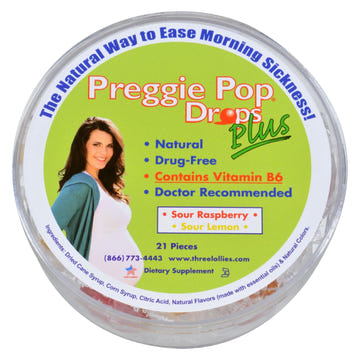
Preggie Drops Plus Morning Sickness Relief Lollies, ...
$13.75
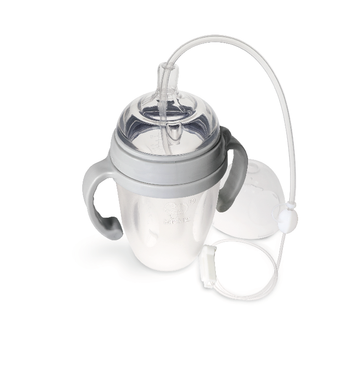
Haakaa Supplemental Feeding Combo 250ml Bottle with ...
$32.99

Euphoric Herbals Milk Machine lactation supplement 2...
$19.99
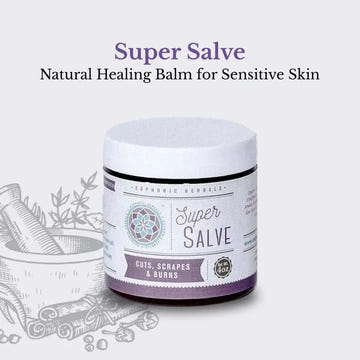
Euphoric Herbals Super Salve Nursing Salve no essent...
$10.00