


By the third trimester, "cute pregnancy" has often been replaced with "why do my feet feel like sandbags?" Pregnancy compression socks are one of the few products that work as advertised. We tested five top-rated pairs across hospital floors, desk jobs, and 8-hour shifts. Here is what holds up.
Quick answer: For most pregnant women, Sockwell Pulse at 15-20 mmHg is the sweet spot. Comfortable, breathable, and graded enough to reduce swelling without feeling tourniquet-tight. If you have a desk job, CEP Maternity at 18-20 mmHg is worth the upgrade.
Why pregnancy causes leg swelling
Pregnancy increases your blood volume by about 50 percent. Add hormones that relax blood vessel walls, plus the growing uterus pressing on the inferior vena cava, and you have the perfect recipe for fluid pooling in your lower legs.
Compression socks help by graduated pressure: tightest at the ankle, looser up the calf. This squeezes fluid back into your circulatory system instead of letting it pool in tissue.
Picks From This Story
Picks related to this guide, ready to ship from Moogco.

Sunflower Motherhood Morning Sickness Box nausea rel...
$65.00
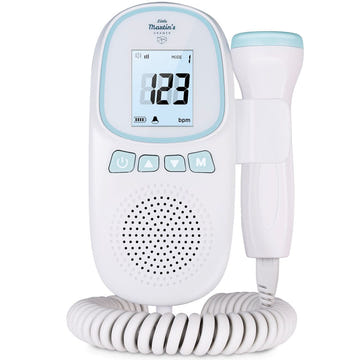
Little Martin's Portable Fetal Doppler USB Rechargea...
$69.99
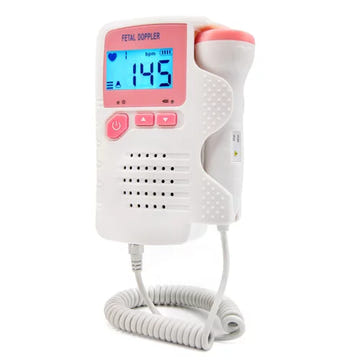
Little Martin's Drawer SpringBud FD-200B Fetal Doppl...
$52.99
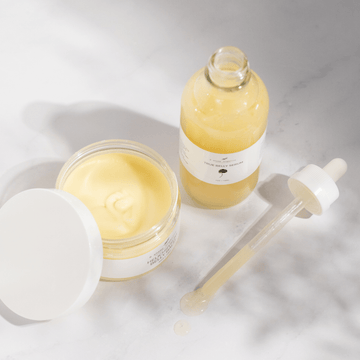
2-Step Stretch Mark Prevention Bundle
$69.00
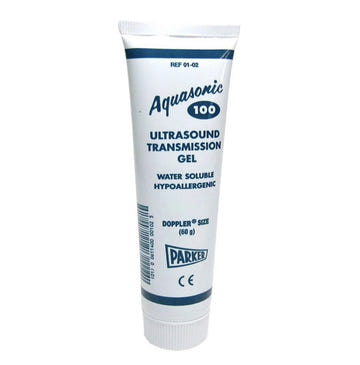
Aquasonic 100 Ultrasound Transmission Gel
$6.99
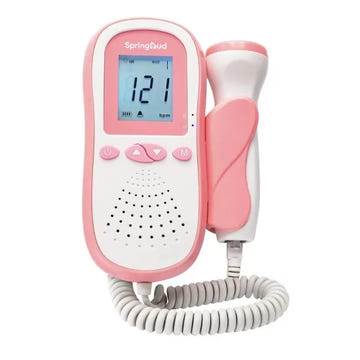
Little Martin's Drawer SpringBud FD-500B Fetal Doppl...
$59.99
Understanding mmHg ratings
Compression strength is measured in millimeters of mercury (mmHg). The number tells you how much pressure the sock applies at the ankle.
- 8-15 mmHg (mild): Light support, useful for occasional swelling or long days on your feet. Easy to put on.
- 15-20 mmHg (moderate): The pregnancy sweet spot. Effective for most edema, varicose vein prevention, and travel. Comfortable for all-day wear.
- 20-30 mmHg (firm): Therapeutic level. Good for diagnosed varicose veins or DVT prevention. Talk to your OB before using this grade routinely.
- 30-40 mmHg (extra firm): Prescription territory. Almost never needed in routine pregnancy.
The 5 best pregnancy compression socks for 2026
1. Sockwell Pulse — Best Overall ($28)
Compression: 15-20 mmHg | Material: Merino wool blend
Why we picked it: Sockwell uses real merino wool, which means breathable in summer, warm in winter, and naturally odor-resistant. The graduated compression is genuine, not just marketing. Made in Vermont.
What works: Wide cuff that doesn't bite into your calf. Real-mom feedback consistently calls these "the only pair I'll buy again."
Watch out for: Hand wash or gentle cycle. Tumble drying ruins the wool.
2. CEP Maternity Compression Socks — Best for Desk Jobs ($60)
Compression: 18-20 mmHg | Material: Polyamide blend
Why we picked it: CEP is the athletic compression brand, and the maternity line takes their technical fabric expertise and adds extra room for swelling. The mmHg is calibrated precisely.
What works: Padded toe and heel zones make 8+ hours of wear comfortable. The compression doesn't degrade after 50+ washes.
Watch out for: They run slim. Order one size up if you're between sizes.
3. Comrad Knee-High — Best Aesthetic ($28)
Compression: 15-20 mmHg | Material: Nylon-spandex blend
Why we picked it: They actually look like regular socks. Multiple solid colors and subtle patterns mean you can wear these to work without it being obvious they are medical-grade compression.
What works: Easy to put on, surprisingly so for compression wear. Machine washable. Affordable enough to buy 3-4 pairs.
Watch out for: Not as breathable as merino wool options on hot days.
4. ProCompression Marathon — Best Firm Support ($55)
Compression: 20-30 mmHg | Material: Nylon-spandex blend
Why we picked it: For pregnant women with diagnosed varicose veins or recommended therapeutic compression, ProCompression's 20-30 mmHg is the level. Used by marathoners, but appropriate for prenatal therapeutic wear.
What works: Strong support genuinely reduces severe ankle swelling. Multiple length options.
Watch out for: Hard to put on in late third trimester. Get a sock aid or have your partner help. Check with your OB before regular use at this compression level.
5. SB SOX — Best Budget ($20 for 3 pairs)
Compression: 15-20 mmHg | Material: Polyester-spandex blend
Why we picked it: Three pairs for $20 means you can rotate through the week without doing laundry every two days. The compression is real, even if the fabric isn't as fancy.
What works: Available in many lengths and colors. Holds up to repeated washing.
Watch out for: Less breathable than wool. Not ideal for hot weather or long workdays.
More Related Picks
A few more favorites from the same collection.
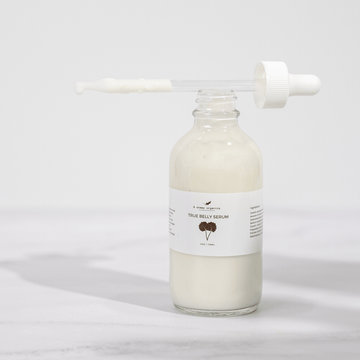
True Belly Serum
$47.00
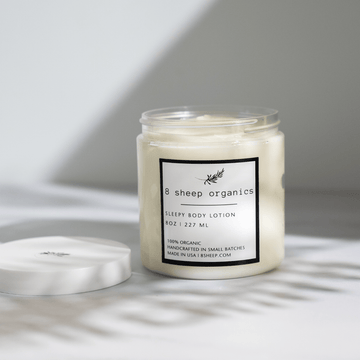
8 Sheep Organics Organic Sleepy Body Lotion for Preg...
$29.00
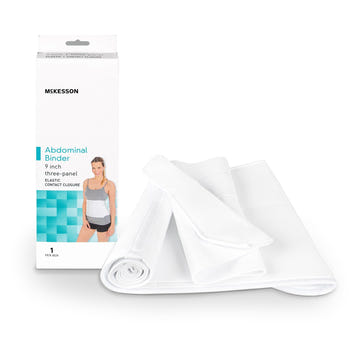
LL Medico McKesson Abdominal Binder Small Medium Whi...
$14.99
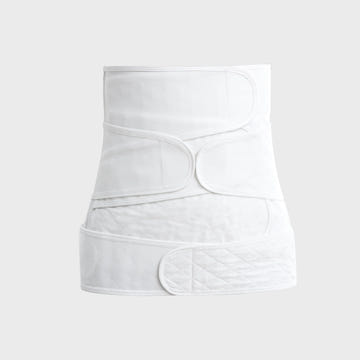
SUNVENO 2-in-1 Postpartum Belt Wrap Waist Waist Belt...
$34.99
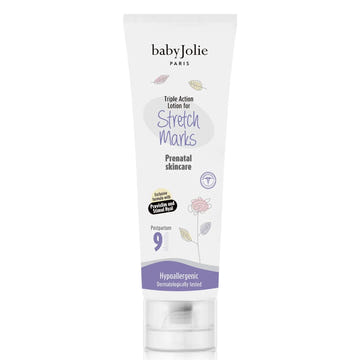
Baby Jolie Paris Triple Action Stretch Marks Cream 7...
$29.99
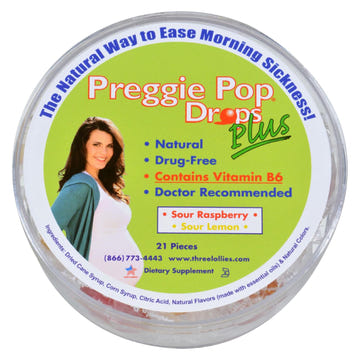
Preggie Drops Plus Morning Sickness Relief Lollies, ...
$13.75
When to start wearing compression socks
You can start as early as the first trimester if you have a history of varicose veins, a job that requires long standing, or a family history of DVT. Most pregnant women find them most useful in the second and third trimesters.
Put them on first thing in the morning, before swelling sets in. Take them off before bed. Don't sleep in compression socks during pregnancy.
When NOT to wear them
- If you have severe peripheral arterial disease (rare in pregnancy but possible)
- If you have an active skin infection on your leg
- If you have lymphedema requiring different compression therapy
- If you've been told by your OB to avoid compression (rare)
How to put on compression socks (third trimester edition)
Late pregnancy makes bending difficult. A few tricks:
- Sit on the floor with your back against the wall. Use the wall for support.
- Bunch the sock down to the toe area first.
- Slide your foot in and gradually unroll the sock up your leg.
- Don't try to pull the sock on like a regular sock. Compression socks need to be rolled.
- If bending is too hard, get a sock aid ($15 on Amazon) or have your partner help.
Frequently asked questions
Can I wear compression socks all day during pregnancy?
Yes, daytime wear is recommended. Put them on in the morning and take them off before bed. Most women feel best wearing them 8-12 hours a day in the third trimester.
Will compression socks prevent varicose veins?
They can reduce the risk of new varicose veins forming and slow the progression of existing ones. They do not reverse varicose veins that already exist.
Are 15-20 mmHg socks strong enough?
For most pregnancy swelling and varicose vein prevention, yes. Higher compression is only needed if your OB specifically recommends it for diagnosed venous insufficiency or DVT history.
Can I wear compression socks on long flights during pregnancy?
Yes, and you should. Pregnancy increases DVT risk and long flights compound it. Wear 15-20 mmHg or higher for any flight over 4 hours.
How often should I replace compression socks?
The elastic fibers degrade after about 75-100 washes. For daily wear, plan to replace every 3-6 months to maintain therapeutic compression.
Related reading from Moogco
EU
Edited by Eda Ulger
Eda is a mom of two and Moogco Baby's Senior Content Editor. She has been writing about evidence-based parenting since 2020. Every Moogco guide is researched against pediatric guidelines and tested in real homes by our community of moms. Connect on LinkedIn
Shop This Story
Picks related to this guide, ready to ship from Moogco.
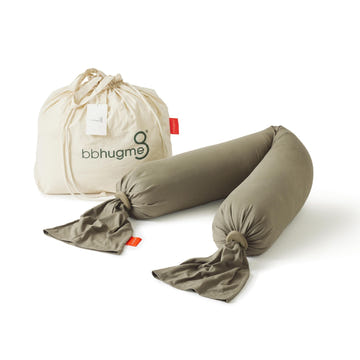
bbhugme Pregnancy Pillow Dusty Olive Adjustable Firm...
$219.00
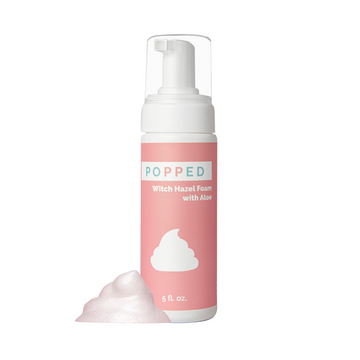
Popped Witch Hazel Foam with Aloe 5 fl oz Postpartum...
$12.99
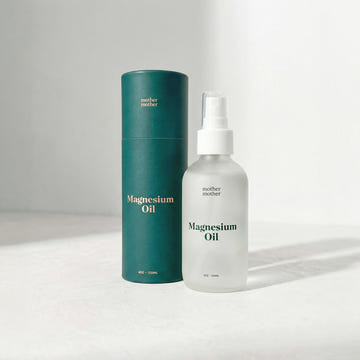
Mother Mother Magnesium Oil Spray 4 oz glass bottle
$34.00
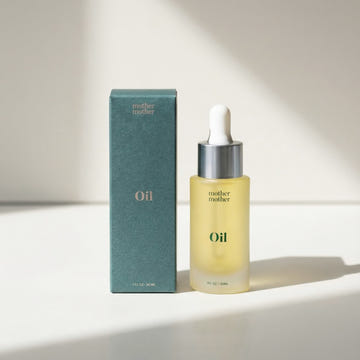
Mother Mother Face + Belly Oil 1 oz glass dropper bo...
$36.00
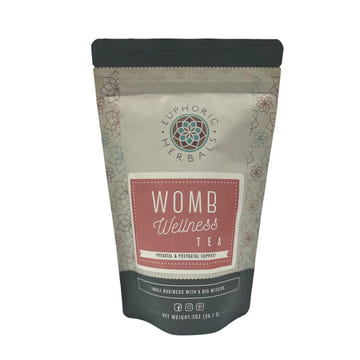
Euphoric Herbals Womb Wellness Prenatal Tea Organic ...
$24.99
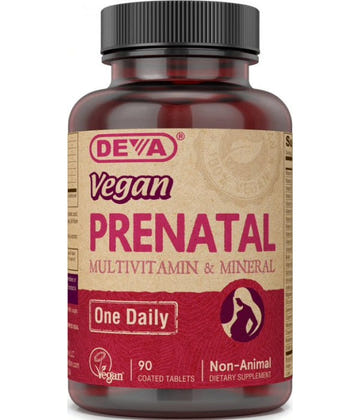
Cozy Farm Deva Prenatal Vegan Multivitamin 90 Tablets
$16.60
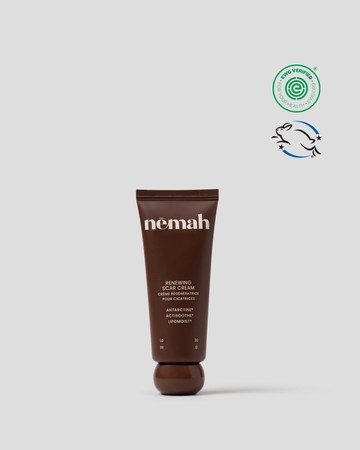
Nēmah Renewing Scar Cream for Pregnancy Breastfeedin...
$34.00

Hello Postpartum All-Natural Whipped Tallow Belly Bu...
$40.00
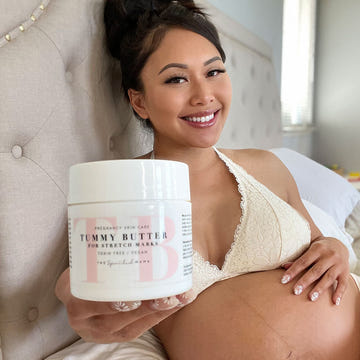
The Spoiled Mama Tummy Butter for Stretch Marks 4 oz...
$45.00
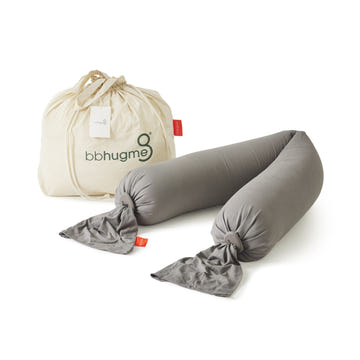
bbhugme Pregnancy Pillow Stone Adjustable 5-Point Su...
$219.00