


You want to spoil your grandkids with something they'll actually use, not another plastic toy that ends up in the donation pile by next month. The best gifts for toddlers aren't the flashiest. They're the ones that get used every day for years.
Climbing toys for toddlers hit that sweet spot. They build real gross motor skills, burn energy indoors when it's raining, and give parents a break while kids play independently. Been there.
Quick Answer: The best climbing toys for toddlers in 2026 are Pikler triangles for ages 6 months to 5 years, push-powered ride-on cars for ages 1-3, and wooden outdoor playhouses for ages 2-5.
Why These Toys Win Over Every Other Grandparent Gift
Climbing toys build balance, coordination, and spatial awareness every time your grandkids climb. They also teach risk assessment and problem-solving without constant adult help. Occupational therapists recommend Montessori and Pikler methods for good reason, they develop proprioception, vestibular sense, and gross motor planning that forms the foundation for all physical skills.
According to our parent community of 200,000+ cups sold, climbing toys rank in the top 3 for "worth every penny" purchases. That's real value.
The sanity-saver part? Independent play. A good climber keeps a toddler engaged for 20, 45 minutes while parents make dinner or answer work emails.
If you're shopping for a family in an apartment, indoor climbers are non-negotiable. For houses with yards, outdoor structures offer years of use across multiple kids.
Indoor vs outdoor comes down to space and weather. Pikler triangles and foam climbers work great in playrooms. Wooden playhouses and A-frame climbers belong in backyards where weather-resistant finishes can handle sun and rain.
Grandma, This One's For You.
Save 15% on any ride-on, climber or outdoor toy with code PLAY15. Free US shipping over $100.
Shop Ride-On Toys Shop ClimbersWhat to Look for Before You Buy (Safety First)
Safe climbing toys have specific weight limits above 150 lbs, solid wood construction (not particle board), ASTM or CPSC safety certification, and anti-tip features like rubber feet or wall-mounting options.
Not all climbing toys are created equal. Vague "toddler-friendly" labels don't mean much. Here's what actually matters when you're spending $100, $400 on something your grandkids will climb on daily.
Weight limits and age ranges: Look for specific numbers. A quality Pikler triangle should hold at least 150 lbs, enough for a toddler and sometimes a parent spotting them. Age ranges should list the youngest safe age (usually when pulling to stand) and the upper limit.
Material quality: Solid wood beats particle board every time. Particle board splinters, wobbles, and doesn't hold up to toddler abuse.
Non-toxic finishes matter too. Look for water-based stains and GREENGUARD or EN71 certifications.
Stability features: Anti-tip design, rubber feet, and wall-mounting options prevent tipping. Read parent reviews for mentions of wobbling or instability, those are red flags.
ASTM and CPSC certifications: These prove a toy meets U.S. safety standards for climbing equipment. If a brand doesn't list certifications, skip it. You're not buying from a sketchy dropshipper with no accountability.
Real parent reviews beat marketing copy every time. Search for mentions of splintering, tipping, or wobbly construction. If multiple reviews flag the same issue, believe them. For more on vetting baby gear, check out our parent-tested recommendations.
Best Pikler Triangles for Indoor Climbing (2026 Top Picks)
A Pikler triangle is a wooden A-frame ladder designed by Hungarian pediatrician Dr. Emmi Pikler. It lets toddlers climb safely from 10 months to 5 years, building gross motor skills, confidence, and independent play habits. Every occupational therapist we've talked to recommends them, they're that good.

3-in-1 Montessori Climbing Set: Arch + Slide Board
A Pikler-style climbing arch that doubles as a slide. Lasts from age 1 through preschool.
See This PickFoldable vs permanent: If you're tight on space, foldable Pikler triangles collapse for storage. They're apartment-friendly but slightly less stable than permanent models. Permanent triangles offer more weight capacity and sturdier construction, best for playrooms or dedicated spaces.
Add-ons worth buying: Ramps, rock climbing holds, and slides convert a basic triangle into a multi-year toy.
A ramp with climbing grips on one side and a slide on the other gets used from age 1 to 5. Rock climbing holds attach to the triangle for older toddlers ready for more challenge.
Price range: Expect $120, $400. Budget models ($120, $180) work fine for younger toddlers but may not include add-ons or premium finishes. Mid-range ($200, $280) offers solid wood, foldable designs, and better craftsmanship. Premium models ($300, $400) include ramps, slides, and heirloom-quality construction that lasts through multiple kids.
Top brands tested by parents: Look for brands with 4.8 stars or higher and hundreds of reviews. Avoid no-name brands with only 5-star reviews (fake) or brands that won't share weight limits (unsafe).
Best Ride-On Cars for Toddlers and Preschoolers
The best ride-on cars for toddlers are push-powered (foot-to-floor) models with rubber wheels and wide bases for ages 1-2, while battery-powered cars with parental remote controls and speed limiters work for ages 3-5.

12V Battery-Powered Ride-On Dumper Truck (Remote Control)
Real working dump bed plus a parental remote. The kind of gift that makes you the favorite grandparent.
See This PickRide-on cars are grandparent gift gold, they're impressive, fun, and actually get used. But the wrong one ends up gathering dust in the garage, so let's talk about what works.
Push-power vs battery-powered: For toddlers under 2, push-powered (foot-to-floor) ride-ons are safer and better for development. They build leg strength and coordination without the speed of battery power.
Battery-powered cars work for ages 3, 5, but make sure they have parental remote controls and speed limiters.
Indoor vs outdoor models: Indoor ride-ons need rubber wheels that won't scratch hardwood floors. Outdoor models can handle plastic wheels and rougher terrain. If you're buying for both, look for convertible wheel options or plan to buy two.
Storage and assembly reality-check: Many ride-on cars require 1, 2 hours of assembly, and instructions can be confusing.
If you're assembling it yourself, set aside an afternoon and have a power drill ready. Storage matters too, these aren't small. Measure garage or playroom space before buying.
Brands with the best parent reviews: Stick with brands that have been around for years and have real customer service. Check reviews for battery life (if electric), wheel durability, and whether the car actually fits the listed age range.
Price tiers: Under $100 gets you basic push-powered ride-ons, perfectly fine for younger toddlers. $100, $250 covers most battery-powered cars with decent features. $250+ buys premium models with leather seats, working headlights, and Bluetooth speakers (yes, really).
How Indoor Trampolines Work for Toddler Energy Release
Indoor trampolines provide 20-30 minutes of high-intensity gross motor play for ages 3+, but require handlebar stabilizers for beginners, thick floor mats to reduce noise, and realistic expectations of 12-18 months of peak use before kids move on.

10ft Outdoor Trampoline with Safety Enclosure
Heavy-duty frame, full safety net. The cure for rainy-day cabin fever and afternoon sugar crashes.
See This PickThey sound great in theory, but let's be honest about what you're signing up for. They're loud, they take up space, and most kids use them heavily for 12, 18 months before moving on to other things.
Age minimums: Most pediatricians and physical therapists recommend waiting until age 3+ for trampolines, even small ones. Younger toddlers don't have the balance or body awareness to jump safely. For kids under 3, bouncing on a couch or bed (supervised) works just as well.
Handlebar vs no handlebar: For toddlers just learning to jump, a handlebar provides stability and confidence. By age 4, most kids don't need it anymore. Adjustable or removable handlebars offer the best of both worlds.
Noise level reality: If you live in an apartment, your downstairs neighbors will hear every jump.
Place a thick exercise mat underneath to dampen sound, but know that trampolines and apartments don't mix well. Been there, got the noise complaints.
How long kids actually use them:2.5, 4 years.
Plan for 18 months of daily jumping, not 5 years. That's still good value if it burns energy on rainy days.
Best mini trampolines under $150: Look for 36, 38 inch diameter frames with reinforced springs and padded edges. Weight limits should accommodate at least 150 lbs for safety margin. Brands with real parent reviews (not just 5-star bots) are your safest bet.
Outdoor Playhouses and Climbers for the Backyard
The best outdoor playhouses are cedar wood with weather-resistant stain (for longevity and resale value) or UV-resistant plastic (for zero maintenance), sized appropriately for your yard space, and assembled by two adults over 2-4 hours or professionally installed.

Casa Modern Wooden Playhouse
A real wooden playhouse, not plastic. Becomes the backyard headquarters for years of imagination.
See This PickIf you've got yard space and a bigger budget, outdoor playhouses and climbing structures are the gifts that define childhood summers. But they're an investment, so choose carefully.
Wood vs plastic: Wood looks better and lasts longer if maintained (annual sealing or staining). Plastic fades and cracks over time but requires zero maintenance.
For longevity and resale value, wood wins. For set-it-and-forget-it convenience, plastic works.
Weather-resistant features: "Fade-proof" plastic still fades, just slower. Look for UV-resistant plastics or cedar wood with weather-resistant stains. Roofs and covered areas extend the life of any outdoor structure by keeping rain and sun off high-wear zones.
Size guidelines: Small yards (under 500 sq ft) need compact climbers or playhouses under 6x6 feet. Large yards can handle elaborate swing-and-slide combos. Measure twice, buy once, these aren't easy to return.
Assembly costs: Most outdoor playhouses require 2, 4 hours of assembly with two adults. Complex climbing structures can take 6, 8 hours or require professional installation ($150, $400). Factor that into your budget and timeline.
Resale value and hand-me-down potential: Plastic structures drop to 20, 30%. If you're planning to pass it down to younger grandkids or resell later, wood is the smarter investment.
How to Choose the Right Climbing Toy by Age
Choose climbing toys by matching height and complexity to developmental stage: 6-inch foam climbers for ages 6-12 months, 24-30 inch Pikler triangles for ages 1-2, 36-48 inch climbers and trampolines for ages 2-3, and full-height playhouses with multiple activities for ages 3-5.
Buying the wrong toy for your grandchild's developmental stage means it sits unused (or worse, becomes unsafe). Here's what actually works at each age.
6, 12 months: Floor-level exploration is key. Soft foam climbers, low platforms (6, 8 inches high), and crawl-through tunnels let babies practice pulling to stand and cruising. Skip anything taller than their knee height.
1, 2 years: Low Pikler triangles (24, 30 inches tall), push ride-ons, and small slides (2, 3 feet) match their climbing confidence.
They're mastering stairs and want to climb everything, give them safe options. Balance boards and stepping stones work great here too.
2, 3 years: Taller climbers (36, 48 inches), trampolines with handlebars, and pedal-free balance bikes support their growing coordination. This is peak climbing obsession, they'll use these toys daily for 6, 12 months straight.
3, 5 years: Playhouses, full-height Pikler triangles with advanced add-ons, standard trampolines, and climbing walls challenge their skills. They're ready for more complex structures with multiple activities (climb, slide, swing).
Multi-age toys that grow with kids: Pikler triangles with add-ons (used 6 months to 5 years), convertible climbers with adjustable heights, and quality wooden playhouses offer the best ROI. You're looking at 4, 5 years of use instead of 12, 18 months.
Where to Buy Safe Climbing Toys for Toddlers (and What to Avoid)
Buy climbing toys from retailers who verify safety certifications, publish specific weight limits, maintain real customer service, and feature authentic parent reviews, avoid sellers with all 5-star reviews posted on the same day, missing product origins, or refusal to answer safety questions.
Not all retailers vet their products, and that matters when you're buying something your grandkids will climb on. Here's how to shop smart.
Why we vet every brand: As a parent-owned baby marketplace since 2020, backed by 200,000+ cups sold since 2020, we test gear with real parents, verify safety certifications, and check return policies before adding anything to our shop.
No dropship junk from overseas with fake reviews. We only carry what we'd buy for our own kids.
Red flags to avoid: Fake reviews (all 5 stars, posted same day, generic text), unclear product origins (no brand name or location), missing weight limits or age ranges, and sellers who won't respond to safety questions. If it seems sketchy, it probably is.
Price vs value: A $50 Pikler triangle from an unknown brand will wobble, splinter, or tip within months. You'll end up buying a $200 replacement anyway.
Spending $180, $250 upfront on quality construction means years of safe use and strong resale value. Cheap costs more in the long run.
Shop with confidence: Whether you're shopping for climbing toys, ride-on cars, or outdoor play equipment, you've got this. Look for solid construction, real parent reviews, and brands that stand behind their products.
Your grandkids will remember the playhouse in the backyard or the triangle they climbed every day, not the price tag.
Ready to spoil them? Shop climbing toys, ride-ons, and outdoor play at Moogco Baby.
| Age Range | Best for Small Spaces (Apartments) | Best for Yards/Large Rooms | Price Range |
|---|---|---|---|
| 6, 12 months | Foam climbers, crawl tunnels, low platforms | Soft play sets, baby swings (outdoor) | $40, $120 |
| 1, 2 years | Foldable Pikler triangle (24, 30"), push ride-ons | Small slides, low climbing frames, sandbox | $80, $250 |
| 2, 3 years | Standard Pikler triangle (36"), mini trampoline, balance board | A-frame climbers, medium playhouse, swing set | $150, $400 |
| 3, 5 years | Pikler with advanced add-ons, climbing holds, standard trampoline | Large playhouse, multi-activity climbing structures, ride-on cars | $200, $800+ |
Make This Year's Gift the One They Remember.
Take 15% off any toy with code PLAY15
Playhouses Trampolines Ride-OnsFrequently Asked Questions
What age can toddlers start using climbing toys?
Most toddlers can start floor-level climbers around 6, 9 months when they're crawling confidently. Pikler triangles work around 10, 12 months when they're pulling to stand and cruising furniture. Always supervise and let them explore at their own pace, no forcing milestones.
Are Pikler triangles worth the money?
Yes, when you buy quality. A good Pikler triangle gets used daily for 2, 4 years, builds real gross motor skills, and holds resale value. Parents in our community report them as top 3 "worth every penny" purchases. Skip the cheap knockoffs that wobble. Invest in solid wood construction and you'll get your money's worth.
What's the safest ride-on car for a 1-year-old?
Look for push-powered (foot-to-floor) ride-ons with a wide base, low center of gravity, and four wheels. No pedals, no battery power yet. The car should be stable enough that it won't tip when they lean to one side. Brands with 4.8 stars from real parents are your safest bet.
Can indoor trampolines damage floors or ceilings?
They can scratch hardwood floors without a protective mat underneath. Noise travels to downstairs neighbors in apartments, every jump sounds like stomping. Use a thick exercise mat to dampen sound and protect floors, but honestly, trampolines and apartments don't mix well. Been there.
What's the best outdoor climbing toy for small yards?
Compact A-frame climbers or convertible Pikler triangles with outdoor finishes work great for small spaces. Look for structures under 4x4 feet footprint that offer multiple activities (climb, slide, balance). You don't need a massive playset to keep kids entertained for years.
How do I know if a climbing toy is actually safe?
Check for ASTM or CPSC certification, read parent reviews for mentions of tipping or wobbling, confirm specific weight limits (not vague "toddler-friendly" claims), and avoid particle board construction. If a brand won't answer safety questions or list certifications, don't buy it. You've got this, trust your gut.
What climbing toys grow with kids the longest?
Pikler triangles with add-ons (ramps, slides, climbing holds) work from 10 months to 5 years, that's 4+ years of daily use. Quality wooden playhouses last even longer and work for multiple kids. Both hold resale value well, so you're not throwing money away when your grandkids outgrow them.
From Moogco Studio
Printable and personalized nursery essentials. Designed by moms for moms.


About the Editor
Eda Ulger is the editor at Moogco Baby and a mom of two. She curates and edits our guides so every piece is honest, practical, and genuinely helpful for the early days of motherhood.
Shop This Story
Picks related to this guide, ready to ship from Moogco.
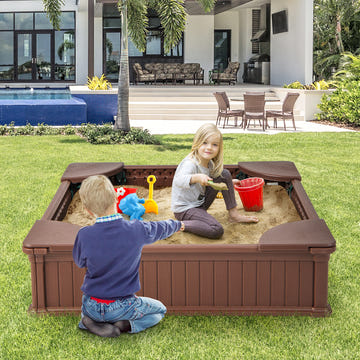
Kids Outdoor Sandbox with Oxford Cover and 4 Corner ...
$105.99
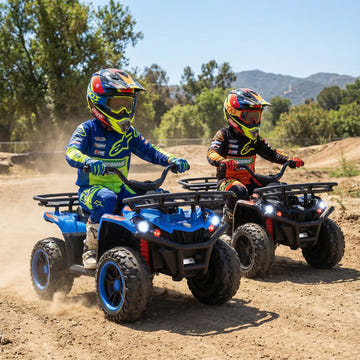
24V Electric Ride On Quad with LED Headlights - Rech...
$174.99
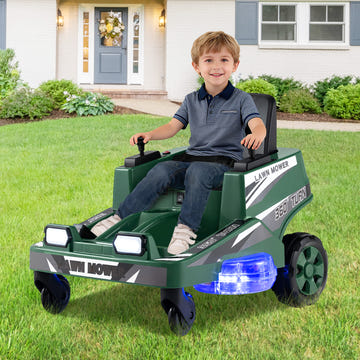
12V Ride on Lawn Mower for Kids with Dual Control St...
$159.99
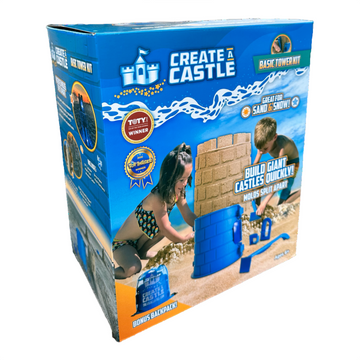
Basic Tower Kit - Outdoor Sand & Snow Castle Molds
$29.99
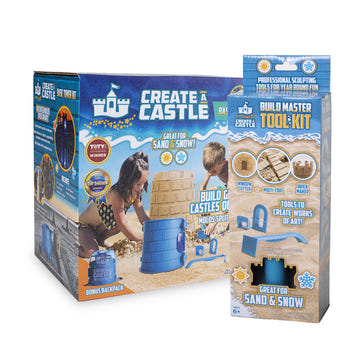
Basic Tower Kit Bundle - Outdoor Sand & Snow Castle ...
$39.98
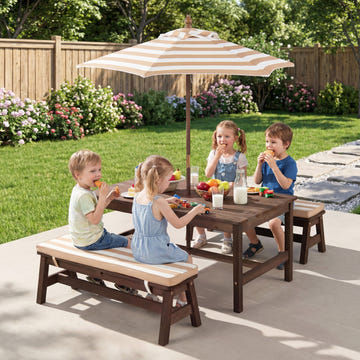
Outdoor Wooden Kids Picnic Table with Removable Umbr...
$149.99
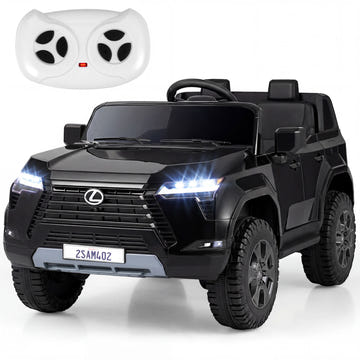
Ride on Car 24V 4WD Licensed LEXUS GX550 Electric Ve...
$309.99
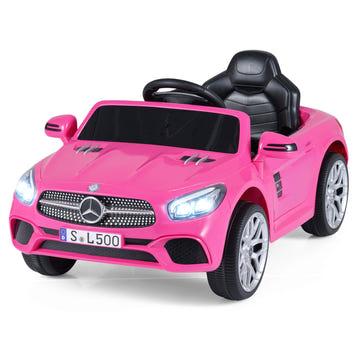
12V Kids Ride on Car Licensed Mercedes-Benz with Rem...
$139.99
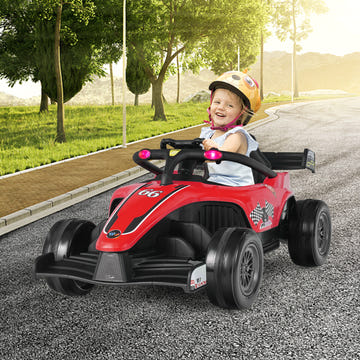
12V Kids Ride on Electric Formula Racing Car with Re...
$109.99
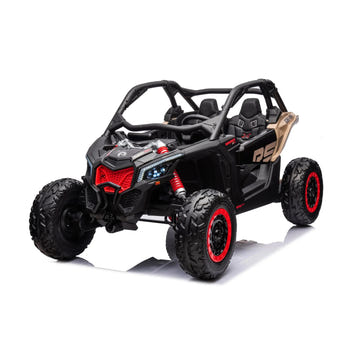
Officially Licensed Can-Am Maverick 48V 2-Seater Kid...
$799.99














































































































