


Breastfeeding is a rewarding experience, offering countless benefits for both mother and baby. However, it can also be physically and emotionally demanding. The pressures of breastfeeding, coupled with the challenges of new motherhood, can sometimes take a toll on mental health. This blog post explores the connection between breastfeeding and mental health, providing practical tips for balancing the demands and maintaining well-being during this crucial period.
Understanding the Challenges
Physical Exhaustion: Breastfeeding can be physically draining, especially during the first few months when feedings are frequent. Sleep deprivation and the physical demands of nursing can contribute to fatigue and stress.
Emotional Pressure: Many mothers feel immense pressure to breastfeed, often driven by societal expectations or personal goals. This pressure can lead to anxiety and feelings of inadequacy if breastfeeding does not go as planned.
Isolation: Breastfeeding can sometimes feel isolating, particularly during late-night feedings or when social activities are limited by the need to nurse.
Hormonal Changes: The postpartum period involves significant hormonal fluctuations that can impact mood and emotional stability. These changes, combined with the demands of breastfeeding, can contribute to feelings of anxiety or depression.
Strategies for Balancing the Demands
1. Seek Support
Build a Support Network: Surround yourself with supportive family members, friends, and healthcare professionals who can offer encouragement and practical help. Joining a breastfeeding support group can also provide a sense of community and shared experience.
Communicate Your Needs: Be open about your feelings and needs with your partner and loved ones. Asking for help with household tasks or baby care can relieve some of the pressure and allow you to focus on self-care.
2. Prioritize Self-Care
Rest When Possible: Take advantage of opportunities to rest, even if it means napping during the day. Adequate rest is crucial for mental health and overall well-being.
Eat Well: Nourish your body with a balanced diet rich in fruits, vegetables, whole grains, and lean proteins. Proper nutrition supports both physical health and emotional resilience.
Stay Hydrated: Drink plenty of water throughout the day to stay hydrated, which is essential for maintaining energy levels and milk production.
3. Manage Expectations
Be Flexible: Understand that breastfeeding is a learning process for both you and your baby. It's okay to adjust your expectations and be open to different feeding methods if needed.
Focus on Bonding: Remember that breastfeeding is just one aspect of your relationship with your baby. Focus on the bond you are creating and the overall well-being of your child, rather than striving for perfection.
4. Practice Stress-Relief Techniques
Mindfulness and Meditation: Incorporate mindfulness practices or meditation into your daily routine to help manage stress and promote relaxation.
Exercise: Engage in gentle physical activity, such as walking or yoga, to boost your mood and reduce anxiety. Exercise releases endorphins, which can improve mental health.
Breastfeeding and Mental Health: Know When to Seek Help
Recognize the Signs: It's important to recognize when stress and emotional challenges are becoming overwhelming. Symptoms such as persistent sadness, anxiety, or feelings of hopelessness may indicate a need for professional support.
Seek Professional Help: Don't hesitate to seek help from a mental health professional if you are struggling. Therapy, counseling, or support groups can provide valuable tools and strategies for managing mental health.
Moogco Silver Nursing Cups: Enhancing Your Breastfeeding Experience
Caring for your breast health can also contribute to overall well-being. Moogco silver nursing cups are designed to support breastfeeding mothers by providing natural antibacterial protection and promoting healing. These cups can help alleviate discomfort and prevent infections, making breastfeeding a more comfortable and enjoyable experience.
Benefits of Moogco Silver Nursing Cups:
Natural Antibacterial Properties: Silver’s natural antibacterial properties help prevent infections and promote healing, ensuring your nipples stay healthy during breastfeeding.
Smooth Surface: The smooth surface of Moogco silver nursing cups reduces friction and irritation, providing a soothing barrier between your nipples and clothing.
Healing and Comfort: Moogco silver nursing cups are designed to promote healing and provide comfort, making breastfeeding a more enjoyable experience for both you and your baby.
Conclusion
Balancing the demands of breastfeeding and maintaining mental health can be challenging, but it is possible with the right support and strategies. By prioritizing self-care, seeking support, and practicing stress-relief techniques, you can navigate the emotional and physical demands of breastfeeding more effectively. Remember, taking care of your mental health is essential for both you and your baby. With a proactive approach and the right resources, you can create a positive breastfeeding experience that benefits your entire family.
Bring this guide home with $15 off.
Use code BABY15 for $15 off →
Featured pick from Moogco
The Original Silver Nursing Cups with Silicone Pads
$62.90 $74.90
Shop this pick → Frequently Asked Questions
Can breastfeeding make postpartum depression worse?
Breastfeeding itself does not cause postpartum depression, but the physical demands and pressure surrounding it can contribute to stress and emotional challenges. If you're experiencing symptoms of depression, it's important to seek professional support while continuing to care for yourself. Remember that your mental health is just as important as feeding your baby, and there are many ways to nourish your child while prioritizing your well-being.

How can I tell if breastfeeding stress is affecting my mental health?
Warning signs include persistent feelings of sadness or anxiety, overwhelming guilt about breastfeeding, difficulty bonding with your baby, or dreading feeding times. Physical symptoms like changes in appetite, sleep problems beyond normal newborn disruptions, or feeling constantly overwhelmed can also indicate that stress is impacting your mental health. Trust your instincts and reach out to a healthcare provider if you're concerned.
Curated by moms, vetted by lactation pros
Picks From This Story
Picks related to this guide, ready to ship from Moogco.

The Original Silver Nursing Cups with Silicone Pads
$62.90
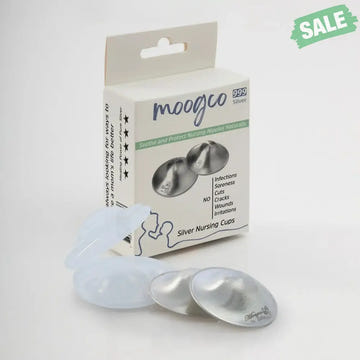
MOOGCO Silver Nursing Cups 999k Silver
$49.90

momjug breastfeeding water bottle 50oz double-wall s...
$49.99
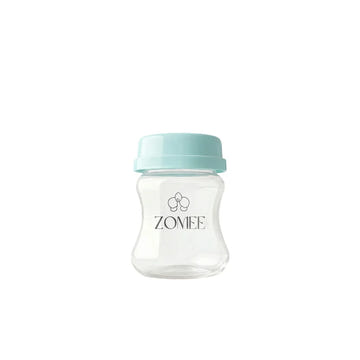
Zomee Breast Pumps Breast Milk Storage Bottles BPA-free
$3.99
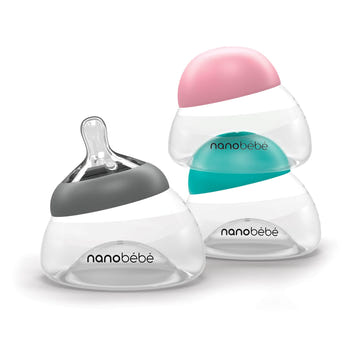
Nanobébé Breastmilk Baby Bottle 5 oz Pack Options Pi...
$16.99
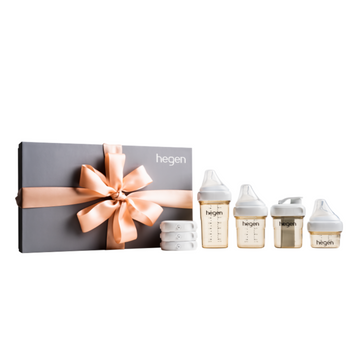
hegen PPSU Essentials Kit 60ml 150ml 240ml baby bottles
$99.99
Everything for the breastfeeding journey
Take $15 off at checkout, applied automatically when you shop through this link.
Shop with BABY15 →Free US shipping over $100. Code applies automatically at checkout.
Is it okay to stop breastfeeding if it's hurting my mental health?
Absolutely yes. Your mental health is crucial for both you and your baby. A healthy, present mother is more important than any feeding method. If breastfeeding is significantly impacting your emotional well-being despite support and interventions, transitioning to formula or combination feeding is a valid and loving choice. Talk with your healthcare provider about the best approach for your family's unique situation.
How do I handle the guilt when breastfeeding feels overwhelming?
Guilt is common but remember that fed is best, and your well-being matters tremendously. Reframe your thinking by focusing on all the ways you're caring for your baby beyond feeding. Connect with other mothers who've faced similar challenges, and remind yourself that asking for help or adjusting your feeding plan shows strength, not failure. Your baby needs a mentally healthy parent above all else.
Can lack of sleep from night feedings trigger anxiety?
Yes, severe sleep deprivation is a significant risk factor for anxiety and can worsen existing mental health concerns. Chronic lack of sleep affects hormone regulation, emotional resilience, and cognitive function. Try to share nighttime responsibilities when possible, accept help from partners or family, and prioritize rest during the day. Even short periods of uninterrupted sleep can make a meaningful difference in your mental state.
More Related Picks
A few more favorites from the same collection.

Healthy Horizons Elvie Stride Diaphragms 2 Pack
$21.99
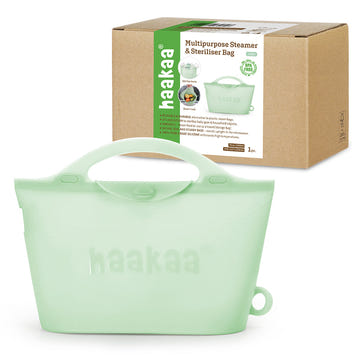
Haakaa Multipurpose Steamer & Sterilizer Bag 3 sizes...
$14.99
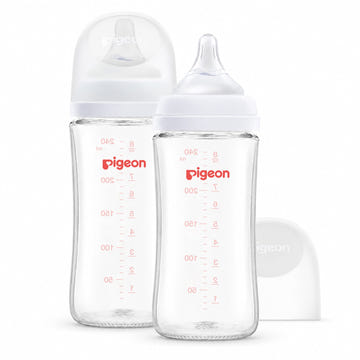
Pigeon Glass Wide Neck Baby Bottle 2-Pack 8.1 oz 3+ ...
$35.99
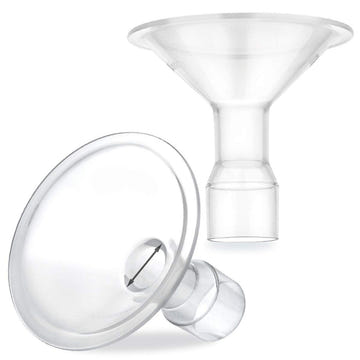
Bae & Bee Boutique Maymom Narrow Neck Flange compati...
$15.00
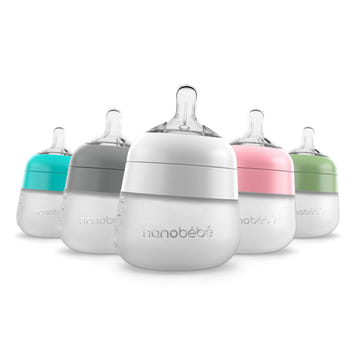
Nanobébé Flexy Silicone Baby Bottle 5oz
$16.99
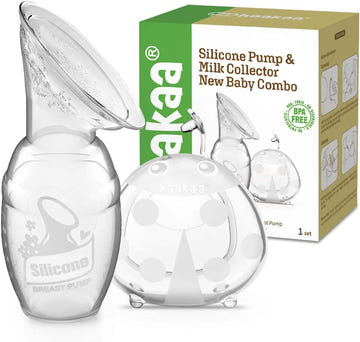
Haakaa Silicone Pump and Ladybug Milk Collector Comb...
$30.32
What should I do when I feel isolated during breastfeeding?
Combat isolation by joining online or in-person breastfeeding support groups where you can connect with other mothers experiencing similar challenges. Schedule regular video calls with friends during feeding times, or invite supportive people to visit during the day. Consider breastfeeding in common areas of your home rather than alone in a nursery, and remember that reaching out for connection is a sign of strength, not weakness.
How can my partner help support my mental health while breastfeeding?
Partners can help by taking over non-feeding responsibilities like diaper changes, burping, and settling the baby to sleep. They can also handle household tasks, bring you water and snacks during feeds, and provide emotional support by listening without judgment. Encourage your partner to learn about postpartum mental health so they can recognize warning signs and help you access professional support if needed.
Are there specific relaxation techniques that work well during breastfeeding?
Deep breathing exercises, progressive muscle relaxation, and guided imagery can all be practiced while nursing. Try focusing on your breath, counting slowly to four on the inhale and six on the exhale to activate your relaxation response. Some mothers find listening to calming music, podcasts, or meditation apps during feeds helpful. Creating a peaceful feeding environment with dim lighting and comfortable seating can also promote relaxation and reduce stress.
From Moogco Studio
Printable and personalized nursery essentials. Designed by moms for moms.


About the Editor
Eda Ulger is the editor at Moogco Baby and a mom of two. She curates and edits our guides so every piece is honest, practical, and genuinely helpful for the early days of motherhood.
Shop This Story
Picks related to this guide, ready to ship from Moogco.
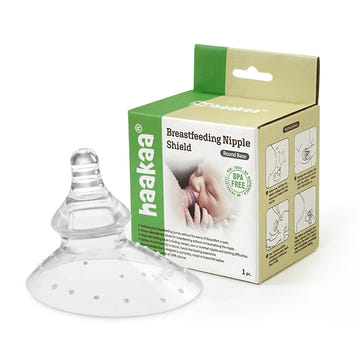
Haakaa Silicone Breastfeeding Nipple Shield Round Sh...
$19.05

Milky Mama Lady Leche Lactation Liquid Grape Flavor ...
$27.00
Bae & Bee Boutique LactTube 5FR Pediatric Feeding Tu...
$3.00
Bae & Bee Boutique Cherry Shaped Nipple Shield 21mm ...
$14.00

Nanobébé Silicone Anti-Colic Baby Bottle Nipples Gen...
$5.99
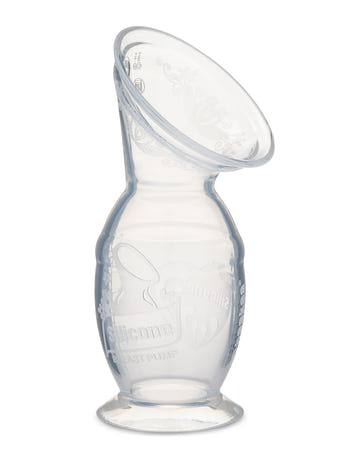
Haakaa Generation 2 Silicone Breast Pump 5 oz Suctio...
$20.99
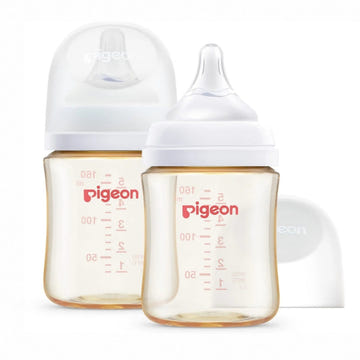
Pigeon PPSU Wide Neck Baby Bottle 2 Pack 5.4 oz Newborn
$34.99

Nyssa FourthWear Postpartum Bralette Nursing and Pum...
$39.00
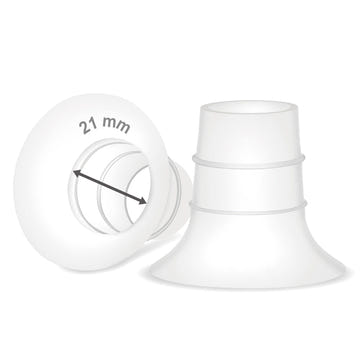
Bae & Bee Boutique Maymom Silicone Medela Flange Ins...
$6.00
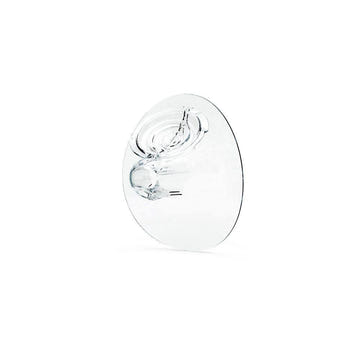
Healthy Horizons Elvie Pump Breast Shields 2 Pack 21...
$29.99