


Becoming a new parent brings immense joy and love but also comes with its share of challenges, one of the most significant being sleep deprivation. For breastfeeding mothers, balancing the need for rest with the frequent feeding schedule of a newborn can feel overwhelming. Understanding the connection between breastfeeding and sleep deprivation and adopting practical strategies can help you navigate this exhausting phase and maintain your well-being.
Understanding Sleep Deprivation During Breastfeeding
Why Sleep Deprivation Happens
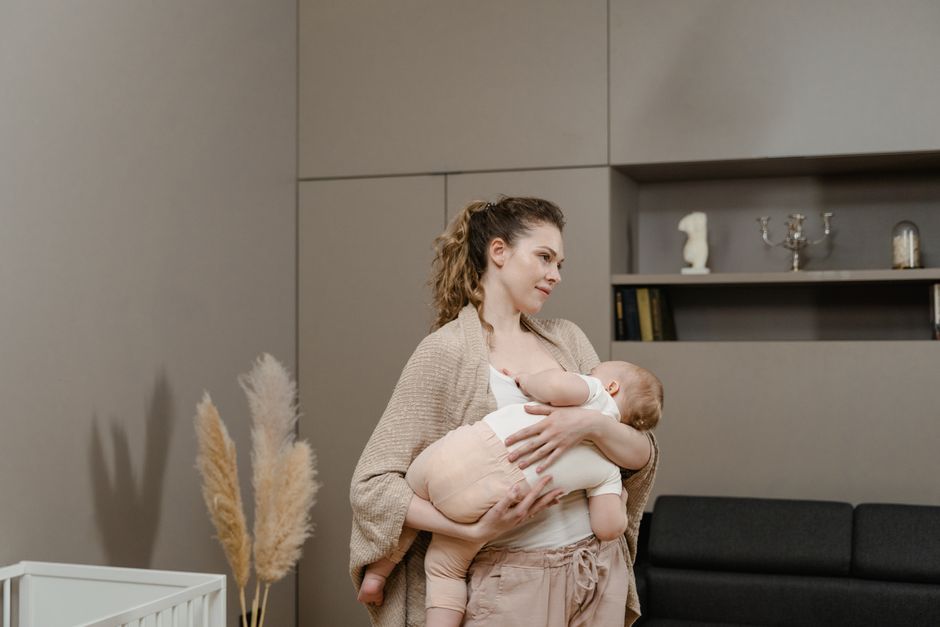
Newborns have small stomachs and need to feed frequently—often every two to three hours, day and night. For breastfeeding mothers, this often means waking up multiple times throughout the night to nurse. The fragmented sleep can lead to a cycle of chronic sleep deprivation, impacting both physical and mental health.
The Impact on Mental Health
Sleep deprivation can affect a new mother’s mood, cognitive function, and emotional well-being. It can make daily tasks feel more challenging, impact memory and concentration, and contribute to feelings of anxiety or depression. For breastfeeding mothers, this can be particularly challenging, as they may feel pressure to meet their baby's needs while also struggling with their own exhaustion.
The Connection Between Breastfeeding and Sleep Patterns
Breastfeeding itself releases hormones such as prolactin and oxytocin, which promote relaxation and bonding. However, the frequent waking and feeding schedule can disrupt the natural sleep cycle, making it difficult for mothers to get the deep, restorative sleep they need. Additionally, nighttime feedings can be longer and more demanding, further contributing to sleep deprivation.
Strategies for Managing Sleep Deprivation While Breastfeeding
Embrace Napping When Possible
One of the most effective ways to combat sleep deprivation is to sleep when your baby sleeps. While this may not always be possible, especially for mothers with other children or responsibilities, taking naps whenever you can—even short ones—can help you catch up on much-needed rest.
Share the Load with Your Partner or Support Network
Breastfeeding mothers often feel the burden of nighttime feedings, but it's essential to remember that you don't have to do it all alone. If possible, share the responsibility with your partner or support network. Your partner can help by changing diapers, burping the baby, or soothing them back to sleep after a feeding. Even small breaks can make a big difference.
Consider Pumping and Bottle Feeding
If sleep deprivation becomes too overwhelming, consider pumping breast milk and having your partner or a trusted caregiver handle some nighttime feedings. This way, you can get a few uninterrupted hours of sleep, which can help you feel more rested and rejuvenated.
Create a Restful Sleep Environment
For the times when you do get to sleep, make sure your environment is as restful as possible. Keep your room dark and cool, use white noise to drown out any disruptions, and invest in a comfortable mattress and pillows. Quality sleep is just as important as quantity, so optimizing your sleep environment can help you get more out of the hours you do sleep.
Taking Care of Your Well-being
Stay Hydrated and Nourished
Breastfeeding mothers need extra calories and hydration to maintain their milk supply and energy levels. Eating nutrient-dense foods and staying well-hydrated can help you feel more energized and less fatigued. Keep healthy snacks and a water bottle nearby for quick and easy access.
Incorporate Gentle Exercise
While exercise might be the last thing on your mind when you're sleep-deprived, gentle physical activity can actually help improve energy levels and mood. Activities like walking, stretching, or postnatal yoga can boost endorphins and help you feel more refreshed.
Practice Relaxation Techniques
Relaxation techniques such as deep breathing, meditation, and progressive muscle relaxation can help you manage stress and anxiety related to sleep deprivation. Even taking a few minutes to focus on your breath or engage in mindfulness can help calm your mind and body.
Understand Your Limits and Ask for Help
Being a new mother is incredibly demanding, and it's okay to acknowledge that you can't do it all. If you find yourself feeling overwhelmed or unable to cope with sleep deprivation, don't hesitate to ask for help. Whether it’s reaching out to family, friends, or a lactation consultant, getting support can make a significant difference.
Finding Balance Between Breastfeeding and Rest
Know That It’s a Temporary Phase
While the sleepless nights may feel endless, it’s important to remember that this phase is temporary. As your baby grows, they will start to sleep for longer stretches, and the demands on you will lessen. Knowing that there is light at the end of the tunnel can help you get through the most challenging nights.
Practice Self-Compassion
Sleep deprivation can be incredibly challenging, and it’s easy to feel frustrated or overwhelmed. Remember to be kind to yourself. You’re doing an amazing job, and it’s okay to have moments where you feel exhausted or stressed. Self-compassion can help you stay resilient during this demanding time.
Consider Moogco Silver Nursing Cups for Relief
Breastfeeding can sometimes lead to sore or cracked nipples, adding to the physical strain. Moogco Silver Nursing Cups offer a natural, eco-friendly solution to soothe and protect your nipples, allowing you to focus on your own well-being while caring for your baby. They provide comfort and relief, making the breastfeeding experience more manageable, even during sleep-deprived nights.
Picks From This Story
Picks related to this guide, ready to ship from Moogco.

Swaddelini Grey Swaddle Sleep Sack 3D Knit Seamless ...
$54.95

Swaddelini Lavender Swaddle Sleep Sack 3D knit light...
$54.95

Swaddelini Pink Swaddle Sleep Sack 3D Knit Seamless
$54.95

Swaddelini Blue Swaddle Sleep Sack 3D Knit Seamless
$54.95

Swaddelini Orange Swaddle Sleep Sack 3D Knit Seamless
$54.95

Dreamland Baby Dream Weighted Sleep Sack 1.0 TOG 68-...
$109.00
Conclusion
Breastfeeding and sleep deprivation often go hand in hand, but by adopting practical strategies and seeking support, you can navigate this challenging phase more effectively. Remember to prioritize self-care, lean on your support network, and recognize the signs of burnout. Most importantly, be patient with yourself and know that sleep deprivation is a temporary part of the parenting journey. With time, patience, and support, you’ll find a balance that works for you and your baby, allowing you to thrive during this special time of bonding and growth.
Bring this guide home with 25% off.
Use code READER25 for 25% off →
Frequently Asked Questions
How many hours of sleep do breastfeeding moms typically get in the early weeks?
Most breastfeeding mothers get between 4 to 6 hours of fragmented sleep during the newborn phase, often in short stretches of 1 to 2 hours at a time. This is due to the frequent feeding schedule newborns require. The good news is that as your baby grows and begins sleeping for longer stretches, your sleep will gradually improve.
Can sleep deprivation affect my milk supply?
Yes, chronic sleep deprivation can potentially impact milk supply because stress and exhaustion affect hormone levels, including prolactin. However, your body is remarkably resilient and will prioritize milk production. Staying hydrated, eating well, and resting whenever possible can help maintain a healthy supply even during this exhausting phase.
Curated by moms, vetted by lactation pros
Everything for the breastfeeding journey
Take 25% off at checkout, applied automatically when you shop through this link.
Shop with READER25 →Free US shipping over $100. Code applies automatically at checkout.
More Related Picks
A few more favorites from the same collection.

8 Sheep Organics Juniors Bedtime Lotion deep sea mag...
$23.00

Sell My Stuff Elephant Plush Baby Sleep Pillow 30 35...
$40.00

Xander Bunny — Lavender Stuffed Bunny | Weighted Cal...
$45.00
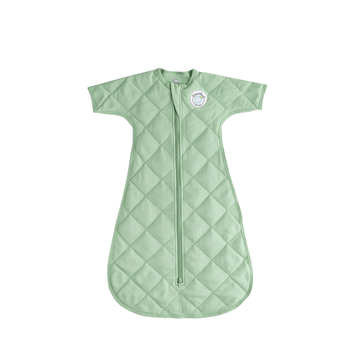
Dreamland Baby Dream Weighted Transition Swaddle arm...
$109.00

Little Martin's Drawer 100% Organic Cotton Sleep Sac...
$38.00

Full-Size Montessori Floor Bed Strong Slatted Frame
$259.99
Is it safe to breastfeed while lying down if I'm extremely tired?
Yes, side-lying breastfeeding can be safe and is a great way to rest while nursing, as long as you follow safe sleep guidelines. Make sure your baby is positioned correctly and that there are no pillows, blankets, or soft items near their face. Many mothers find this position helpful for nighttime feeds, allowing them to doze while baby nurses.
When should I be concerned that sleep deprivation is affecting my mental health?
If you're experiencing persistent sadness, hopelessness, anxiety, difficulty bonding with your baby, or thoughts of harming yourself or your baby, it's important to seek help immediately. These may be signs of postpartum depression or anxiety, which are treatable conditions. Reach out to your healthcare provider, who can connect you with the support and resources you need.
How can I tell if my partner should take over a feeding so I can sleep?
If you're feeling completely exhausted, having trouble focusing, feeling overwhelmed, or noticing your patience is extremely thin, it's a good time to ask for help. Having your partner handle one feeding (using pumped milk or formula if needed) can give you a longer stretch of uninterrupted sleep, which can make a significant difference in how you feel the next day.
Does breastfeeding at night really make babies sleep worse than formula feeding?
Research shows that breastfed and formula-fed babies actually wake at similar frequencies in the early months, though breastfed babies may wake slightly more often. However, breastfeeding mothers often get back to sleep faster because they don't need to prepare bottles. The hormones released during nursing also help both mom and baby relax and return to sleep more easily.
What are the best snacks to keep by my bed for middle of the night nursing sessions?
Great bedside snacks include nuts, granola bars, dried fruit, crackers with nut butter, and trail mix. These provide quick energy, protein, and healthy fats to sustain you through nighttime feedings. Keep a large water bottle nearby as well, since breastfeeding and nighttime wake-ups can leave you dehydrated.
How long does the intense sleep deprivation phase usually last for breastfeeding moms?
The most intense period of sleep deprivation typically lasts through the first 6 to 12 weeks, when feeding is most frequent. Many babies begin sleeping for longer stretches between 3 and 6 months, though every baby is different. By around 6 months, most babies are capable of sleeping for 6-hour stretches, giving you more consolidated rest, though some may still wake to feed.
From Moogco Studio
Printable and personalized nursery essentials. Designed by moms for moms.


About the Editor
Eda Ulger is the editor at Moogco Baby and a mom of two. She curates and edits our guides so every piece is honest, practical, and genuinely helpful for the early days of motherhood.
Shop This Story
Picks related to this guide, ready to ship from Moogco.
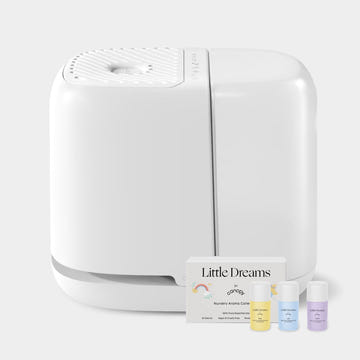
Canopy Nursery Humidifier 2.0 mold-inhibiting dishwa...
$159.00

Burt's Bees Baby Beekeeper Wearable Blanket
$24.95

100% Organic Cotton 1.0 Tog Sleeping Bag with Legs S...
$30.00
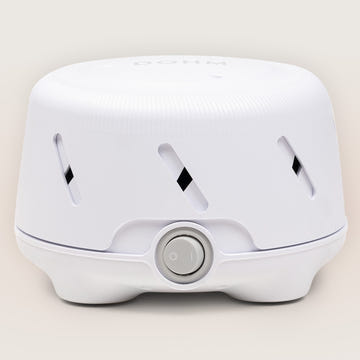
Dohm Uno
$36.99
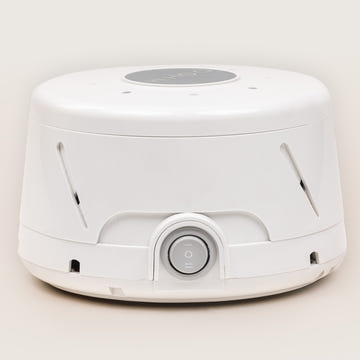
Dohm Classic
$49.99

Healthy Horizons Miracle Blanket one-size swaddle 10...
$32.95

Twin Montessori-Inspired Floor Bed with Guardrails
$199.99

WildBird Dove CloudBlend Sleep Sack TOG 1 Blue grey
$44.00

Hubble Connected Hubble Dream+ Comfort Cloud Sleep S...
$124.99
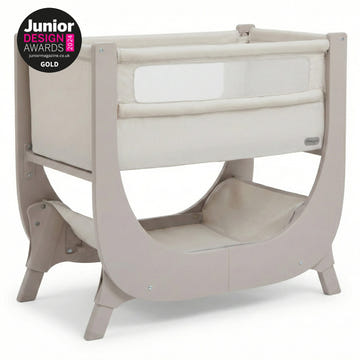
Shnuggle Air Lite Bedside Bassinet | Infant Crib | H...
$295.00