


Breastfeeding is a powerful way to nourish and bond with your baby, but what happens when you fall ill? Many breastfeeding mothers worry about the safety and implications of continuing to breastfeed during illness. This blog post explores important considerations and best practices for breastfeeding while sick, ensuring both you and your baby stay healthy and safe.
Common Concerns About Breastfeeding During Illness
1. Can I Continue Breastfeeding?
Yes, in most cases, it is safe and beneficial to continue breastfeeding while you are sick. Your body produces antibodies to fight off your illness, which are then passed on to your baby through your breast milk. These antibodies can help protect your baby from getting sick or reduce the severity of their illness if they do contract it.
2. Is My Baby at Risk?
Breastfeeding provides your baby with important immunological protection. The risk of passing most common illnesses, like colds or the flu, to your baby through breast milk is very low. The antibodies in your milk help to strengthen your baby's immune system, offering protection against the very germs you are fighting.
Managing Your Illness While Breastfeeding
1. Rest and Hydrate
Rest is essential for recovery. Whenever possible, rest when your baby is sleeping. Staying hydrated is equally important, as adequate fluid intake supports milk production and helps your body recover from illness. Drink plenty of water, herbal teas, and clear broths to stay hydrated.
2. Maintain Good Hygiene
Practicing good hygiene can help minimize the risk of transmitting your illness to your baby. Wash your hands frequently with soap and water, especially before handling your baby or any breastfeeding equipment. Use tissues or your elbow to cover your mouth and nose when coughing or sneezing, and avoid close face-to-face contact with your baby if you are contagious.
3. Safe Medications
If you need medication to manage your symptoms, consult your healthcare provider. Many medications are safe to take while breastfeeding, but some can affect your milk supply or be passed to your baby through breast milk. Your doctor can recommend suitable options that will not interfere with breastfeeding.
Breastfeeding with Specific Illnesses
1. Common Cold or Flu
You can continue breastfeeding if you have a cold or the flu. As mentioned earlier, your milk provides antibodies that can help protect your baby. Wear a mask if you are coughing or sneezing, and maintain good hand hygiene to further reduce the risk of transmission.
2. Stomach Virus
If you are experiencing vomiting or diarrhea, it is still generally safe to breastfeed. Focus on staying hydrated and maintaining a nutritious diet to support your milk supply. Be extra vigilant about hand washing to prevent spreading the virus to your baby.
3. Infections Requiring Antibiotics
If you have a bacterial infection that requires antibiotics, make sure to discuss your breastfeeding status with your healthcare provider. Most antibiotics are safe for breastfeeding mothers, but it is important to choose ones that are compatible with breastfeeding.
Moogco Silver Nursing Cups: Enhancing Your Breastfeeding Experience
Caring for your breast health is especially important when you're not feeling well. Moogco silver nursing cups are designed to support breastfeeding mothers by providing natural antibacterial protection and promoting healing. These cups can help alleviate discomfort and prevent infections, making breastfeeding a more comfortable and enjoyable experience, even during illness.
Benefits of Moogco Silver Nursing Cups:
Natural Antibacterial Properties: Silver’s natural antibacterial properties help prevent infections and promote healing, ensuring your nipples stay healthy during breastfeeding.
Smooth Surface: The smooth surface of Moogco silver nursing cups reduces friction and irritation, providing a soothing barrier between your nipples and clothing.
Healing and Comfort: Moogco silver nursing cups are designed to promote healing and provide comfort, making breastfeeding a more enjoyable experience for both you and your baby.
Conclusion
Breastfeeding during illness is not only safe in most cases but also beneficial for your baby. By continuing to breastfeed, you provide your baby with valuable antibodies that support their immune system. Focus on rest, hydration, and good hygiene to recover quickly and keep your baby healthy. With careful management and the right support, you can maintain your breastfeeding journey through illness, ensuring the best for both you and your baby.
Bring this guide home with $15 off.
Use code MAMA15 for $15 off →
Frequently Asked Questions
Should I pump and dump if I have a fever?
No, pumping and dumping is not necessary when you have a fever. Your breast milk contains antibodies that help protect your baby from the illness causing your fever. Continue breastfeeding or pumping as usual to maintain your supply and provide your baby with immune support.

Can I take cold medicine while breastfeeding?
Many cold medicines are safe while breastfeeding, but always check with your healthcare provider first. Avoid medications with pseudoephedrine, as it can reduce milk supply. Opt for single-ingredient medications rather than combination formulas, and choose the lowest effective dose.
Curated by moms, vetted by lactation pros
Picks From This Story
Picks related to this guide, ready to ship from Moogco.
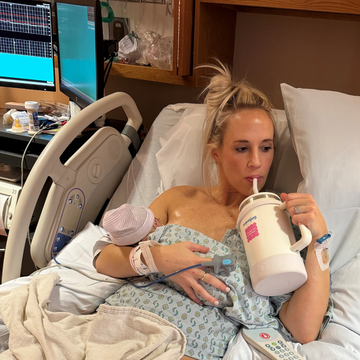
momjug breastfeeding water bottle 50oz double-wall s...
$49.99
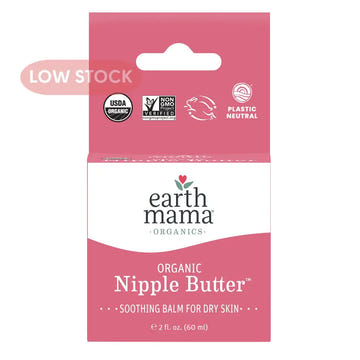
Organic Nipple Butter™ - Double-Sided for Kids
$14.99
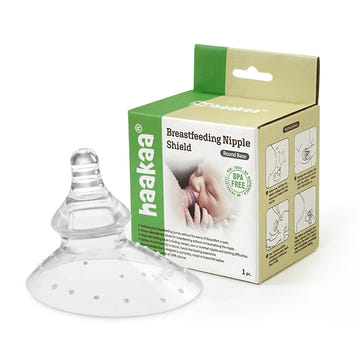
Haakaa Silicone Breastfeeding Nipple Shield Round Sh...
$19.05
Bae & Bee Boutique LactTube 5FR Pediatric Feeding Tu...
$3.00
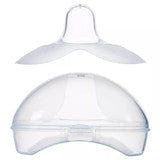
Bae & Bee Boutique Cherry Shaped Nipple Shield 21mm ...
$14.00
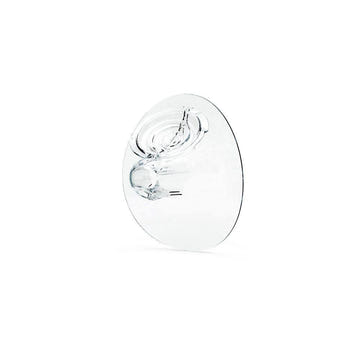
Healthy Horizons Elvie Pump Breast Shields 2 Pack 21...
$29.99
Everything for the breastfeeding journey
Take $15 off at checkout, applied automatically when you shop through this link.
Shop with MAMA15 →Free US shipping over $100. Code applies automatically at checkout.
Will my milk supply decrease when I'm sick?
Your milk supply may temporarily decrease if you're dehydrated or not eating enough while ill. Focus on staying well-hydrated by drinking extra fluids and continue nursing or pumping frequently to maintain your supply. Most mothers find their supply returns to normal once they recover.
How do I avoid spreading germs to my baby while breastfeeding?
Wash your hands thoroughly before handling your baby and breastfeeding equipment. Consider wearing a mask if you're coughing or sneezing, and avoid kissing your baby's face or hands during the contagious period. Your breast milk will still provide antibodies, so continue nursing while taking these precautions.
Can I breastfeed if I have mastitis?
Yes, you should continue breastfeeding with mastitis as it helps clear the infection and prevents engorgement. Frequent nursing on the affected breast is actually part of the treatment. Contact your healthcare provider for antibiotics if needed, as most are safe for breastfeeding mothers.
More Related Picks
A few more favorites from the same collection.

Mila's Keeper Silicone Breast Milk Bottle 6 oz Stand...
$36.00
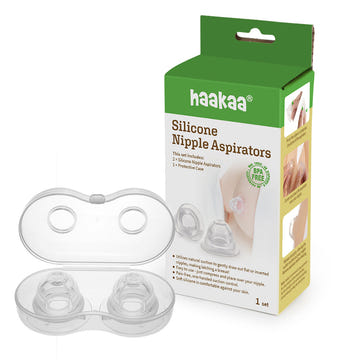
Haakaa Silicone Inverted Nipple Aspirators 2 pk
$17.99
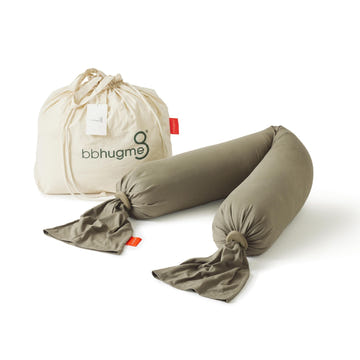
bbhugme Pregnancy Pillow Dusty Olive Adjustable Firm...
$219.00
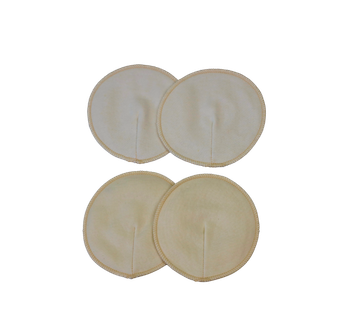
Babee Greens Contoured Nursing Pads 1 Pair Organic C...
$7.25
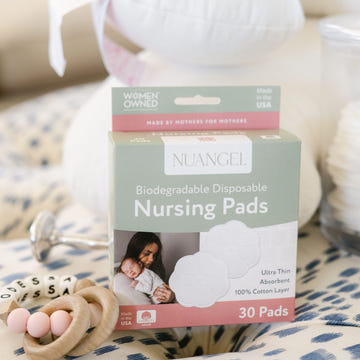
NuAngel Plant-based Disposable Nursing Pads individu...
$9.99
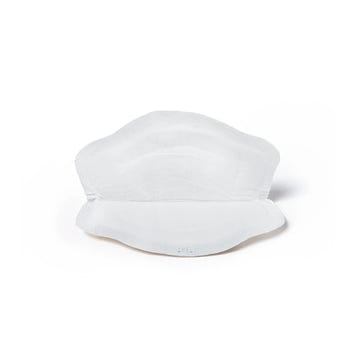
Zomee Breast Pumps Nursing Pads 100 or 200 count
$2.99
What if I'm too sick to breastfeed directly?
If you're too ill to nurse, try pumping to maintain your supply and have someone else feed your baby your expressed milk. Even if you can only pump a few times while very ill, your supply can usually recover once you're feeling better. Stay hydrated and rest as much as possible.
Are my antibodies effective if my baby already caught my cold?
Yes, continuing to breastfeed provides ongoing antibodies that can help reduce the severity and duration of your baby's illness. Your milk adapts to provide specific immune factors for the germs both you and your baby are exposed to, offering continued protection throughout their illness.
Should I change my diet when breastfeeding while sick?
Focus on easily digestible, nutrient-rich foods that support recovery and milk production. Include plenty of fruits, vegetables, whole grains, and protein. Don't worry if your appetite is reduced temporarily, but do prioritize hydration with water, broth, and herbal teas to support both your recovery and milk supply.
From Moogco Studio
Printable and personalized nursery essentials. Designed by moms for moms.


About the Editor
Eda Ulger is the editor at Moogco Baby and a mom of two. She curates and edits our guides so every piece is honest, practical, and genuinely helpful for the early days of motherhood.
Shop This Story
Picks related to this guide, ready to ship from Moogco.

Holistic Lactation Advanced Lactation Formula 30 Ser...
$34.99
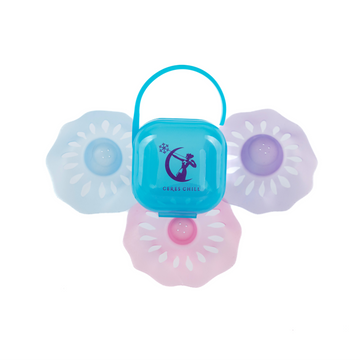
Ceres Chill Shield Maiden Nipple Shields 2pc or 3pc ...
$14.50
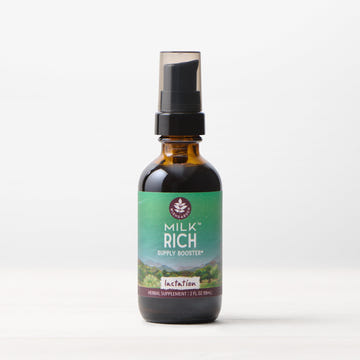
WishGarden Herbs Milk Rich Supply Booster pump top b...
$26.99

Wendy Anne Lounger Slip Cover Organic Cotton Waterpr...
$49.00
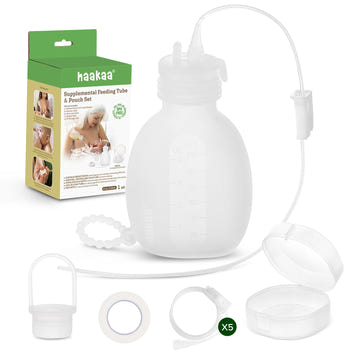
Haakaa Supplemental Feeding Tube and Pouch Set Size ...
$33.99
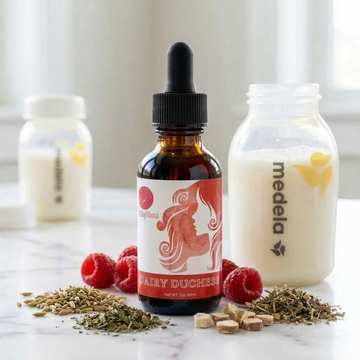
Milky Mama Dairy Duchess Raspberry Breastfeeding Sup...
$27.00
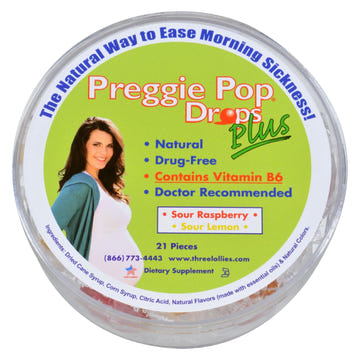
Preggie Drops Plus Morning Sickness Relief Lollies, ...
$13.75
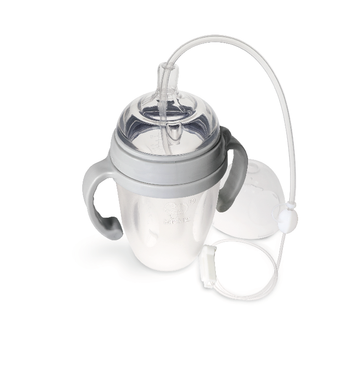
Haakaa Supplemental Feeding Combo 250ml Bottle with ...
$32.99
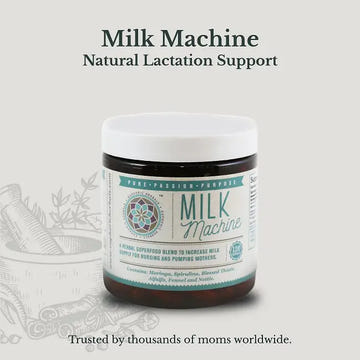
Euphoric Herbals Milk Machine lactation supplement 2...
$19.99
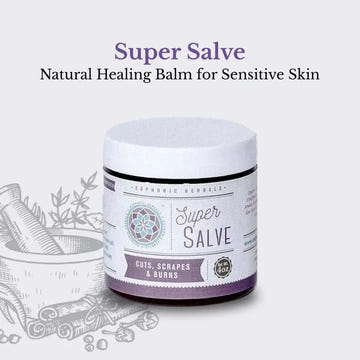
Euphoric Herbals Super Salve Nursing Salve no essent...
$10.00