


Breastfeeding is a universal practice that transcends borders, languages, and cultures, yet the way it is approached and valued varies significantly across the globe. Cultural beliefs, traditions, and societal norms all play a role in shaping the breastfeeding experience for mothers and their babies. In this blog post, we’ll explore breastfeeding practices in different cultures, highlighting the diversity of approaches and the common threads that connect mothers worldwide.
Breastfeeding in Traditional Cultures
Breastfeeding as a Communal Practice
In many traditional cultures, breastfeeding is not just a private act between mother and child but a communal practice supported by the entire community. In some African and Indigenous cultures, for example, it is common for breastfeeding to be done openly and in the presence of other women. This communal approach fosters a strong support network for new mothers, providing them with guidance, encouragement, and shared wisdom passed down through generations.
Extended Breastfeeding and Natural Weaning
In many parts of Asia, Africa, and South America, extended breastfeeding is the norm. Mothers may continue to breastfeed their children well into toddlerhood, sometimes until the age of four or five. This practice is often tied to cultural beliefs about the health and emotional benefits of breastfeeding, as well as the natural weaning process, where the child decides when they are ready to stop nursing.
Breastfeeding in Modern Western Cultures
The Influence of Medicalization
In contrast to traditional practices, breastfeeding in modern Western cultures has been heavily influenced by medicalization and the rise of formula feeding in the 20th century. For many years, formula was marketed as a more convenient and scientifically superior alternative to breast milk, leading to a decline in breastfeeding rates. However, in recent decades, there has been a resurgence of interest in breastfeeding, driven by research highlighting its health benefits for both mother and baby.
Workplace Challenges
In many Western countries, the return to work is a significant challenge for breastfeeding mothers. Unlike traditional cultures where communal support is readily available, modern mothers often face the pressure of balancing work with breastfeeding. This has led to the need for workplace accommodations, such as lactation rooms and flexible schedules, to support breastfeeding mothers in continuing to nurse their babies.
Breastfeeding in Islamic Cultures
Religious Teachings on Breastfeeding
In Islamic cultures, breastfeeding is not only encouraged but also considered a religious obligation. The Quran explicitly mentions the importance of breastfeeding, advising mothers to nurse their children for two full years if possible. This religious guidance reinforces the practice of breastfeeding as a vital part of child-rearing, and many Muslim communities place a strong emphasis on ensuring that mothers receive the support they need to fulfill this duty.
Modesty and Breastfeeding
While breastfeeding is highly valued in Islamic cultures, modesty is also a significant cultural consideration. Many Muslim mothers prefer to breastfeed in private or use a nursing cover when breastfeeding in public to align with cultural norms around modesty. Despite these considerations, the act of breastfeeding is widely accepted and supported within the community.
Breastfeeding in Scandinavian Cultures
A Strong Social Support System
Scandinavian countries, such as Sweden, Norway, and Denmark, are often hailed as models for breastfeeding support. These countries have some of the highest breastfeeding rates in the world, thanks in part to comprehensive social policies that provide extensive maternity leave, parental support, and access to breastfeeding education. In these cultures, breastfeeding is viewed as a natural and essential part of child-rearing, and mothers are given the time and resources they need to breastfeed successfully.
Public Acceptance of Breastfeeding
In Scandinavian cultures, breastfeeding in public is widely accepted and normalized. Mothers are free to breastfeed their babies wherever they are, without fear of judgment or stigma. This cultural acceptance is bolstered by public health campaigns that promote breastfeeding as the best option for both mother and baby, further reinforcing its importance in society.
Breastfeeding in Eastern European Cultures
Generational Wisdom and Tradition
In many Eastern European cultures, breastfeeding is deeply rooted in tradition and passed down through generations. Grandmothers and older women in the community often play a crucial role in guiding new mothers through the breastfeeding journey, sharing traditional practices and remedies that have been used for centuries. This generational wisdom is highly valued and helps to preserve the cultural significance of breastfeeding.
Challenges in Modernization
However, as Eastern European societies have modernized, some traditional breastfeeding practices have been challenged by the influx of Western influences, including the popularity of formula feeding. Despite these challenges, many Eastern European mothers continue to prioritize breastfeeding, often blending traditional practices with modern medical advice to ensure the best outcomes for their babies.
Picks From This Story
Picks related to this guide, ready to ship from Moogco.

momjug breastfeeding water bottle 50oz double-wall s...
$49.99
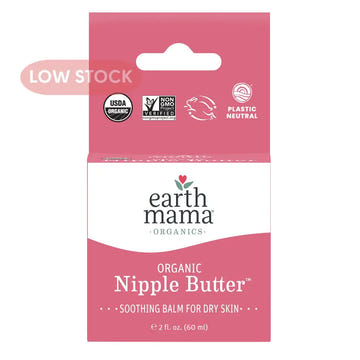
Organic Nipple Butter™ - Double-Sided for Kids
$14.99
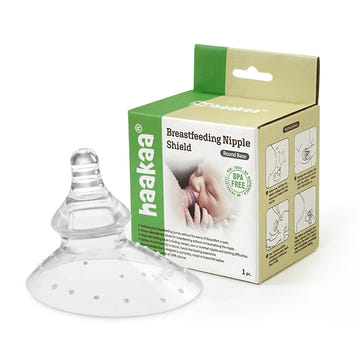
Haakaa Silicone Breastfeeding Nipple Shield Round Sh...
$19.05
Bae & Bee Boutique LactTube 5FR Pediatric Feeding Tu...
$3.00
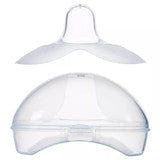
Bae & Bee Boutique Cherry Shaped Nipple Shield 21mm ...
$14.00
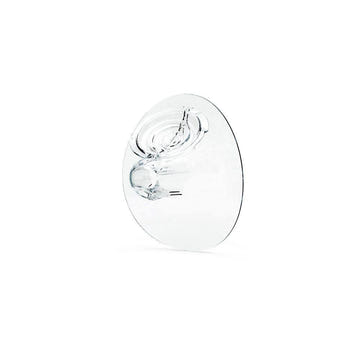
Healthy Horizons Elvie Pump Breast Shields 2 Pack 21...
$29.99
The Role of Moogco Silver Nursing Cups in Supporting Global Breastfeeding Practices
No matter where you are in the world, breastfeeding can come with its own set of challenges, including sore or cracked nipples. Moogco Silver Nursing Cups offer a universally effective solution for mothers dealing with these issues, providing relief and promoting natural healing.
Natural Healing Across Cultures:
Moogco Silver Nursing Cups harness the natural antibacterial properties of silver, which have been recognized and valued in various cultures for centuries. These cups offer a modern, practical application of this traditional wisdom, helping mothers worldwide to continue breastfeeding comfortably.
Universal Convenience:
Designed with the busy mother in mind, Moogco Silver Nursing Cups are easy to use, durable, and require no additional creams or ointments. Whether you’re a mother in a bustling city or a rural village, these cups can provide the consistent relief you need to keep breastfeeding, no matter where life takes you.
Conclusion
Breastfeeding practices around the world are as diverse as the cultures they come from, yet the fundamental goal remains the same: to nourish and nurture the next generation. By understanding and respecting these cultural differences, we can learn from one another and find new ways to support mothers in their breastfeeding journeys. Whether you’re breastfeeding in a bustling city square or a quiet village, tools like Moogco Silver Nursing Cups can help you overcome the physical challenges of breastfeeding, allowing you to focus on the beautiful connection between you and your baby.
Curated by moms, vetted by lactation pros
Everything for the breastfeeding journey
Take 25% off at checkout, applied automatically when you shop through this link.
Shop with READER25 →Free US shipping over $100. Code applies automatically at checkout.
Bring this guide home with 25% off.
Use code READER25 for 25% off →

Frequently Asked Questions
How does breastfeeding in public vary across different cultures?
Breastfeeding in public acceptance varies widely depending on cultural norms. In Scandinavian countries and many traditional African and Indigenous cultures, public breastfeeding is normalized and widely accepted. In Islamic cultures, many mothers prefer to breastfeed privately or use a nursing cover to honor cultural values around modesty. Western cultures have seen increasing acceptance in recent years, though attitudes can still vary by region.
What is extended breastfeeding and which cultures practice it?
Extended breastfeeding refers to nursing children beyond infancy, often into toddlerhood and sometimes until age four or five. This practice is common in many parts of Asia, Africa, and South America, where it's tied to cultural beliefs about health and emotional benefits. The World Health Organization and many health authorities support breastfeeding for two years or beyond, recognizing its continued nutritional and immunological value.
More Related Picks
A few more favorites from the same collection.

Mila's Keeper Silicone Breast Milk Bottle 6 oz Stand...
$36.00
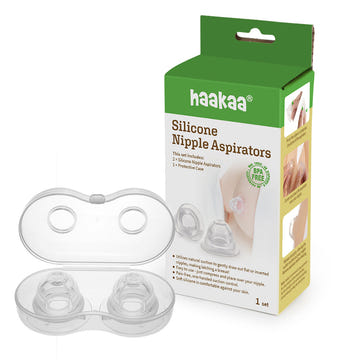
Haakaa Silicone Inverted Nipple Aspirators 2 pk
$17.99
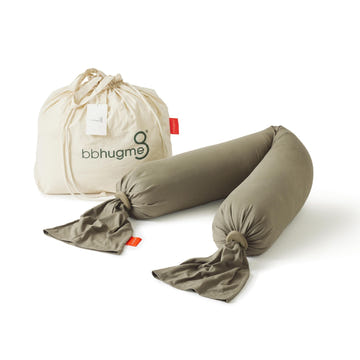
bbhugme Pregnancy Pillow Dusty Olive Adjustable Firm...
$219.00
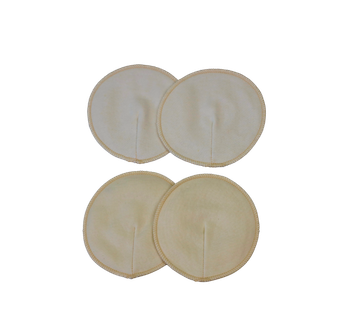
Babee Greens Contoured Nursing Pads 1 Pair Organic C...
$7.25
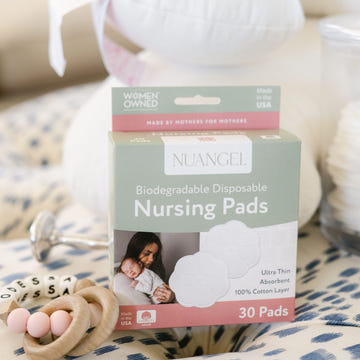
NuAngel Plant-based Disposable Nursing Pads individu...
$9.99
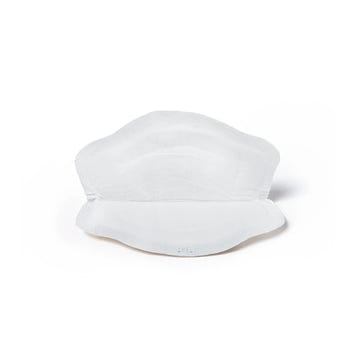
Zomee Breast Pumps Nursing Pads 100 or 200 count
$2.99
Why do Islamic cultures place such emphasis on breastfeeding?
In Islamic cultures, breastfeeding is considered both a religious obligation and a vital part of child-rearing. The Quran specifically advises mothers to nurse their children for two full years if possible, making it a religious duty. This guidance creates strong community support for breastfeeding mothers and reinforces the practice as an essential aspect of nurturing the next generation.
How do workplace policies in Scandinavian countries support breastfeeding?
Scandinavian countries like Sweden, Norway, and Denmark offer comprehensive social policies including extensive maternity leave, parental support programs, and access to breastfeeding education. These policies give mothers the time and resources they need to establish and maintain breastfeeding successfully. The result is some of the highest breastfeeding rates in the world, demonstrating how supportive policies can make a real difference.
What role do grandmothers play in breastfeeding support across cultures?
Grandmothers and elder women play crucial roles in many cultures, particularly in traditional African, Indigenous, and Eastern European communities. They share generational wisdom, traditional practices, and remedies passed down through centuries. This intergenerational support provides new mothers with guidance, encouragement, and time-tested knowledge that helps preserve the cultural significance of breastfeeding.
How has formula feeding affected traditional breastfeeding practices?
The rise of formula feeding in the 20th century, particularly in Western cultures, led to a significant decline in breastfeeding rates as it was marketed as more convenient and scientifically superior. Eastern European and other modernizing societies have also experienced challenges to traditional breastfeeding practices due to Western influences. However, research highlighting the health benefits of breastfeeding has sparked a resurgence of interest in many countries.
What is natural weaning and where is it commonly practiced?
Natural weaning is the practice of allowing the child to decide when they are ready to stop breastfeeding, rather than following a predetermined timeline. This approach is common in many traditional cultures across Asia, Africa, and South America, where children may nurse well into toddlerhood. It's tied to cultural beliefs about respecting the child's developmental readiness and the continued health benefits of breast milk.
Can silver nursing cups help mothers from all cultural backgrounds?
Yes, Moogco Silver Nursing Cups offer a universal solution that transcends cultural boundaries. Silver's natural antibacterial properties have been recognized and valued across various cultures for centuries, making these cups a modern application of traditional wisdom. They require no additional creams or ointments, making them practical for mothers everywhere, whether in urban centers or rural villages, helping overcome the common challenge of sore or cracked nipples.
From Moogco Studio
Printable and personalized nursery essentials. Designed by moms for moms.


About the Editor
Eda Ulger is the editor at Moogco Baby and a mom of two. She curates and edits our guides so every piece is honest, practical, and genuinely helpful for the early days of motherhood.
Shop This Story
Picks related to this guide, ready to ship from Moogco.

Holistic Lactation Advanced Lactation Formula 30 Ser...
$34.99
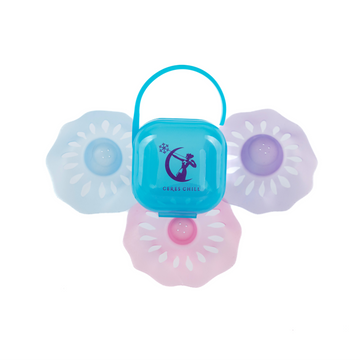
Ceres Chill Shield Maiden Nipple Shields 2pc or 3pc ...
$14.50

WishGarden Herbs Milk Rich Supply Booster pump top b...
$26.99
Wendy Anne Lounger Slip Cover Organic Cotton Waterpr...
$49.00
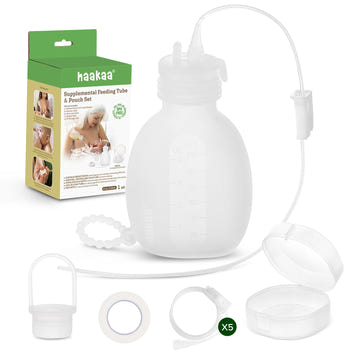
Haakaa Supplemental Feeding Tube and Pouch Set Size ...
$33.99

Milky Mama Dairy Duchess Raspberry Breastfeeding Sup...
$27.00

Preggie Drops Plus Morning Sickness Relief Lollies, ...
$13.75
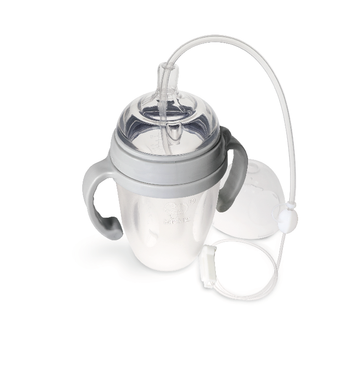
Haakaa Supplemental Feeding Combo 250ml Bottle with ...
$32.99
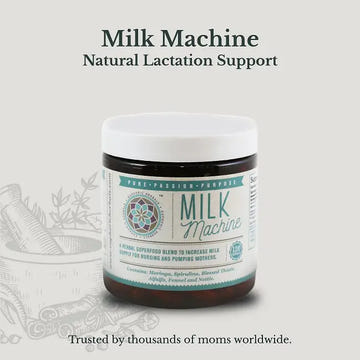
Euphoric Herbals Milk Machine lactation supplement 2...
$19.99
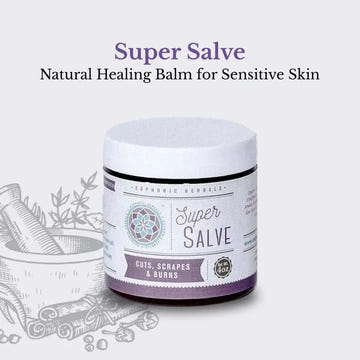
Euphoric Herbals Super Salve Nursing Salve no essent...
$10.00