


As a breastfeeding mother, you might notice that your breastmilk doesn’t always look the same. Sometimes it’s a pale yellow, other times it might seem bluish or even have a slight green tint. These variations can cause concern, but the truth is that changes in the color and consistency of breastmilk are completely normal. Understanding what these changes mean can help you feel more confident about your breastfeeding journey.
In this blog post, we’ll explore the different colors of breastmilk, why they change, and what those changes indicate about your baby’s nutrition and your health.
Why Does Breastmilk Change Color?
Breastmilk is a living fluid, packed with nutrients and immune-boosting properties that naturally adapt to meet your baby’s needs. Its color can change for several reasons, including the stage of milk production, your diet, hydration level, and your baby’s growth. Let’s break down the most common breastmilk colors and what they might mean.
Common Breastmilk Colors and Their Meanings
-
Bluish or Thin Breastmilk Early in a feeding session, you may notice that your breastmilk appears thinner and almost bluish in color. This is called foremilk, and it is the milk that flows at the start of a feeding. Foremilk is rich in lactose and water, helping to quench your baby’s thirst. While it might seem less creamy, rest assured that it provides important nutrients.
-
Yellow or Creamy Milk As your feeding session progresses, the milk thickens and takes on a creamier yellow color. This is known as hindmilk. It’s higher in fat and calories, helping your baby feel fuller and gain weight. Milk can also appear more yellow if it’s stored in the fridge or freezer, due to the separation of fats.
-
White Breastmilk White milk is the most common appearance of breastmilk during regular feedings and indicates that your milk is balanced in terms of foremilk and hindmilk. This is typically the color you’ll see once your milk supply has stabilized and your baby is nursing effectively.
-
Green Breastmilk Green-tinted breastmilk might seem unusual, but it’s often linked to your diet. If you’ve consumed a lot of green vegetables like spinach or taken certain supplements like spirulina, this can affect the color of your milk. Don’t worry, it’s still perfectly safe for your baby to consume.
-
Pink or Reddish Milk If you notice a pink or reddish tint to your breastmilk, it’s likely due to blood mixing with the milk. This can happen if you have cracked or sore nipples, or it could be the result of a small blood vessel breaking during milk production. While it might look alarming, breastmilk with a small amount of blood is generally safe for your baby. However, if you’re concerned, it’s always a good idea to check with a lactation consultant or healthcare provider.
-
Brownish Milk Known as rusty pipe syndrome, brownish-colored milk is typically seen in the first few days of breastfeeding. It’s caused by old blood from your milk ducts, and it usually clears up on its own. If it persists, contact a healthcare professional to rule out any underlying issues.
What Does Breastmilk Consistency Mean?
Breastmilk consistency can vary from watery to creamy, depending on the stage of feeding and your baby’s needs. The thinner, more watery foremilk helps hydrate your baby, while the thicker, richer hindmilk provides the fats necessary for growth and development. It’s important to allow your baby to nurse long enough on each breast to get both foremilk and hindmilk for a complete feeding.
When Should You Be Concerned?
While variations in breastmilk color are usually normal, there are a few situations where you might want to consult a healthcare provider:
- Persistent blood in milk: If you’re consistently seeing blood in your breastmilk and you don’t have cracked nipples, it’s a good idea to speak with a healthcare professional.
- Sudden changes: If your breastmilk suddenly turns an unusual color without an obvious cause (like diet or medications), it may be worth investigating further.
The Role of Moogco Silver Nursing Cups
Breastfeeding can sometimes lead to sore, cracked nipples, especially when your baby is latching incorrectly or nursing frequently. Cracked nipples may cause blood to mix with your breastmilk, which can change its color. Moogco Silver Nursing Cups provide natural healing by offering soothing relief and helping to prevent infection, ensuring that your breastfeeding experience is as comfortable and healthy as possible.
Picks From This Story
Picks related to this guide, ready to ship from Moogco.
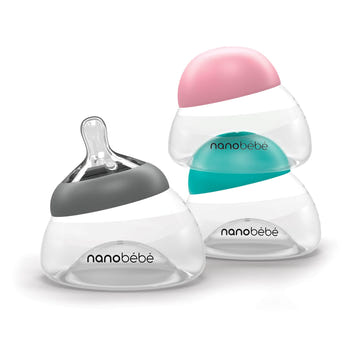
Nanobébé Breastmilk Baby Bottle 5 oz Pack Options Pi...
$16.99
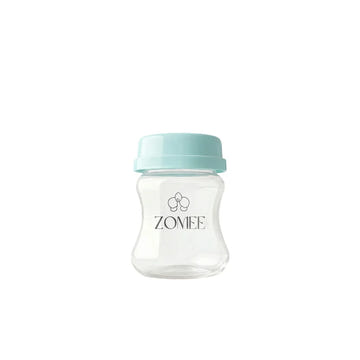
Zomee Breast Pumps Breast Milk Storage Bottles BPA-free
$3.99
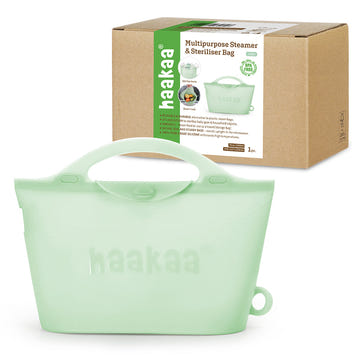
Haakaa Multipurpose Steamer & Sterilizer Bag 3 sizes...
$14.99

Mila's Keeper Silicone Breast Milk Bottle 6 oz Stand...
$36.00
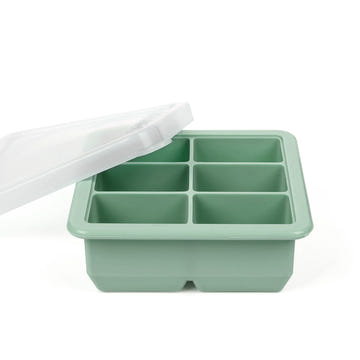
Haakaa Baby Freezer Tray Silicone 4 6 9 Compartment ...
$17.43
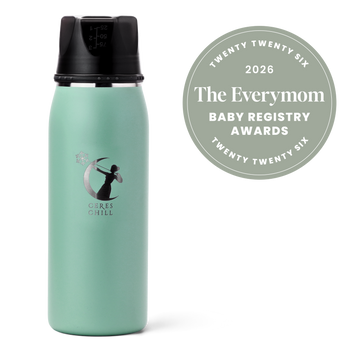
Ceres Chill OG+ Chiller Warmer 28oz Breastmilk Chiller
$68.98
Conclusion
Breastmilk changes color and consistency for a variety of reasons, all of which are normal as your body adapts to your baby’s needs. Whether your milk is blue, white, or yellow, the important thing is that it’s nourishing and protective for your baby. By understanding the reasons behind these changes, you can feel more confident in your breastfeeding journey and recognize when things are going smoothly—or when it’s time to seek advice.
Don’t forget that using Moogco Silver Nursing Cups can help keep your nipples healthy, so you can continue providing the best for your baby. Keep an eye on your breastmilk, but know that most of these variations are just a sign of the incredible work your body is doing to care for your little one.
Bring this guide home with 20% off.
Use code MOM20 for 20% off →
Featured pick from Moogco
MOOGCO Silver Nursing Cups 999k Silver - BPA-Free for Babies & Toddlers
$46.90 $52.90
Shop this pick → Frequently Asked Questions
Can certain medications change the color of my breastmilk?
Yes, some medications and supplements can affect breastmilk color. Antibiotics, multivitamins, and certain herbal supplements may cause temporary color changes, often resulting in greenish or yellow hues. These changes are generally harmless, but always consult your healthcare provider about any medications you're taking while breastfeeding to ensure they're safe for your baby.

Is it normal for breastmilk to look different when I pump versus when I nurse?
Absolutely! Pumped milk often appears thinner or more bluish because you're seeing mostly foremilk, especially if you pump between feedings. When stored in the fridge or freezer, the fat separates and rises to the top, making the milk look layered. Simply swirl the container gently to remix the milk before feeding, and it will look more uniform again.
Free US shipping over $100
Real essentials, picked by real moms
Take 20% off at checkout, applied automatically when you shop through this link.
Shop with MOM20 →Free US shipping over $100. Code applies automatically at checkout.
Does the color of my breastmilk affect its nutritional value?
No, color variations don't reduce the nutritional quality of your breastmilk. Whether it's blue, white, yellow, or even slightly green, your milk is still packed with the perfect balance of nutrients, antibodies, and enzymes your baby needs. The color simply reflects factors like diet, hydration, and the stage of feeding, not the quality of nutrition.
More Related Picks
A few more favorites from the same collection.
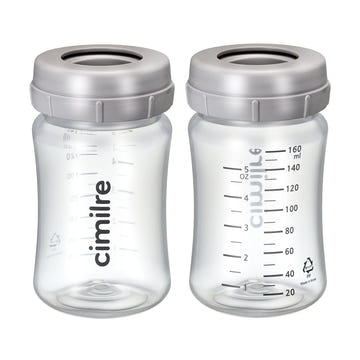
Cimilre Breast Pumps Storage Bottle Set 5 oz 2-Pack
$11.99
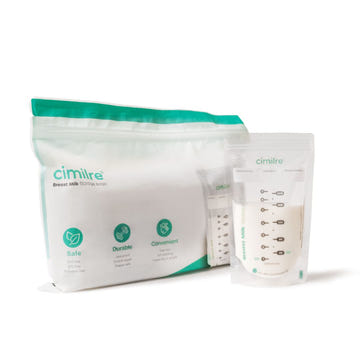
Cimilre Breast Pumps Breast Milk Storage Bags 7oz Pa...
$16.99
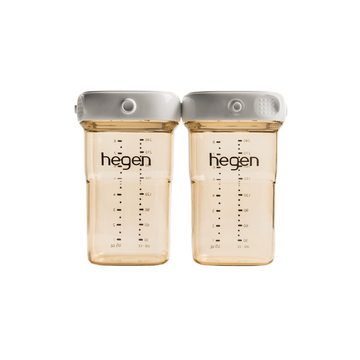
hegen PPSU Breast Milk Storage Containers 240ml 2-Pack
$30.99
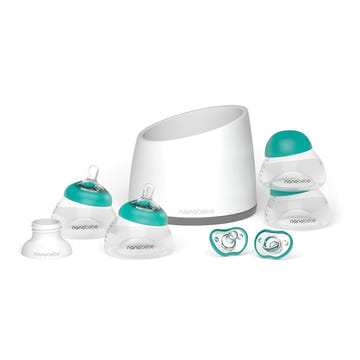
Nanobébé Breastmilk Bottle Starter Set 5 oz 4-pack w...
$39.99
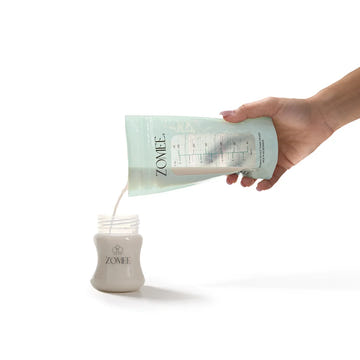
Zomee Breast Pumps Milk Storage Bags 8oz Double-Zip ...
$8.99
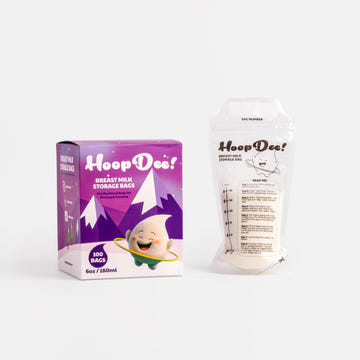
HoopDee Breast Milk Storage Freezer Bags 6oz (180ml)...
$14.99
How long does it take for my breastmilk color to change after eating certain foods?
Foods can influence breastmilk color within a few hours of consumption. If you eat a large serving of green vegetables, seaweed, or foods with artificial coloring, you might notice a tint in your milk within 4 to 6 hours. The effect is temporary and will fade as those foods are processed out of your system.
What is foremilk and hindmilk imbalance, and does it affect milk color?
Foremilk and hindmilk imbalance can occur if your baby consistently gets more of the watery, bluish foremilk and not enough of the creamy, yellow hindmilk. This might happen with very short feedings or frequent breast switching. While it doesn't change the overall color of your milk supply, ensuring your baby nurses long enough on each breast helps them get the full spectrum of nutrition.
Can my hydration level change the color of my breastmilk?
Yes, hydration can influence milk appearance. When you're well-hydrated, your foremilk may look thinner and more bluish because it contains more water to help quench your baby's thirst. Staying hydrated is important for maintaining good milk supply and ensuring your baby gets the fluid balance they need.
Is it safe to give my baby breastmilk that has a pinkish color from blood?
In most cases, yes. Small amounts of blood from cracked nipples or broken capillaries are generally safe for your baby to consume and won't harm them. However, if you're seeing persistent pink or red milk, or if you're experiencing significant pain, it's best to consult with a lactation consultant or healthcare provider to address the underlying cause and promote healing.
Why does my frozen breastmilk look yellowish when I thaw it?
Frozen breastmilk often appears more yellow because the fat content separates and can take on a richer hue during freezing and thawing. This is completely normal and doesn't mean the milk has spoiled. Gently swirl the thawed milk to recombine the fat layers, and it will be ready for your baby to enjoy with all its nutritional benefits intact.
From Moogco Studio
Printable and personalized nursery essentials. Designed by moms for moms.


About the Editor
Eda Ulger is the editor at Moogco Baby and a mom of two. She curates and edits our guides so every piece is honest, practical, and genuinely helpful for the early days of motherhood.
Shop This Story
Picks related to this guide, ready to ship from Moogco.
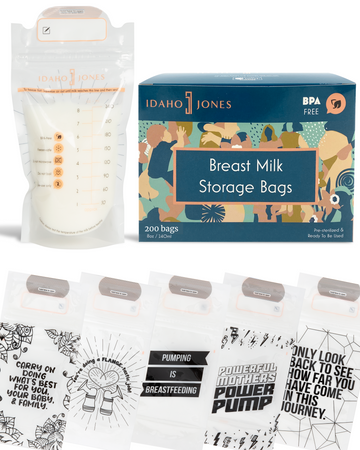
Milk Storage Bags - Breast Milk Pouches
$15.99
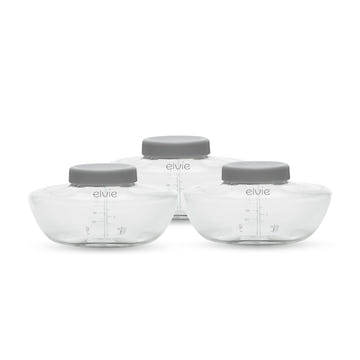
Healthy Horizons Elvie Pump Bottles 3 Pack 150 ml BP...
$34.99
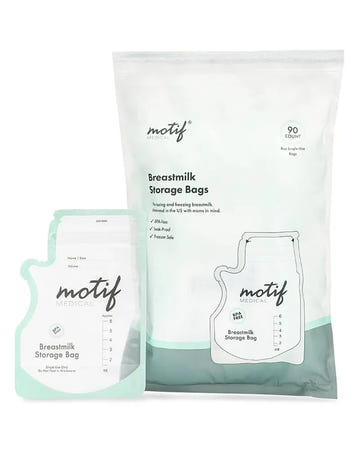
LL Medico Motif Milk Storage Bags 6 oz Self-Standing...
$8.99
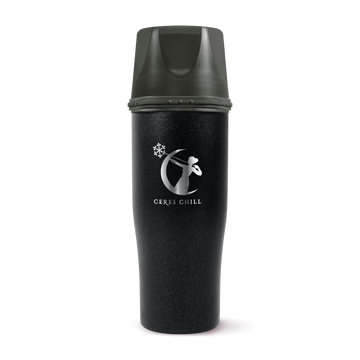
Ceres Chill Demigoddess Mini Chiller Warmer 12oz 16-...
$49.68
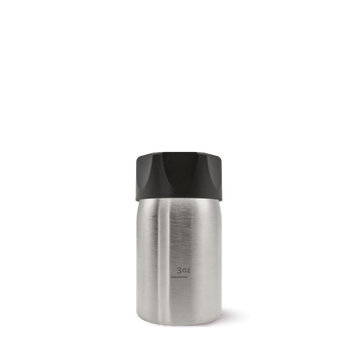
Ceres Chill 6oz Inner Chamber Daycare-Friendly Baby ...
$10.95
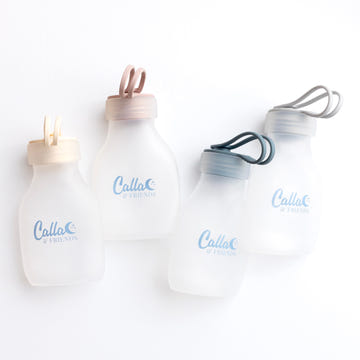
Calla and Friends Nourishing Nibbler Reusable Milk &...
$40.00
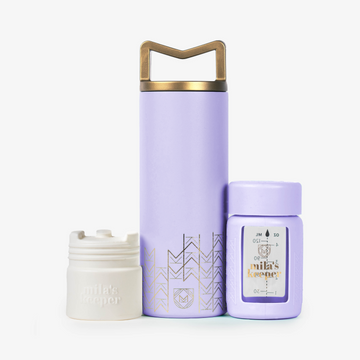
Mila's Keeper MilKeeper Starter Set Lavender Fields ...
$67.00
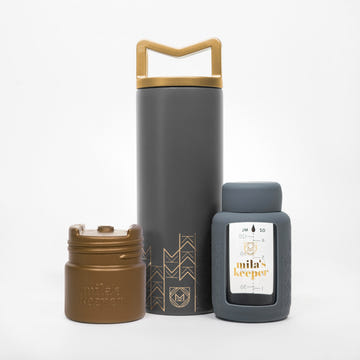
Mila's Keeper MilKeeper Starter Set Starry Night 5oz...
$67.00
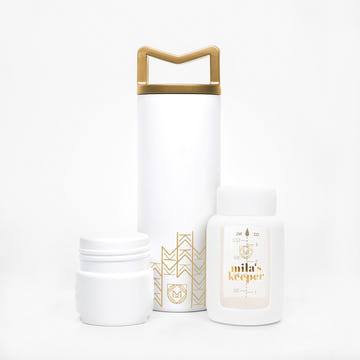
Mila's Keeper MilKeeper Starter Set Aspen White 3-in...
$67.00
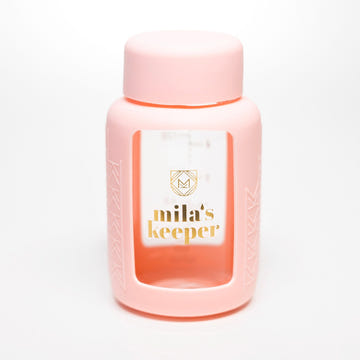
Mila's Keeper Glass Breast Milk Storage Bottles Set ...
$42.00