


A baby’s immune system is still developing at birth, making them more vulnerable to infections. However, the first year of life is crucial for building a strong immune foundation. Understanding how immunity develops and what parents can do to support it can help ensure long-term health and well-being.
How a Baby’s Immune System Develops
At birth, a baby’s immune system is immature and relies heavily on passive immunity transferred from the mother during pregnancy and through breastfeeding. Over time, exposure to the environment helps build an active immune response.

✔️ Passive Immunity: Babies receive antibodies from the placenta and breast milk, especially Immunoglobulin A (IgA), which protects against infections. ✔️ Innate Immunity: The first line of defense includes skin barriers, stomach acid, and natural killer cells. ✔️ Adaptive Immunity: As babies encounter germs, their immune system learns to recognize and fight infections more effectively.
Free US shipping over $100
Real essentials, picked by real moms
Take $15 off at checkout, applied automatically when you shop through this link.
Shop with READER15 →Free US shipping over $100. Code applies automatically at checkout.
Dr. Olivia Harper, Pediatric Immunologist: “A baby’s immune system is like a blank slate. Early exposure to beneficial microbes and a healthy diet help train it for lifelong protection.”
Picks From This Story
Picks related to this guide, ready to ship from Moogco.
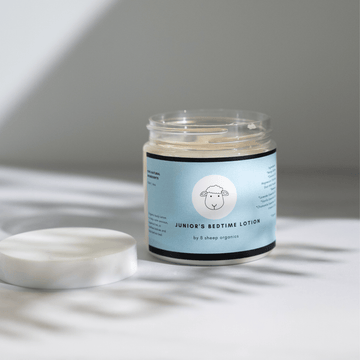
8 Sheep Organics Juniors Bedtime Lotion deep sea mag...
$23.00
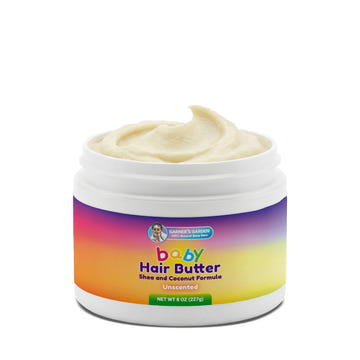
Garner's Garden Baby Hair Butter Unscented 100% All-...
$15.00
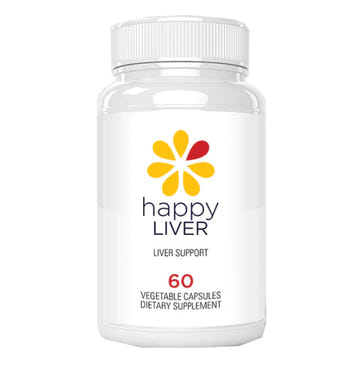
Happy Liver
$29.95
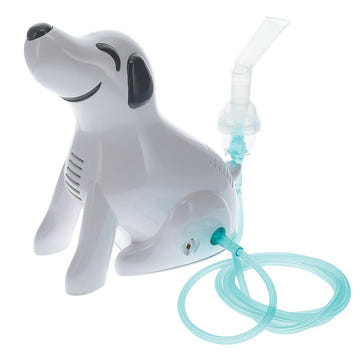
LL Medico BodyMed Pediatric Dog Compressor Nebulizer...
$29.99
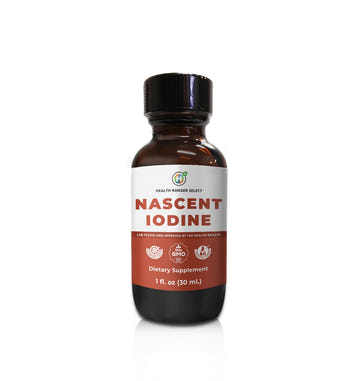
Health Ranger Store Nascent Iodine 1 fl oz 2% Cap Lo...
$41.95
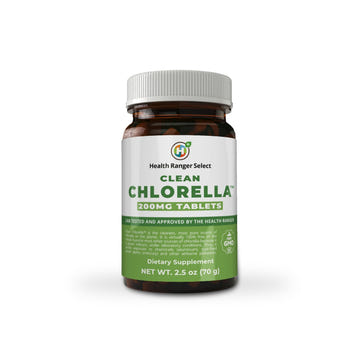
Health Ranger Store Clean Chlorella 200mg Tablets 2....
$15.95
Ways to Naturally Strengthen Your Baby’s Immune System
1. Breastfeeding for Immune Support
Breast milk contains antibodies, white blood cells, and essential nutrients that support immunity.
✔️ Colostrum: The first milk is packed with antibodies that protect against infections. ✔️ Probiotics & Prebiotics: Breast milk promotes a healthy gut microbiome, which is essential for immunity. ✔️ Lactoferrin & Lysozyme: Antibacterial proteins help defend against harmful pathogens.
💡 Tip: If breastfeeding isn’t an option, consult your pediatrician about formula options that contain immune-supporting ingredients like DHA and probiotics.
2. Prioritizing Vaccinations
Vaccinations help a baby’s immune system recognize and fight diseases effectively. The Centers for Disease Control and Prevention (CDC) and the American Academy of Pediatrics (AAP) recommend the following vaccines in the first year:
✔️ Hepatitis B – Given at birth to protect against liver infections. ✔️ DTaP (Diphtheria, Tetanus, Pertussis) – Protects against serious bacterial infections. ✔️ Rotavirus – Prevents severe diarrhea and dehydration. ✔️ Pneumococcal & Hib – Shields against pneumonia and meningitis. ✔️ Flu Shot – Recommended at six months to prevent severe influenza.
Dr. Jacob Lin, Pediatric Infectious Disease Specialist: “Vaccinations don’t just protect your baby; they also help prevent the spread of disease to vulnerable populations.”
3. Encouraging a Nutrient-Rich Diet
As babies transition to solid foods, providing immune-boosting nutrients is key.
✔️ Vitamin C: Found in citrus fruits, bell peppers, and strawberries, supports white blood cells. ✔️ Zinc: Helps with cell repair and immune response, present in meats, beans, and nuts. ✔️ Iron: Crucial for oxygen transport and immune defense, found in fortified cereals and spinach. ✔️ Omega-3 Fatty Acids: Support anti-inflammatory responses, present in fish and flaxseeds.
💡 Did You Know? The gut houses 70% of the immune system, making probiotics (in yogurt and fermented foods) vital for immune health.
4. Promoting Healthy Sleep Patterns
Adequate sleep is essential for immune regulation.
✔️ Newborns (0-3 months): Need 14-17 hours of sleep per day. ✔️ Infants (4-12 months): Require 12-16 hours, including naps. ✔️ Toddlers (1-2 years): Need 11-14 hours for optimal immune function.
Dr. Hannah Ellis, Pediatric Sleep Expert: “Poor sleep can weaken the immune system, making babies more susceptible to illness. Establishing a bedtime routine is key.”
5. Allowing Safe Exposure to Germs
While excessive cleanliness can hinder immune training, safe exposure to microbes helps build natural defenses.
✔️ Let babies explore and play in clean, natural environments. ✔️ Encourage interaction with pets, which can diversify gut bacteria. ✔️ Avoid overuse of antibacterial soaps and disinfectants at home.
💡 Tip: Frequent handwashing before meals and after outings is still important to prevent infections.
The Role of Moogco Silver Nursing Cups
Breastfeeding provides vital immune support, but nipple discomfort can be a challenge. Moogco Silver Nursing Cups help soothe soreness naturally, making breastfeeding more comfortable.
📌 Get yours today: Moogco Silver Nursing Cups on Amazon.
More Related Picks
A few more favorites from the same collection.
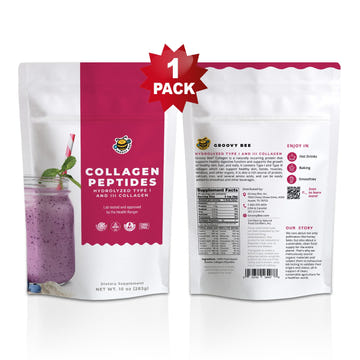
Health Ranger Store Groovy Bee Collagen Peptides Hyd...
$28.95
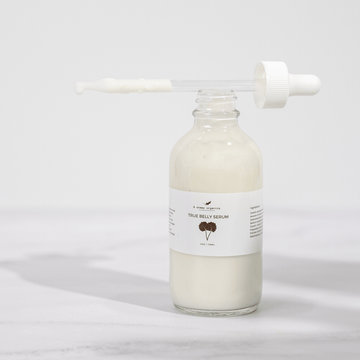
True Belly Serum
$47.00
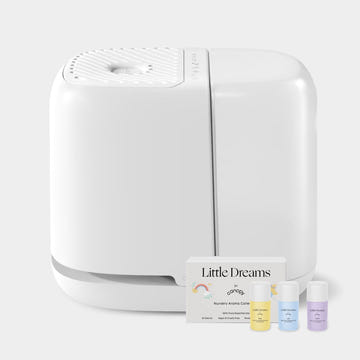
Canopy Nursery Humidifier 2.0 mold-inhibiting dishwa...
$159.00
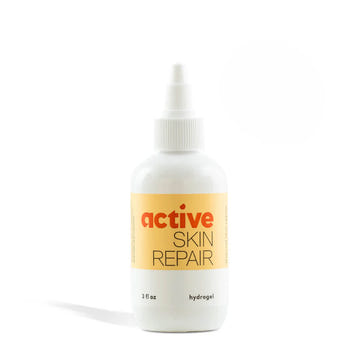
Repair Hydrogel
$34.97
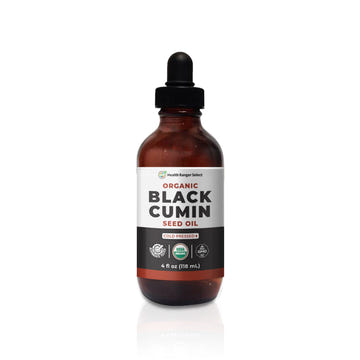
Health Ranger Store Organic Black Cumin Seed Oil 4oz...
$27.95
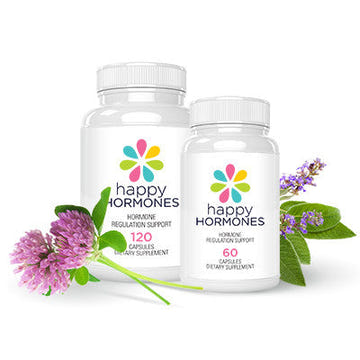
Happy Hormones
$29.95
Final Thoughts: A Strong Start for a Healthy Future
Building a resilient immune system starts in infancy. Through breastfeeding, proper nutrition, vaccinations, and healthy sleep habits, parents can help their babies develop strong immunity for lifelong health.
🛒 Find all your baby essentials at Moogco Baby.
Bring this guide home with $15 off.
Use code READER15 for $15 off →
Featured pick from Moogco
The Original Silver Nursing Cups with Silicone Pads
$62.90 $74.90
Shop this pick → Frequently Asked Questions
At what age does a baby's immune system start working on its own?
A baby's adaptive immune system begins developing at birth but takes several months to mature. By around six months, babies start producing their own antibodies more effectively, though full immune maturity doesn't occur until early childhood. This is why the first year focuses on supporting immunity through breastfeeding, vaccinations, and healthy habits.
Can probiotics really help boost my baby's immune system?
Breast milk naturally contains prebiotics that promote beneficial bacteria, and age-appropriate probiotic foods like yogurt can be introduced after six months. Always consult your pediatrician before giving probiotic supplements to infants.
Is it true that being too clean can weaken my baby's immunity?
Moderate exposure to everyday germs actually helps train your baby's immune system to recognize and respond to threats. While basic hygiene like handwashing before meals is essential, overusing antibacterial products and preventing all germ exposure may limit immune development. Let your baby safely explore their environment while maintaining sensible cleanliness.
How does sleep affect my baby's ability to fight infections?
During sleep, the body produces cytokines and other immune proteins that help fight infections and inflammation. Babies who don't get adequate sleep may have weakened immune responses and become more susceptible to illness. Establishing consistent sleep routines and ensuring your baby gets age-appropriate rest hours is crucial for immune health.
What foods should I avoid giving my baby to protect their immune system?
Avoid honey before age one due to botulism risk, and limit added sugars and highly processed foods that can interfere with immune function. Focus on whole foods rich in vitamins, minerals, and healthy fats instead. Introduce common allergens like peanuts and eggs gradually under pediatric guidance to help build immune tolerance.
Can my baby catch illnesses from being around other children?
Yes, babies can catch colds and other infections from close contact, but these exposures actually help build immunity over time. While you should avoid exposing newborns to obviously sick individuals, normal social interaction with healthy children is beneficial for immune development. Practice good hygiene and keep up with vaccinations to minimize serious illness risk.
Do breastfed babies really get sick less often than formula-fed babies?
Research shows breastfed babies typically experience fewer infections, especially ear infections, respiratory illnesses, and stomach bugs, due to antibodies and immune factors in breast milk. However, formula-fed babies can also develop strong immune systems with proper nutrition, vaccinations, and healthy habits. Every feeding journey is valid and can support good immunity.
When should I be concerned about my baby's immune system?
Contact your pediatrician if your baby has frequent severe infections, fails to gain weight, has persistent thrush or skin infections, or shows developmental delays. Most babies experience 6 to 8 colds in their first year as their immune system learns, but unusually frequent or severe illnesses may warrant evaluation. Trust your instincts and seek medical advice when something feels off.
From Moogco Studio
Printable and personalized nursery essentials. Designed by moms for moms.


About the Editor
Eda Ulger is the editor at Moogco Baby and a mom of two. She curates and edits our guides so every piece is honest, practical, and genuinely helpful for the early days of motherhood.
Shop This Story
Picks related to this guide, ready to ship from Moogco.
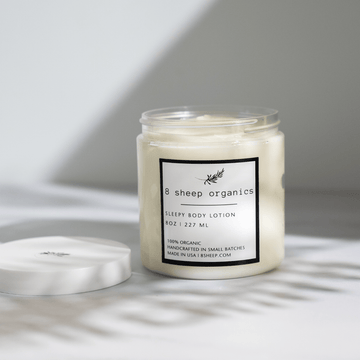
8 Sheep Organics Organic Sleepy Body Lotion for Preg...
$29.00
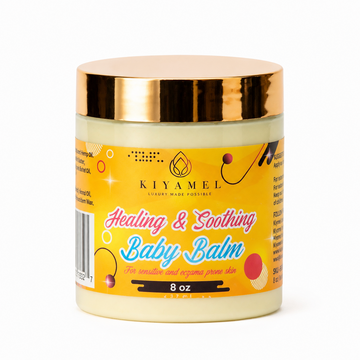
Kiyamel Baby Balm Natural Diaper Rash Cream 8 oz
$49.99
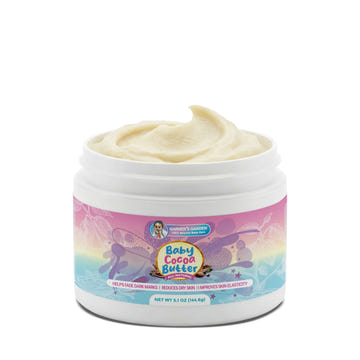
Garner's Garden Baby Cocoa Butter whipped moisturizi...
$10.00
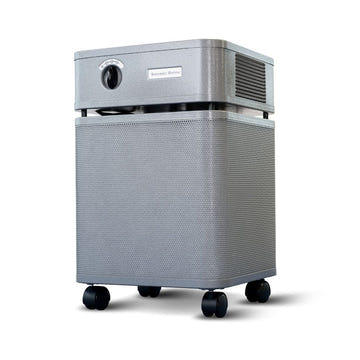
Austin Air Immunity Machine
$1,145.00
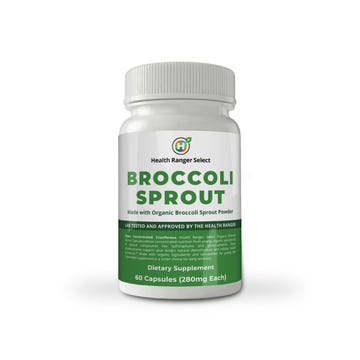
Health Ranger Store Broccoli Sprout Capsules 60 Orga...
$26.95

Nourish + Grow Essentials Set
$120.00
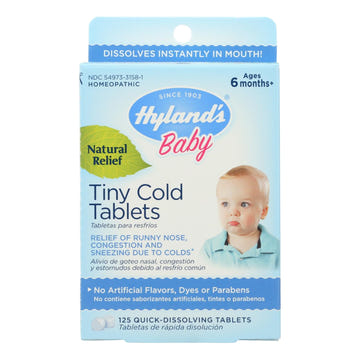
Cozy Farm Hyland's Baby Tiny Cold Tablets 125 Count
$16.88
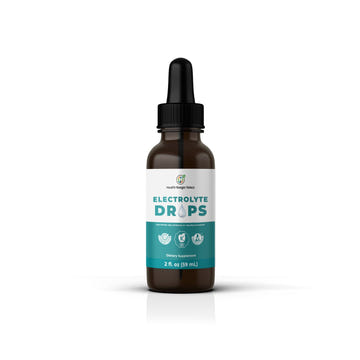
Health Ranger Store Electrolyte Drops 2 fl oz travel...
$12.95
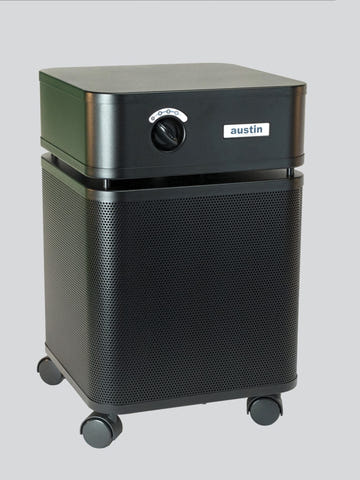
Austin Air Healthmate
$845.00
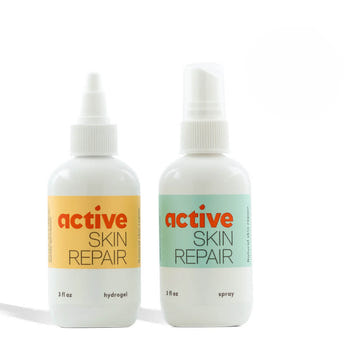
Skin Repair Double Pack
$59.97