


Teething is a natural part of your baby’s growth, but it often comes with a host of misconceptions. Parents may feel overwhelmed by conflicting advice about how to soothe their child’s discomfort. In this guide, we’ll debunk common myths about teething and provide scientifically-backed advice for managing this developmental milestone.
What is Teething?
Teething is the process by which a baby’s teeth break through the gums, usually starting between 4-7 months. The lower front teeth (central incisors) are typically the first to appear, followed by the upper front teeth.
Dr. Rachel Lee, Pediatric Dentist: “Teething is a normal process that every child goes through. While it can be uncomfortable, it doesn’t usually cause severe symptoms like high fever or diarrhea.”
Pediatric-dentist approved stylesSoothing picks for fussy moments
Take 20% off at checkout, applied automatically when you shop through this link.
Shop with MOM20 →Free US shipping over $100. Code applies automatically at checkout.
Picks From This Story
Picks related to this guide, ready to ship from Moogco.
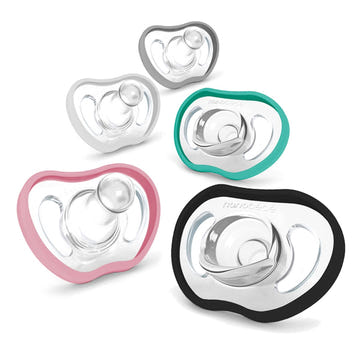
Nanobébé Active Flexy Pacifier 4m+ 4-pack Pink Teal ...
$14.99
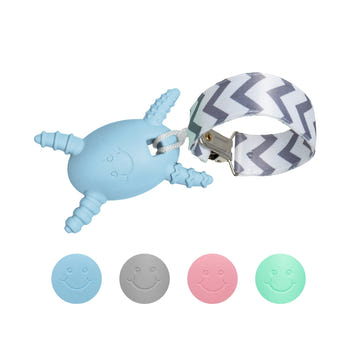
The Teething Egg The Molar Magician baby teether 4 t...
$19.95
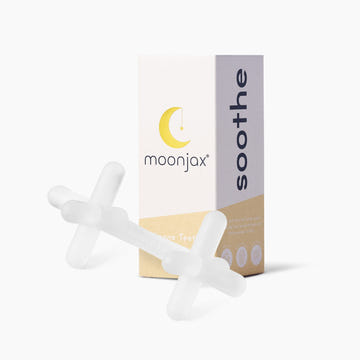
The best baby teether: 1-pack clear silicone teether
$14.99
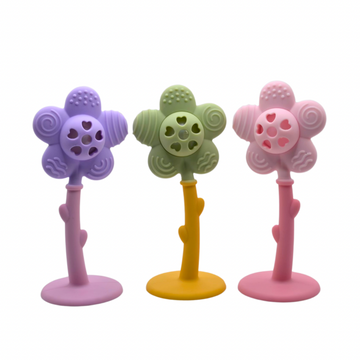
Golden Baby Rattle Teethers food grade silicone for ...
$7.99
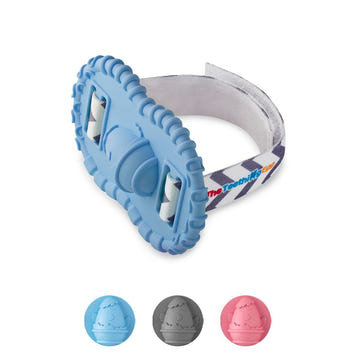
The Teething Egg Wristie Teether for 3-12 Months Adj...
$9.99
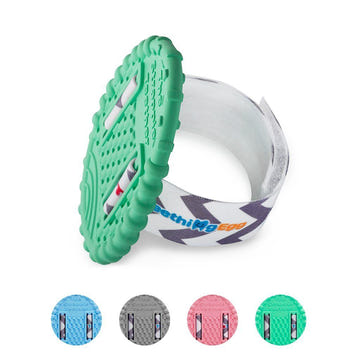
The Teething Egg Strappie Teether for Baby Carriers ...
$9.99
Common Teething Myths & Facts
Myth #1: Teething Causes High Fever and Diarrhea
✅ Fact: Mild irritability, drooling, and gum discomfort are common during teething. However, high fever (above 100.4°F) and diarrhea are not typical teething symptoms and may indicate an unrelated illness. Always consult a pediatrician if your baby exhibits these symptoms.
Myth #2: Rubbing Alcohol or Whiskey on Gums Eases Pain
✅ Fact: Alcohol should never be used on a baby’s gums. Even small amounts can be harmful. Instead, use cold teething toys, chilled washcloths, or gentle gum massage to relieve discomfort.
Myth #3: Teething Causes Long-Term Health Issues
✅ Fact: Teething is a temporary and natural process. It does not cause lasting health problems or developmental delays.
Myth #4: Amber Teething Necklaces Work
✅ Fact: There is no scientific evidence supporting the effectiveness of amber teething necklaces. Additionally, they pose a choking and strangulation hazard. Instead, opt for safe teething toys approved by pediatricians.
Myth #5: Babies Should Avoid Cold Items
✅ Fact: Chilled (but not frozen) items can help numb sore gums and provide relief. However, avoid using extremely cold items that could cause tissue damage.
Signs of Teething
✔️ Increased drooling. ✔️ Chewing on toys or fingers. ✔️ Mild irritability and fussiness. ✔️ Swollen, tender gums. ✔️ Trouble sleeping.
Dr. Emily Carter, Pediatrician: “Parents should remember that teething doesn’t cause severe symptoms. If your baby is unusually sick or has a high fever, consult your healthcare provider.”
More Related Picks
A few more favorites from the same collection.
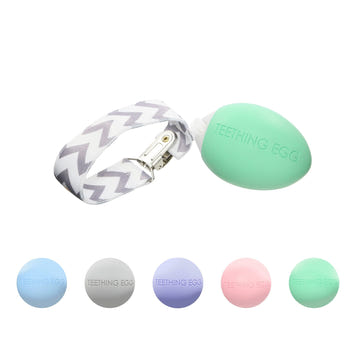
The Teething Egg®
$19.95

Goosewaddle Rattle Teether Wooden Silicone 4 Colors
$16.00
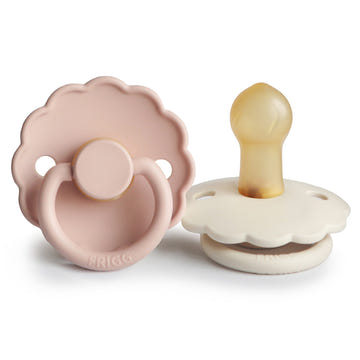
Mushie FRIGG Daisy Natural Rubber Pacifier 2-Pack Da...
$14.99

Mushie FRIGG Silicone Pacifier 6-Pack assorted palette
$34.99

Mushie FRIGG Daisy Silicone Pacifier 2-Pack Glow Night
$14.99
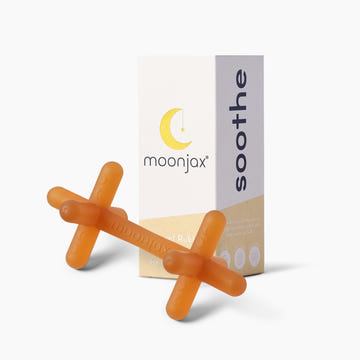
The best baby teether: 1-pack natural hevea tree rub...
$14.99
Safe Teething Remedies
✔️ Teething Rings & Toys: Choose BPA-free, chilled (not frozen) toys to soothe sore gums. ✔️ Gentle Gum Massage: Rubbing your baby’s gums with a clean finger can provide temporary relief. ✔️ Teething Biscuits: If your baby is already eating solids, teething biscuits can offer relief while promoting fine motor skills. ✔️ Breastfeeding: Nursing can provide comfort and reduce irritability during teething.
The Role of Moogco Silver Nursing Cups
Teething often leads to increased breastfeeding for comfort. Moogco Silver Nursing Cups help soothe sore nipples naturally, ensuring a comfortable feeding experience for mothers.
📌 Get yours today: Moogco Silver Nursing Cups on Amazon.
Final Thoughts: Stay Informed & Reassured
Understanding the facts about teething can help you manage your baby’s discomfort effectively. Always consult your pediatrician for concerns, and remember—teething is just a phase that will soon pass.
🛒 Find all your baby essentials at Moogco Baby.
Bring this guide home with 20% off.
Use code MOM20 for 20% off →
Frequently Asked Questions
At what age do most babies start teething?
Most babies begin teething between 4 and 7 months of age, though some may start earlier or later. The lower front teeth typically emerge first, followed by the upper front teeth. Remember, every baby develops at their own pace, so slight variations are completely normal.
Can teething cause my baby to lose their appetite?
Teething may cause mild discomfort that temporarily reduces your baby's interest in eating, but it shouldn't cause complete appetite loss. If your baby refuses multiple feedings or shows significant weight loss, contact your pediatrician. Offering cold purees or chilled breast milk can sometimes help soothe sore gums while maintaining nutrition.
Is it normal for teething babies to wake up more at night?
Yes, some babies may experience disrupted sleep during teething due to gum discomfort. However, if night wakings become severe or are accompanied by other symptoms like high fever, it may indicate an unrelated issue. Gentle comfort measures before bed, like gum massage or a cool teething toy, can help ease nighttime discomfort.
How can I tell the difference between teething pain and an ear infection?
Teething typically causes mild fussiness, drooling, and gum tenderness without high fever. Ear infections often present with high fever (above 100.4°F), pulling at the ear, difficulty lying down, and increased crying when horizontal. If you notice these signs or your baby seems unusually ill, consult your pediatrician promptly.
Are over the counter teething gels safe for babies?
Many pediatricians advise caution with teething gels, especially those containing benzocaine, which can cause serious side effects in infants. The FDA has warned against benzocaine products for children under 2. Safer alternatives include cold teething toys, gentle gum massage, and pediatrician-approved pain relief when necessary.
Why does my baby drool so much during teething?
Increased drooling is one of the most common signs of teething. As teeth push through the gums, they stimulate saliva production, and babies haven't yet developed full control over swallowing reflexes. Keep a soft cloth handy to gently wipe your baby's chin and prevent irritation from constant moisture.
Can teething cause a diaper rash?
While teething itself doesn't directly cause diaper rash, the extra saliva your baby swallows may lead to slightly looser stools, which can irritate sensitive skin. Frequent diaper changes, gentle cleaning, and barrier creams can help prevent rash. If diarrhea is severe or persistent, consult your pediatrician to rule out other causes.
Should I clean my baby's teeth before all of them come in?
Yes, oral care should begin even before the first tooth appears. Gently wipe your baby's gums with a clean, damp cloth after feedings. Once teeth emerge, use a soft infant toothbrush with a tiny smear of fluoride toothpaste. Early oral hygiene habits set the foundation for healthy teeth and gums throughout childhood.
From Moogco Studio
Printable and personalized nursery essentials. Designed by moms for moms.


About the Editor
Eda Ulger is the editor at Moogco Baby and a mom of two. She curates and edits our guides so every piece is honest, practical, and genuinely helpful for the early days of motherhood.
Shop This Story
Picks related to this guide, ready to ship from Moogco.
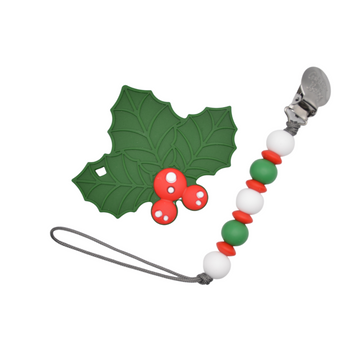
Golden Baby Holly Teether Set silicone pacifier clip...
$9.99
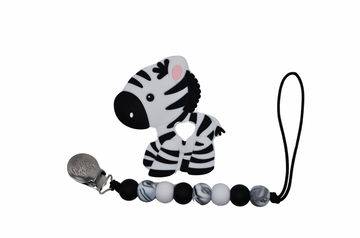
Golden Baby Zebra Teether Set Silicone Pacifier Clip...
$14.99
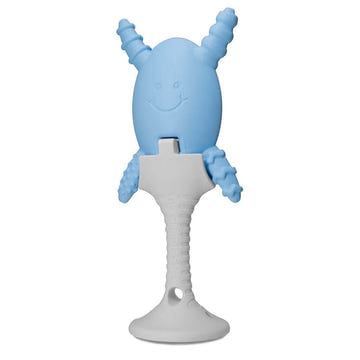
The Molar Grippie Stick
$4.99
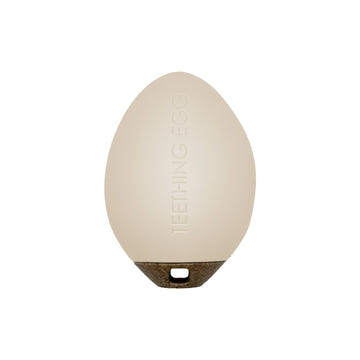
The Teething Egg Amber Core Teething Egg with Baltic...
$23.95
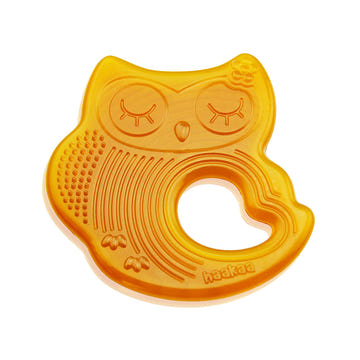
Haakaa Sleeping Owl Natural Rubber Teether 8cm 1 pk
$10.99
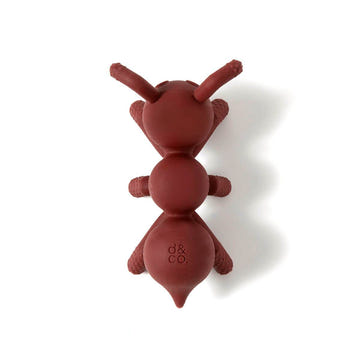
Doddle & Co Ant-icipation Chew 100% Silicone Teether...
$9.99
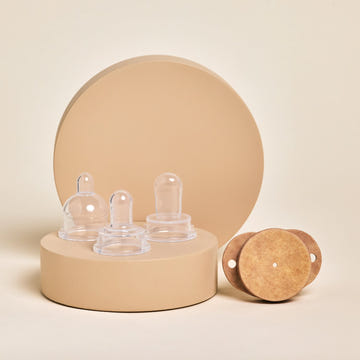
Pacifier Starter Kit
$50.00
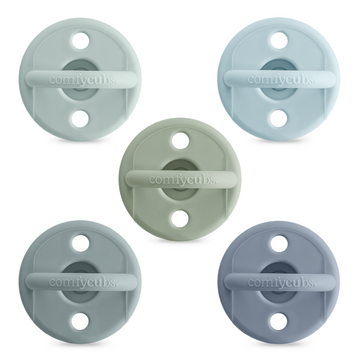
Comfy Cubs Pacifiers Multicolor Boy 5 Pack Silicone
$14.99
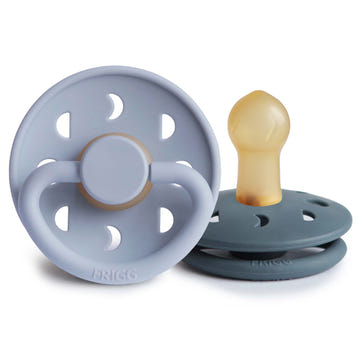
Mushie FRIGG Moon Natural Rubber Pacifier 2-Pack Sof...
$14.99
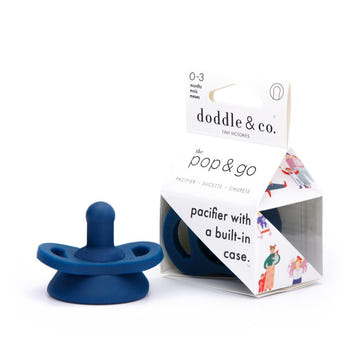
Doddle & Co Pop & Go Pacifiers Navy 100% Silicone
$9.99