


Diaper rash is one of the most common skin issues for babies, and it can cause both discomfort for your little one and concern for you. The good news? With some easy preventive measures and quick response when redness appears, you can keep diaper rash at bay. Here’s a complete guide on how to prevent and manage diaper rash to keep your baby’s skin smooth and happy.
What Causes Diaper Rash?
Diaper rash typically results from the combination of moisture, friction, and irritants. Some of the main causes include:

- Prolonged Exposure to Moisture: Wet diapers left on too long can cause the skin to break down and become irritated.
- Friction: The constant rubbing of the diaper on sensitive skin can lead to chafing and redness.
- Irritants: Wipes, diapers, and even certain soaps or creams can contain ingredients that trigger irritation, especially on a baby’s delicate skin.
- Introduction of New Foods: When babies start solid foods, changes in stool composition can increase the likelihood of diaper rash.
- Yeast Infections: Yeast thrives in warm, moist environments, making the diaper area a common site for these infections.
Picks From This Story
Picks related to this guide, ready to ship from Moogco.
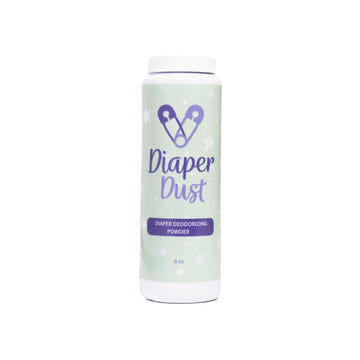
Diaper Dust - 8oz Bottle
$10.00
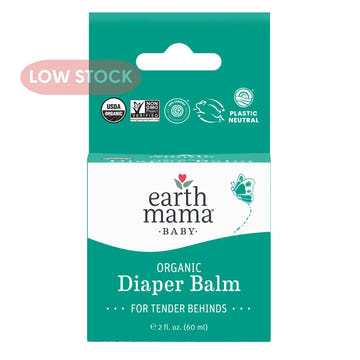
Organic Diaper Balm - Large Capacity for Parents
$13.99
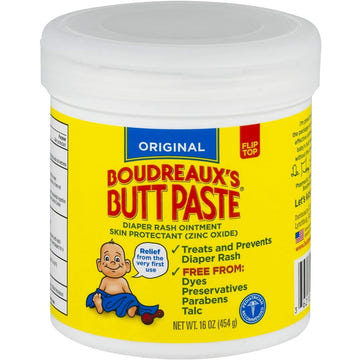
LL Medico Boudreaux's Butt Paste Rash Cream Original...
$12.99
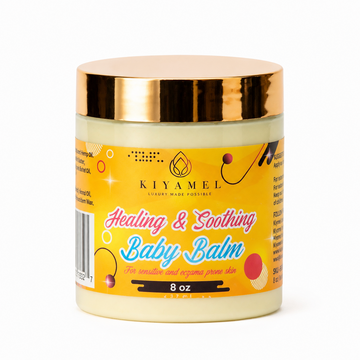
Kiyamel Baby Balm Natural Diaper Rash Cream 8 oz
$49.99
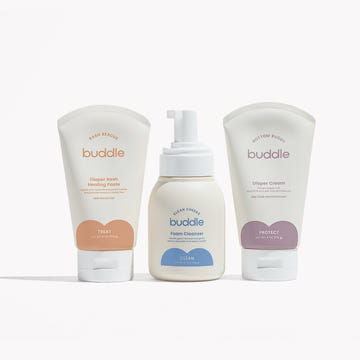
Buddle Skincare Diaper Rash System with Ceramides
$69.00
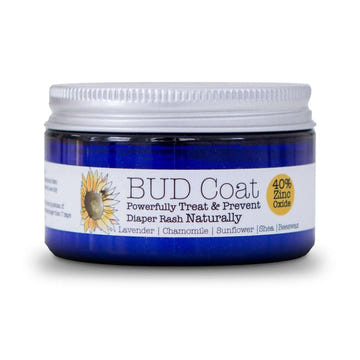
Lavender Life Company BUD Coat 40% Zinc Oxide Diaper...
$16.50
Tips for Preventing Diaper Rash
Frequent Diaper Changes
One of the simplest ways to prevent diaper rash is to change your baby’s diaper often. Aim to change it immediately when it’s wet or soiled to keep the area as dry as possible. For newborns, this may mean checking every 2-3 hours.
Rash-fighting picks moms reorder
Everything for diaper duty
Take 15% off at checkout, applied automatically when you shop through this link.
Shop with HAPPYSPRING →Free US shipping over $100. Code applies automatically at checkout.
Allow for Air Time
Giving your baby some diaper-free time each day allows their skin to air out, reducing moisture and friction. Lay a soft towel down and let your baby enjoy some kick time, ideally after a diaper change.
Use a Barrier Cream
Applying a protective barrier cream, like one containing zinc oxide or petroleum, can help shield your baby’s skin from irritants and moisture. Apply a thin layer at each diaper change, especially if you notice any redness.
Choose Breathable Diapers
Look for diapers with a breathable design that wicks moisture away from the skin. Some babies may be sensitive to specific diaper brands, so consider trying different ones if diaper rash persists.
Switch to Gentle Wipes
Opt for unscented, alcohol-free wipes or use a soft, damp cloth with water. Sometimes the chemicals in wipes can irritate sensitive skin, so going as gentle as possible is a good preventive measure.
Consider Changing Your Laundry Detergent
If you’re using cloth diapers, be sure to wash them in a mild, fragrance-free detergent. Any residue left on the fabric can irritate your baby’s skin.
Avoid Tight Diapers and Clothing
Tight diapers or clothing can create friction and trap moisture, both of which contribute to diaper rash. Make sure your baby’s diaper fits snugly but isn’t too tight, and dress them in loose, breathable fabrics.
What to Do If Diaper Rash Appears
Despite your best efforts, diaper rash can still happen. Here’s how to manage it if it does:
Keep the Area Clean and Dry
Change diapers frequently, and use lukewarm water and a soft cloth instead of wipes to clean the area gently. Pat dry (don’t rub) to avoid further irritation.
Use an Over-the-Counter Cream
Apply a zinc oxide-based diaper cream to soothe irritation and protect the skin. These creams are thicker and provide a barrier against moisture.
Opt for Diaper-Free Time More Often
Increasing diaper-free time can help the rash heal faster. The less friction and moisture, the quicker the skin can recover.
Monitor for Yeast Infections
If the rash is not improving, it could be due to a yeast infection. Yeast diaper rashes typically appear as red patches with small bumps and may require an antifungal cream prescribed by a doctor.
Check with Your Pediatrician
If the rash persists for more than a few days, worsens, or appears to be caused by an infection, consult your pediatrician for additional advice.
More Related Picks
A few more favorites from the same collection.
DiaperDerm 8oz jar diaper rash cream zinc oxide lanolin
$21.99
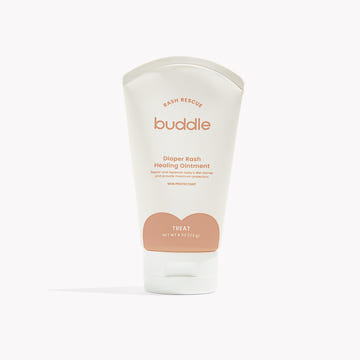
Buddle Skincare Rash Rescue Diaper Rash Treatment 40...
$20.00
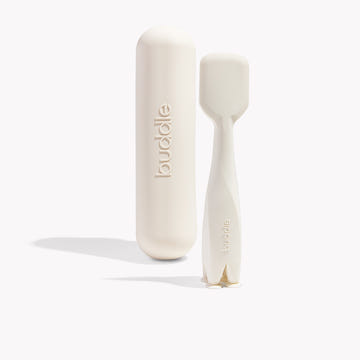
Buddle Skincare Paddle Pal Diaper Rash Spatula with ...
$19.00
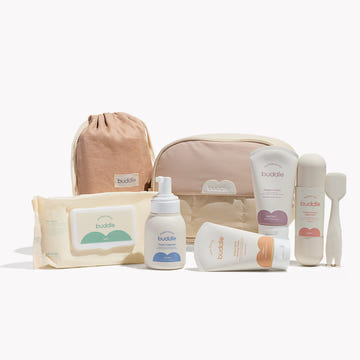
Buddle Skincare Ultimate Diaper Rash Kit with Puffer...
$85.00
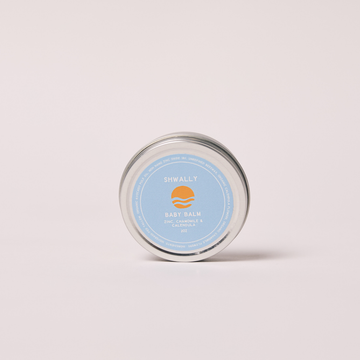
Shwally Baby Booty Diaper Cream 2OZ Zinc Calendula C...
$22.00

NOLEO DUO: 3-in-1 Diaper Rash Cream & Large Cotton Pads
$39.95
The Role of Moogco Silver Nursing Cups
Keeping your baby comfortable and happy is a top priority for new parents, and if you’re breastfeeding, your comfort is just as essential. Moogco Silver Nursing Cups offer gentle, natural relief for sore nipples—a common experience for many breastfeeding moms. These cups utilize the natural antibacterial properties of silver, helping to promote healing and soothe discomfort without any chemicals. Staying comfortable with products like Moogco Silver Nursing Cups can help make the breastfeeding journey smoother, so you can focus on keeping both you and your baby happy.
Final Thoughts
Diaper rash is a common challenge, but with preventive measures, it can be kept under control. Frequent diaper changes, choosing gentle products, and allowing for air time can make a significant difference in maintaining healthy, rash-free skin. And remember, diaper rash is often unavoidable, so if it does appear, follow these steps to manage it quickly. A happy, healthy baby with comfortable, rash-free skin makes for a more peaceful parenting experience.
Bring this guide home with 15% off.
Use code HAPPYSPRING for 15% off →
Featured pick from Moogco
Bambo Nature Organic Baby Wipes: 99% Water (Pack of 12, 64 ct. Each)
$58.91 $60.91
Shop this pick → Frequently Asked Questions
How often should I apply barrier cream to prevent diaper rash?
You can apply a thin layer of barrier cream at every diaper change, especially before bedtime when your baby will be in a diaper for longer periods. If your baby's skin looks healthy, you might choose to apply it only when you notice the first signs of redness. The key is consistency, particularly during times when diaper changes are less frequent.
Can teething cause diaper rash in babies?
While teething itself doesn't directly cause diaper rash, it can contribute to it indirectly. During teething, babies often produce more saliva, which can change the acidity of their stool and lead to more frequent, looser bowel movements. These changes can irritate the diaper area and increase the likelihood of rash, so extra vigilance with diaper changes during teething time is helpful.
Is it normal for diaper rash to get worse before it gets better?
A typical diaper rash should start improving within 2 to 3 days with proper care. If the rash appears to worsen despite frequent changes and barrier cream, it may have developed into a yeast infection or could be a sign of an allergic reaction to a product. In this case, it's best to check with your pediatrician for proper treatment.
Should I stop using wipes completely if my baby has diaper rash?
While you don't necessarily need to stop using wipes forever, switching to plain lukewarm water and a soft cloth during a rash flare-up is gentler and helps healing. Once the rash clears, you can reintroduce wipes, but opt for fragrance-free, alcohol-free versions. Some parents find their babies do better long-term with water wipes or washcloths for routine cleaning.
How can I tell the difference between diaper rash and a yeast infection?
Regular diaper rash typically appears as general redness in areas where the diaper rubs or where moisture collects. A yeast infection, on the other hand, shows up as bright red patches with defined borders, often with small red bumps or pimples around the edges, and it may appear in the skin folds. Yeast rashes also tend not to improve with regular diaper rash cream and usually require antifungal treatment.
Can I use baby powder to help prevent diaper rash?
Most pediatricians now recommend avoiding talcum-based baby powders due to inhalation risks. Cornstarch-based powders are safer but can actually promote yeast growth in moist environments. The best approach is to keep the area clean and dry, use barrier creams, and allow for regular air time rather than relying on powders.
Does breastfeeding versus formula feeding affect diaper rash frequency?
Breastfed babies may experience slightly less diaper rash in the early months because breast milk produces less irritating stool. However, both breastfed and formula-fed babies can develop diaper rash, especially during the transition to solid foods. The most important factors are frequent diaper changes, gentle cleansing, and keeping the diaper area dry, regardless of feeding method.
When should I be concerned enough about diaper rash to call the doctor?
Contact your pediatrician if the rash doesn't improve after 2 to 3 days of home treatment, if it appears to be spreading or worsening, if you notice blisters, pus, or bleeding, or if your baby develops a fever. Also reach out if the rash seems very painful or if you suspect it might be a yeast infection. Trust your instincts as a parent, better safe than sorry when it comes to your baby's health.
From Moogco Studio
Printable and personalized nursery essentials. Designed by moms for moms.


About the Editor
Eda Ulger is the editor at Moogco Baby and a mom of two. She curates and edits our guides so every piece is honest, practical, and genuinely helpful for the early days of motherhood.
Shop This Story
Picks related to this guide, ready to ship from Moogco.
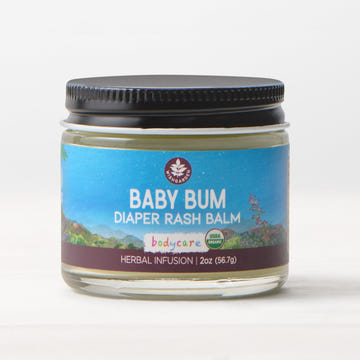
WishGarden Herbs Baby Bum Diaper Rash Balm organic s...
$14.99
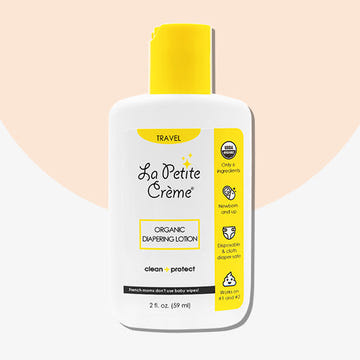
La Petite Creme Organic Travel Size Diaper Lotion 2 ...
$8.99
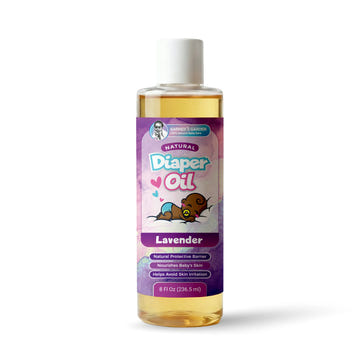
Garner's Garden Natural Diaper Oil lightweight breat...
$15.00
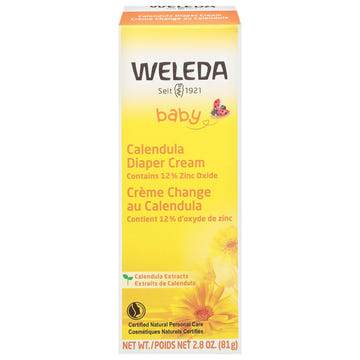
Cozy Farm Weleda Diaper Cream 2.8 Oz Calendula Zinc ...
$18.34
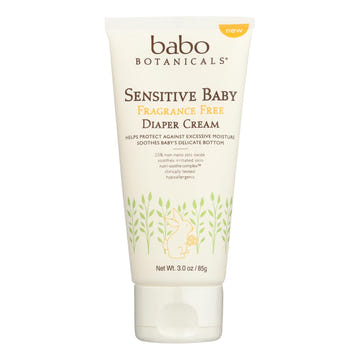
Cozy Farm Babo Botanicals Diaper Cream Sensitive Ski...
$17.77
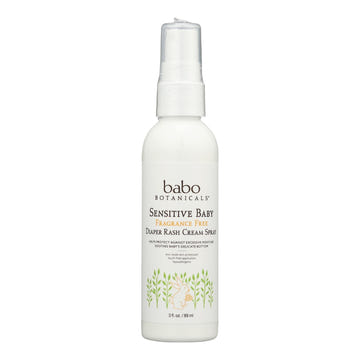
Cozy Farm Diaper Cream Spray Sensitive Unscented 3 F...
$17.52
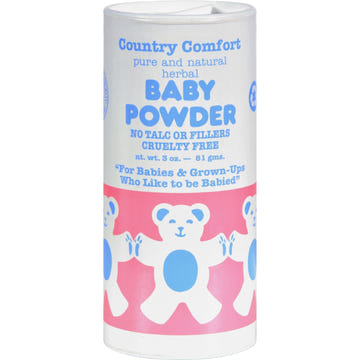
Cozy Farm Country Comfort Cooling Baby Powder 3 oz
$13.02
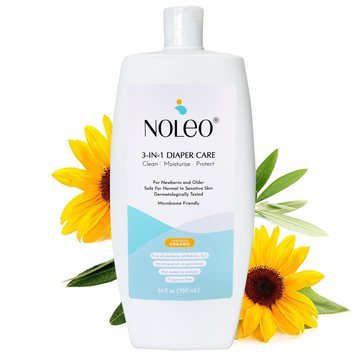
NOLEO 3-IN-1 - Diaper Rash Cream - EWG Verified
$24.99
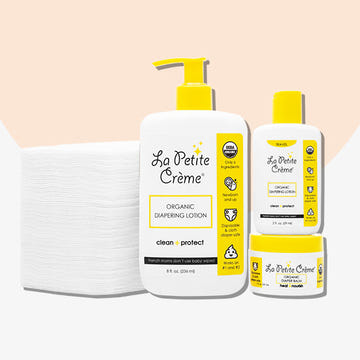
La Petite Creme Organic French Diaper Care Gift Set ...
$54.99
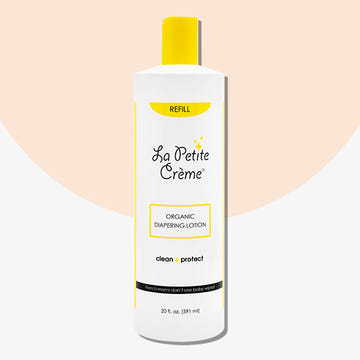
La Petite Creme Organic French Diapering Lotion Econ...
$42.99