


Breastfeeding provides numerous benefits for both mother and baby, offering essential nutrients and antibodies that support the baby’s development and immune system. However, one nutrient that breast milk may not provide in sufficient quantities is vitamin D. This blog post explores the importance of vitamin D for human milk-fed babies, the potential risks of deficiency, and practical tips for ensuring your baby gets enough of this vital nutrient.
The Role of Vitamin D
Bone Health: Vitamin D is crucial for healthy bone development. It helps the body absorb calcium and phosphorus, essential minerals for building and maintaining strong bones and teeth.
Immune System Support: Vitamin D plays a role in supporting the immune system, helping the body fight off infections and illnesses.
Overall Growth and Development: Adequate vitamin D levels contribute to overall growth and development, supporting various bodily functions beyond just bone health.
Vitamin D Deficiency Risks
Rickets: One of the most serious consequences of vitamin D deficiency in infants and young children is rickets, a condition characterized by soft, weak bones that can lead to skeletal deformities.
Delayed Growth: Insufficient vitamin D can impair a baby’s growth and development, potentially leading to delays in achieving developmental milestones.
Increased Infection Risk: Low vitamin D levels can weaken the immune system, making babies more susceptible to infections and illnesses.
Ensuring Adequate Vitamin D Intake
Sun Exposure: The body produces vitamin D when the skin is exposed to sunlight. However, the amount of sunlight needed can vary based on factors like geographical location, skin pigmentation, and weather conditions. Additionally, concerns about skin damage and the use of sunscreen can limit effective sun exposure.
Dietary Sources: While breast milk is an excellent source of nutrition, it typically contains low levels of vitamin D. Including vitamin D-rich foods in the mother’s diet, such as fatty fish, fortified dairy products, and egg yolks, can help increase the amount passed to the baby through breast milk.
Vitamin D Supplements: Health organizations, including the American Academy of Pediatrics, recommend that breastfed infants receive a daily vitamin D supplement of 400 IU (international units). Consult your healthcare provider to determine the appropriate supplement and dosage for your baby.
Monitor and Test: Regular check-ups with your pediatrician can help monitor your baby’s vitamin D levels and overall health. If there are concerns about deficiency, your doctor may recommend blood tests to assess vitamin D status and adjust supplementation as needed.
Moogco Silver Nursing Cups: Enhancing Your Breastfeeding Experience
While ensuring adequate vitamin D intake is essential, maintaining overall breast health is equally important. Moogco silver nursing cups are designed to support breastfeeding mothers by providing natural antibacterial protection and promoting healing. These cups can help alleviate discomfort and prevent infections, making breastfeeding a more comfortable and enjoyable experience.
Benefits of Moogco Silver Nursing Cups:
Natural Antibacterial Properties: Silver’s natural antibacterial properties help prevent infections and promote healing, ensuring your nipples stay healthy during breastfeeding.
Smooth Surface: The smooth surface of Moogco silver nursing cups reduces friction and irritation, providing a soothing barrier between your nipples and clothing.
Healing and Comfort: Moogco silver nursing cups are designed to promote healing and provide comfort, making breastfeeding a more enjoyable experience for both you and your baby.
Conclusion
Vitamin D is a vital nutrient for the healthy growth and development of human milk-fed babies. Ensuring adequate intake through sun exposure, dietary sources, and supplements can help prevent deficiency and support your baby’s overall well-being. Remember to consult with your healthcare provider to determine the best approach for your baby’s vitamin D needs. By taking proactive steps, you can provide your baby with the best possible start in life, supported by the nourishing benefits of breast milk and essential nutrients like vitamin D.
Bring this guide home with $15 off.
Use code READER15 for $15 off →
Featured pick from Moogco
MOOGCO Silver Nursing Cups 925k Silver - Protect Against Sore Breasts And Nipple Irritation
$45.90 $49.90
Shop this pick → Frequently Asked Questions
How much vitamin D does a breastfed baby need each day?
The American Academy of Pediatrics recommends that breastfed infants receive 400 IU of vitamin D daily, starting shortly after birth. This amount helps ensure proper bone development and immune system support. Your pediatrician can guide you on the best supplement brand and delivery method for your little one.

Can I get enough vitamin D into my breast milk through my own diet alone?
While eating vitamin D rich foods like fatty fish, fortified dairy, and egg yolks is beneficial for your health, breast milk typically remains low in vitamin D even with dietary changes. Most breastfeeding mothers cannot transfer sufficient amounts through diet alone, which is why infant supplementation is recommended. Always discuss your specific situation with your healthcare provider.
Free US shipping over $100
Picks From This Story
Picks related to this guide, ready to ship from Moogco.

8 Sheep Organics Juniors Bedtime Lotion deep sea mag...
$23.00
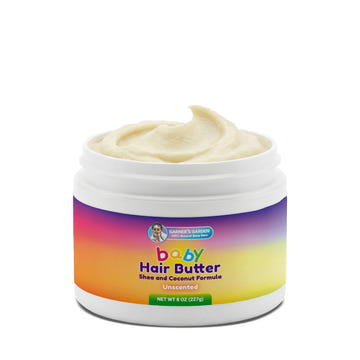
Garner's Garden Baby Hair Butter Unscented 100% All-...
$15.00
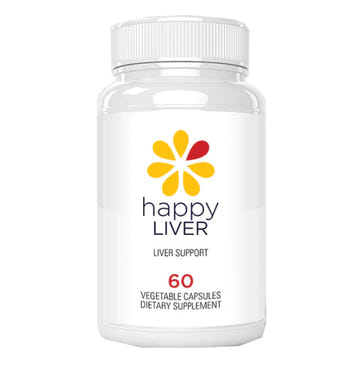
Happy Liver
$29.95
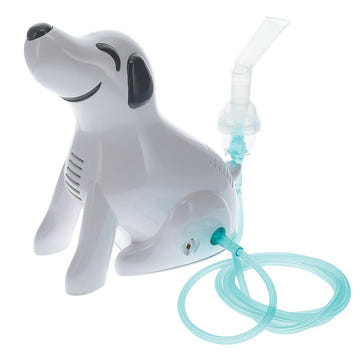
LL Medico BodyMed Pediatric Dog Compressor Nebulizer...
$29.99
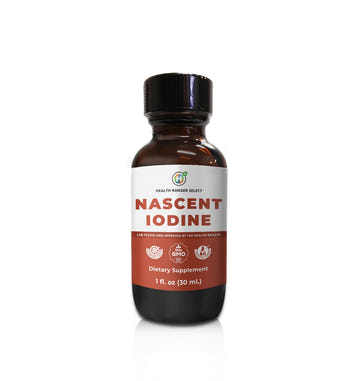
Health Ranger Store Nascent Iodine 1 fl oz 2% Cap Lo...
$41.95
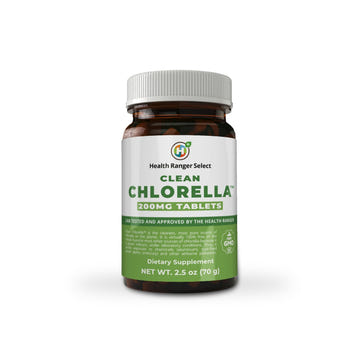
Health Ranger Store Clean Chlorella 200mg Tablets 2....
$15.95
Real essentials, picked by real moms
Take $15 off at checkout, applied automatically when you shop through this link.
Shop with READER15 →Free US shipping over $100. Code applies automatically at checkout.
When should I start giving my breastfed baby vitamin D drops?
You should begin vitamin D supplementation for your breastfed baby within the first few days to weeks after birth. Starting early helps prevent deficiency from developing during those critical first months of rapid growth. Your pediatrician will provide specific guidance during your newborn checkups about timing and dosage.
What are the early signs that my baby might be vitamin D deficient?
Early signs of vitamin D deficiency can be subtle and may include increased fussiness, delayed motor skills, or softening of the skull bones. More severe deficiency can lead to rickets with symptoms like bowed legs, delayed crawling or walking, and bone pain. Regular pediatric visits with monitoring help catch deficiency before serious symptoms develop.
Is sunlight exposure enough to meet my baby's vitamin D needs?
While sunlight does help the body produce vitamin D, it is not recommended as the primary source for infants due to skin sensitivity and skin cancer risks. Babies under six months should be kept out of direct sunlight, and using sunscreen on older babies blocks vitamin D production. Supplementation is the safest and most reliable approach for breastfed babies.
More Related Picks
A few more favorites from the same collection.
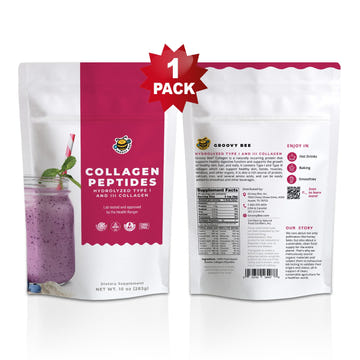
Health Ranger Store Groovy Bee Collagen Peptides Hyd...
$28.95
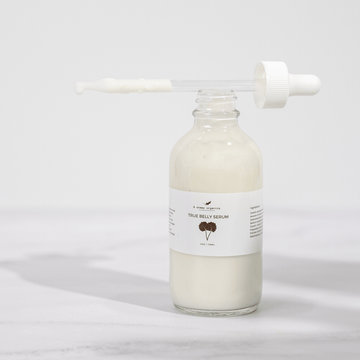
True Belly Serum
$47.00
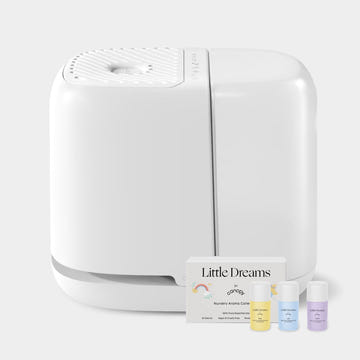
Canopy Nursery Humidifier 2.0 mold-inhibiting dishwa...
$159.00
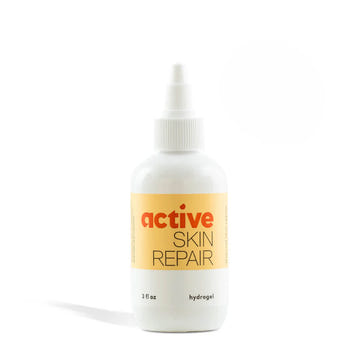
Repair Hydrogel
$34.97
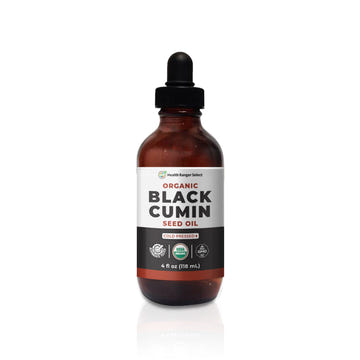
Health Ranger Store Organic Black Cumin Seed Oil 4oz...
$27.95

Happy Hormones
$29.95
Can I overdose my baby on vitamin D supplements?
When given at the recommended 400 IU daily dose, vitamin D supplements are very safe for infants. Toxicity is rare and typically only occurs with doses many times higher than recommended over extended periods. Always use the dropper provided with your supplement and follow dosing instructions carefully to ensure safety.
Do formula fed babies also need vitamin D supplements?
Most infant formulas are fortified with vitamin D, so babies drinking at least 32 ounces of formula daily typically do not need additional supplementation. However, partially breastfed babies who receive a combination of breast milk and formula may still need supplements depending on formula intake. Your pediatrician can help determine if your baby needs extra vitamin D based on feeding patterns.
How long should I continue vitamin D supplementation for my breastfed baby?
Continue giving vitamin D supplements throughout the entire breastfeeding period and beyond until your child is consuming enough vitamin D fortified foods and beverages, typically around age one or older. Even after introducing solids, breast milk remains low in vitamin D, so supplementation stays important. Your pediatrician will advise when it is appropriate to transition away from drops based on your child's diet and development.
From Moogco Studio
Printable and personalized nursery essentials. Designed by moms for moms.


About the Editor
Eda Ulger is the editor at Moogco Baby and a mom of two. She curates and edits our guides so every piece is honest, practical, and genuinely helpful for the early days of motherhood.
Shop This Story
Picks related to this guide, ready to ship from Moogco.

8 Sheep Organics Organic Sleepy Body Lotion for Preg...
$29.00

Kiyamel Baby Balm Natural Diaper Rash Cream 8 oz
$49.99
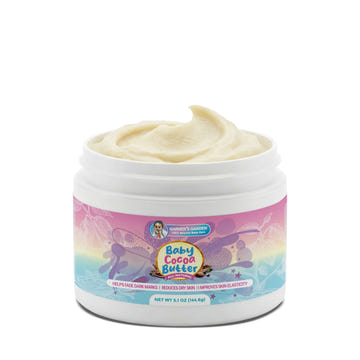
Garner's Garden Baby Cocoa Butter whipped moisturizi...
$10.00

Austin Air Immunity Machine
$1,145.00
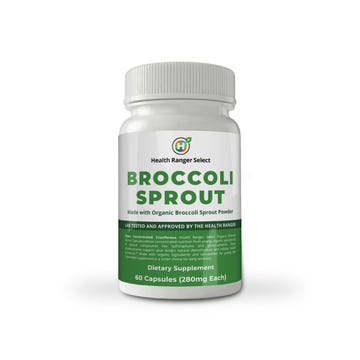
Health Ranger Store Broccoli Sprout Capsules 60 Orga...
$26.95

Nourish + Grow Essentials Set
$120.00
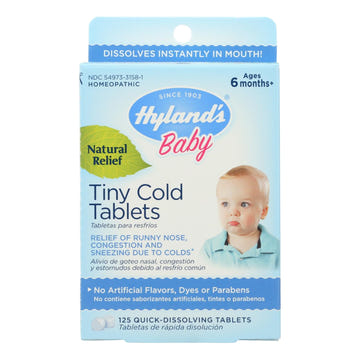
Cozy Farm Hyland's Baby Tiny Cold Tablets 125 Count
$16.88
Health Ranger Store Electrolyte Drops 2 fl oz travel...
$12.95

Austin Air Healthmate
$845.00
Skin Repair Double Pack
$59.97