


Hearing your baby's heartbeat at home is one of the most reassuring sounds in pregnancy. We get it. But before you order a doppler, there are a few things every OB wishes you knew. Here is the honest guide, including which models actually work and which are essentially expensive toys.
Quick answer: Home fetal dopplers are generally safe after 12 weeks if used briefly (under 5 minutes) and infrequently. The Sonoline B ($50) is the most clinically accurate consumer model. But a doppler should never replace your prenatal appointments, and an absent heartbeat at home doesn't reliably mean anything is wrong.
What a fetal doppler actually does
A fetal doppler uses high-frequency ultrasound to detect the movement of blood through your baby's heart. The same technology your OB uses, scaled down for home use. The device emits sound waves into your belly, captures the echo bouncing off moving blood cells, and converts that signal into the rhythmic whooshing sound we associate with a fetal heartbeat.
Consumer dopplers run at lower power than clinical models, which is part of why they're considered acceptable for home use, but also why they're less sensitive and harder to use accurately.
Picks From This Story
Picks related to this guide, ready to ship from Moogco.
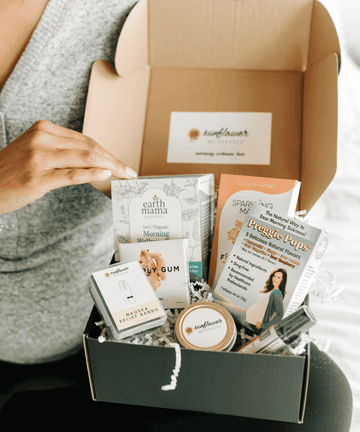
Sunflower Motherhood Morning Sickness Box nausea rel...
$65.00
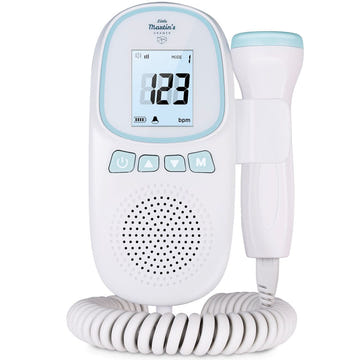
Little Martin's Portable Fetal Doppler USB Rechargea...
$69.99
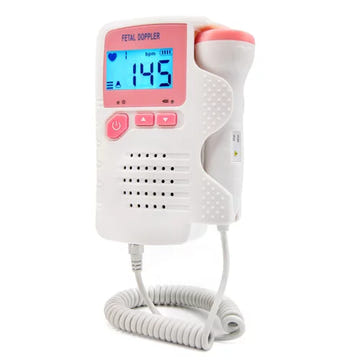
Little Martin's Drawer SpringBud FD-200B Fetal Doppl...
$52.99
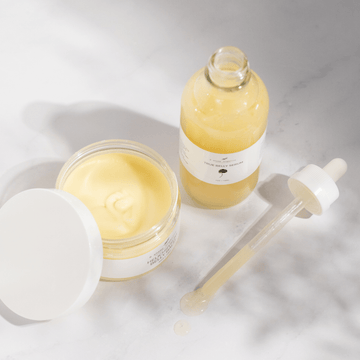
2-Step Stretch Mark Prevention Bundle
$69.00
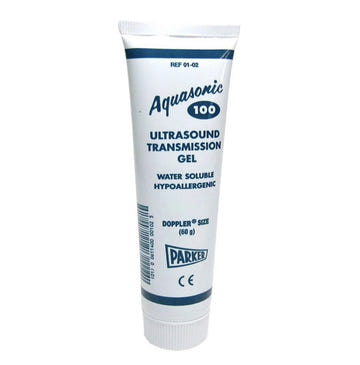
Aquasonic 100 Ultrasound Transmission Gel
$6.99
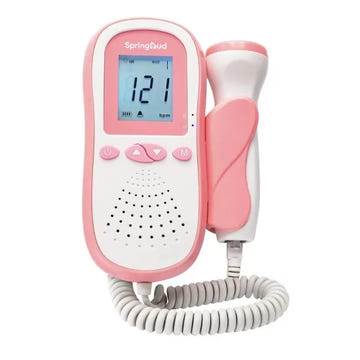
Little Martin's Drawer SpringBud FD-500B Fetal Doppl...
$59.99
Are home fetal dopplers safe?
The FDA classifies home dopplers as Class II medical devices and requires a prescription for distribution. But the reality is they're widely sold online without one. Most ACOG and AAFP guidance comes down to this:
- Yes, they are safe if used briefly (under 5 minutes per session) and not used multiple times a day.
- No, they should not be used before 12 weeks when finding a heartbeat is difficult and prolonged searching may expose tissue unnecessarily.
- They are not safe to use as a diagnostic tool. If you're worried about your baby's wellbeing, call your OB, do not rely on a home doppler.
The real risk: false reassurance and false alarm
OBs we spoke with raised two concerns more than ultrasound exposure itself:
False reassurance: Finding the heartbeat at home and then ignoring reduced fetal movement or other warning signs. The heartbeat sounds normal but a doppler doesn't tell you about fluid levels, placental function, or movement patterns.
False alarm: Not finding the heartbeat because of position, weight, gestational age, or simply not knowing where to look, and panicking over nothing. We talked to one mom who drove to L&D at 3am because she couldn't find the heartbeat. The baby was fine, just facing posterior.
More Related Picks
A few more favorites from the same collection.
True Belly Serum
$47.00

8 Sheep Organics Organic Sleepy Body Lotion for Preg...
$29.00
LL Medico McKesson Abdominal Binder Small Medium Whi...
$14.99
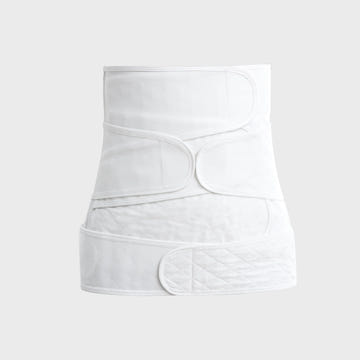
SUNVENO 2-in-1 Postpartum Belt Wrap Waist Waist Belt...
$34.99
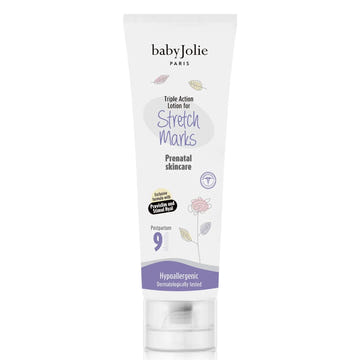
Baby Jolie Paris Triple Action Stretch Marks Cream 7...
$29.99

Preggie Drops Plus Morning Sickness Relief Lollies, ...
$13.75
The 3 best home fetal dopplers for 2026
1. Sonoline B — Best Accuracy ($50)
Why we picked it: The Sonoline B has been the consumer standard for over a decade because it's actually used in clinical practice in many countries. The 3MHz probe is sensitive enough to find a heartbeat reliably from about 12 weeks onward in most pregnancies.
What works: Battery-powered, LCD shows BPM, includes headphone jack so partners can listen, comes with ultrasound gel.
Watch out for: The display isn't always accurate. Trust the audible heartbeat sound, not the BPM number which sometimes registers your own pulse.
2. Bellabeat Shell — Best App-Connected ($199)
Why we picked it: Pairs with a smartphone app that filters background noise, records sessions, and lets you share clips with partners or family. The interface is friendly for first-time parents who aren't sure what they're hearing.
What works: Recording feature means you can save the first time you heard the heartbeat. Audio filtering is genuinely better than standalone dopplers.
Watch out for: Requires a smartphone and app updates. If the company stops supporting the app, the doppler becomes less useful.
3. Hugger Wireless — Most Portable ($129)
Why we picked it: Bluetooth wireless probe, no cables to manage. Works with any iOS or Android device. The probe is smaller than the Sonoline B and easier to angle into the right position.
What works: Pregnancy diary integration, multi-user accounts so partners can listen remotely.
Watch out for: Battery in the probe means a 12-18 month lifespan before you may need to replace the unit.
How to use a doppler safely at home
- Wait until at least 12 weeks. Earlier than that, you'll likely struggle and may use it longer than recommended.
- Lie flat on your back with a slight pillow tilt to one side (to keep pressure off the vena cava).
- Apply ultrasound gel (water-based, not lotion or aloe). A generous amount, not a thin smear.
- Start low and angled toward your spine. The fetal heart is often deeper than expected. Move the probe slowly. Side-to-side and up-down.
- Don't search for more than 5 minutes. If you don't find it, stop and try again later in the day or tomorrow.
- Don't use it more than once a day. Less is more.
When to call your OB
Always call your provider, regardless of what a doppler tells you, if you experience:
- Significant decrease in fetal movement after 24 weeks (or your established pattern earlier)
- Vaginal bleeding
- Persistent contractions before 37 weeks
- Fluid leakage
- Severe abdominal pain or sudden severe headache
- Vision changes or upper-right abdominal pain (preeclampsia signs)
A doppler is a comfort tool. It is not a diagnostic tool. Trust your OB and your instincts.
Frequently asked questions
When can I hear my baby's heartbeat at home?
Realistically, between 12 and 16 weeks. Some women find it as early as 10 weeks, but most struggle until 12-14 weeks. By 16 weeks the heartbeat is usually easy to locate.
How long is too long to search?
Limit each session to under 5 minutes and use the doppler no more than once a day. Most OBs recommend less, especially if you're under 16 weeks.
What if I can't find the heartbeat?
Stop searching. Try again in 6-12 hours. If you have any other concerning symptoms (reduced movement, bleeding, pain), call your OB instead of trying again.
Are fetal dopplers FDA approved?
Home dopplers are classified as prescription medical devices but enforcement is inconsistent and they're widely sold over the counter. Brands like Sonoline are FDA registered, but that's not the same as FDA approved for unsupervised home use.
Can a fetal doppler cause harm?
No conclusive evidence shows brief, infrequent home doppler use causes harm. The concern is misuse: prolonged sessions, multiple sessions per day, or relying on it instead of professional prenatal care.
Related reading from Moogco
EU
Edited by Eda Ulger
Eda is a mom of two and Moogco Baby's Senior Content Editor. She has been writing about evidence-based parenting since 2020. Every Moogco guide is researched against pediatric guidelines and tested in real homes by our community of moms. Connect on LinkedIn
Shop This Story
Picks related to this guide, ready to ship from Moogco.
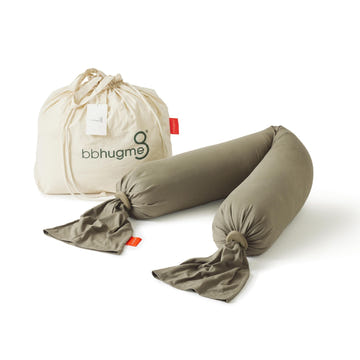
bbhugme Pregnancy Pillow Dusty Olive Adjustable Firm...
$219.00
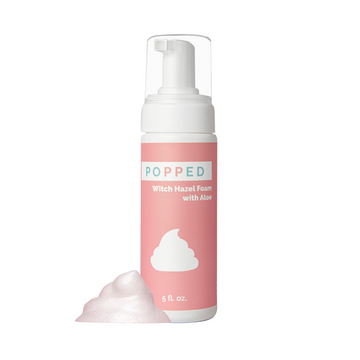
Popped Witch Hazel Foam with Aloe 5 fl oz Postpartum...
$12.99
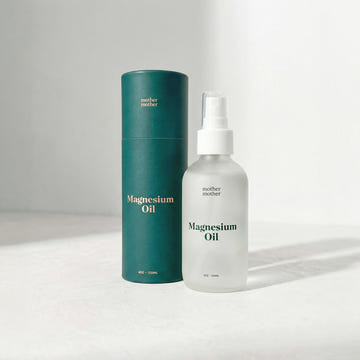
Mother Mother Magnesium Oil Spray 4 oz glass bottle
$34.00
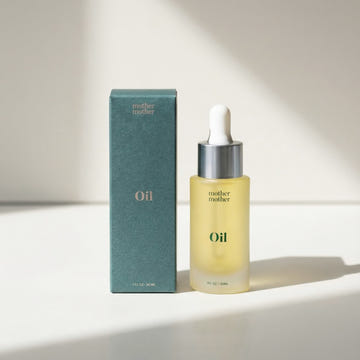
Mother Mother Face + Belly Oil 1 oz glass dropper bo...
$36.00

Euphoric Herbals Womb Wellness Prenatal Tea Organic ...
$24.99
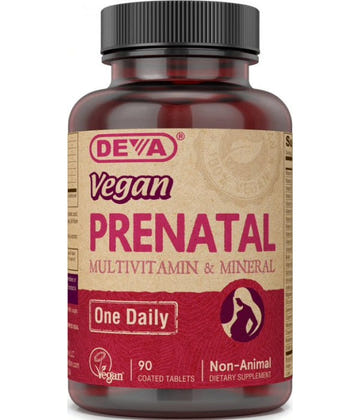
Cozy Farm Deva Prenatal Vegan Multivitamin 90 Tablets
$16.60
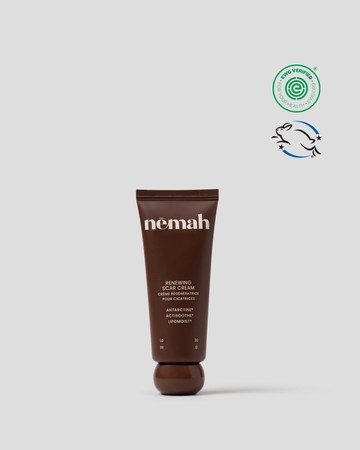
Nēmah Renewing Scar Cream for Pregnancy Breastfeedin...
$34.00

Hello Postpartum All-Natural Whipped Tallow Belly Bu...
$40.00

The Spoiled Mama Tummy Butter for Stretch Marks 4 oz...
$45.00
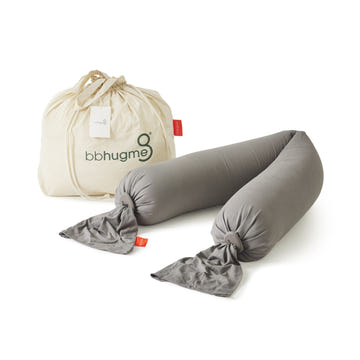
bbhugme Pregnancy Pillow Stone Adjustable 5-Point Su...
$219.00