


When you’re looking for the best crib mattress for your newborn, it all boils down to two things: safety and support. The best options will always have a firm, flat surface, fit snugly inside the crib with no gaps, and come with safety certifications like GREENGUARD Gold, which means low chemical emissions. This isn't just about making them comfy; it's about creating the safest possible space for them to sleep.
Your Quick Guide to the Best Crib Mattresses
Feeling a little swamped by all the baby gear decisions? You are definitely not alone. Picking out a crib mattress can feel like a pop quiz you didn't study for, but I promise it’s simpler than it seems. Let's filter out the noise and get straight to what really matters for your baby's safety and your own peace of mind.

Think of this as your starting line—a clear, simple guide for busy parents who just need to know where to begin. We'll cover the essentials first so you can feel confident in your choice, and then we can get into the nitty-gritty details a bit later.
Curated picks for the room you'll live in
Build a calm, beautiful nursery
Take 25% off at checkout, applied automatically when you shop through this link.
Shop with READER25 →Free US shipping over $100. Code applies automatically at checkout.
Making Your First Big Decision
Parenthood is a marathon of choices, from sleep setups to feeding routines. While you’re deep in mattress research, you might also be prepping for other new adventures, like breastfeeding. So many moms run into unexpected challenges, but having the right support can change everything. One mom told us she was about to give up on breastfeeding because of the pain, but found her solution in Moogco Silver Nursing Cups. They helped her heal and keep going, much like the popular Silverette cups do.
Finding that one thing that just works—whether it's the right nursing cups or the perfect mattress—builds a foundation for success. You can explore our complete guide to finding the best baby sleep products to create a nursery that’s both safe and soothing.
To start, this simple chart can help you see how your budget might point you toward either a foam or an innerspring mattress.

It’s a straightforward way to visualize your first choice. If you're working with a tighter budget, foam is often a great starting point. If you can invest a bit more for something that will last for years, a spring mattress might be the way to go.
Understanding the Market and Your Options
The baby product world is huge. The global market for cribs was valued at USD 1.77 billion and is expected to grow to USD 2.79 billion by 2033. Here in North America, we make up about 39.2% of that market, largely because parents are so aware of safety standards and regulations are so strict.
If you want to really get into the weeds of what makes a great mattress in general, this comprehensive guide to choosing a mattress is a fantastic resource. The same principles of quality and support apply, whether the mattress is for you or your tiny new arrival.
Why Firmness Is Your Top Priority for Newborn Sleep
When you're wading through the endless options for baby gear, it’s easy to get sidetracked by things like organic cotton or fancy breathable covers. While those are nice perks, there's one thing that absolutely must come first for your newborn's mattress: firmness.
This isn't about comfort in the way we adults think of it. A soft, plush mattress might feel luxurious to us, but for a tiny baby, it’s a serious safety hazard. Soft surfaces can easily conform to the shape of a baby’s head, creating a pocket that can increase the risk of suffocation and Sudden Infant Death Syndrome (SIDS). A firm, flat surface is the only way to go—it gives their little developing body the support it needs and helps keep their airway clear, even if they wiggle around at night.
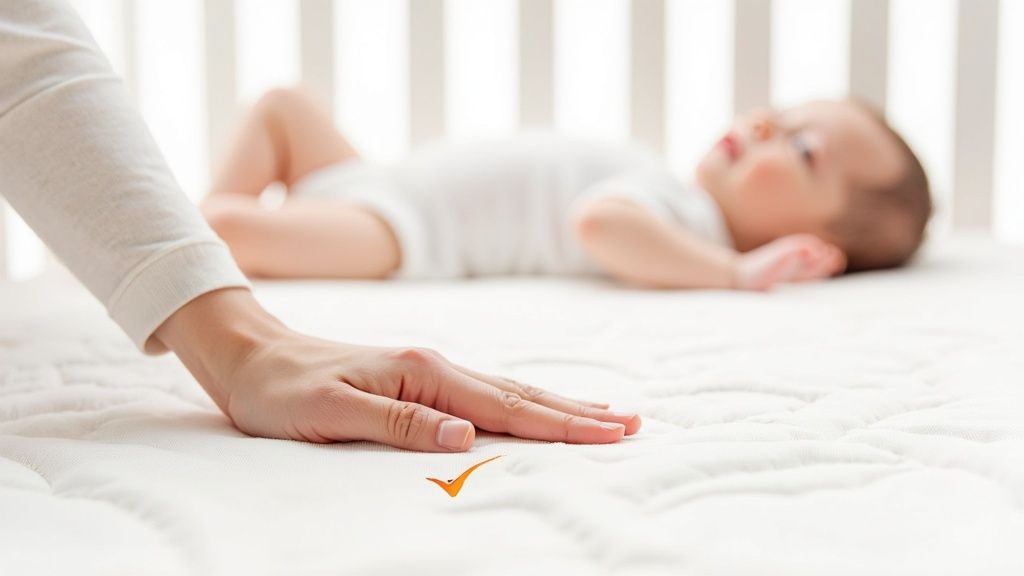
This isn't just my opinion; it’s a cornerstone of the safe sleep guidelines from the American Academy of Pediatrics (AAP). They’ve done the research, and sticking to a firm mattress is one of the most important things you can do to create a safe sleep space for your little one.
How to Tell If a Mattress Is Firm Enough
So, what does "firm" actually feel like? Honestly, it’s probably much firmer than you’d ever choose for your own bed. The best way to know for sure is to get your hands on it.
The Press Test: Go ahead and push down on the mattress in the center and along the edges. A good, firm mattress will spring right back without leaving a noticeable impression of your hand. If it sinks in and holds that shape, it’s too soft.
Think of it like picking out an avocado. You don’t want one that’s rock-hard, but you definitely don’t want one that’s mushy, either. You’re looking for that perfect in-between that gives just a little but feels solid underneath. That resilience is exactly what you need to support your baby safely. If you want to dive deeper into creating the perfect sleep setup, we've got a great article on the science of baby sleep and supporting healthy habits.
Thankfully, you're not on your own here. The U.S. Consumer Product Safety Commission (CPSC) has put strict safety standards in place for all crib mattresses, with firmness being a key requirement. This means manufacturers are working hard to create products that meet these essential safety rules.
Don't Forget the Fit: The Two-Finger Test
Okay, so you've found a firm mattress. You're almost there! The next crucial piece of the puzzle is making sure it fits the crib perfectly. If there are gaps between the mattress and the crib frame, it creates a dangerous space where a baby can get trapped.
Here’s a super simple way to check the fit:
- The Two-Finger Test: After you put the mattress in the crib, try to stick your fingers in the gap between the side of the mattress and the crib frame.
- What to Look For: If you can squeeze more than two fingers into that space, the mattress is too small and is not safe to use.
A safe mattress should be snug, sitting flush against all four sides of the crib. This quick test takes just a few seconds but gives you incredible peace of mind. By making sure the mattress is both firm and fits just right, you’re building the safest foundation for your baby’s sweet dreams.
Picks From This Story
Picks related to this guide, ready to ship from Moogco.
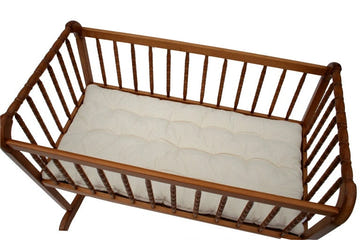
Wendy Anne Organic Cotton Futon Pad Rectangle Custom...
$69.00
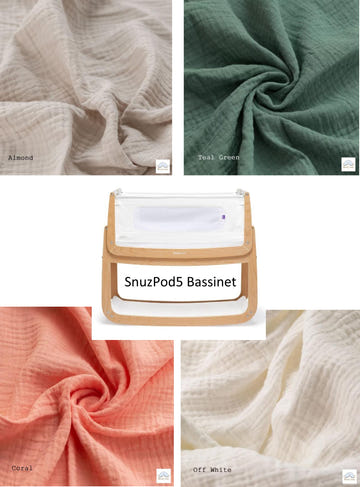
Wendy Anne Bassinet Cradle Fitted Sheet 31.5 x 17.3 ...
$35.00
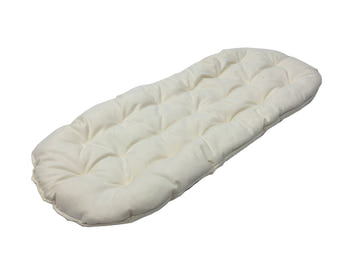
Organic Cotton Futon Mattress Topper Pad - Custom Si...
$69.00
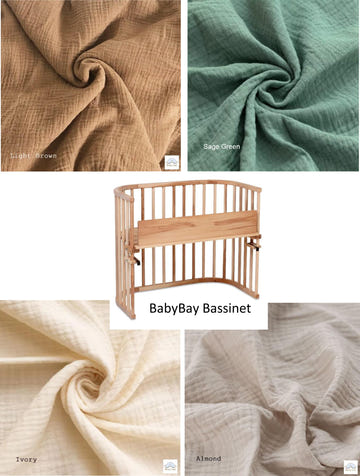
Wendy Anne Bedside Bassinet Fitted Sheet Organic Cot...
$36.00
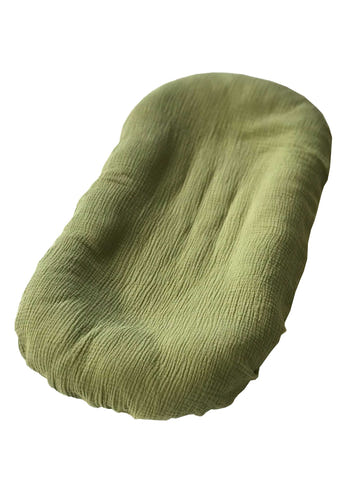
Wendy Anne Infant Lounger Slip Cover Organic Cotton ...
$59.00
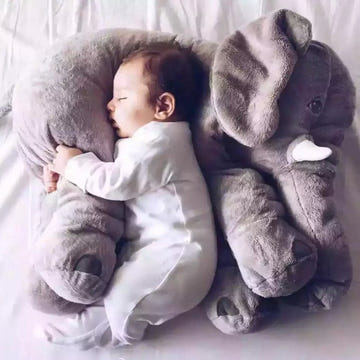
Sell My Stuff Elephant Plush Baby Sleep Pillow 30 35...
$40.00
Decoding Mattress Materials and Health Certifications
Walking down the baby aisle can feel like learning a whole new language, can't it? You're suddenly staring at terms like "high-density foam," "innerspring coils," and an alphabet soup of certifications. Let's cut through the jargon and figure out what all of this really means for your baby's sleep and your own peace of mind.
Think of choosing the right material like picking the perfect car seat—it’s all about finding the best mix of safety, durability, and features that work for your family and your budget.
Common Crib Mattress Materials
When you start shopping, you’ll quickly notice two main players: foam and innerspring. Each one has its own vibe.
- Foam Mattresses: These are usually made from polyurethane and are famous for being incredibly lightweight. Trust me, a lighter mattress is a total back-saver when you're fumbling with crib sheets at 3 a.m. The key here is to look for high-density foam, as it provides that firm surface babies need and holds up much better over time.
- Innerspring Mattresses: This is the more traditional option, built with a network of steel coils inside for support. They tend to be super durable and can easily last through the toddler years and maybe even for a second baby. Generally, a higher coil count and thicker steel (which is actually a lower gauge number) mean a firmer, more supportive mattress.
Of course, it doesn't stop there. You'll also find wonderful natural and organic options made from materials like cotton, wool, or latex. These are fantastic if you're trying to minimize synthetic materials in the nursery. To dive deeper into this, our Best Organic Baby Products Guide for Safe Choices is a great resource for creating a truly healthy home environment.
A Mom’s Success Story Beyond the Nursery
Getting ready for a newborn is so much more than just setting up the crib. Many new moms, just like my friend Sarah, find themselves hitting unexpected bumps in the road. Sarah was determined to breastfeed, but within a week, she was in so much pain from sore, cracked nipples that she was ready to give up.
Just as she was about to switch to formula, a friend suggested she try Moogco Silver Nursing Cups. She was skeptical but desperate enough to give them a shot. Much like the well-known Silverette cups, the pure 925 silver in the silverettes gave her immediate, soothing relief. The cups protected her sensitive skin, allowing it to heal naturally between feedings. In just a few days, the pain was gone, and her breastfeeding journey was saved.
Sarah’s story is such a powerful reminder that having the right tools for yourself—not just the baby—can make all the difference. “I was so focused on the baby’s gear, I totally forgot to prepare for myself,” she told me. “The Moogco cups, or any good silverettes, are a non-negotiable for new moms. They truly turned a painful experience into a beautiful one.”
You can learn more about how Moogco Silver Nursing Cups work.
Understanding Health and Safety Certifications
Think of certifications as your safety cheat sheet. They tell you at a glance that a mattress has been independently tested for harmful chemicals and materials, giving you an extra layer of confidence in your choice.
And parents are definitely paying attention. The global baby mattress market, valued at around USD 1.16 billion, is expected to nearly double to USD 2.3 billion by 2035. This boom is happening because more and more of us understand the health benefits of high-quality, eco-friendly materials. You can learn more about baby mattress market trends to see how this parent-led demand is shaping the industry.
To help you decode the labels you'll see, here’s a quick guide to some of the most important materials and certifications out there.
Crib Mattress Material and Certification Guide
| Material/Certification | What It Is | Pros | Cons |
|---|---|---|---|
| High-Density Foam | A type of polyurethane foam engineered for firm support and durability. | Lightweight, easy to change sheets, often more affordable. | Can sometimes off-gas chemicals if not certified; lower-density versions can indent over time. |
| Innerspring Coils | A traditional mattress core made of interconnected steel coils. | Extremely durable, excellent firm support, good airflow. | Heavier than foam, can be more expensive. |
| GREENGUARD Gold | A strict third-party certification that tests for over 10,000 chemicals and Volatile Organic Compounds (VOCs). | Ensures low emissions and cleaner indoor air quality in the nursery. | Products with this certification can be pricier. |
| CertiPUR-US® | A certification specifically for foam products. | Guarantees foam is made without ozone depleters, heavy metals, formaldehyde, and certain harmful flame retardants. | Only applies to the foam component, not the entire mattress (like the cover). |
| GOTS (Global Organic Textile Standard) | The leading standard for organic textiles. Ensures at least 95% of materials are certified organic and produced in a socially responsible way. | Guarantees a truly organic product from farm to finish, free from harmful pesticides and chemicals. | Usually comes with a higher price tag due to the rigorous certification process. |
Understanding these key players—from the basic materials to the gold-standard certifications—empowers you to make a choice you feel great about. By knowing what to look for, you can confidently pick the best crib mattress for newborns in your family and create a sleep space that is safe, healthy, and perfectly comfortable.
The Smart Investment of a Dual-Sided Mattress
Babies grow in the blink of an eye. One minute you’re bringing home a tiny newborn, and the next, you have a curious toddler trying to climb out of the crib. Their needs change just as fast, which is why a dual-sided, or 2-stage, mattress is one of the smartest buys a new parent can make.
Think of it as getting two mattresses for the price of one. It’s a clever, forward-thinking design that grows right along with your child, saving you the money and hassle of shopping for a whole new toddler mattress later on.
The Newborn Side: Firmness Is Non-Negotiable
For their entire first year, your baby will sleep on the infant side. This side is designed to be ultra-firm, giving them the flat, solid surface the American Academy of Pediatrics recommends for reducing the risk of SIDS. This is one area where there’s absolutely no room for compromise—safety comes first.
That firm foundation is crucial for supporting their developing bones and muscles. It also ensures their airway stays open and clear if they roll over in their sleep, which is a huge source of peace of mind for any parent.
The Toddler Side: When to Make the Flip
So, when is it time to flip it over? A good rule of thumb is to wait until your child’s first birthday. By 12 months, they are much stronger, more mobile, and the safety risks tied to softer surfaces have gone way down. Of course, it’s always a great idea to check with your pediatrician first, as they can give you advice tailored to your little one’s specific development.
Flipping the mattress reveals the toddler side, which has a bit more give and cushioning. It's still plenty supportive, but it provides a little extra comfort for a growing toddler who is standing, bouncing, and turning their crib into a playground. That touch of softness can help them sleep more soundly, which usually means you do, too.
A dual-sided mattress isn't just a neat feature—it's a long-term sleep strategy. You’re not just buying a mattress for a newborn; you're investing in a safe and comfortable sleep solution that will last for years, from their first night home all the way through the transition to a toddler bed.
That simple flip is a little milestone, adapting their bed to their new stage of life. It’s a practical, cost-effective choice that supports them from day one through their toddler years.
A Breastfeeding Journey Saved by Moogco Nursing Cups
Getting the nursery just right with the best crib mattress for your newborn is a huge win, but it's just one small part of the new parent puzzle. The reality of postpartum life often throws curveballs you just can't prepare for. For so many new moms, one of the most unexpected and painful hurdles is breastfeeding.
My friend, Jessica, is a perfect example. She had everything set up—the crib, the organic mattress, the tiny onesies all perfectly folded. She was all-in on breastfeeding her daughter, but within the first week, she was in absolute agony. Her nipples were cracked, sore, and bleeding, which turned every feeding into a tear-filled, dreaded moment. She was right on the edge of giving up.
A Turning Point for a Mom in Pain
Just when Jessica was about to reach for the formula, a friend from her mom group suggested she try Moogco Silver Nursing Cups. She was skeptical but honestly desperate enough to try anything. She'd heard of similar products, like the popular Silverette cups, and figured it was worth a shot.
The moment she put them on, she felt this incredible wave of cool, soothing relief. The cups are made from pure 925 silver and create a protective little shield that stops your clothes from rubbing against raw, sensitive skin. That simple barrier was a total game-changer, immediately cutting down the friction and pain she'd been dealing with.
Between feedings, the natural properties of the silverettes helped her skin heal in a way that creams and balms just couldn't. Instead of having to wipe off messy ointments before every single feed, she could just wear the cups. They were comfortable, discreet, and worked their magic without any extra hassle. In just a few days, the pain dropped dramatically and the cracks started to heal.
“I was so focused on creating the perfect, safe environment for my baby, I completely forgot to prepare for my own needs,” Jessica shared. “Those silver cups weren't just a product; they were the reason I could continue breastfeeding. They saved that precious bonding experience for me and my daughter.”
An Essential Tool for Every New Mom
Jessica’s story is such a powerful reminder that taking care of yourself is every bit as important as caring for your newborn. The physical and emotional toll of breastfeeding challenges can be overwhelming, but having the right tools can make all the difference. For more information, you can check out our detailed guide on finding the best silver nursing cups for new moms.
Moogco cups, much like Silverettes, aren't just a remedy for when things go wrong; they're a proactive tool to stop severe pain from derailing your feeding goals in the first place. By providing natural, effective relief, they can help turn a painful struggle into the beautiful, bonding journey every mother hopes for. They are an absolute non-negotiable for any new mom’s toolkit.
More Related Picks
A few more favorites from the same collection.
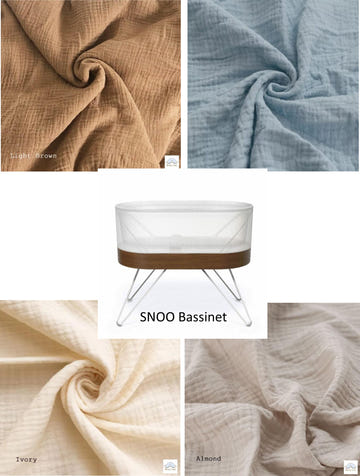
Wendy Anne Cradle Bassinet Fitted Sheet Organic Cott...
$32.00
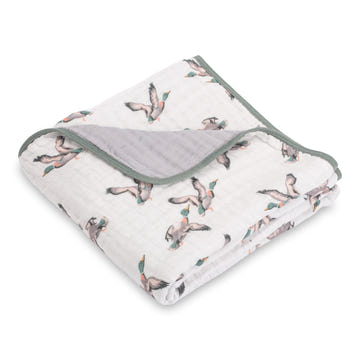
LollyBanks Quacking Up Quilt 47 x 47 inch mallard du...
$29.99
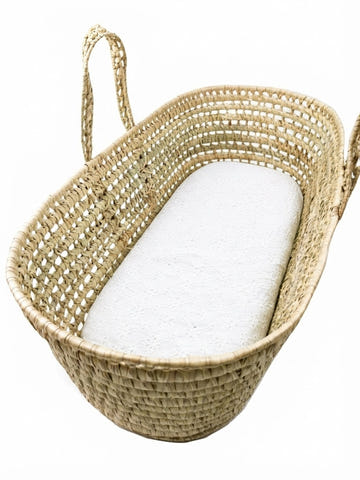
Wendy Anne White Eyelet Cotton Custom Fitted Sheet C...
$32.00
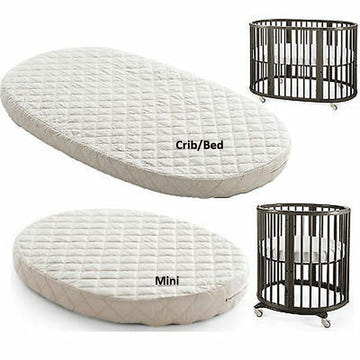
Wendy Anne Oval Crib Fitted Sheet Organic Cotton Dou...
$49.00

Wendy Anne Coral Cotton Custom Fitted Sheet size sha...
$24.00
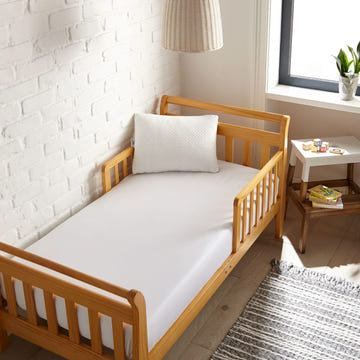
Bamboo is Better Cooling Bamboo Crib Fitted Sheet fo...
$35.00
Keeping Your Crib Mattress Clean and Safe
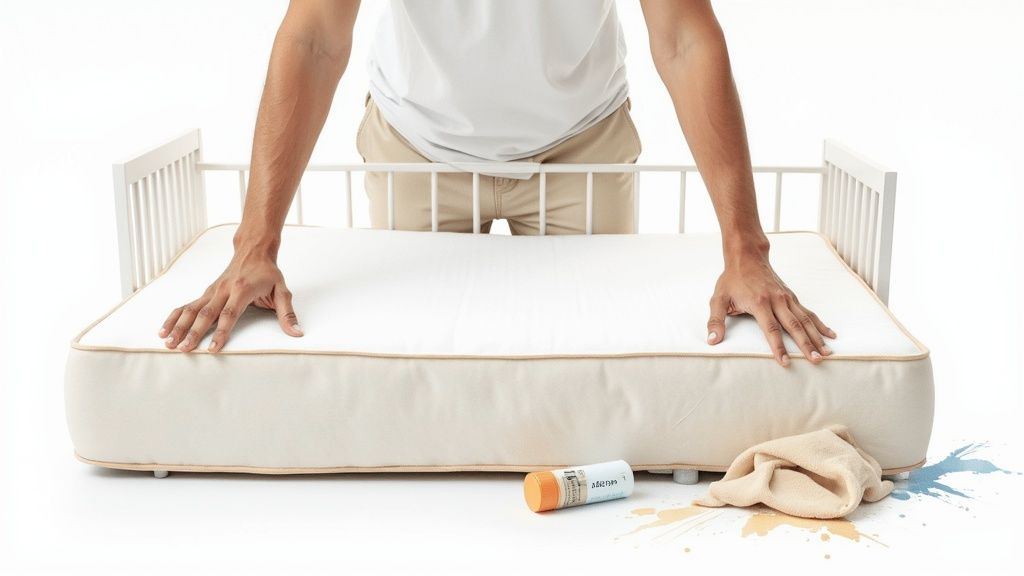
Choosing a great mattress is a huge step in creating a safe little nest for your baby. But once you bring it home, the real work begins! Keeping that mattress clean is just as important for your baby's health. Let's be real—diaper leaks, spit-up, and all sorts of other messes are just part of the new parent experience.
Having a game plan makes those "oops" moments so much less stressful. The trick is to act fast. You want to stop moisture from seeping deep into the mattress core, which is where nasty stuff like mold and mildew can start to grow. A clean, well-cared-for mattress doesn't just stay fresh; it holds its shape and supportive firmness for much longer.
Your First Line of Defense: A Mattress Protector
Before your baby spends a single night in their crib, do this one thing: put on a high-quality waterproof mattress protector. Seriously, think of it as the ultimate insurance policy for your mattress. It creates a solid barrier against any liquid, yet it’s breathable enough to keep things comfortable.
A good protector is the difference between a simple sheet change in the middle of the night and a full-blown cleaning emergency. If you want a deep dive, this ultimate guide to buying a waterproof mattress protector has some great tips.
Step-by-Step Cleaning Guide
When an accident happens (and it will!), here’s how to handle it like a pro:
- Strip the Bedding Immediately: Get those wet sheets and the mattress protector off right away. The faster you act, the less chance anything has to soak through.
- Blot, Don't Rub: Grab a clean, dry towel and gently blot the spot. Press down to soak up as much of the liquid as you can. Whatever you do, don't rub—that just pushes the mess deeper into the mattress fibers.
- Use a Mild Cleaner: Mix a little bit of gentle baby soap or a mild detergent with some warm water. Dip a clean cloth in your solution, wring it out so it's just damp, and dab at the stain.
- Air Dry Completely: This is the most crucial step! You need to let the mattress dry out 100%. Stand it up against a wall, maybe near an open window or a fan, to get the air flowing. Never put sheets back on a damp mattress, as that’s the perfect recipe for mildew.
Some messes, like spilled breast milk, can be a little trickier and might leave behind an odor if not treated properly. We've got you covered with some tips on the best practices for handling spilled breast milk.
Long-Term Mattress Care
Beyond those emergency clean-ups, a little bit of regular TLC will keep the mattress in top shape.
Every time you change the sheets, give the mattress a quick once-over with the upholstery attachment on your vacuum. It only takes a minute, but it's fantastic for sucking up dust, dander, and other allergens that can build up over time.
It’s also a great idea to rotate the mattress every 2-3 months. Just flip it or turn it around. This helps it wear evenly and keeps the surface consistently firm and supportive for your baby. By adding these super simple steps to your routine, you’ll easily get years of safe and healthy sleep out of your crib mattress.
Still Have a Few Questions? Let's Clear Them Up
Even after you've done all the research, a few nagging questions can keep you from feeling totally confident about your choice. That's completely normal! You’re not alone in this. Let's walk through some of the most common things parents wonder about when they're on the hunt for the perfect crib mattress.
How Do I Really Know if a Mattress Is Firm Enough?
This is probably the biggest worry for new parents, and for good reason. What feels "firm" to us is way too soft for a baby. The best way to know for sure is to do a quick "press test" right in the store or as soon as you unbox it.
Press down firmly in the center of the mattress and then again near the edges. A truly firm, safe mattress will snap right back without leaving much of an indentation. If your hand sinks in easily or it feels slow to recover, it's too plush for a newborn.
Is an Organic Mattress Actually Worth the Higher Price?
This is a personal decision that really boils down to your family’s budget and what you value most. The good news is that any mattress sold in the U.S. has to meet strict federal safety standards. Organic mattresses just take things a step further.
They’re made without materials like polyurethane foam, vinyl, or certain chemical flame retardants. If your goal is to minimize your baby's exposure to synthetic materials, then looking for a certification like GOTS (Global Organic Textile Standard) can give you incredible peace of mind. For many parents, that feeling alone makes it worth every penny.
The key thing to remember is that safety isn't exclusive to organic models. A well-made foam or innerspring mattress with low-VOC certification is also a perfectly safe choice. The "worth" comes from aligning the product with your personal philosophy on health and materials.
Why Is a Snug Fit in the Crib So Important?
A snug fit isn't just a nice-to-have; it's a non-negotiable safety feature. If there are gaps between the mattress and the crib frame, a baby can get trapped, which is a serious risk for suffocation or injury. It’s a scary thought, but thankfully, it’s easy to prevent.
There’s a simple trick for this: the two-finger test. After you place the mattress inside the crib, try to wedge your fingers between the mattress edge and the crib frame. If you can fit more than two fingers in that gap, the mattress is too small and unsafe.
How Long Will This Mattress Last? When Do I Need a New One?
A great crib mattress is an investment that should last for years, often seeing your child all the way from the crib to their first toddler bed. You’ll know it’s time to move on when you see a few key signs:
- They graduate to a twin bed: While toddler beds use a standard crib mattress, a "big kid" bed will need a bigger size.
- It starts showing wear and tear: Be on the lookout for major sagging, lumps, or any coils poking through. A mattress that's no longer flat and firm has lost its safe, supportive structure.
- The waterproof cover is compromised: Any rips or tears in the cover are a red flag. Moisture can get into the mattress core, which can lead to mold and bacteria.
You can expect a quality mattress to last a good 3 to 5 years, easily covering your child from their first night at home well into their toddler adventures.
At Moogco Baby, our mission is to support you through all the beautiful and challenging moments of parenthood, from setting up a safe nursery to figuring out breastfeeding. Come see our collections, thoughtfully designed with you and your little one in mind.
Explore our parent-approved essentials at https://www.moogcobaby.com.
Bring this guide home with 25% off.
Use code READER25 for 25% off →
Frequently Asked Questions
Can I use a pillow top or mattress pad on my baby's crib mattress?
No, you should never add a pillow top, mattress pad, or any soft padding on top of a crib mattress. These additions can create a soft surface that increases the risk of suffocation and undermines the firm sleep surface your baby needs. The only thing that should go on the mattress is a fitted crib sheet designed specifically for that mattress size.
What's the difference between high-density foam and regular foam?
High-density foam is much more compact and firm, meaning it has more material packed into the same space compared to regular foam. This makes it far more durable and better at maintaining that firm, flat surface babies need for safe sleep. Regular foam tends to break down faster and may develop soft spots or indentations over time, which is why high-density is always the better choice for crib mattresses.
Do I really need to check for GREENGUARD Gold certification?
While not legally required, GREENGUARD Gold certification is one of the best ways to ensure your baby's mattress has extremely low chemical emissions. Since babies spend so much time sleeping, especially in those early months, reducing their exposure to volatile organic compounds (VOCs) is a smart move for their developing respiratory system. It's one of those certifications that gives you real peace of mind about air quality in the nursery.
Can I buy a used crib mattress to save money?
It's generally not recommended to use a hand-me-down or secondhand crib mattress unless you know its complete history. Mattresses can harbor mold, bacteria, or allergens, and you won't know if it still meets firmness standards or if the structure has broken down. If budget is a concern, a new, affordable foam mattress with good safety certifications is a much safer bet than a used one of unknown quality.
Should I flip or rotate the crib mattress regularly?
Some crib mattresses are designed with a firmer infant side and a slightly softer toddler side, and those should definitely be flipped when your child transitions out of the baby stage. For single-sided mattresses, rotating it 180 degrees every few months can help ensure even wear. Always check the manufacturer's instructions, as some mattresses are designed to stay in one position.
What does a lower gauge number mean for innerspring coils?
In the world of steel wire, a lower gauge number actually means thicker, sturdier wire. So a 15.5-gauge coil is thicker and firmer than a 19-gauge coil, which means better support and durability for your baby's mattress. When you're comparing innerspring options, look for lower gauge numbers and higher coil counts for the best long-term performance.
Are waterproof covers safe, or do they affect breathability?
Modern waterproof covers are totally safe and have come a long way in terms of breathability. Many use materials that block liquids but still allow air to pass through, so your baby stays comfortable and protected. Just make sure the waterproof layer is built into the mattress cover itself or is a snug-fitting protector, never a loose plastic sheet, which can be a suffocation hazard.
How do I clean a crib mattress if there's a diaper leak or spit-up?
Spot clean the mattress cover with a damp cloth and a gentle, baby-safe cleaner, then let it air dry completely before putting the sheets back on. Many mattress covers are removable and machine washable, which is a huge help for those inevitable messes. Never soak the entire mattress or use harsh chemicals, as moisture trapped inside can lead to mold growth.
From Moogco Studio
Printable and personalized nursery essentials. Designed by moms for moms.


About the Editor
Eda Ulger is a co-founder of Moogco Baby, the editor of the Moogco Baby Journal, and a mom of two. She curates and edits our guides so every piece is honest, practical, and genuinely helpful for the early days of motherhood.
Shop This Story
Picks related to this guide, ready to ship from Moogco.
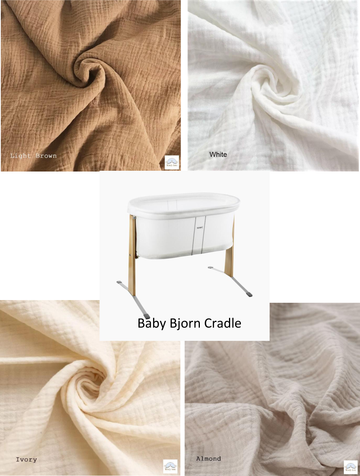
Wendy Anne Baby Bjorn Cradle Fitted Sheet Organic Co...
$32.00
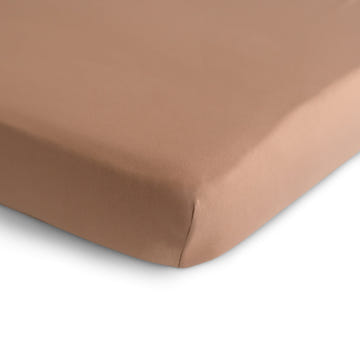
Mushie Stretchy MINI Crib Sheet Organic Cotton Pre-w...
$21.00
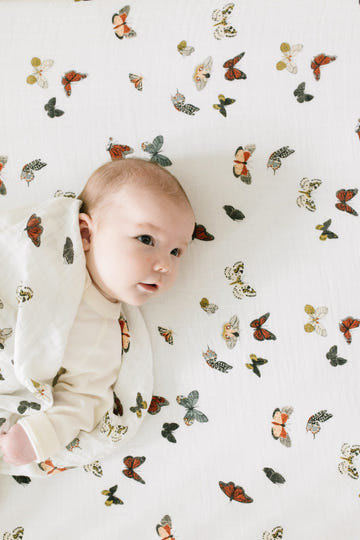
Clementine Kids Butterfly Migration Crib Sheet 52 x ...
$30.00
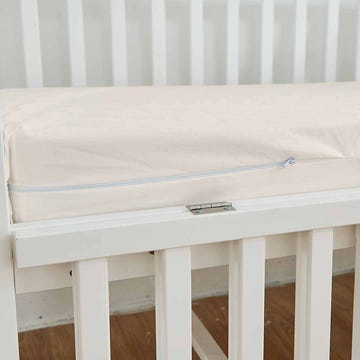
AllergyCare Organic Cotton Crib Mattress Encasing
$60.99
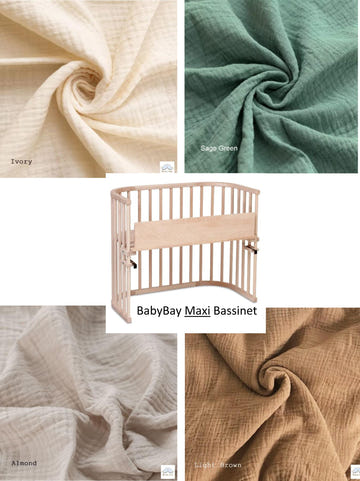
Wendy Anne Bedside Bassinet Fitted Sheet 35 x 19.5 x...
$48.00

Wendy Anne Gray Seersucker Stripe Cotton Fitted Shee...
$24.00
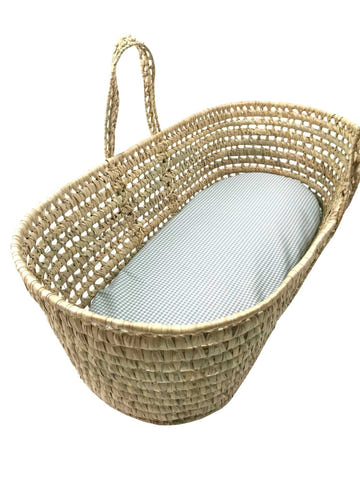
Wendy Anne Gray and White Cotton Gingham Fitted Shee...
$24.00

Wendy Anne Off White Linen Custom Fitted Sheet L x W...
$26.00
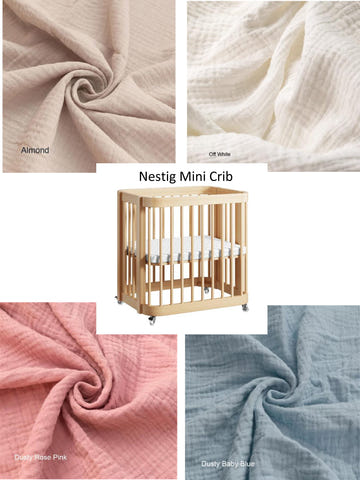
Wendy Anne Mini Crib Fitted Sheet 27.5x22.5x2 Organi...
$45.00
LollyBanks Golf A Round Quilt 47 x 47 inch Organic M...
$29.99