


When you're building your lactation toolkit, remember this: the best products are the ones that solve your specific problems. It's not about having everything, but about having the right things. Think of it as creating a personalized support system, focusing on key areas like milk expression (pumps), comfort and relief (creams, silver cups), and milk storage (bags, bottles). Your journey is unique, and your gear should be, too.
Your Guide to Essential Lactation Support
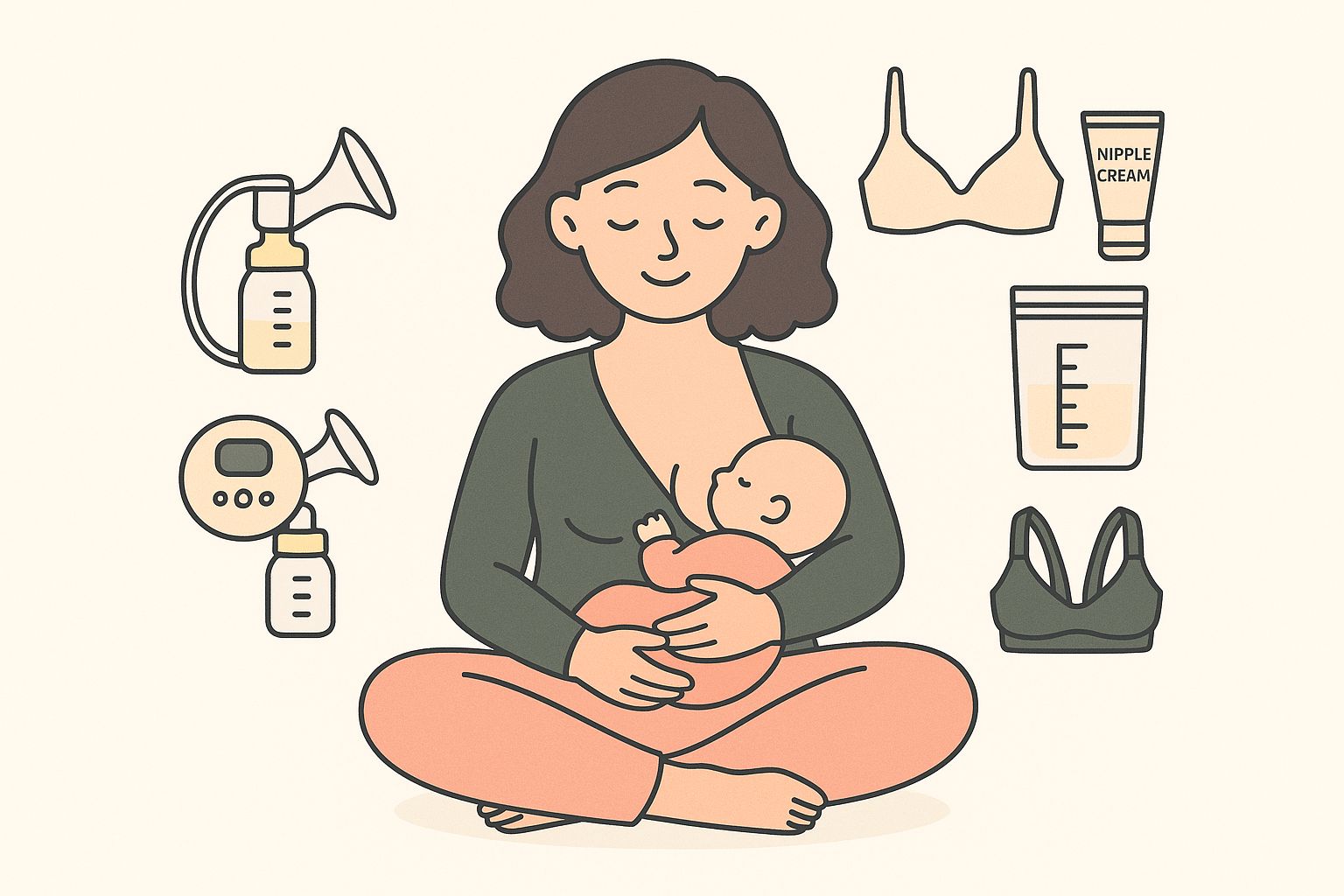 nursing pads, and nipple cream arranged neatly.">

Stepping into the world of breastfeeding essentials can feel a little overwhelming. With so many gadgets and accessories on the market, it's easy to get lost. This guide is here to be your friendly translator, breaking down what each type of product actually does so you can feel confident in your choices.
Curated by moms, vetted by lactation pros
Everything for the breastfeeding journey
Take $15 off at checkout, applied automatically when you shop through this link.
Shop with MAMA15 →Free US shipping over $100. Code applies automatically at checkout.
The goal isn’t to hand you a non-negotiable shopping list. It's to empower you with knowledge. Once you understand the purpose behind each tool, you can build a support system that truly fits your lifestyle, budget, and feeding goals. This kind of preparation is a huge part of learning how to prepare for breastfeeding successfully.
Understanding the Main Product Categories
Let’s start with a simple overview. Most lactation products fall into a few main categories, each designed to help with a specific part of the journey.
To get a quick lay of the land, this table breaks down the major categories and what they're used for.
Lactation Product Categories at a Glance
| Product Category | Primary Purpose | Common Examples |
|---|---|---|
| Milk Expression & Collection | Removing milk when not directly nursing | Electric pumps, manual pumps, milk catchers |
| Comfort & Pain Relief | Soothing soreness and making feeding comfortable | Nipple creams, nursing pads, silver cups, gel packs |
| Storage & Feeding | Safely storing expressed milk for later use | Milk storage bags, bottles, labeling systems |
This simple breakdown helps you see how each piece of the puzzle fits into the bigger picture of your breastfeeding experience.
Now, let's look a little closer at what each category entails:
-
Milk Expression and Collection: These are the tools that help you get milk out when you're not nursing directly. Think of building a freezer stash for your return to work, relieving uncomfortable engorgement, or letting a partner help with feedings. This category covers everything from powerful electric pumps to simple manual collectors.
-
Comfort and Pain Relief: This one is all about taking care of you. It includes products designed to soothe sore nipples, prevent embarrassing leaks, and generally make the physical act of nursing more comfortable. Nipple creams, nursing pads, and innovative tools like silver cups all live here.
-
Storage and Feeding: You’ve done the work to express that liquid gold, now you need to store it safely. This group covers all the essentials for protecting every drop, like specialized freezer bags, bottles designed for breastfed babies, and systems to keep it all organized.
It’s no surprise that the market for these products is booming. Valued at USD 1.9 billion, it's expected to more than double by 2035 as more parents seek out effective support. For many new moms, getting these essentials ready is just as important as finding great Denver newborn photographer services to capture those fleeting early moments.
Picks From This Story
Picks related to this guide, ready to ship from Moogco.
momjug breastfeeding water bottle 50oz double-wall s...
$49.99
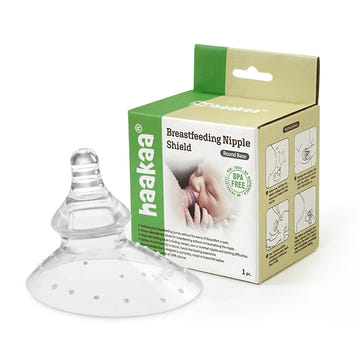
Haakaa Silicone Breastfeeding Nipple Shield Round Sh...
$19.05
Organic Nipple Butter™ - Double-Sided for Kids
$14.99
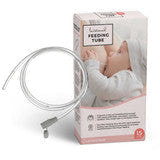
Bae & Bee Boutique LactTube 5FR Pediatric Feeding Tu...
$3.00
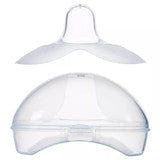
Bae & Bee Boutique Cherry Shaped Nipple Shield 21mm ...
$14.00

Holistic Lactation Advanced Lactation Formula 30 Ser...
$34.99
Choosing Your Essential Milk Expression Tools
For a lot of moms, the breast pump is the real MVP of their breastfeeding journey. It gives you flexibility, helps kickstart and maintain your milk supply, and lets your partner or other caregivers get in on feeding time. But when you start looking, the options can feel overwhelming, from heavy-duty hospital machines to pumps you can wear in your bra.
Think of it like buying a car. You wouldn't get a two-seater sports car for a family of five, right? The best pump for you is the one that actually fits your life and what you need it to do.
Decoding the Different Types of Breast Pumps
To make the right call, it helps to know what’s out there. Each type of pump is built for a different purpose, offering a unique mix of power, portability, and convenience.
Here’s a quick rundown of the main players:
- Hospital-Grade Pumps: These are the big guns. With powerful, multi-user motors, they're designed for serious work, like building a supply for a preemie or navigating medical challenges. You typically rent these.
- Double Electric Pumps: This is the go-to for most working moms. They pump both breasts at once, which is a massive time-saver and great for keeping your supply up when you’re away from your baby regularly.
- Single Electric Pumps: A solid choice if you only plan to pump now and then. They're usually smaller and more portable than double pumps, perfect for occasional relief or building a small freezer stash.
- Manual Pumps: These are powered by you! They’re simple, quiet, and affordable. Toss one in your bag for travel, a date night, or to quickly relieve engorgement without messing with cords and plugs.
- Wearable Pumps: The newest kids on the block, these hands-free pumps slip right into your bra, letting you pump discreetly just about anywhere. While the convenience is amazing, their suction and capacity can be different, so many moms use them alongside a primary electric pump.
Finding the Perfect Fit for Your Life
So, how do you pick? Start by thinking about your daily reality and your pumping goals. If you’re heading back to a demanding office job, the speed of a double electric pump will likely be your best friend. But if you're a stay-at-home mom who just wants a break now and then, a manual pump might be all you ever need.
The key is to match the tool to the task. The best lactation products don't just work well, they integrate seamlessly into your life, reducing stress rather than adding to it.
The technology is also getting smarter all the time. Many new pumps are designed to feel more like a baby nursing, not a machine. Some use a peristaltic motion that copies the wave-like movement of a baby's tongue, which can make pumping more comfortable and help you get more milk.
The Overlooked Detail: Flange Size
Here’s one of the most important, and most often missed, pieces of the pumping puzzle: getting the flange size right. The flange (or breast shield) is the funnel-shaped plastic part that goes over your nipple and areola. If it doesn't fit correctly, it can cause pain, damage your nipples, and seriously cut down on how much milk you get.
It’s like trying to run a marathon in shoes that are two sizes too small. It’s not just uncomfortable; it’s going to hold you back. A proper fit creates the right seal, allowing the pump to work its magic effectively.
How to Measure for the Right Flange Size:
- Measure Your Nipple: Before you pump, use a ruler or measuring tape to find the diameter of your nipple at its base (don't include the areola). You’ll want the measurement in millimeters (mm).
- Add a Little Room: The right flange size is usually 2 to 4 mm larger than your nipple measurement. So, if your nipple is 20 mm, you’d start by trying a 22 mm or 24 mm flange.
- Check the Fit During Pumping: When the pump is on, your nipple should move freely inside the flange tunnel without rubbing the sides. If a lot of your areola is getting pulled in, the flange is too big. If your nipple is rubbing, it’s too small.
Nailing this small detail can completely change your pumping experience, turning it from a painful chore into a productive part of your routine. It’s a win for your comfort and a win for your milk supply. Of course, a great pump is just one piece of the puzzle. If you're struggling with latching during direct nursing, our guide on the best nipple shields for breastfeeding might offer another solution.
Finding Your Comfort Zone While Breastfeeding
Let's be honest: a successful breastfeeding journey is about more than just milk supply. Your physical comfort is a massive piece of the puzzle. It's completely normal to feel some tenderness or soreness in those early days as you and your baby are both learning. The good news is, there's a whole category of lactation products designed specifically to soothe, protect, and support you through it.
Think of these items as your personal nursing care toolkit. They range from simple, moisturizing balms to clever tools that offer relief without any chemicals. Investing in your own comfort isn't selfish, it's essential for making breastfeeding sustainable and, most importantly, enjoyable.
Soothing Creams and Natural Alternatives
Nipple creams are usually the first line of defense against dryness and chafing. They work by creating a gentle barrier on your skin, helping it to heal and stay moisturized. Knowing what's out there can help you pick the right one for you.
You'll generally find two main types:
- Lanolin-Based Creams: Lanolin is a natural, waxy substance from sheep's wool. It’s incredibly effective at locking in moisture and has been a go-to for generations of moms. It's safe for baby, so there's no need to wipe it off before a feed.
- Plant-Based Balms: Made from gentle ingredients like shea butter, olive oil, and calendula, these are perfect if you have a wool sensitivity or simply prefer plant-derived products. If you're looking for a popular option, you can learn more about the best natural nipple cream and its benefits.
While creams are fantastic for adding moisture, some moms are looking for solutions that do more than just coat the skin, they want something that protects it from the constant friction of a bra or nursing pad.
There's a growing movement among mothers toward products that work with the body's natural ability to heal. Instead of just adding a layer of something, these tools help create the perfect environment for your skin to recover on its own.
Chemical-Free Protection with Silver Cups
For moms who want a completely natural, chemical-free option, silver nursing cups are a game-changer. These small, anatomically shaped cups are made from pure silver and fit discreetly inside your bra between feedings. Their genius is in their simplicity.
First, they act as a physical shield, stopping your clothing from rubbing against sore, sensitive skin. That alone can be a huge relief. Second, the silver itself has natural properties that help keep the area clean and support skin health. The cups also catch a few drops of your own breast milk, liquid gold for healing, which keeps your nipples naturally moisturized without any added balms.
Managing Leaks and Getting Instant Relief
Beyond soreness, there are two other common hurdles: unexpected leaks and the discomfort of engorgement. The right products make managing both a breeze.
Nursing Pads for Leak Protection
Leaking is a totally normal sign that your milk supply is getting established, but it can be a hassle. Nursing pads are a non-negotiable for staying dry and feeling confident.
- Disposable Pads: These are super convenient, especially in the early weeks or when you're on the go. Just use them and toss them.
- Reusable Pads: Made from soft, absorbent materials like bamboo or cotton, these are an eco-friendly and budget-friendly choice. You just wash and wear them again and again.
Cooling Hydrogel Pads for Immediate Comfort
For those moments of intense soreness or after a particularly tricky latch, hydrogel pads can feel like a miracle. They are cool, soothing gel discs that offer instant relief the second you put them on. You can even keep them in the fridge for an extra-cooling sensation. They’re a fantastic thing to have on hand for those especially tough moments.
By putting together a well-rounded comfort kit, creams, silver cups, nursing pads, and a great nursing bra, you’ll be ready for whatever comes your way. This proactive approach means you can spend less time worrying about discomfort and more time focusing on that incredible bond with your new baby.
More Related Picks
A few more favorites from the same collection.
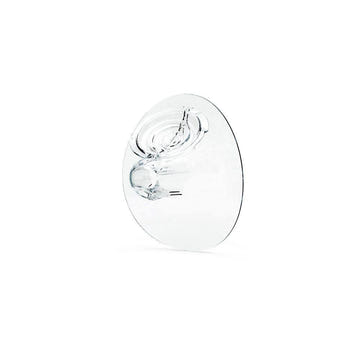
Healthy Horizons Elvie Pump Breast Shields 2 Pack 21...
$29.99
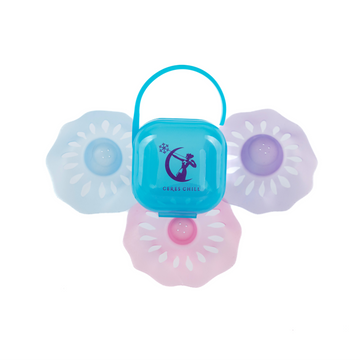
Ceres Chill Shield Maiden Nipple Shields 2pc or 3pc ...
$14.50

Mila's Keeper Silicone Breast Milk Bottle 6 oz Stand...
$36.00
Haakaa Silicone Inverted Nipple Aspirators 2 pk
$17.99
bbhugme Pregnancy Pillow Dusty Olive Adjustable Firm...
$219.00
Babee Greens Contoured Nursing Pads 1 Pair Organic C...
$7.25
Keeping Your Liquid Gold Safe: A Guide to Milk Storage
Every drop of breast milk you pump feels precious, and rightly so. Once you've done the work of expressing it, the next step is making sure it's stored safely so your baby can get all those amazing nutrients later on.
Choosing the right storage container is about more than just finding something to hold the milk. It’s about protecting its quality, making your life easier, and even thinking about your environmental footprint. The best lactation products for storage are the ones that actually fit your real-world needs.
Comparing Your Milk Storage Options
You'll generally find three main choices for storing breast milk: disposable plastic bags, reusable silicone pouches, and classic glass bottles. Each one comes with its own set of pros and cons, and what works for one parent might not work for another. It really comes down to your lifestyle, budget, and how much freezer space you have to work with.
Here’s a look at the key players:
- BPA-Free Plastic Bags: These are the undisputed champs of convenience, especially if you're trying to build up a large freezer stash. They're designed specifically for breast milk, are pre-sterilized, and lay flat for freezing. This "milk brick" trick is a lifesaver for maximizing freezer space.
- Silicone Pouches: If you're looking for an eco-friendly, reusable option, silicone is a fantastic choice. These pouches are durable, flexible, and free from funky chemicals. You can wash and sterilize them again and again, which cuts down on waste and can save you money in the long run.
- Glass Bottles: For parents who want to go completely plastic-free, glass is the gold standard. It’s non-porous, so it won’t hold onto old odors or residues, and it's a breeze to clean. Glass is definitely heavier and more breakable, but it’s an incredibly durable solution for both the fridge and freezer.
This isn't just a niche market anymore. The global demand for breast milk storage products was valued at USD 509.37 million and is expected to climb past USD 1 billion by 2033. This boom is largely thanks to working moms who need reliable, safe ways to provide for their babies while they're apart. You can discover more insights about this expanding market and the innovations behind it from research by Straits Research.
To make it even clearer, let's compare these options side-by-side.
Comparing Breast Milk Storage Options
This table breaks down common breast milk storage materials to help you choose based on convenience, cost, and sustainability.
| Storage Type | Key Benefits | Potential Drawbacks | Best For |
|---|---|---|---|
| Plastic Bags | Space-saving (freeze flat), convenient, pre-sterilized, lower upfront cost. | Single-use (creates waste), can be prone to leaks, risk of freezer burn. | Building a large freezer stash and maximizing freezer space. |
| Silicone Pouches | Reusable & eco-friendly, durable, multi-purpose, long-term cost savings. | Higher initial investment, can be harder to get all the milk out. | Parents focused on sustainability and reducing waste. |
| Glass Bottles | Completely plastic-free, easy to clean & sterilize, won't absorb odors. | Heavy, breakable, takes up more freezer space. | Storing smaller amounts in the fridge or for plastic-averse families. |
Ultimately, many parents end up using a combination of these methods, maybe glass for daily fridge storage and bags for the long-term freezer stash.
Best Practices for Safe Storage
No matter what container you pick, following proper storage guidelines is non-negotiable for your baby's health. Think of it as a simple set of rules to protect that precious milk.
The "first in, first out" (FIFO) principle is your best friend. Always use the oldest milk you expressed first. This simple habit ensures nothing goes to waste and your baby always gets the freshest milk available.
Labeling is your first line of defense. Every single bag or bottle needs to be clearly marked with the date of expression. It’s also a good idea to jot down the amount you pumped, which is super helpful for tracking later on.
Here's a quick cheat sheet for how long your milk will last:
- On the Countertop: Up to 4 hours at room temperature (around 77°F).
- In the Refrigerator: Up to 4 days when stored at 40°F.
- In the Freezer: Up to 12 months is safe, but it's best to use it within 6 months for optimal quality.
When you're ready to use frozen milk, always thaw it gently. The best methods are letting it sit in the fridge overnight or holding the container under warm running water. A big no-no is the microwave, it can create dangerous hot spots and actually destroy some of the valuable nutrients in the milk.
Organizing Your Freezer Stash
As your milk stash grows, your freezer can quickly turn into a chaotic mess. A little bit of organization from the start will save you a ton of headaches down the road.
The "milk brick" system is a fan favorite for a reason:
- Freeze Flat: Lay your filled milk bags on a cookie sheet or another flat surface in the freezer.
- Stack and Store: Once they're frozen solid, you can stack these flat "bricks" upright in a storage container, a shoebox-sized bin, or even a gift bag.
- Label Your Bins: Organize your bricks by month or week. This makes it incredibly easy to see what you have and grab the oldest milk first, following that trusty FIFO rule.
By picking the right containers for your lifestyle and sticking to these simple safety and organization tips, you can rest easy knowing every ounce of your hard-earned milk is protected and ready for your baby.
How to Build Your Personalized Lactation Toolkit
When you first start looking at lactation products, it can feel like you've been handed a generic, one-size-fits-all shopping list. But let's be real, your body, your baby, and your day-to-day life are completely unique.
The secret to finding the best lactation products isn’t about buying one of everything. It's about being thoughtful and choosing the tools that will genuinely support your specific journey. Instead of just checking boxes on a list, let's figure out what you actually need.
Key Questions to Guide Your Choices
Think of yourself as the lead detective in your own breastfeeding story. To build a truly useful toolkit, you need to start by asking the right questions about your own circumstances. Your answers will act as a personal compass, pointing you toward products that make your life easier, not just more cluttered with stuff.
-
What’s your main goal right now? Are you trying to build a massive freezer stash before heading back to work? Do you just need some relief from soreness and discomfort? Or maybe you just want the flexibility for a partner to handle a feeding now and then? Your primary mission will determine whether a powerful double electric pump or a simple manual one is your best first step.
-
What does your typical day look like? A mom who is home full-time is going to need a different setup than a mom who commutes to an office every day. Think about practical things like portability, noise level, and how easy something is to clean. If you’ll be pumping on the go, you’ll want a solution that’s compact, quiet, and doesn't have a million tiny parts to wash.
-
What’s your budget? Lactation gear runs the gamut from affordable basics to high-tech gadgets. Setting a budget helps you figure out where to spend and where to save. And don’t forget, insurance often covers the cost of a primary breast pump, which can free up cash for all the helpful accessories and comfort items.
-
Do you have any known sensitivities? If you have sensitive skin or just prefer all-natural products, that’s going to steer your choices for things like nipple creams and nursing pads. This is also where you might decide to explore chemical-free options like silver cups instead of traditional balms. For leak protection, it’s worth checking out some of the best reusable nursing pads, which are often made from super-soft, natural fibers.
Translating Your Needs into Products
Once you've got your answers, you can start connecting them to actual product categories. This is how you turn that self-reflection into a smart, actionable shopping list.
Your personal needs are the blueprint for your lactation toolkit. By starting with "why," you ensure that every product you choose has a clear and valuable purpose in your breastfeeding journey.
Let's walk through an example. If you know you're returning to work and need to build a significant milk supply, your focus should be on a durable double electric pump and a dependable milk storage system.
This handy decision tree shows how your plans for the milk can point you straight to the right storage solution.
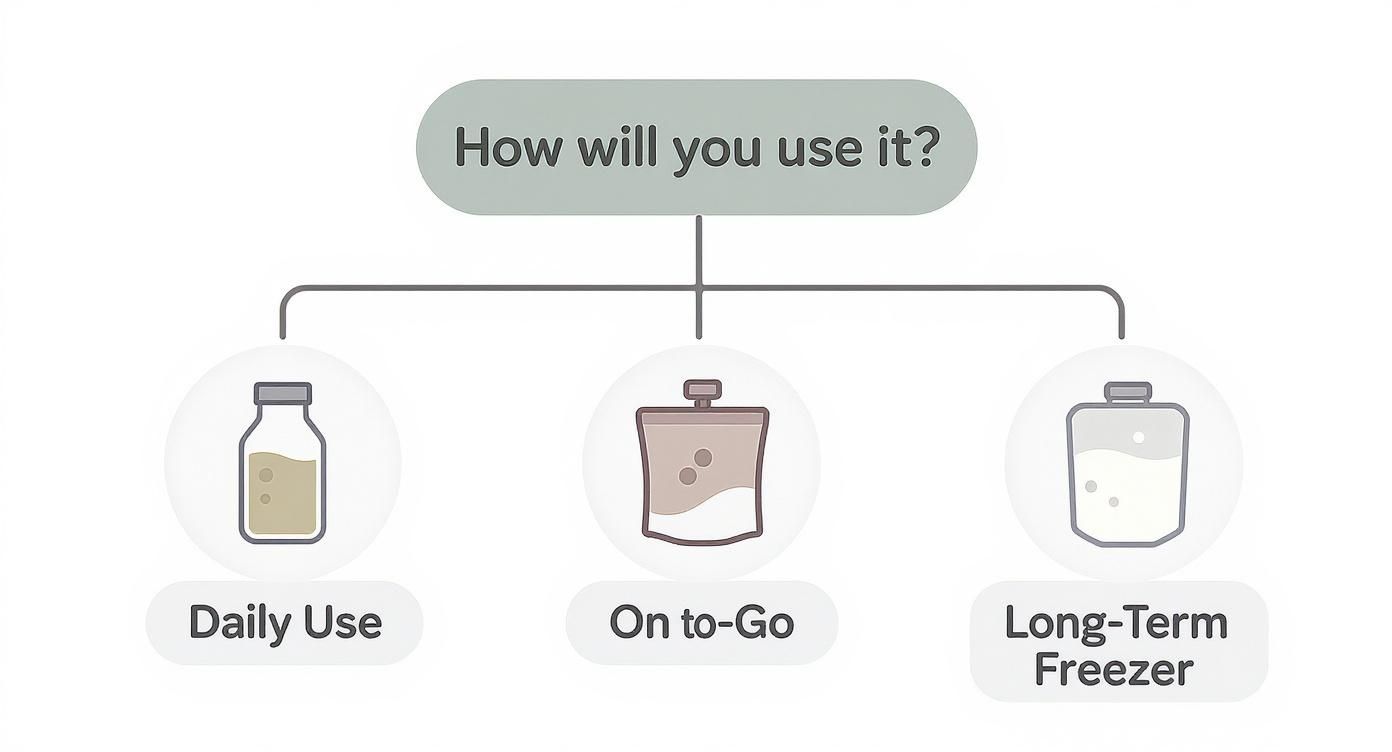
As you can see, the choice becomes a lot simpler. Glass bottles are perfect for daily use in the fridge, while freezer bags are the obvious winner for building that long-term stash.
On the other hand, if your main goal is comfort and you plan to breastfeed exclusively at home, your list will look totally different. You'll probably prioritize things like soothing hydrogel pads, a really good nursing pillow, and natural nipple care. When you think through your situation first, you end up with a toolkit that actually serves you, making every purchase a smart one.
Common Questions About Lactation Products
Diving into the world of lactation products for the first time can feel like learning a new language. You've got the basics down on the different categories and how to build your own toolkit, but what about the day-to-day practicalities?
This is where we get into the nitty-gritty. Think of this as your go-to guide for all those "what if" and "how do I" questions that pop up. Getting these details sorted out ahead of time can make your entire breastfeeding journey feel so much smoother.
When Should I Buy Lactation Products?
Timing really is everything. A little bit of planning during your third trimester can make a world of difference once the baby arrives.
This is the perfect window to research and grab your big-ticket items. Get your breast pump sorted out through your insurance now. Having it on hand before the baby comes gives you a chance to unbox it, read the manual, and figure out how it works without the pressure of a hungry newborn waiting.
It's also a great idea to have a few immediate essentials packed in your hospital bag or waiting at home. A good nipple cream or balm and a small pack of nursing pads are must-haves. You’ll be glad you have them from day one.
A quick word of advice, though: try to resist the urge to buy everything in bulk right away. You might find you prefer a certain brand of nursing pad or that your skin reacts better to a plant-based nipple cream over a lanolin one. Start with the basics, see what works for you and your baby, and then stock up on your favorites.
Do I Need a Pump If I Plan to Exclusively Breastfeed?
Even if your goal is to feed your baby exclusively at the breast, a pump can be an incredibly valuable tool for flexibility and peace of mind. It doesn't mean you're committing to a rigid pumping schedule.
For many moms, a simple, inexpensive manual pump is the perfect solution. It can be a real lifesaver for relieving uncomfortable engorgement in those early days as your milk supply settles in. It also gives you the freedom to let a partner or family member help with a feeding, which means you can get a much-needed stretch of sleep or run a quick errand.
A pump also becomes pretty essential if you plan on being away from your baby for more than a few hours at a time. While not every exclusively breastfeeding mother needs one, most find that having some type of pump provides a very welcome safety net.
How Do I Clean My Pumping Equipment Safely?
Keeping your pump parts clean is non-negotiable for your baby's health. The key is to establish a simple, consistent routine right from the start.
After Every Single Pumping Session:
- Rinse Immediately: As soon as you're done, rinse all the parts that touched your breast or milk in cool water. This simple step prevents milk residue from drying and becoming a pain to clean later.
- Wash Thoroughly: Next, wash the parts in a dedicated basin (not directly in the sink, which can harbor bacteria) with hot, soapy water. Use a small brush to get into all the nooks and crannies of the valves and connectors.
- Air-Dry Completely: Place everything on a clean, designated drying rack or a fresh paper towel and just let them air-dry. Using a dish towel can reintroduce germs you just worked so hard to wash away.
The Centers for Disease Control and Prevention (CDC) also recommends sanitizing your pump parts at least once per day for extra protection. This is especially important if your baby is under three months old or was born prematurely.
You can sanitize parts by boiling them in water for five minutes, using a microwave or plug-in steam sterilizer, or running them through a dishwasher on a hot water or sanitizing cycle. Always double-check the pump manufacturer’s instructions to see which parts are safe for these methods.
Are Wearable Pumps as Good as Traditional Pumps?
Wearable pumps have been an amazing innovation, offering a level of convenience and discretion that was unheard of just a few years ago. The ability to pump while you're commuting, sitting in a meeting, or making dinner is an absolute game-changer for so many mothers.
But when you compare them to traditional double electric pumps, it’s less about one being "better" and more about them being different tools for different jobs.
Traditional pumps, especially the hospital-strength models, generally have more powerful motors and a wider range of suction and speed settings. This can make them more effective at fully emptying the breasts, which is vital for building and maintaining milk supply, particularly for anyone who is exclusively pumping.
Many moms find a hybrid approach works best. They’ll use a high-quality traditional pump as their primary workhorse for dedicated pumping sessions at home and rely on a wearable pump for convenience when they're at work or on the go. And for those prioritizing natural, chemical-free comfort throughout their journey, exploring options like the best silver nursing cups can be a wonderful way to complement a comfortable pumping and nursing experience.
For a natural, chemical-free solution to soothe and protect your nipples, discover the benefits of MoogCo’s Original Silver Nursing Cups. Find your perfect fit on Amazon today.
Bring this guide home with $15 off.
Use code MAMA15 for $15 off →
Featured pick from Moogco
MOOGCO Silver Nursing Cups 999k Silver - BPA-Free for Babies & Toddlers
$46.90 $52.90
Shop this pick → Frequently Asked Questions
Can I Use the Same Flange Size for Both Breasts?
Not necessarily. It's actually pretty common for your nipples to be slightly different sizes, so you might need different flange sizes for each breast. Measure both sides separately and don't be surprised if you need a 24 mm on one side and a 22 mm on the other. Using the right size for each breast will keep you comfortable and help you pump more efficiently.
What's the Difference Between a Manual Pump and a Manual Milk Collector?
A manual pump requires you to actively create suction by squeezing a handle or lever to express milk. A milk collector (sometimes called a milk catcher) is passive, it simply catches letdown from one breast while you nurse or pump on the other, without any squeezing or suction involved. Both are useful, but they serve different purposes in your toolkit.
How Long Do Breast Pumps Typically Last?
Most personal-use electric pumps are designed to last about one year of regular use, which usually covers a full breastfeeding journey. If you're pumping multiple times daily for work, the motor will naturally wear down faster than if you only pump occasionally. Many moms successfully use their pump for 12 to 18 months, but performance can decline over time, affecting suction strength and milk output.
Do I Need Different Products for Exclusive Pumping Versus Occasional Pumping?
Absolutely. If you're exclusively pumping, you'll want a powerful double electric pump built for frequent use, plus a robust storage system and enough pump parts for multiple sessions between washes. Occasional pumpers can often get by with a single electric or manual pump and a smaller stash of storage bags. Think of it as matching your gear intensity to your pumping intensity.
Can Nipple Creams Affect My Baby During Nursing?
Most nipple creams made specifically for breastfeeding are designed to be safe for your baby and don't need to be wiped off before nursing. Look for products with simple, food-grade ingredients like purified lanolin or organic oils. Always check the label to make sure it's labeled safe for nursing, and avoid creams with fragrances, petroleum, or ingredients that require washing off first.
What Should I Look for in Milk Storage Bags?
The best milk storage bags are pre-sterilized, made from BPA-free materials, and feature a strong double-zipper seal to prevent leaks. Look for bags that can lay flat for efficient freezer storage and stand upright for easy filling. A write-on label area for dating is also essential so you can use your oldest milk first and keep everything organized.
How Many Pump Parts Should I Have on Hand?
If you're pumping regularly, having at least two to three complete sets of flanges, valves, and membranes will make your life so much easier. This way, you can pump multiple times throughout the day and wash everything once in the evening, rather than cleaning parts after every single session. It's a small investment that saves a ton of time and stress during those busy early months.
Are Silver Cups Really Worth the Investment?
For moms dealing with persistent nipple soreness, cracking, or pain, silver cups can be a game-changer. They provide a protective barrier, promote natural healing with silver's antimicrobial properties, and can be worn between feedings for continuous relief. They're pricier than creams, but many moms swear by them when other comfort products haven't done the trick.
From Moogco Studio
Printable and personalized nursery essentials. Designed by moms for moms.


About the Editor
Eda Ulger is a co-founder of Moogco Baby, the editor of the Moogco Baby Journal, and a mom of two. She curates and edits our guides so every piece is honest, practical, and genuinely helpful for the early days of motherhood.
Shop This Story
Picks related to this guide, ready to ship from Moogco.
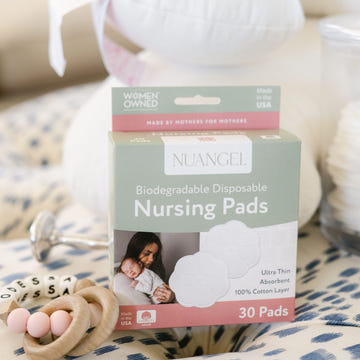
NuAngel Plant-based Disposable Nursing Pads individu...
$9.99
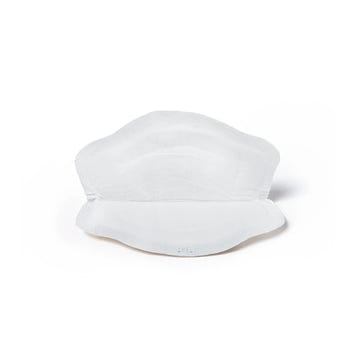
Zomee Breast Pumps Nursing Pads 100 or 200 count
$2.99

WishGarden Herbs Milk Rich Supply Booster pump top b...
$21.59

Wendy Anne Lounger Slip Cover Organic Cotton Waterpr...
$49.00
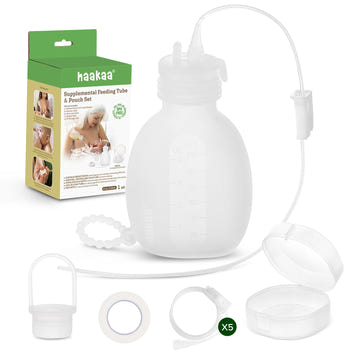
Haakaa Supplemental Feeding Tube and Pouch Set Size ...
$33.99

Milky Mama Dairy Duchess Raspberry Breastfeeding Sup...
$27.00
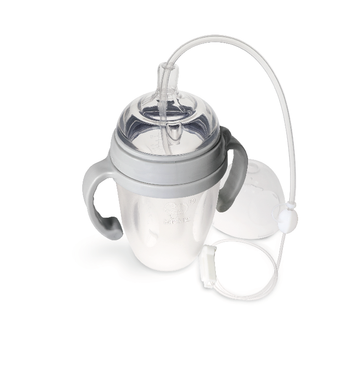
Haakaa Supplemental Feeding Combo 250ml Bottle with ...
$32.99
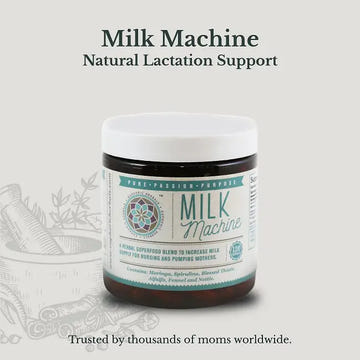
Euphoric Herbals Milk Machine lactation supplement 2...
$19.99
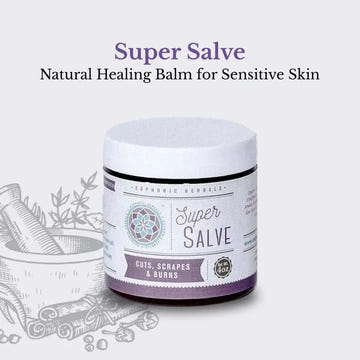
Euphoric Herbals Super Salve Nursing Salve no essent...
$10.00
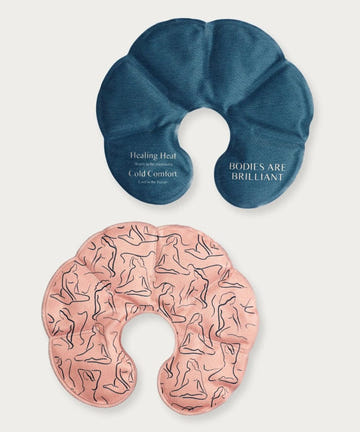
Nyssa Breast Ice and Heat Therapy Packs 8-inch Full-...
$20.00