


What are the best nursing pads?
Short answer: The best nursing pad depends on how much you leak. Disposables are thinner and better for going out; washable cotton or bamboo pads hold more and cost less over time. If you leak through overnight, look for a contoured pad with a waterproof backing rather than a thicker flat one.
- Disposable: thinner under clothes, best for work and travel
- Reusable cotton or bamboo: cheaper per use, softer on cracked skin
- Contoured shape beats flat for overnight leaking
- Change as soon as it is damp, trapped moisture causes thrush
- Free US shipping on orders over $100
You're standing in the pharmacy aisle at 2am, leaking through your third shirt today, staring at twenty different boxes of nursing pads and wondering why nobody warned you about this part. Been there. Here's what actually works in 2026.
Quick Answer: Disposable nursing pads like Lansinoh or Medela work best for night shifts, travel, and the first postpartum weeks, while reusable bamboo or organic cotton pads save $120+ over six months and feel softer on sensitive skin. If you're dealing with cracked or bleeding nipples, skip fabric pads entirely and use antimicrobial 925 sterling silver nursing cups between feeds, they protect while healing faster than any moisture-trapping pad.
What Are Nursing Pads and Why You Actually Need Them
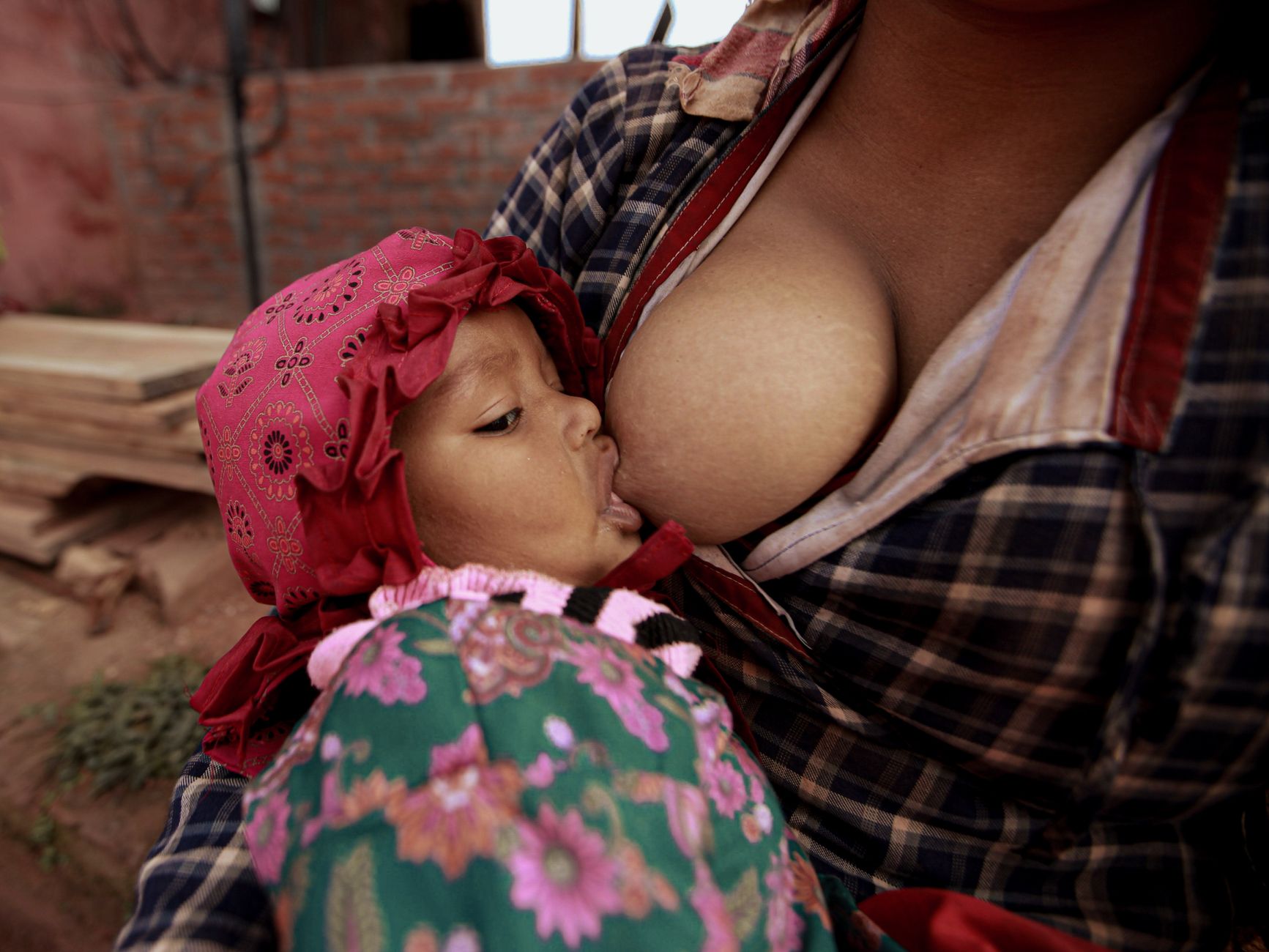
Nursing pads are absorbent discs you wear inside your bra to catch leaking breast milk. They handle letdown, random triggers like hearing a baby cry in the grocery store, thinking about your baby during a work meeting, or waking up in a literal puddle at 3am.
In the first few weeks postpartum, nursing pads go from nice-to-have to completely non-negotiable. Your milk supply's regulating, which means your body hasn't figured out the "just enough" memo yet. You're producing milk around the clock, and it doesn't care if you're in public.
Here's the thing nobody mentions: if you're dealing with cracked nipples, nipple vasospasm, or damaged nipples from latch issues, traditional nursing pads can actually make things worse. The fabric traps moisture against your skin, which slows healing and creates a perfect environment for infections like thrush or mastitis. We'll talk about better alternatives later (hint: antimicrobial silver nursing cups), but first, let's figure out which type of pad works for your situation.
How Do Disposable vs Reusable Nursing Pads Compare?
Disposable nursing pads are single-use absorbent pads you toss after wearing. Individually wrapped, super absorbent, and zero laundry. Perfect for your hospital bag, nighttime heavy leaking, or when you're traveling and don't want to deal with washing pads in a hotel sink.
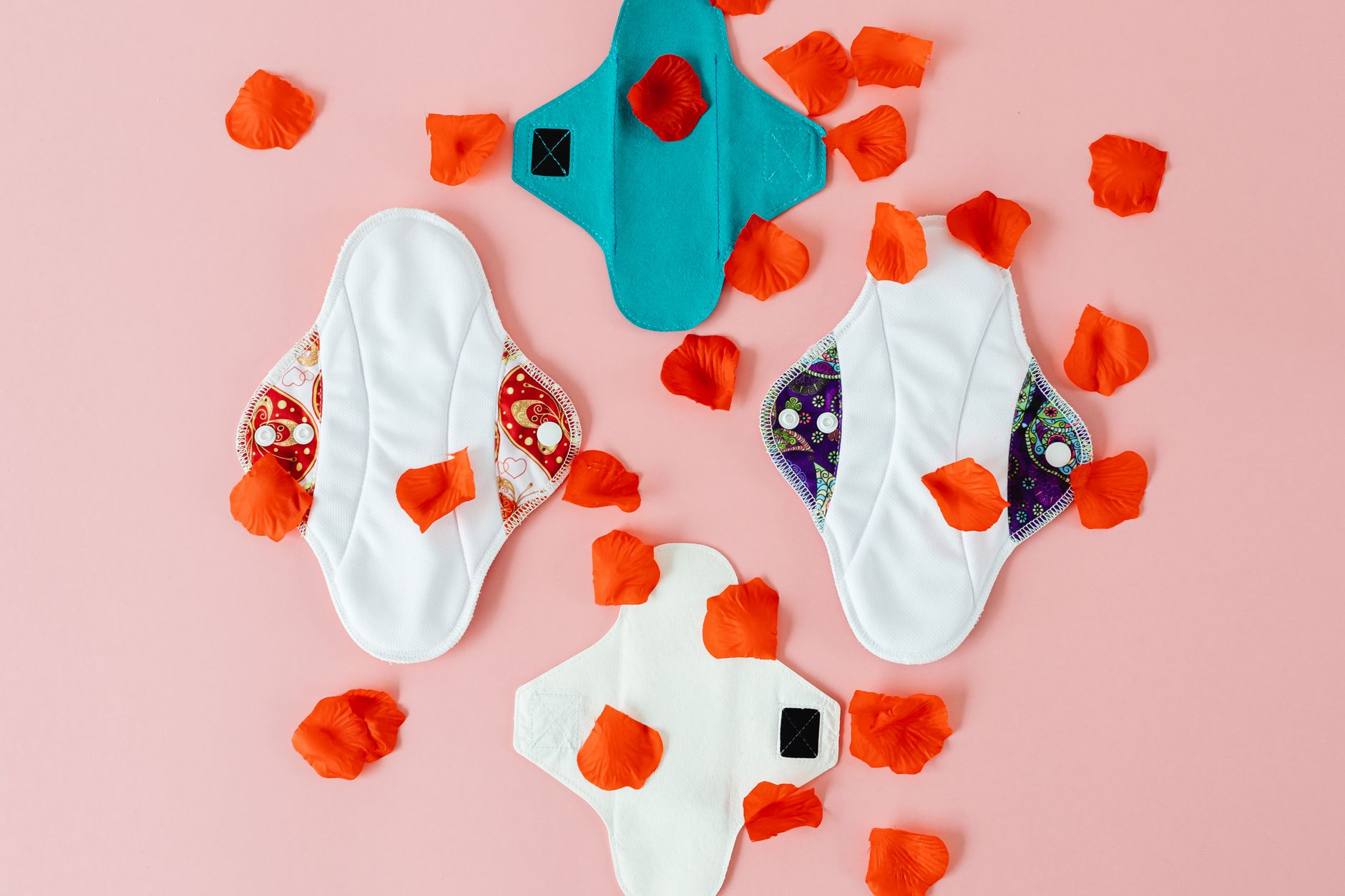

Reusable nursing pads are washable fabric pads (usually bamboo, organic cotton, or hemp blends) that you rotate through like underwear. They're softer on sensitive or damaged nipples, eco-friendly, and way cheaper over time. The catch? You need 6-8 pairs to rotate daily, and you're adding more laundry to your already overflowing postpartum pile.
Let's talk real numbers. If you're changing pads 4-6 times daily for six months of breastfeeding, you'll spend $120-180 on disposable pads. Reusable pads cost $40-60 upfront for a full set, then you're done.
The real answer? Most parents end up using both. Disposable for the hospital bag and emergency stash, reusable for daily home routine. You don't have to pick a side.
Picks From This Story
Picks related to this guide, ready to ship from Moogco.
momjug breastfeeding water bottle 50oz double-wall s...
$49.99
Organic Nipple Butter™ - Double-Sided for Kids
$14.99
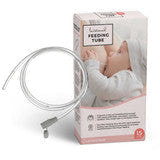
Bae & Bee Boutique LactTube 5FR Pediatric Feeding Tu...
$3.00
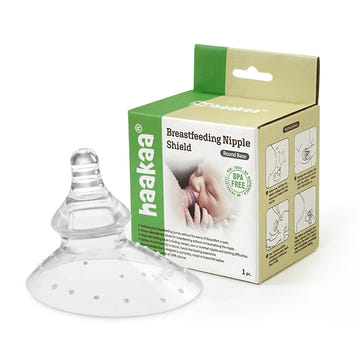
Haakaa Silicone Breastfeeding Nipple Shield Round Sh...
$19.05
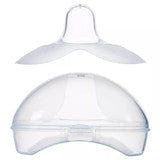
Bae & Bee Boutique Cherry Shaped Nipple Shield 21mm ...
$14.00
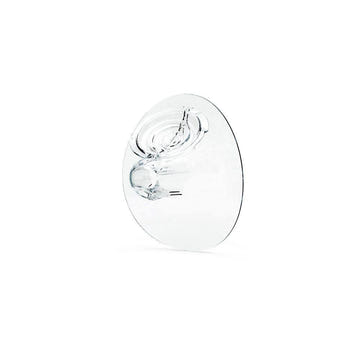
Healthy Horizons Elvie Pump Breast Shields 2 Pack 21...
$29.99
How to Choose the Right Nursing Pads for Your Situation
The right nursing pad depends on your leaking severity, skin sensitivity, work schedule, and whether you're dealing with nipple damage. Here's how to match your situation to the best option.
Heavy leakers need serious absorbency, look for overnight-rated pads or multi-layer reusable options. If you're soaking through a pad in under two hours, standard daytime pads won't cut it. You need disposable pads with leak-proof backing or reusable bamboo pads designed for overnight use.
Sensitive skin changes everything. If adhesive backing irritates you (and it irritates a lot of postpartum parents), skip disposable pads with sticky strips. Go for contoured reusable pads that stay in place with shape alone, or disposable pads that rely on fit instead of adhesive.
Your work and pumping schedule matters too. If you're pumping at the office or running between meetings, disposable pads are easier, you can change them in a bathroom stall and toss them without carrying wet pads around. Reusable pads mean you're either bringing a wet bag or living with damp fabric in your purse until you get home.
Budget over 6-12 months: if you're breastfeeding for a year, disposables will cost you $240-360. Reusable pads cost $40-60 total. Do the math for your timeline.
If you're dealing with cracked nipples, thrush, mastitis risk, or any kind of nipple damage, pads trap moisture against the wound. That slows healing and makes infections worse. In that case, skip the pads entirely and use antimicrobial 925 sterling silver nursing cups between feeds instead. They protect without trapping moisture, and the silver actively helps skin heal faster.
Best Disposable Nursing Pads 2026 (Parent-Tested)
The best disposable nursing pads for 2026 are Lansinoh for heavy leaking, Medela for discreet daytime wear, and Bamboobies for eco-conscious parents who want biodegradable options.
Lansinoh Disposable Nursing Pads (4.7 stars) are the heavy-leaker favorite. Individually wrapped, super absorbent with a Blue Lock core that actually works, and they stay in place without adhesive. These are what you want for nighttime or those first postpartum weeks when you're changing pads constantly. Around $12 for 60 pads.
Medela Disposable Nursing Pads (4.6 stars) have a thinner profile that works better under fitted clothes. They're less bulky than Lansinoh but still handle moderate leaking. Good for daytime wear when you're back in regular clothes and don't want visible lines. Around $10 for 60 pads.
Bamboobies Disposable Pads (4.5 stars) are the eco-conscious disposable option. Biodegradable materials, no harsh chemicals, softer texture. They're not as absorbent as Lansinoh for heavy leakers, but if you want disposable convenience with less environmental guilt, these work. Around $13 for 60 pads.
What to look for: leak-proof backing (not all disposables have it), contoured shape that stays put, and individually wrapped so they don't pick up lint in your diaper bag. Avoid anything with strong adhesive if your skin's already irritated from postpartum hormones.
Best Reusable Nursing Pads 2026 (Parent-Tested)
The best reusable nursing pads are Bamboobies Overnight Pads for heavy leakers, Kindred Bravely Organic Cotton for sensitive skin, and budget-friendly washable bamboo pads for light to moderate leaking.
Bamboobies Overnight Pads (4.8 stars) are the best reusable nursing pads for absorbency. Three layers of bamboo viscose handle serious leaking, and they're soft enough for sore nipples. You need 3-4 pairs for nighttime rotation. Around $20 for 3 pairs.
Kindred Bravely Organic Cotton Pads (4.6 stars) are the sensitive skin winner. GOTS-certified organic cotton, no synthetic materials, hypoallergenic. They're less absorbent than bamboo options, so they work better for light-to-moderate leakers. Around $16 for 3 pairs.
Washable Bamboo Nursing Pads (budget pick, 4.5 stars) run about $15 for 8 pairs. They're soft and affordable, but the absorbency doesn't match premium brands. Fine for daytime light leaking, not ideal for overnight or heavy flow.
You actually need 6-8 pairs of reusable pads to rotate daily without doing laundry every single day. Wash them in hot water with your towels (skip fabric softener, it reduces absorbency), air dry or low heat. Replace them every 3-6 months as the absorbency breaks down.
You'll thank yourself when you're stuck somewhere without access to laundry.
Reusable Nursing Pad Materials Compared
If you go the reusable route, the fabric matters as much as the brand. Here is how the four common materials stack up:
- Bamboo: exceptionally soft against sore nipples and very absorbent, which makes it the favorite for heavy leaking in the early weeks. It does hold moisture, so change pads once they feel damp.
- Cotton and hemp: durable, breathable, and easy to wash hot. Slightly less plush than bamboo but they survive hundreds of wash cycles without losing shape.
- Wool: naturally moisture wicking and temperature regulating, and the lanolin in wool resists odor between washes. Wool pads are the classic choice for overnight wear and for moms with very sensitive skin.
- Silicone: not absorbent at all. Silicone pads apply gentle pressure to stop letdown leaks, which makes them useful for swimming or a special occasion outfit, not for everyday absorption.

More Related Picks
A few more favorites from the same collection.
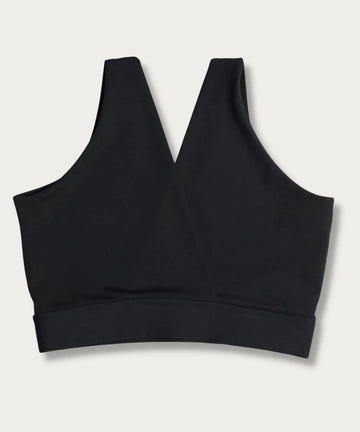
Nyssa FourthWear Postpartum Bralette Nursing and Pum...
$39.00

Mila's Keeper Silicone Breast Milk Bottle 6 oz Stand...
$36.00
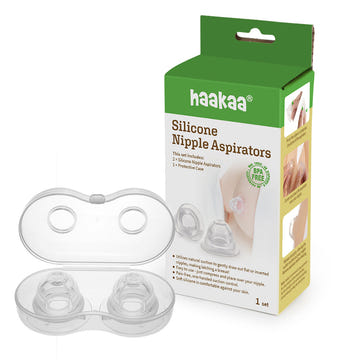
Haakaa Silicone Inverted Nipple Aspirators 2 pk
$17.99
bbhugme Pregnancy Pillow Dusty Olive Adjustable Firm...
$219.00
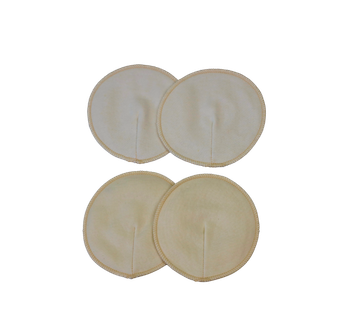
Babee Greens Contoured Nursing Pads 1 Pair Organic C...
$7.25
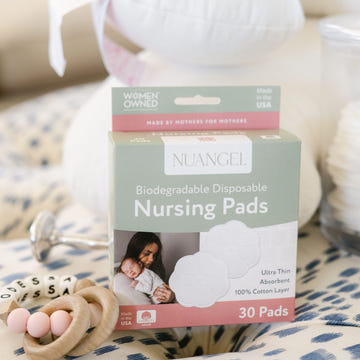
NuAngel Plant-based Disposable Nursing Pads individu...
$9.99
What to Do If Nursing Pads Aren't Enough (Cracked Nipples, Thrush, or Heavy Leaking)
Pads catch the leaks, but they do not heal the skin underneath. If your nipples are cracked or raw, many moms wear silver nursing cups between feeds and use pads over them at night. Curious how the different silver options compare? Our 925 vs 999 silver guide breaks down the evidence.
If you have cracked nipples, thrush, or nipple damage, fabric nursing pads trap moisture against wounds and slow healing. Antimicrobial silver nursing cups provide protection and airflow that actually speeds recovery.
Sometimes pads make things worse. If you're dealing with cracked, bleeding, or damaged nipples, fabric pads trap moisture against the wound. That creates a warm, damp environment where bacteria and yeast thrive, exactly what you don't need when you're trying to heal.
Nipple thrush (yeast infection) also gets worse with traditional nursing pads. The fabric holds moisture and warmth right where thrush loves to grow.
Antimicrobial 925 sterling silver nursing cups solve both problems. Instead of fabric pressed against your nipples, you wear smooth silver cups that create airflow while protecting your nipples from rubbing against your bra. The 925 sterling silver naturally kills bacteria and yeast (that's real antimicrobial science, not marketing), which speeds up healing for cracked skin and thrush.
Wear them between feeds when your nipples need a break from moisture and friction. No pads, no trapped wetness, just protection and actual healing. Backed by 200,000+ cups sold since 2020, Moogco Silver Nursing Cups are rated 4.8 stars by parents who've been there, real 925 sterling silver, not plated alternatives.
Shop Moogco Silver Nursing Cups,they're a game-changer when pads aren't cutting it.
When Should You Use Disposable vs Reusable Nursing Pads?
Use disposable pads for the hospital, first postpartum weeks, travel, and nighttime heavy leaking. Switch to reusable pads for daily home routine once your supply regulates around 6-12 weeks.
Hospital bag and first week home: disposable. You're bleeding, exhausted, learning to breastfeed, and drowning in laundry already. Individually wrapped disposables you can toss without thinking are worth every penny.
Daily routine at home: reusable. Once your supply regulates around week 6-12, reusable pads make way more sense. You're changing them less often, and adding a few pads to your regular laundry load isn't a big deal.
Travel, overnight trips, emergencies: disposable backup stash. Even if you're team reusable, keep a box of disposables for trips when you don't want to deal with wet bags and hotel sink washing sessions.
Postpartum healing phase (sore or cracked nipples): ditch the pads entirely and use silver nursing cups instead. Pads slow healing when your nipples are damaged.
Weaning transition: disposable. As your supply drops, you're leaking less often and unpredictably. A small stash of disposables means less laundry as you phase out breastfeeding.
How to Prevent Leaking Without Nursing Pads (5 Tips That Actually Work)
You can reduce breast milk leaking by applying pressure during letdown, hand-expressing before feeds, wearing strategic clothing, using breast shells, and knowing that leaking naturally decreases as your supply regulates.
1. Apply gentle pressure during letdown: Use your forearm or hand when you feel letdown starting in public. It won't stop it completely, but it slows the flow enough to get you somewhere private.
2. Hand-express before feeds if you have oversupply: Releasing some pressure reduces the spray-everywhere letdown that soaks through everything. This works especially well if you're dealing with forceful letdown or overactive milk ejection reflex.
3. Wear patterns or darker colors during the leaky phase: Black, navy, and busy prints hide wet spots way better than grey or pastels. Practical fashion is still fashion.
4. Use silverettes or breast shells to catch leaks without fabric: They sit inside your bra and collect milk while allowing airflow, no moisture trapped against your skin like pads do. Moogco Silver Nursing Cups work this way while also providing antimicrobial protection.
5. Know that leaking decreases naturally: Leaking usually decreases as your supply regulates, typically around 6-12 weeks postpartum. Some parents leak throughout breastfeeding, others stop after a few months. Both are completely normal. You've got this.
| Feature | Disposable Pads | Reusable Pads |
|---|---|---|
| Cost per 6 months | $120-180 | $40-60 upfront |
| Absorbency level | High (especially overnight brands) | Moderate to high (bamboo/overnight styles) |
| Convenience factor | Use once, toss, no laundry | Requires washing after each use |
| Best for | Travel, night leaking, first weeks postpartum | Daily home routine, budget-conscious, eco-friendly |
| Environmental impact | Landfill waste (unless biodegradable) | Low waste, reuse for months |
| Comfort for sore nipples | Can irritate with adhesive; traps moisture | Softer fabric, but still traps moisture |
| Laundry required | No | Yes, wash after each use |
| When to use | Hospital, travel, backup stash, heavy leaking | Home routine, regulated supply, daily wear |
Frequently Asked Questions
How many nursing pads do I need per day?
Most parents change pads 4-6 times daily in the first weeks postpartum when leaking's heaviest. After your supply regulates (usually around 6-12 weeks), that drops to 2-3 times per day. If you're soaking through pads hourly, check in with a lactation consultant, you might be dealing with oversupply or forceful letdown.
Can nursing pads cause sore nipples or thrush?
Yes. Nursing pads trap moisture against your skin, which can irritate already sore nipples and create the perfect warm, damp environment for yeast infections like thrush or bacterial infections like mastitis. If you have cracked nipples or thrush, skip pads temporarily and switch to antimicrobial 925 sterling silver nursing cups that allow airflow while protecting your nipples between feeds.
Are reusable nursing pads sanitary?
Yes, as long as you wash them in hot water after each use and replace them every 3-6 months as the fabric breaks down. Wash them with your towels (not with baby clothes that need gentle detergent), skip the fabric softener, and air dry or use low heat to maintain absorbency.
Do I need nursing pads if I'm exclusively pumping?
Yes. Pumping parents leak too, especially between pumping sessions or when you hear a baby cry (even if it's not your baby). Your body doesn't know the difference between nursing and pumping, milk still lets down at random triggers.
What's the best nursing pad for nighttime?
For disposable, Lansinoh Disposable Nursing Pads have the highest absorbency. For reusable, go with Bamboobies Overnight Pads (bamboo, three layers). Both handle the heavy leaking that happens when you're sleeping for longer stretches and not nursing as frequently.
Can I use nursing pads with cracked nipples?
Not recommended. Fabric traps moisture against the wound, which slows healing and increases infection risk for conditions like thrush and mastitis. Use antimicrobial 925 sterling silver nursing cups instead until your nipples heal, they protect without trapping moisture, and the silver actively helps damaged skin heal faster. Backed by 200,000+ cups sold since 2020 and rated 4.8 stars for cracked nipple healing.
When do I stop needing nursing pads?
Most parents stop leaking around 3-6 months as supply regulates, but some need pads throughout their entire breastfeeding journey. Both are totally normal. You'll know you're done when you go a full week without leaking, then you can slowly phase out the pads and see what happens.
Can I wear reusable nursing pads overnight?
Yes. Pick a thicker night weight pad, ideally wool or a multi layer bamboo pad, and pair it with a soft sleep bra that keeps the pad in place. Change the pad if it feels saturated when you wake for a feed, since sitting in a damp pad is the fastest route to irritated skin.
Can reusable nursing pads go in the dryer?
Most cotton and bamboo pads handle a low heat dryer cycle, but air drying makes them last noticeably longer, and any pad with a waterproof backing should skip the dryer entirely. Wool pads should only ever be air dried. When in doubt, follow the care label.
How long do reusable nursing pads last?
A rotation of eight to ten reusable pads typically lasts six to twelve months of regular use. Replace a pad when it stops absorbing like it used to, stays smelly after washing, or the edges start to fray. Gentle washing and air drying stretch their lifespan.
When should I start using nursing pads?
Many moms start in the third trimester, when colostrum can begin to leak. After birth, you will almost certainly want them from the day your milk comes in, usually day two to five postpartum, and heaviest leaking tends to settle down once supply regulates around six to eight weeks.
Less Worry. More Wonder.
Look, nursing pads aren't glamorous, but they're a game-changer for those first months when your body's still figuring out this whole milk-making thing. Whether you go disposable, reusable, or both, you're not doing it wrong.
If you're dealing with cracked or sore nipples and pads are making it worse, grab Moogco Silver Nursing Cups,they heal while you rest between feeds, no moisture-trapping fabric involved. Tested by parents, backed by 200,000+ cups sold since 2020, rated 4.8 stars. They're what we wish we'd found sooner.
You've got this. One pad change at a time.
For Moogco Mamas
Take 15% off your first order
Use code MAMA15 at checkout. Free US shipping on orders $100+.
Shop Moogco BabyFrom Moogco Studio
Printable and personalized nursery essentials. Designed by moms for moms.


About the Editor
Eda Ulger is the editor at Moogco Baby and a mom of two. She curates and edits our guides so every piece is honest, practical, and genuinely helpful for the early days of motherhood.
Shop This Story
Picks related to this guide, ready to ship from Moogco.
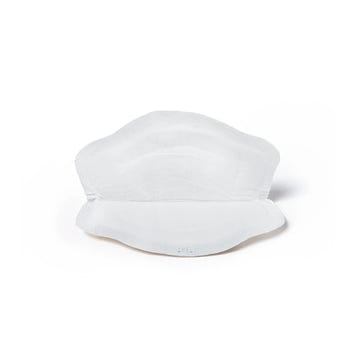
Zomee Breast Pumps Nursing Pads 100 or 200 count
$2.99
Wendy Anne Lounger Slip Cover Organic Cotton Waterpr...
$49.00

Holistic Lactation Advanced Lactation Formula 30 Ser...
$34.99
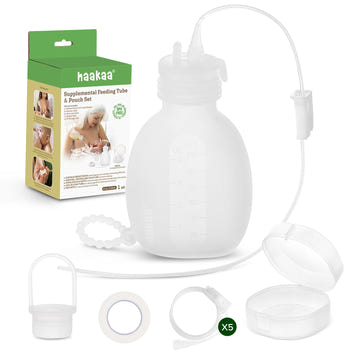
Haakaa Supplemental Feeding Tube and Pouch Set Size ...
$33.99
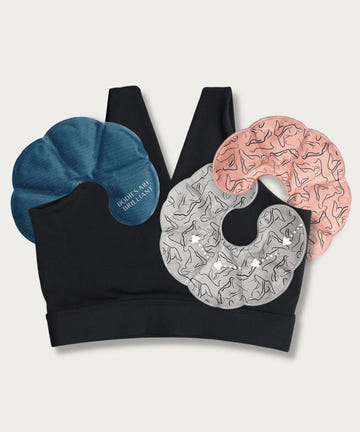
Nyssa FourthWear Postpartum Bralette and Breast Ice ...
$56.00
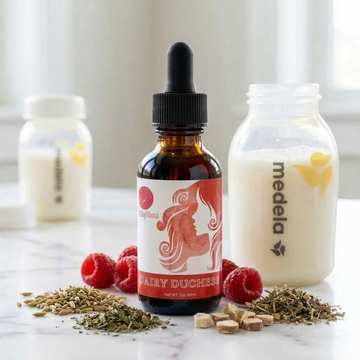
Milky Mama Dairy Duchess Raspberry Breastfeeding Sup...
$27.00
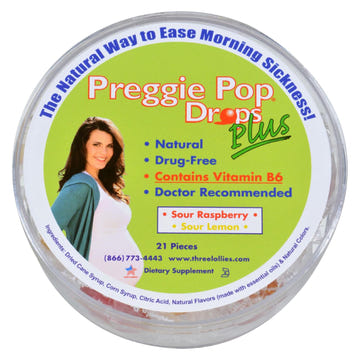
Preggie Drops Plus Morning Sickness Relief Lollies, ...
$12.59
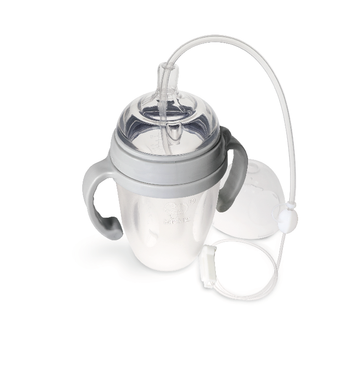
Haakaa Supplemental Feeding Combo 250ml Bottle with ...
$32.99
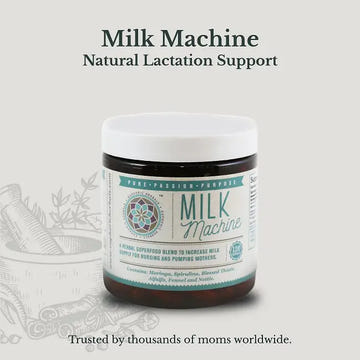
Euphoric Herbals Milk Machine lactation supplement 2...
$19.99
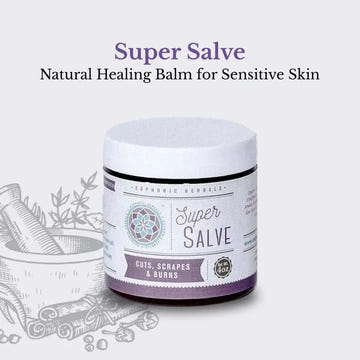
Euphoric Herbals Super Salve Nursing Salve no essent...
$10.00