


You just saw the two lines — and suddenly, everything feels different.
Whether you’ve been waiting for this moment or still letting it sink in, the first trimester can feel like a storm of emotions: excitement, disbelief, exhaustion, and quiet joy all at once.
Those first 12 weeks are full of invisible work — most of it happening quietly inside your body. You may not see much change on the outside, but inside, a complete transformation has begun.
🌿 What’s Happening in the First Trimester
From the very start, your body begins one of the most extraordinary processes in nature — the creation of new life.
Every cell, every heartbeat, every system in your body is adapting to support what’s growing inside you.
-
Hormones rise rapidly.
hCG (the pregnancy hormone) doubles every few days early on. Progesterone and estrogen climb too, helping your uterus prepare and nurture the developing embryo. -
The placenta starts forming.
Within just weeks, your body begins building the placenta — an entirely new organ designed to protect and feed your baby. It’s as if your body quietly decided to become an architect overnight, constructing the bridge between your world and theirs. -
Your blood volume increases.
By the end of the first trimester, you’ll have up to 50% more blood than usual. Your heart is working harder to carry oxygen and nutrients to both of you — a powerful reminder that even when you’re resting, your body is performing miracles.
That’s why people often say, “your body is working harder than ever.”
Even when you’re still, your cells are dividing, organs are forming, and a heartbeat smaller than a pea is learning to keep time with your own.
💭 How You Might Feel
You might wake up queasy, crave naps in the middle of the day, or feel more emotional than ever.
It can be disorienting — your body feels different, your energy fluctuates, and your emotions swing between joy and worry.
But remember this: everything you feel right now has a reason.
The fatigue, the mood changes, even the nausea — they’re all signs that your body is adjusting beautifully.
You are doing enough simply by letting it happen.
Rest isn’t giving up; it’s participating in the miracle.
🩺 Doctor Appointments & What to Expect
Most first prenatal appointments happen between 6–8 weeks.
Your doctor may confirm your pregnancy with an ultrasound or a blood test and review your general health.
If you don’t have a provider yet, you can contact your insurance company to see which OB/GYNs or midwives are covered under your plan. Making that connection early will help you feel supported throughout your pregnancy.
🎥 Watch & Learn
If you’d like to understand what’s happening inside your body right now, this video from Nurse Dani at Intermountain Healthcare offers a clear, compassionate overview of the first trimester:
🔗 What to Expect in the First Trimester | Pregnancy Guide (Intermountain Healthcare)
It’s one of the most helpful, down-to-earth explanations we’ve found — walking you through what your body is doing, what you might feel, and why every change has a purpose.
Sometimes, hearing it explained calmly by a nurse makes everything feel less overwhelming — and reminds you that what’s happening inside you is truly extraordinary.
Picks From This Story
Picks related to this guide, ready to ship from Moogco.

Sunflower Motherhood Morning Sickness Box nausea rel...
$65.00
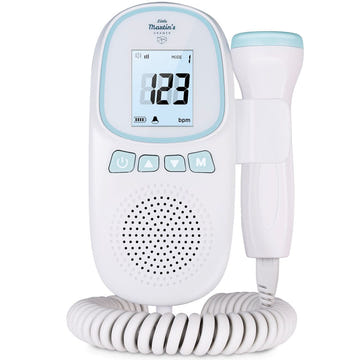
Little Martin's Portable Fetal Doppler USB Rechargea...
$69.99
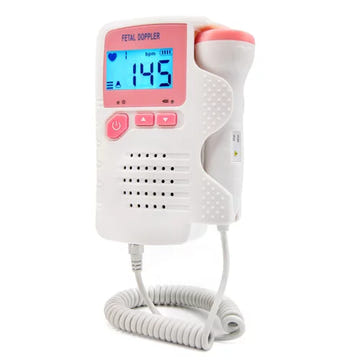
Little Martin's Drawer SpringBud FD-200B Fetal Doppl...
$52.99
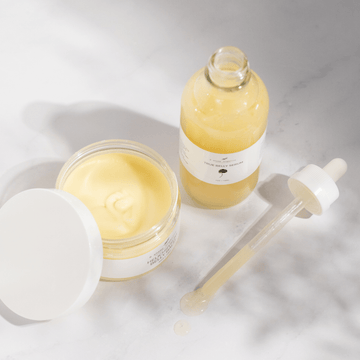
2-Step Stretch Mark Prevention Bundle
$69.00

Aquasonic 100 Ultrasound Transmission Gel
$6.99
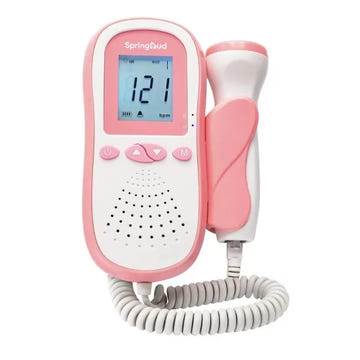
Little Martin's Drawer SpringBud FD-500B Fetal Doppl...
$59.99
🌸 A Gentle Reminder
You don’t need to have everything figured out right now.
The first trimester is often messy, emotional, and full of unknowns — but within that uncertainty, something sacred is happening.
Your body is creating life, adapting in ways you can’t see, and balancing two heartbeats at once. That’s nothing short of a miracle.
So take a deep breath. Be kind to yourself.
You are already doing something extraordinary — and it’s only just beginning.
Bring this guide home with 20% off.
Use code MOM20 for 20% off →
Frequently Asked Questions
When should I schedule my first prenatal appointment?
Most providers recommend scheduling your first appointment between 6 and 8 weeks after your last menstrual period, though some may see you earlier if you have concerns or a history of complications. If you don't have an OB/GYN yet, contact your insurance to find covered providers, or look for a local midwife or clinic. Getting established early helps you access the care and guidance you need throughout your pregnancy.

Is it normal to feel exhausted all the time in the first trimester?
Absolutely. Your body is working incredibly hard even when you're resting, your blood volume is increasing, hormones are surging, and your body is building the placenta from scratch. That kind of invisible work takes enormous energy. Listen to your body, rest when you can, and remember that fatigue in the first trimester is one of the most common and normal experiences.
Bumps, postpartum, and back again
Maternity and nursing wear that actually fits
Take 20% off at checkout, applied automatically when you shop through this link.
Shop with MOM20 →Free US shipping over $100. Code applies automatically at checkout.
More Related Picks
A few more favorites from the same collection.
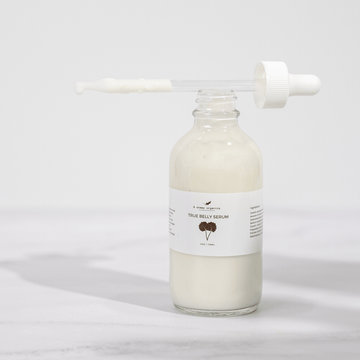
True Belly Serum
$47.00

8 Sheep Organics Organic Sleepy Body Lotion for Preg...
$29.00

LL Medico McKesson Abdominal Binder Small Medium Whi...
$14.99

SUNVENO 2-in-1 Postpartum Belt Wrap Waist Waist Belt...
$34.99

Baby Jolie Paris Triple Action Stretch Marks Cream 7...
$29.99

Preggie Drops Plus Morning Sickness Relief Lollies, ...
$13.75
What does hCG do during early pregnancy?
hCG, or human chorionic gonadotropin, is the hormone that pregnancy tests detect. It rises rapidly in the first weeks and helps maintain progesterone production, which supports the uterine lining and keeps the pregnancy going. hCG levels doubling every few days is a healthy sign of early development. It's also one of the hormones thought to contribute to nausea in the first trimester.
Why do I feel so emotional in the first trimester?
The hormonal surge in early pregnancy, especially estrogen and progesterone, affects your brain chemistry and can amplify emotions. Add in the fatigue, physical changes, and life adjustments happening all at once, and it's completely natural to feel more tearful, anxious, or overwhelmed. You're not overreacting, you're adjusting to one of the biggest transformations your body will ever go through.
Can I exercise during the first trimester?
In most cases, yes, especially if you were active before pregnancy. Gentle movement like walking, swimming, prenatal yoga, or modified strength training can support your energy and mood. That said, every pregnancy is different, so check with your provider before starting or continuing any exercise routine. If you're feeling exhausted or nauseous, it's also okay to rest and move less during these early weeks.
What should I avoid eating in the first trimester?
It's best to avoid raw or undercooked meats, unpasteurized dairy, deli meats unless heated, raw fish like sushi, and high-mercury fish like swordfish or king mackerel. Also steer clear of alcohol and limit caffeine to about 200 mg per day. These precautions help reduce the risk of foodborne illness and protect your baby's development during this critical stage.
Do I need to take prenatal vitamins if I feel fine?
Yes, prenatal vitamins, especially those with folic acid, are important even if you feel healthy. Folic acid helps prevent neural tube defects and supports early brain and spine development, often before you even know you're pregnant. A good prenatal also provides iron, calcium, and other nutrients that support your growing baby and your changing body throughout pregnancy.
How much weight should I gain in the first trimester?
Most people gain between 1 and 5 pounds during the first trimester, though some lose weight due to nausea or food aversions. Weight gain during this phase is usually minimal because the baby is still very small. Focus more on nourishing your body with what you can tolerate and staying hydrated. Your provider will help guide healthy weight gain as your pregnancy progresses.
From Moogco Studio
Printable and personalized nursery essentials. Designed by moms for moms.


About the Editor
Eda Ulger is the editor at Moogco Baby and a mom of two. She curates and edits our guides so every piece is honest, practical, and genuinely helpful for the early days of motherhood.
Shop This Story
Picks related to this guide, ready to ship from Moogco.

bbhugme Pregnancy Pillow Dusty Olive Adjustable Firm...
$219.00

Popped Witch Hazel Foam with Aloe 5 fl oz Postpartum...
$12.99

Mother Mother Magnesium Oil Spray 4 oz glass bottle
$34.00

Mother Mother Face + Belly Oil 1 oz glass dropper bo...
$36.00

Euphoric Herbals Womb Wellness Prenatal Tea Organic ...
$24.99

Cozy Farm Deva Prenatal Vegan Multivitamin 90 Tablets
$16.60

Nēmah Renewing Scar Cream for Pregnancy Breastfeedin...
$34.00

Hello Postpartum All-Natural Whipped Tallow Belly Bu...
$40.00

The Spoiled Mama Tummy Butter for Stretch Marks 4 oz...
$45.00

bbhugme Pregnancy Pillow Stone Adjustable 5-Point Su...
$219.00