



If you’re a breastfeeding mom, you may have noticed that your baby sometimes seems gassy, uncomfortable, or fussy. Gas is quite common in newborns and infants, and while it’s not usually a sign of a serious problem, it can be distressing for both you and your baby. Understanding why gas happens and how to alleviate it can make feeding times more enjoyable and peaceful.
In this post, we’ll explore the possible causes of gas in breastfed babies, how to soothe a gassy baby, and steps you can take to minimize discomfort.
What Causes Gas in Breastfed Babies?
Gas is a normal part of the digestive process, but there are several factors that can lead to an excess buildup of gas in babies:
-
Air Swallowing: Babies can swallow air while breastfeeding, especially if they are feeding quickly, have a shallow latch, or are crying. This air gets trapped in their digestive system, leading to gas.
-
Oversupply of Milk: If you have an oversupply of breast milk, your baby may end up swallowing more air as they struggle to keep up with a fast flow. They may also get more foremilk (the milk that comes at the start of a feeding), which is higher in lactose and can lead to more gas.
-
Maternal Diet: Some foods in a mom’s diet may cause gas in babies, although this varies greatly from one child to another. Common culprits include dairy products, caffeine, spicy foods, and cruciferous vegetables like broccoli and cauliflower.
-
Digestive Immaturity: Newborns have immature digestive systems, which means they are still learning to process and break down milk. This can cause gas as their tummies work to figure it all out.
How to Relieve Gas in Breastfed Babies
If your baby seems uncomfortable or fussy due to gas, there are several things you can try to bring them some relief:
-
Burp Your Baby Regularly
- Burping helps release any air that your baby may have swallowed while feeding. Try burping them halfway through a feeding and again at the end. Experiment with different burping positions to see what works best. Some babies need to be burped more often than others, so watch your baby’s cues.
-
Check the Latch
- A proper latch is key to minimizing air intake. Make sure your baby’s mouth covers a large part of the areola, not just the nipple. If you’re unsure about your baby’s latch, a lactation consultant can offer guidance.
-
Try Different Feeding Positions
- Sometimes, changing how you hold your baby can help reduce gas. Try positions like the football hold, laid-back breastfeeding, or side-lying to find what works best for both of you.
-
Massage Your Baby’s Tummy
- Gentle tummy massages can help move trapped gas through the digestive system. Try massaging in a clockwise direction, or use the “bicycle legs” method by gently moving your baby’s legs in a cycling motion.
-
Keep Your Baby Upright After Feeding
- Holding your baby upright for 20-30 minutes after feeding can help reduce gas. This allows the milk to settle in their stomach and reduces the chances of air being trapped.
-
Consider Using Moogco Silver Nursing Cups
- While primarily designed for nipple relief, Moogco Silver Nursing Cups can help support breastfeeding mothers by promoting comfort during feeding. When moms are more comfortable, they can focus on ensuring a good latch and an overall better feeding experience for both themselves and their babies.
Adjusting Your Diet: What Foods Might Cause Gas?
While research doesn’t conclusively link specific foods in a mother’s diet to gas in breastfed babies, some parents report that eliminating certain foods helps reduce their baby’s gas. If you suspect a particular food is causing your baby’s discomfort, try eliminating it from your diet for a few weeks to see if there’s an improvement.
Common foods that might contribute to gassiness include:
- Dairy products (milk, cheese, yogurt)
- Caffeine (coffee, tea, chocolate)
- Spicy foods
- Onions and garlic
- Cruciferous vegetables (broccoli, cabbage, cauliflower)
- Citrus fruits
It’s important to remember that every baby is different. What affects one baby may not affect another, so it’s all about finding what works for you.
When to See a Doctor
Most gas is normal and will resolve on its own as your baby’s digestive system matures. However, if your baby is consistently uncomfortable, cries excessively, or shows signs of other issues (like blood in their stool, a distended abdomen, or isn’t gaining weight properly), it’s best to consult with a pediatrician. These could be signs of a food allergy or intolerance, such as lactose intolerance or a sensitivity to proteins found in certain foods.
Conclusion
Gas can be a normal part of infancy, but that doesn’t mean you have to live with it. By taking steps to improve your baby’s latch, experimenting with different feeding positions, and watching for any foods that might be causing issues, you can help your little one find relief.
Remember, there’s no one-size-fits-all solution, and it might take some time to discover what works best for your baby. With patience, observation, and a little bit of trial and error, you can make breastfeeding a more comfortable experience for both of you.
If you’re ever feeling unsure, don’t hesitate to seek support from lactation consultants or pediatricians. They can offer practical advice and peace of mind, so you can focus on enjoying those precious moments with your baby.
Bring this guide home with 15% off.
Use code HAPPYSPRING for 15% off →
Featured pick from Moogco
The Original Silver Nursing Cups with Silicone Pads
$62.90 $74.90
Shop this pick → Frequently Asked Questions
How long does it take for a gassy episode to pass in a breastfed baby?
Most gassy episodes resolve within a few hours, especially with gentle tummy massage, bicycle legs, or upright holding. If your baby experiences prolonged discomfort lasting more than a day or seems to be in significant pain, it's worth checking in with your pediatrician. Every baby is different, so some may pass gas more easily than others.

Can overactive letdown cause gas in my breastfed baby?
Yes, an overactive letdown or fast milk flow can cause your baby to gulp and swallow extra air during feeding, leading to more gas. Try nursing in a reclined position or allowing your baby to come off the breast when the flow is strongest. You can also hand express a bit before latching to slow the initial flow.
Curated by moms, vetted by lactation pros
Picks From This Story
Picks related to this guide, ready to ship from Moogco.

momjug breastfeeding water bottle 50oz double-wall s...
$49.99
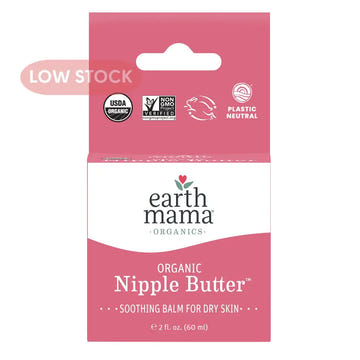
Organic Nipple Butter™ - Double-Sided for Kids
$14.99
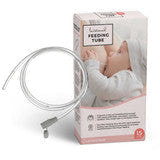
Bae & Bee Boutique LactTube 5FR Pediatric Feeding Tu...
$3.00
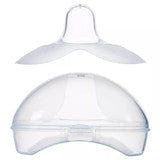
Bae & Bee Boutique Cherry Shaped Nipple Shield 21mm ...
$14.00
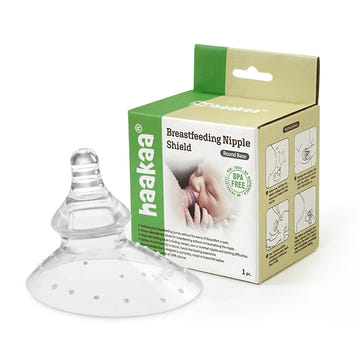
Haakaa Silicone Breastfeeding Nipple Shield Round Sh...
$19.05
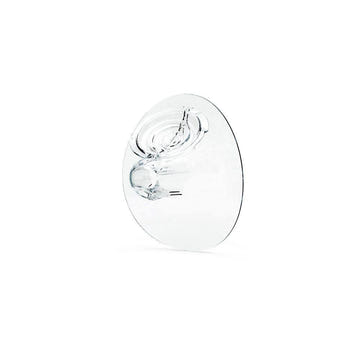
Healthy Horizons Elvie Pump Breast Shields 2 Pack 21...
$29.99
Everything for the breastfeeding journey
Take 15% off at checkout, applied automatically when you shop through this link.
Shop with HAPPYSPRING →Free US shipping over $100. Code applies automatically at checkout.
Is it normal for my baby to pass gas frequently while breastfeeding?
Yes, it's completely normal for babies to pass gas often, sometimes even during or right after a feeding. Their digestive systems are still maturing and learning to process breast milk efficiently. As long as your baby is gaining weight and seems generally happy, frequent gas is usually not a concern.
Should I eliminate all dairy from my diet if my baby is gassy?
Not necessarily. While some babies are sensitive to dairy proteins, most gassy babies are not reacting to mom's diet. Before eliminating dairy, try adjusting latch and feeding positions first. If you suspect dairy is the issue, eliminate it completely for two to three weeks and monitor your baby's symptoms before reintroducing it.
Can I give my breastfed baby gripe water for gas relief?
Some parents find gripe water helpful, but it's best to consult your pediatrician before introducing any supplement to your baby. Many gas issues can be resolved through improved latch, burping techniques, and feeding adjustments. Your doctor can help you determine if gripe water or other remedies are appropriate for your baby's specific situation.
More Related Picks
A few more favorites from the same collection.

Mila's Keeper Silicone Breast Milk Bottle 6 oz Stand...
$36.00
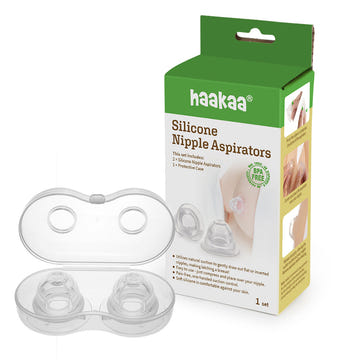
Haakaa Silicone Inverted Nipple Aspirators 2 pk
$17.99
bbhugme Pregnancy Pillow Dusty Olive Adjustable Firm...
$219.00
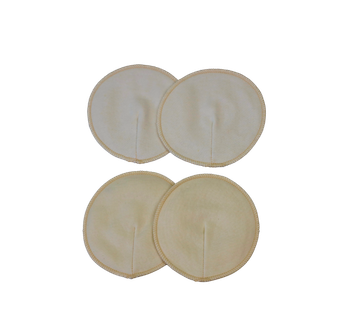
Babee Greens Contoured Nursing Pads 1 Pair Organic C...
$7.25
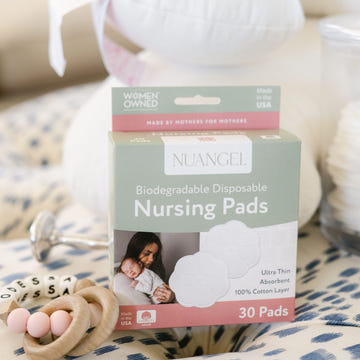
NuAngel Plant-based Disposable Nursing Pads individu...
$9.99
Zomee Breast Pumps Nursing Pads 100 or 200 count
$2.99
Does foremilk and hindmilk imbalance really cause gas in babies?
An imbalance can contribute to gas in some cases. If your baby gets mostly foremilk, which is higher in lactose, they may experience more gas and green, frothy stools. This often happens with oversupply or frequent breast switching. Try nursing longer on one side before switching to ensure your baby gets the fattier hindmilk.
At what age do breastfed babies typically outgrow excessive gas?
Most babies see improvement around three to four months as their digestive systems mature and they become more efficient eaters. By six months, many babies experience significantly less gas. However, every baby develops at their own pace, and some may improve sooner or take a bit longer.
Can probiotics help reduce gas in my breastfed baby?
Some research suggests that infant probiotics may help with digestive comfort and gas, but results vary. Always consult your pediatrician before giving your baby any supplement, including probiotics. They can recommend specific strains and dosages that are safe and appropriate for your baby's age and health needs.
From Moogco Studio
Printable and personalized nursery essentials. Designed by moms for moms.


About the Editor
Eda Ulger is the editor at Moogco Baby and a mom of two. She curates and edits our guides so every piece is honest, practical, and genuinely helpful for the early days of motherhood.
Shop This Story
Picks related to this guide, ready to ship from Moogco.

Holistic Lactation Advanced Lactation Formula 30 Ser...
$34.99
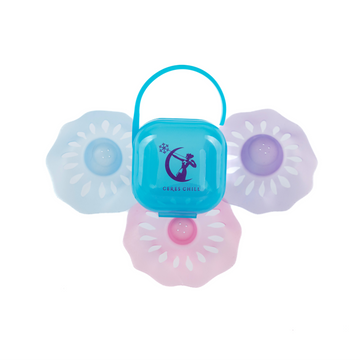
Ceres Chill Shield Maiden Nipple Shields 2pc or 3pc ...
$14.50

WishGarden Herbs Milk Rich Supply Booster pump top b...
$26.99

Wendy Anne Lounger Slip Cover Organic Cotton Waterpr...
$49.00
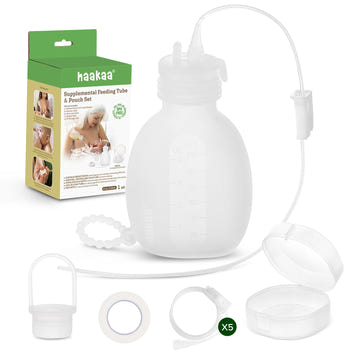
Haakaa Supplemental Feeding Tube and Pouch Set Size ...
$33.99

Milky Mama Dairy Duchess Raspberry Breastfeeding Sup...
$27.00

Preggie Drops Plus Morning Sickness Relief Lollies, ...
$13.75
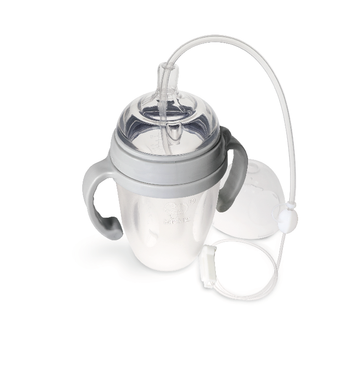
Haakaa Supplemental Feeding Combo 250ml Bottle with ...
$32.99

Euphoric Herbals Milk Machine lactation supplement 2...
$19.99

Euphoric Herbals Super Salve Nursing Salve no essent...
$10.00