


Every parent has experienced those moments when their baby seems uncomfortable, wriggling and fussing due to trapped gas. Gas in babies is common, especially in the early months when their digestive systems are still developing. While it’s a normal part of infancy, knowing how to relieve your baby’s discomfort can make life easier for both of you.
Signs Your Baby Might Be Gassy
Babies can’t tell you what’s wrong, but there are clues:
- Excessive Fussiness: Crying or fussiness during or after feedings.
- Tummy Tightness: A firm, swollen abdomen.
- Frequent Burping or Flatulence: If your baby is passing gas frequently, it could indicate trapped air.
- Pulling Legs to Chest: Babies often instinctively curl up to relieve tummy discomfort.
Simple Tricks to Relieve Gas
1. Burp Frequently
Burping helps release trapped air swallowed during feeding. Burp your baby halfway through and after each feeding to reduce discomfort. Try different positions: over-the-shoulder, sitting upright on your lap, or lying on their tummy across your knees.
2. Tummy Time
Placing your baby on their tummy encourages gas movement. Even short sessions throughout the day can help expel trapped air while strengthening their neck and shoulder muscles.
3. Bicycle Legs
Lay your baby on their back and gently move their legs in a bicycle motion. This action helps release trapped gas and soothes an upset tummy.
4. Warm Compress or Bath
A warm compress or bath can relax your baby’s abdominal muscles, easing gas pains. Use a warm towel or give your baby a soothing bath to calm them down.
5. Adjust Feeding Techniques
For breastfeeding moms, ensure a good latch to minimize the amount of air your baby swallows. For bottle-fed babies, try slow-flow nipples and keep the bottle tilted to reduce air intake.
The Role of Maternal Diet
If you’re breastfeeding, your diet can sometimes contribute to your baby’s gassiness. Common culprits include:
- Dairy
- Cruciferous Vegetables (broccoli, cauliflower)
- Caffeine
- Spicy Foods
If you suspect something in your diet is causing issues, try eliminating it for a few days and observe any changes.
The Role of Moogco Silver Nursing Cups
Comfort during breastfeeding plays a vital role in reducing stress for both you and your baby. Moogco Silver Nursing Cups are designed to provide relief from sore nipples, a common concern for nursing moms. By using these eco-friendly, chemical-free cups, you promote natural healing, making feeding times more comfortable. When you’re comfortable, your baby will likely latch better, reducing the chances of swallowing excess air that leads to gas.
When to Seek Medical Advice
While gas is normal, persistent or severe discomfort may signal something more serious, such as:
- Reflux
- Lactose Intolerance
- Milk Protein Allergy
If your baby’s gas is accompanied by extreme crying, vomiting, or a refusal to eat, consult your pediatrician for further guidance.
Picks From This Story
Picks related to this guide, ready to ship from Moogco.

momjug breastfeeding water bottle 50oz double-wall s...
$49.99
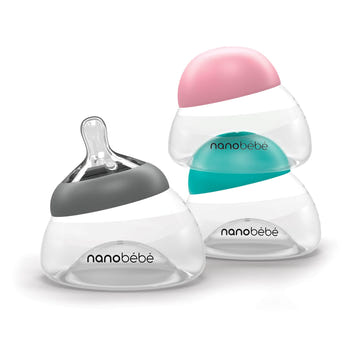
Nanobébé Breastmilk Baby Bottle 5 oz Pack Options Pi...
$16.99
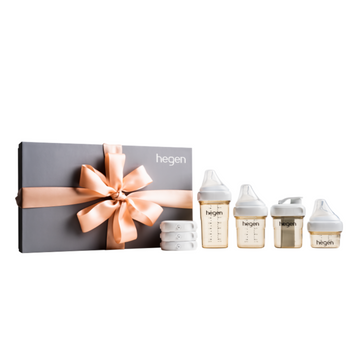
hegen PPSU Essentials Kit 60ml 150ml 240ml baby bottles
$99.99
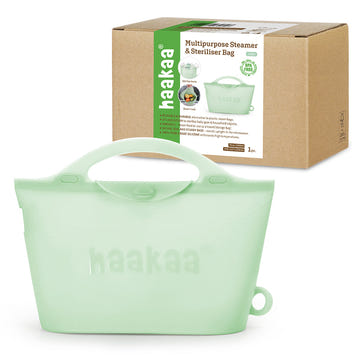
Haakaa Multipurpose Steamer & Sterilizer Bag 3 sizes...
$14.99
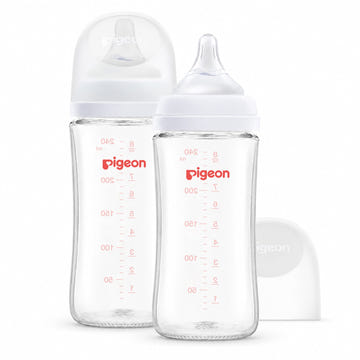
Pigeon Glass Wide Neck Baby Bottle 2-Pack 8.1 oz 3+ ...
$35.99
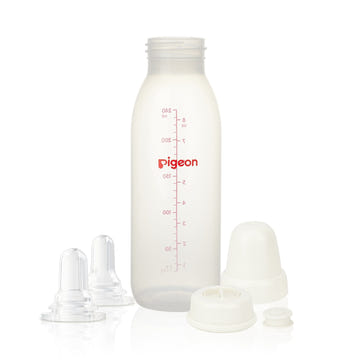
Pigeon Baby Cleft Lip/Palate Bottle 8.11 Oz 2 Nipples
$19.90
Final Thoughts
Dealing with a gassy baby can be challenging, but these simple techniques can help bring relief. By paying attention to feeding habits, adjusting your baby’s position, and using soothing methods, you can reduce their discomfort. Remember, a calm and comfortable feeding experience benefits both you and your baby, making these precious moments more enjoyable.

Bring this guide home with $15 off.
Use code MAMA15 for $15 off →Frequently Asked Questions
How long after feeding should I wait before doing tummy time with my gassy baby?
Wait at least 30 to 45 minutes after a feeding before placing your baby on their tummy. Doing tummy time too soon after eating can cause spit-up or discomfort. Short sessions of 3 to 5 minutes are perfect for helping release trapped gas while building strength.

Can swaddling make gas worse for my baby?
Yes, swaddling too tightly around the belly can trap gas and make your baby uncomfortable. If you swaddle, make sure there's enough room around the hips and tummy for your baby to move their legs freely. A looser swaddle or a sleep sack that allows leg movement can help gas pass more easily.
Free US shipping over $100
Real essentials, picked by real moms
Take $15 off at checkout, applied automatically when you shop through this link.
Shop with MAMA15 →Free US shipping over $100. Code applies automatically at checkout.
Is it normal for my baby to pass gas 20 or more times a day?
Absolutely. Newborns and young babies commonly pass gas 15 to 20 times or more each day as their digestive systems mature. As long as your baby is feeding well, gaining weight, and not showing signs of distress, frequent gas is completely normal.
More Related Picks
A few more favorites from the same collection.
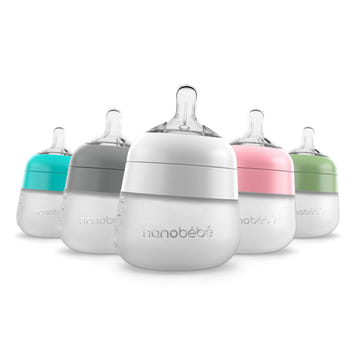
Nanobébé Flexy Silicone Baby Bottle 5oz
$16.99
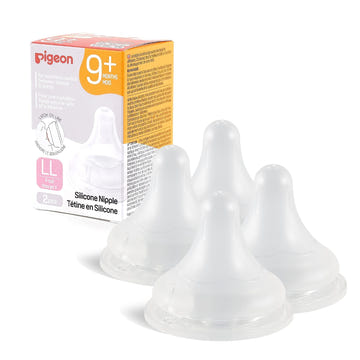
Silicone Nipple (LL), 9+ Months
$21.99

Nanobébé Silicone Anti-Colic Baby Bottle Nipples Gen...
$5.99
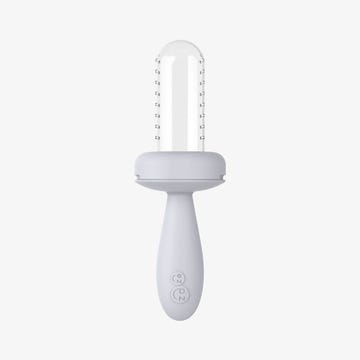
ezpz Baby-Led Gumline Feeder silicone pouch for baby...
$13.99
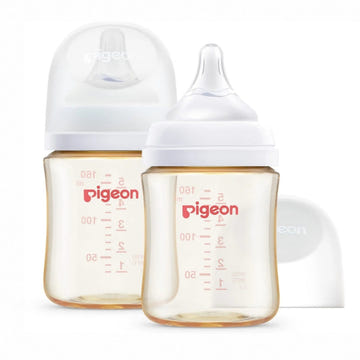
Pigeon PPSU Wide Neck Baby Bottle 2 Pack 5.4 oz Newborn
$34.99
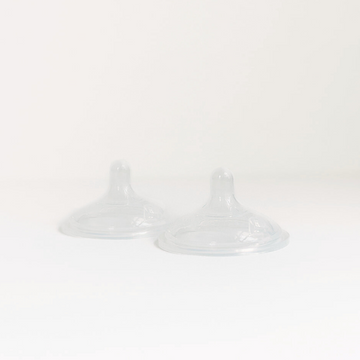
Mason Bottle Silicone Nipples 2 Pack Regular-Mouth B...
$12.99
What's the best feeding position to reduce gas in my baby?
Keep your baby's head elevated above their stomach during feedings, whether breastfeeding or bottle feeding. This position helps milk flow down naturally and reduces the amount of air swallowed. For breastfeeding, a laid-back or cradle hold works well, and for bottles, keep the nipple full of milk to avoid air pockets.
Do certain formulas cause more gas than others?
Some babies are sensitive to certain formula ingredients, particularly cow's milk protein or lactose. If you suspect formula is causing excessive gas, talk to your pediatrician about trying a sensitive or hypoallergenic formula. Never switch formulas frequently without medical guidance, as it can take a few days for your baby's system to adjust.
Should I eliminate dairy from my diet if my breastfed baby has gas?
Not necessarily right away. Gas is common in all babies, and dairy isn't always the cause. If you notice a pattern of severe fussiness, diarrhea, or blood in the stool along with gas, discuss a trial elimination with your doctor. Keep a food diary to help identify potential triggers before making big dietary changes.
How can I tell if my baby's gas is a sign of reflux?
Reflux often comes with additional symptoms beyond gas, such as frequent spit-up, arching of the back during or after feeds, refusing to eat, or poor weight gain. If your baby seems in pain when lying flat or cries excessively after every feeding, consult your pediatrician to rule out reflux or other digestive issues.
Can a pacifier help or hurt when my baby has gas?
Pacifiers can be soothing, but prolonged sucking may cause your baby to swallow extra air, worsening gas. Use pacifiers strategically for calming between feedings, but avoid offering them constantly. If your baby seems gassier with pacifier use, try reducing how often you offer it and observe any changes.
From Moogco Studio
Printable and personalized nursery essentials. Designed by moms for moms.


About the Editor
Eda Ulger is the editor at Moogco Baby and a mom of two. She curates and edits our guides so every piece is honest, practical, and genuinely helpful for the early days of motherhood.
Shop This Story
Picks related to this guide, ready to ship from Moogco.
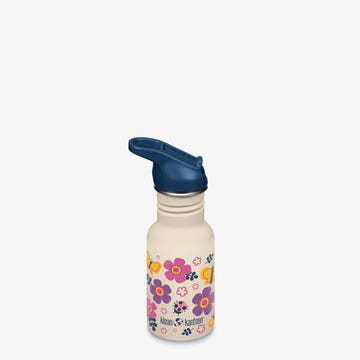
Klean Kanteen 12oz Kid's Classic Bottle Flip Seal Sp...
$17.95
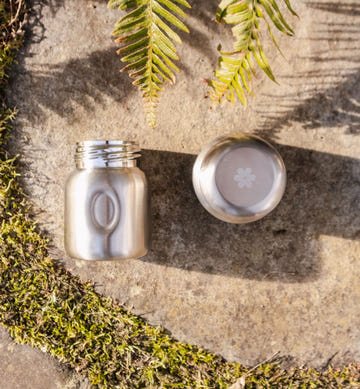
better baby care Better Baby Bottle Pair Plastic-free
$45.00
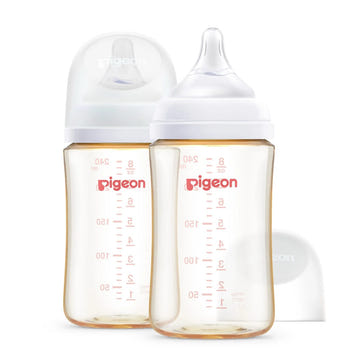
Pigeon PPSU Wide Neck Baby Bottles 2 Pack 8.1 oz 3+ ...
$35.99
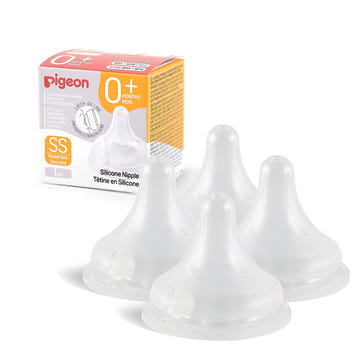
Pigeon Silicone Nipple SS 0+ Months Latch-On Line An...
$22.99
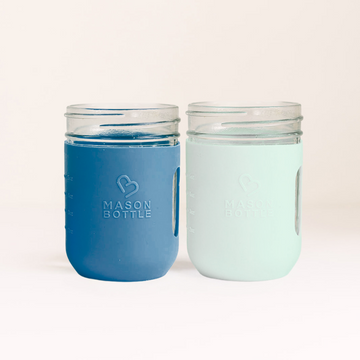
Mason Bottle Silicone Sleeve 2-Pack Fits 4 oz and 8 ...
$16.99
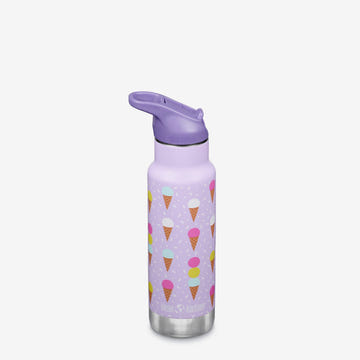
Klean Kanteen 12oz Kid's Classic Insulated Bottle Fl...
$25.95
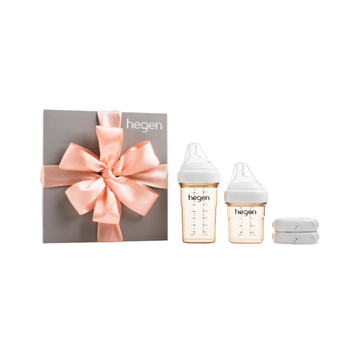
hegen PPSU Baby Bottle Starter Kit 150ml 240ml 0-6 m...
$59.99
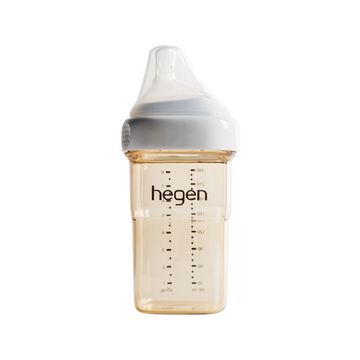
hegen PPSU Anti-Colic Baby Bottle 240ml White Medium...
$24.99
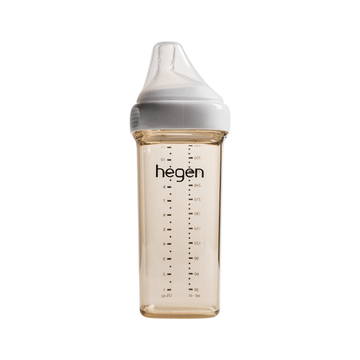
hegen PPSU Anti-Colic Baby Bottle 330ml 11oz White F...
$27.99
ezpz Baby-Led Tiny Spoons infant self-feeding spoons
$15.99