


Trying to figure out how many diapers you'll need can feel like you're trying to solve a complex math problem. But let's simplify it: a brand-new baby typically goes through 8-12 diapers a day.
As they get a little older, that number drops to about 6-8 per day. When you add it all up, you're looking at somewhere between 2,500 and 3,000 diapers for the first year alone. That number gives you a fantastic starting point for planning.
Your Quick Guide to Diaper Math
Let's be real, staring at a wall of diaper boxes at the store can feel a little intimidating, especially with everything else on your baby shopping list. The truth is, there’s no magic number that fits every baby. It all depends on their unique little system—how they eat, how fast they grow, and even whether you're using cloth or disposables.
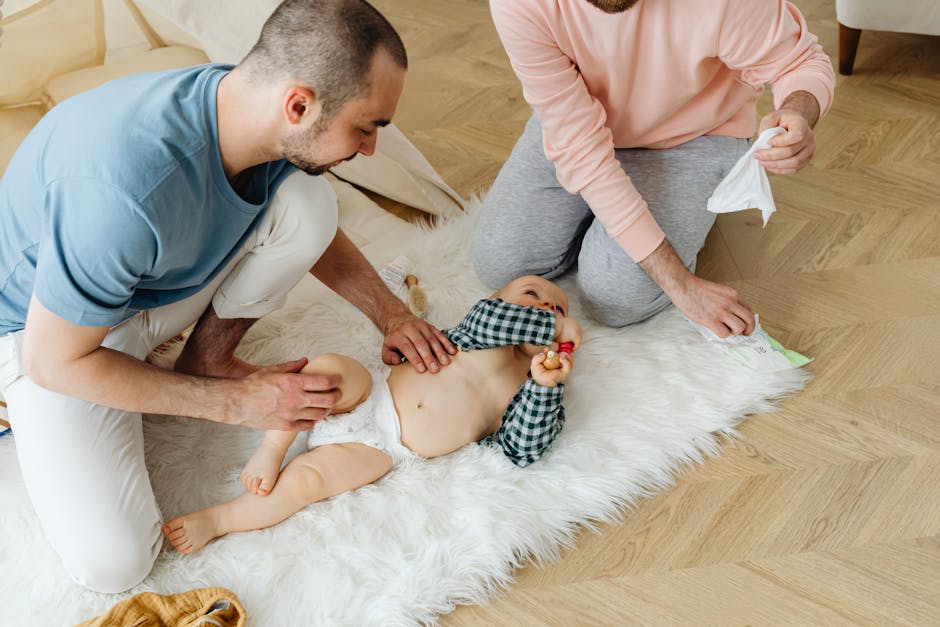
But you don't have to guess. Getting a handle on the averages makes planning a whole lot easier. Think of it like packing for a vacation: you figure out what you need per day and then toss in a few extras, just in case.
Rash-fighting picks moms reorder
Everything for diaper duty
Take $15 off at checkout, applied automatically when you shop through this link.
Shop with READER15 →Free US shipping over $100. Code applies automatically at checkout.
Those first few weeks with a newborn are a world of their own. With tiny bladders and around-the-clock feedings, you'll be on diaper duty constantly. It's not uncommon for parents to change up to 3,000 diapers in that first year, with newborns needing a fresh one every two to three hours. It sounds like a lot, but you'll quickly get the hang of it!
Diaper Needs At A Glance By Baby's Age
To save you from those dreaded midnight diaper runs, it helps to have a rough idea of what you'll need. This little cheat sheet breaks it down so you can stock up smartly without going overboard on one size your baby will outgrow in a flash.
| Baby's Age | Average Diapers Per Day | Estimated Diapers Per Month |
|---|---|---|
| Newborn (0-1 Month) | 10 - 12 | 300 - 360 |
| Infant (1-5 Months) | 8 - 10 | 240 - 300 |
| Infant (6-12 Months) | 6 - 8 | 180 - 240 |
Keep this table handy as your go-to reference for building a diaper stash. It’s a great visual for how quickly things change as your little one grows, helping you plan your purchases month by month.
These numbers are a fantastic guide, but always remember to be flexible. Every baby hits milestones on their own schedule! For a complete rundown of everything you’ll need, be sure to check out our comprehensive new baby essentials list.
Picks From This Story
Picks related to this guide, ready to ship from Moogco.
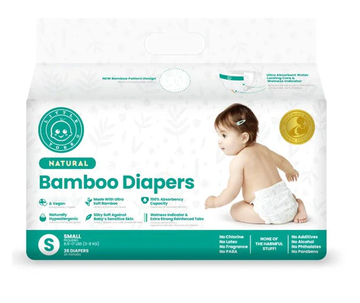
Little Toes Natural Bamboo Diapers 36 Pack
$25.99
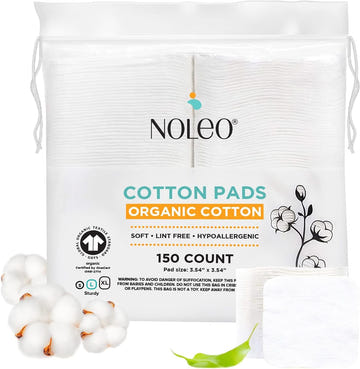
NOLEO Organic Cotton Pads - Large 3.54"x3.54"
$17.95
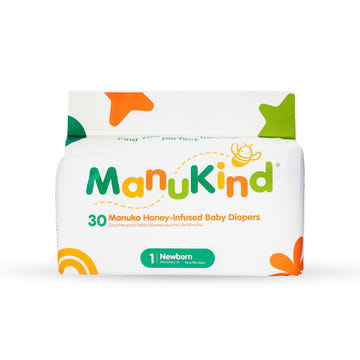
Manukind Premium Manuka Honey Diapers
$19.99
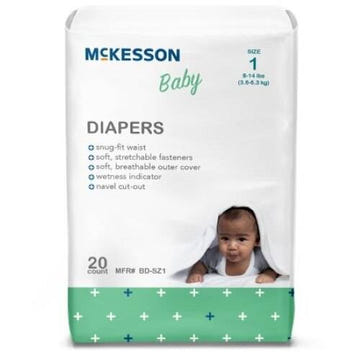
LL Medico McKesson Size 1 Baby Diapers 20ct Bag Blue...
$9.99
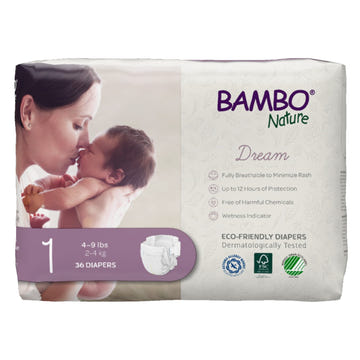
LL Medico Bambo Nature Dream Size 1 Eco-Friendly Dia...
$17.99
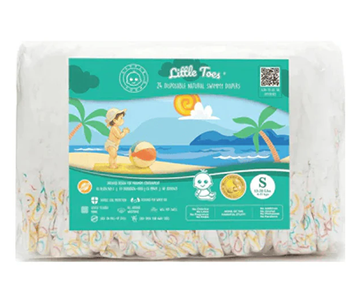
Little Toes Natural Disposable Swim Diapers 24-Pack
$18.99
Your Month-By-Month Diaper Breakdown For The First Year
Feeling a little overwhelmed by the sheer number of diapers you'll need? Let's break it down into manageable chunks. This is your roadmap for your baby's entire first year, helping you figure out how many diapers to plan for and when you might need to size up.
This visual gives a great bird's-eye view of how your baby's diaper usage will shift from those tiny newborn days all the way into their toddler years.
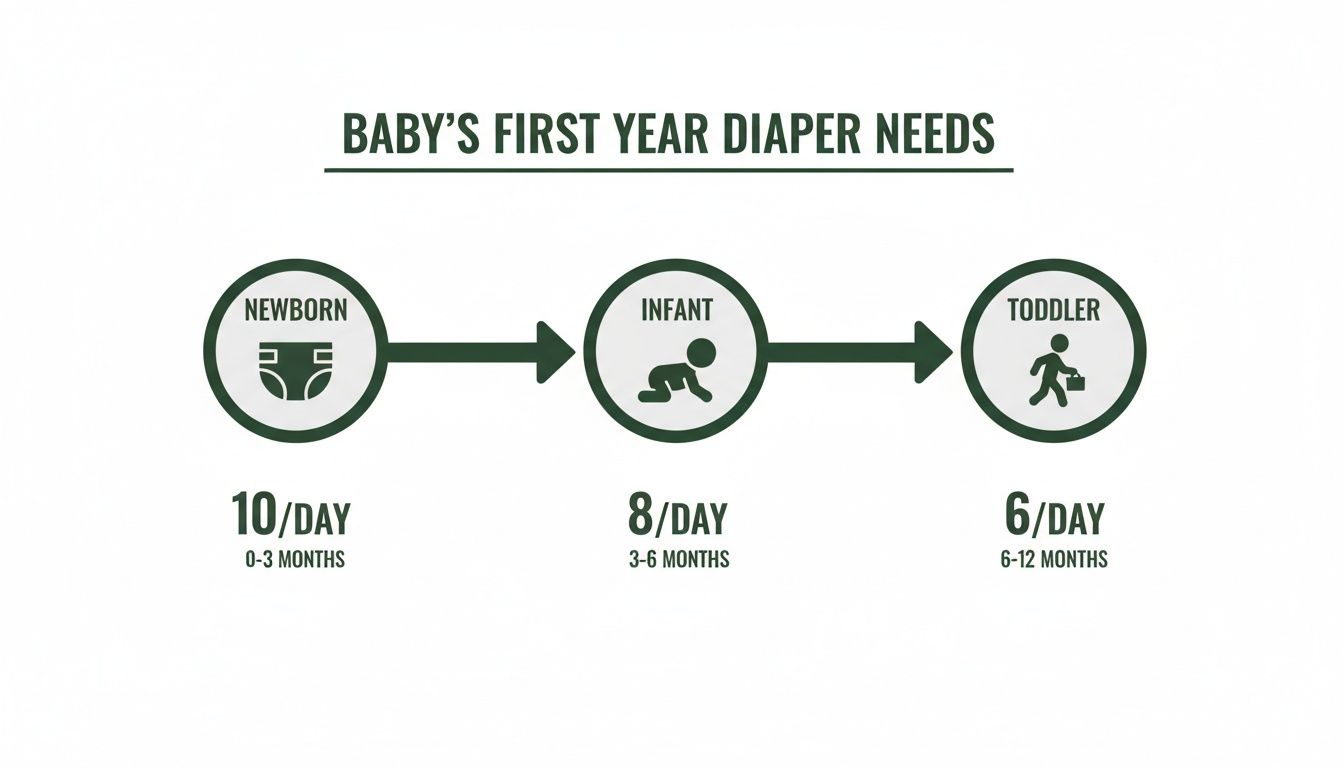
As you can see, the most intense period is right at the beginning. The good news is that the changes gradually become less frequent as your little one grows.
The Newborn Blizzard (Months 0-1)
Welcome to the whirlwind! Newborns have tiny bladders and are eating around the clock, which means one thing: you'll be changing diapers constantly. Seriously. Expect to use 10-12 diapers per day during this initial phase.
It sounds like a lot, but this frequency is completely normal and actually a good sign. It's not unusual for a baby to go through 2,750 to 3,000 diapers in their first year alone. That's because they can have up to 8-10 wet diapers and 3-4 soiled ones every single day at the start.
Settling In (Months 2-5)
As your baby’s bladder grows and their digestive system starts to mature, you'll notice things calm down a bit. During this stage, you can typically expect to use 8-10 diapers per day.
This is also when you'll likely make your first size transition. Most babies will move from Newborn size to Size 1 around the one-month mark, and then into Size 2 a couple of months later. Pay attention to the weight guidelines on the box, but also watch for tell-tale signs like frequent leaks or red marks on your baby's skin.
On The Move (Months 6-12)
Once your baby starts sitting up, crawling, and trying solid foods, their diapering needs change again. Solid food often means fewer (but more... substantial) poopy diapers. You can plan on using about 6-8 diapers per day from here on out.
Growth spurts can be a little less predictable now, so it’s wise to only keep one large box of your baby's current size on hand. This keeps you from getting stuck with a pile of diapers that no longer fit. For a refresher on the basics, check out our guide on Diapering 101 for New Parents.
To help you visualize your first year's supply, we've put together this handy table. It breaks down the numbers month by month, giving you a solid starting point for planning.
Estimated Diaper Needs and Sizes For The First Year
| Month | Baby's Avg. Weight (lbs) | Estimated Diaper Size | Diapers Per Month |
|---|---|---|---|
| 0-1 | Up to 10 | Newborn, Size 1 | 300 - 360 |
| 2-3 | 10 - 14 | Size 1, Size 2 | 240 - 300 |
| 4-5 | 14 - 18 | Size 2, Size 3 | 240 - 300 |
| 6-8 | 16 - 24 | Size 3 | 180 - 240 |
| 9-12 | 20 - 28 | Size 3, Size 4 | 180 - 240 |
Remember, these numbers are just estimates! Every baby grows at their own unique pace, so think of this chart as a flexible guide, not a strict rule. The real key is to stay one step ahead without over-committing to a single size.
How to Build the Perfect Diaper Stockpile
Every expectant parent dreams of a perfectly organized nursery, and a big part of that vision is often a neat stack of diapers, ready to go. Building a diaper stockpile before your baby arrives is one of the smartest things you can do, but there’s a right way and a wrong way to go about it. Get it wrong, and you could end up with a closet full of diapers your baby outgrew weeks ago.
Think of it like stocking your kitchen pantry before a big snowstorm. You wouldn't just buy a year's supply of flour, right? You'd get a balanced mix of essentials you know you'll use over time. The same logic applies here. The absolute key is to go easy on the Newborn and Size 1 packs—babies rocket through those sizes faster than you can believe. Focusing your energy (and budget) on the larger sizes is a much safer bet.
A Smart Stockpiling Framework
So, what does a "balanced" stockpile actually look like? While every baby grows at their own pace, you can follow a pretty reliable blueprint. A great starting point is to limit yourself to just one or two small boxes of Newborn diapers and build up from there.
Here’s a simple game plan to guide your shopping:
- Newborn Size: Grab 1-2 small boxes, which is about 140 diapers total. Many babies are only in this size for a few weeks, and some bigger babies skip it entirely!
- Size 1: Plan on 2-3 large boxes. This size usually fits for the first month or two.
- Size 2: This is where you can start to stock up a bit more. 4-5 large boxes is a solid goal, as this size often lasts from about 3 to 8 months.
- Size 3 & Up: Once your baby hits Size 3, their growth starts to slow down. You can feel much more confident buying these sizes in bulk, especially when you spot a great sale.
Of course, as you’re planning your diaper stash, you're probably also thinking about where to put everything else. It's the perfect time to get organized. If you're wondering how to best store baby clothes and other gear, a little planning now will save you a ton of stress later.
Making Your Baby Registry Work For You
Your baby registry is your secret weapon for building a diaper supply without spending a fortune. Instead of leaving it up to chance, you can gently guide your friends and family toward what you really need. A super popular—and effective—idea is to host a "diaper raffle" at your baby shower. It’s fun for guests and incredibly helpful for you.
You can also be direct right on the registry itself.
Pro Tip: Don't be shy about asking for a "diaper fund" or gift cards to your favorite baby store. This gives you total flexibility to buy the right sizes and brands when you need them, which is a lifesaver if your baby has sensitive skin or outgrows a size overnight.
Beyond Diapers: A Story of Breastfeeding Success
Getting ready for a new baby is about so much more than just diapers. For many new moms, the breastfeeding journey can bring its own challenges, like unexpected nipple soreness. This is exactly what happened to Sarah, a new mom determined to breastfeed her daughter.
Just a week in, she was in excruciating pain. It got so bad that she started to dread feedings and was close to giving up and switching to formula. On a friend's recommendation, she decided to try Moogco Silver Nursing Cups.
She was amazed. Within just a day of using the silver nursing cups, she felt incredible relief. The natural healing and antimicrobial properties of the 925 silver soothed her skin and allowed her to heal between feedings. Thanks to that one little discovery, Sarah was able to continue breastfeeding confidently and, most importantly, pain-free. It’s a powerful reminder that having the right tools on hand makes all the difference.
Thinking ahead about what you'll need on the go is just as important. For a complete rundown, check out our guide on what to pack inside the diaper bag.
More Related Picks
A few more favorites from the same collection.
LL Medico Sleep Overs Youth Incontinence Pants moder...
$12.99
LL Medico Cutie Training Pants Boys 3T/4T 32-40 lbs
$14.99
LL Medico Cutie Training Pants Girls 2T/3T up to 34 lbs
$14.99
LL Medico Cutie Training Pants Girls 3T/4T 32 to 40 lbs
$14.99
LL Medico Cutie Training Pants Boys 4T/5T Soft Stret...
$14.99
LL Medico Cutie Training Pants Boys 2T/3T Customized...
$14.99
Choosing Between Disposable and Cloth Diapers
The big "how many diapers do I need?" question takes a sharp turn once you get to this classic debate: disposable or cloth? This one decision really changes the game—it impacts your budget, your daily routine, and even your environmental footprint. There's no single "best" answer, just the one that fits your family's life.
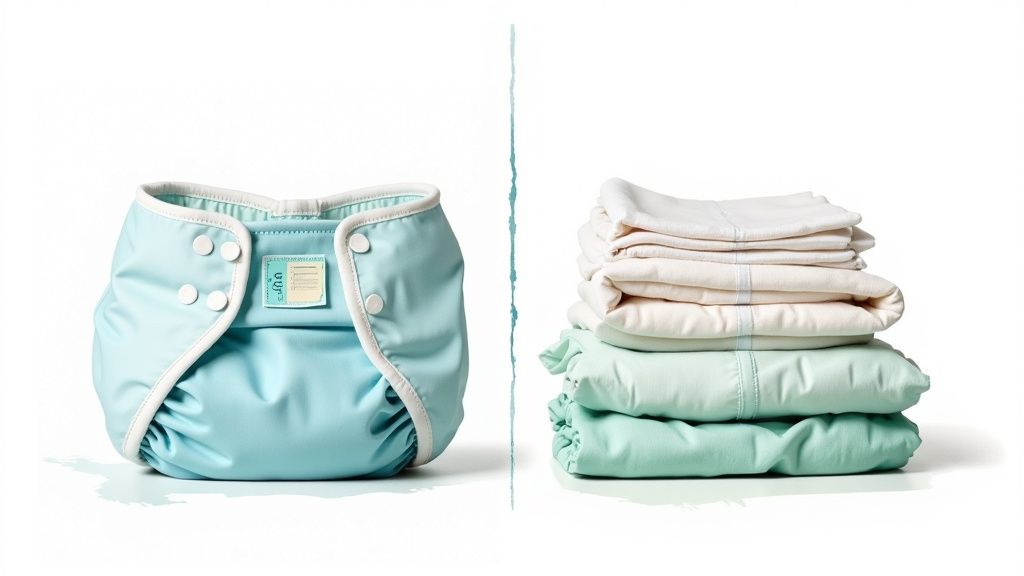
Think of it like deciding between meal prepping for the week or ordering takeout. One takes more work upfront but saves you money and gives you total control, while the other is all about convenience for a higher price tag. Let's dig into what each path really looks like.
The World of Disposable Diapers
Disposables are the definition of convenience. Dirty diaper? You just toss it and grab a fresh one. For exhausted new parents juggling a million other things, that easy-button approach is a lifesaver.
But that convenience has a price, and it's a recurring one. You'll be buying box after box, and the cost can shift depending on the brand, size, and whatever sales are happening. You'll also find different brands have special features, like extra absorbency for overnight or super-soft materials for sensitive skin, which can also nudge the price up.
The main hang-up for many families is the ongoing expense. While disposables are simple, the cost over two or three years can easily add up to thousands of dollars, making it a pretty big line item in the family budget.
Demystifying Cloth Diapers
Going the cloth diaper route is more like a one-time investment that pays off down the road. You’ll buy a "stash" of reusable diapers upfront—which can feel like a big purchase—but it pretty much eliminates the constant need to buy more.
So, how many cloth diapers do you really need? To get started on a wash cycle every 2-3 days, a good stash is somewhere between 24 to 36 diapers. That’s enough to make sure you always have clean ones ready to go while another load is in the laundry.
There are a few different styles, and each has its own little learning curve:
- All-in-Ones (AIOs): These are the most like disposables. The absorbent part is sewn right into the waterproof cover, making them super simple to put on.
- Prefolds and Covers: This is the classic system. You have a rectangular cloth (the prefold) that you fold and pop inside a separate waterproof cover. It's budget-friendly and you can customize the fit and absorbency.
- Pocket Diapers: These have a waterproof shell with a pocket opening where you stuff an absorbent insert. They’re really versatile and dry pretty fast after washing.
The biggest commitment with cloth is, you guessed it, the laundry. It means rinsing solids, storing dirty diapers in a pail, and running a special wash cycle every couple of days. Modern machines and detergents make it way easier than it used to be, but it’s still a chore you'll need to build into your routine. If you're curious about the sustainability side of things, you can learn more about whether reusable diapers are best for the environment in our detailed guide.
How One Mom’s Breastfeeding Journey Was Saved by Silver Cups
When you're expecting, it feels like your entire world revolves around planning. You map out the nursery, you calculate diaper needs, but sometimes the most unexpected challenges are the ones you can't plan for. For moms who decide to breastfeed, the physical side of things can be a real shock, with pain and soreness derailing even the most determined efforts. That's exactly where Sarah's story begins.
Sarah was all in on breastfeeding her newborn daughter. She’d read the books, taken the classes, and felt completely ready for that incredible bonding experience everyone talks about. But reality hit hard. Within the first week, she was dealing with intense nipple soreness that turned every feeding into a painful, tear-filled event. The joy she’d been so excited for was quickly replaced by dread, and she was close to giving up.
Feeling completely defeated, she called a friend who had recently been through the same thing. Her friend's advice was surprisingly simple: try Moogco Silver Nursing Cups. Sarah was skeptical, but at that point, she was willing to try anything.
The Turning Point She Desperately Needed
The results were almost instant. After just one day of wearing the silver nursing cups between feedings, Sarah felt a wave of relief. The natural, soothing properties of the 925 silver calmed her irritated skin, creating a perfect healing environment without any messy creams or ointments. It was such a simple, elegant solution, and it allowed her to heal quickly and, most importantly, comfortably.
What really sealed the deal for Sarah was how effortless they were. She just placed the lightweight cups over her nipples inside her bra, and that was it. The silver nursing cups not only eased the pain but also protected her from the constant friction of her clothes, which meant she could finally continue breastfeeding without the agony that had almost made her stop.
Sarah's story is such a powerful reminder that being prepared isn't just about the obvious stuff. Just like having a solid diaper supply gives you peace of mind, having the right tools for feeding support can completely change the game for a new mom's confidence and well-being.
Why Silver Nursing Cups Are a New Mom's Best Friend
Sarah’s experience really shines a light on a critical part of being ready for a new baby. We spend so much time tracking wet and dirty diapers to make sure our babies are healthy, but it's just as vital for moms to take care of themselves. A successful breastfeeding journey often comes down to finding little things that make it sustainable and comfortable.
Here’s a quick look at why tools like Moogco Silver Nursing Cups are so amazing:
- Totally Natural Healing: Silver is known for its natural antimicrobial and anti-inflammatory properties, which helps you heal without any chemicals.
- Instant Soothing Relief: The cups have a cooling effect that feels incredible on sore, cracked nipples, offering immediate comfort.
- Protection and Prevention: They act as a physical shield against your bra or shirt, preventing more irritation and giving your skin a chance to recover.
- Incredibly Easy to Use: Forget messy creams! These are simple to wear, a breeze to clean, and you can reuse them indefinitely—a lifesaver for a busy new mom.
For Sarah, these little cups weren't just a product; they were the key that unlocked a beautiful, pain-free breastfeeding relationship with her baby. Her journey is proof that thinking ahead about potential challenges and having solutions on hand can make all the difference. So, as you plan your diaper stockpile, don’t forget to add a few essential tools for your own care to the list.
If you're putting together your baby registry or getting ready for your postpartum journey, see how Moogco Silver Nursing Cups can help you reach your feeding goals and give you the comfort you absolutely deserve.
Your Top Diaper Questions, Answered
You’ve done the math, you have a plan, but what about all those little questions that seem to pop up in the middle of the night? Getting ready for a new baby brings a whole new set of "what ifs," and sometimes, the big guides miss the small stuff.
So, let's get into it. We've gathered the most common questions from parents just like you to give you clear, straightforward answers. Think of this as your go-to for troubleshooting the little things with total confidence.
How Do I Know When It's Time to Size Up?
The weight range on the diaper box is a great starting point, but your baby is always the best guide. The most obvious clue? Leaks. If you're suddenly dealing with frequent leaks or those dreaded blowouts, it’s probably time to move up a size.
Look for physical signs, too. Are you seeing red marks around your baby's thighs and waist? That's a classic sign the diaper is too snug. A good rule of thumb is to see if you can comfortably slide two fingers under the waistband. If it’s a tight squeeze, or if the diaper is sitting way below their belly button, it’s definitely time for the next size. Making the switch is often an instant fix for leakage problems.
Should I Even Bother with Newborn Diapers?
It’s always a smart move to have at least one small pack of Newborn (Size N) diapers on hand. While some bigger babies might jump straight into Size 1, most full-term newborns fit into them perfectly for the first few weeks. You really don’t want to be caught without a diaper that fits your tiny new arrival!
My best advice? Don't go all-in and buy a massive box. Just grab a small package or two for the hospital and that first week home. It's much easier to send your partner or a friend out for more if you need them than it is to deal with returning boxes of diapers that your baby has already outgrown.
How Many Diapers Should I Pack in My Bags?
For the hospital, plan on being there for two or three days. Packing 20-30 newborn diapers is a safe bet. Most hospitals will give you some, but having your own means you can use the brand you prefer and you'll have plenty for the trip home.
When it comes to your everyday diaper bag, a good rule is one diaper for every two hours you plan to be out, plus a few extras for good measure. A quick trip to the store? 5-6 diapers should do it. A full day out? Tossing in 10-12 will make sure you’re ready for anything.
And as you're getting your nursery set up, our guide on essential baby changing table dimensions can help you pick the perfect one for your space.
Are Expensive Diapers Really Worth It?
Honestly, this one comes down to your baby and your budget. Premium brands often have fancy features like extra absorbency for overnight, super-soft materials for sensitive skin, or those handy wetness indicators. But you know what? A lot of store brands work just as well for a fraction of the price.
The best way to figure it out is to experiment. Buy small packs of a few different brands and see which one keeps your baby driest and doesn't irritate their skin. What works like a dream for your friend's baby might not be the right fit for yours. A little trial and error can save you a ton of money and frustration.
At the end of the day, the "best" diaper is simply the one that keeps your baby dry, happy, and comfortable. For more tips on keeping that little bottom happy, check out our guide on how to prevent and manage diaper rash.
At Moogco Baby, we know that getting ready for a new baby involves so much more than just diapers. For breastfeeding moms, comfort is everything. That’s why we created our Moogco Silver Nursing Cups—a natural, simple way to soothe and heal sore nipples, so you can focus on what matters most.
Discover the soothing relief of Moogco Silver Nursing Cups today!
Bring this guide home with $15 off.
Use code READER15 for $15 off →
Stocking up? Browse our disposable diapers collection for gentle, reliable picks from bamboo to overnight options. US orders over $100 ship free.
Frequently Asked Questions
Can I buy diapers in bulk to save money without wasting them?
Absolutely, but stick to Size 2 and larger when buying in bulk. Babies stay in these sizes much longer, so your investment is safer. For Newborn and Size 1, buy smaller quantities since babies can outgrow them in just a few weeks. Watch for sales on Size 3 and Size 4 to maximize your savings without the risk.
What if my baby is between sizes on the weight chart?
Go with fit over the number on the box every time. If the current size is leaving red marks on your baby's thighs or waist, it's time to size up, even if they're technically still in the weight range. On the flip side, if you're seeing frequent leaks, the diaper might actually be too big. Trust what you're seeing on your baby's body.
How do I store a large diaper stockpile without taking over my house?
Get creative with your space! Store boxes under the crib, in closet corners, or even under your bed. Keep one open box in your nursery for easy access and rotate from your stockpile as needed. Label boxes by size so you can grab what you need without digging through everything.
Do bigger babies really skip Newborn size diapers completely?
Yes, many babies over 9 pounds at birth go straight to Size 1 diapers. If your ultrasounds are showing a larger baby, or if you had bigger babies before, you might want to skip Newborn size entirely or just buy one small pack as backup. It's totally normal and nothing to worry about.
Should I buy the same brand for every size?
Not necessarily! Many parents find that different brands work better at different stages. A brand that's perfect for your newborn might leak once your baby starts moving around more. Don't be afraid to try different options, especially when you size up, to find what works best for your growing baby.
How can I avoid running out of diapers at 2 a.m.?
Always keep a full backup box of your current size on hand, and reorder when you open it. Set a reminder on your phone or sign up for a subscription service that delivers automatically. Think of it like keeping an extra roll of toilet paper, it's just smart household planning that will save you serious stress.
What should I do with diapers my baby outgrew before opening the box?
Most major retailers will let you exchange unopened boxes for a different size, even without a receipt, though you might get store credit instead of cash. You can also donate unopened boxes to local diaper banks, shelters, or churches. Never let them go to waste when other families can use them!
Does starting solids really change how many diapers I'll need per day?
Yes, once your baby starts eating solid foods around 6 months, you'll typically see fewer poopy diapers overall as their digestion matures. The consistency changes too, which often means fewer blowouts. You'll still need about 6 to 8 diapers daily at this stage, but the overall pattern definitely shifts from those early newborn days.
From Moogco Studio
Printable and personalized nursery essentials. Designed by moms for moms.


About the Editor
Eda Ulger is a co-founder of Moogco Baby, the editor of the Moogco Baby Journal, and a mom of two. She curates and edits our guides so every piece is honest, practical, and genuinely helpful for the early days of motherhood.
Shop This Story
Picks related to this guide, ready to ship from Moogco.
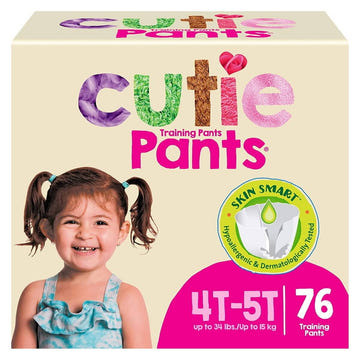
LL Medico Cutie Training Pants Girls 4T/5T Cottony S...
$14.99
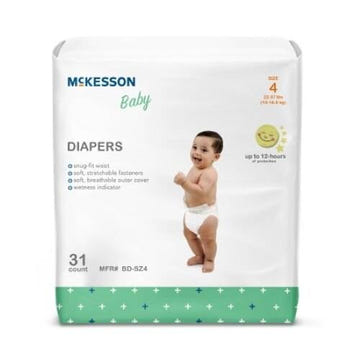
LL Medico McKesson Baby Diapers Size 4 31 per Bag Bl...
$13.99
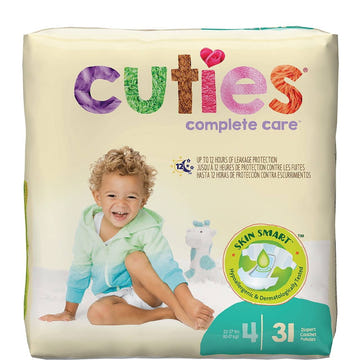
LL Medico Cuties Size 4 Baby Diapers 22-37 lbs Anima...
$15.99
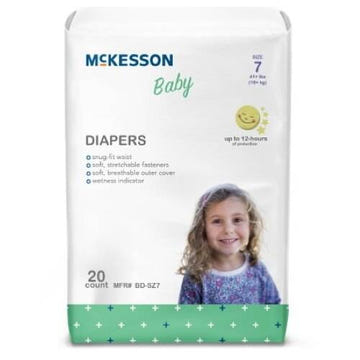
LL Medico McKesson Baby Diapers Size 7 20 per Bag La...
$13.99
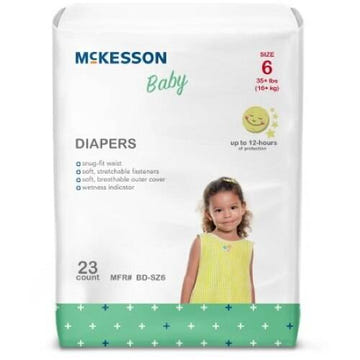
LL Medico Size 6 Baby Diapers 23ct Bag Ladybug Print
$13.99
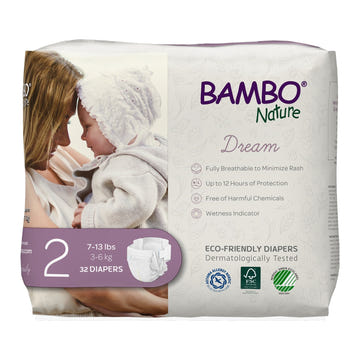
LL Medico Bambo Nature Dream Size 2 Eco-Friendly Dia...
$17.99
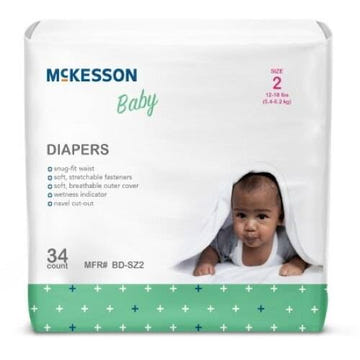
LL Medico McKesson Baby Diapers Size 2 31 per Bag Bl...
$12.99
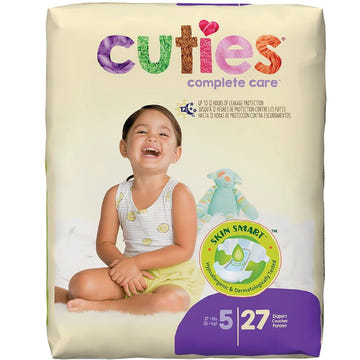
LL Medico Cuties Complete Care Diapers Size 5 for Ba...
$15.99
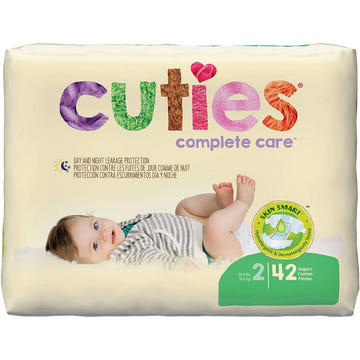
LL Medico Cuties Complete Care Baby Diapers Size 2 1...
$15.99
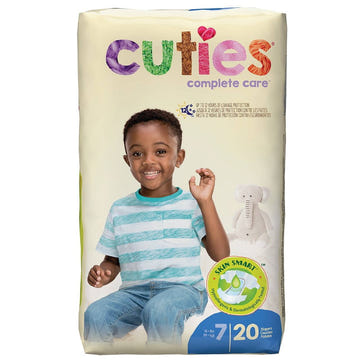
LL Medico Cuties Complete Care Baby Diapers Size 7 4...
$15.99