


When you first bring your newborn home, the list of questions can feel a mile long. High on that list for many new parents is a simple one: "How often should I be giving my baby a bath?"
The answer might surprise you. Unlike our own daily routines, newborns don't need a bath every day. In fact, sticking to just 2-3 baths per week is what most experts recommend. When it comes to your baby's brand-new, delicate skin, less is definitely more.
Understanding Your Newborn’s Bathing Needs
It's easy to see why we might think daily baths are necessary, but baby skin is a whole different world. They aren't getting sweaty from a workout or dirty from playing outside. Their skin is incredibly sensitive and has a natural, protective layer of oils.

Washing too often can strip away these beneficial oils, leaving their skin prone to dryness, irritation, and even conditions like eczema. Sticking to a couple of baths a week is the perfect way to keep them clean without disrupting that delicate balance.
Free US shipping over $100
Real essentials, picked by real moms
Take $15 off at checkout, applied automatically when you shop through this link.
Shop with BABY15 →Free US shipping over $100. Code applies automatically at checkout.
This gentle approach isn't just a suggestion; it's backed by research. A major U.S. study found that most parents naturally landed on this schedule, bathing their newborns an average of just 2.3 times per week. It’s the sweet spot for protecting their developing skin barrier and keeping it soft and healthy.
Newborn Bathing at a Glance
To make things even clearer, here’s a quick cheat sheet for bathing your baby during those first few crucial weeks.
This little table breaks down what to do and when, so you can feel confident you're taking the best care of your little one's skin from day one.
| Baby's Stage | Recommended Frequency | Primary Bath Type | Key Considerations |
|---|---|---|---|
| First 1-2 Weeks | 2-3 times per week | Sponge Bath Only | The umbilical cord stump needs to stay dry until it falls off on its own. |
| After Cord Falls Off | 2-3 times per week | Tub Bath | Time to graduate to an infant tub! Just a few inches of warm water is perfect. |
Remember, keeping your baby clean and comfortable goes beyond just the bath itself. Having the right gentle soaps, soft towels, and lotions on hand makes all the difference. For a complete list of essentials, check out our guide on newborn care products to make sure you're all set.
Why Less Is More for Your Newborn's Delicate Skin
It's one of those first instincts as a new parent: you want to keep your baby perfectly clean and cozy. But when it comes to their brand-new, sensitive skin, a "less is more" approach is actually the kindest and healthiest path.
Believe it or not, your baby is born with their own brilliant, built-in moisturizer called vernix caseosa. It's that waxy, white coating you see right after birth. This amazing substance acts as a natural waterproof barrier, keeping their skin hydrated and protected as they adjust to life outside the womb.
Think of vernix as nature’s perfect skin cream. Bathing too often, especially with soaps, can strip away this precious layer along with the skin's natural, protective oils. It's a surprising fact for many parents, but daily baths can easily lead to dry, irritated skin or even trigger flare-ups of conditions like baby eczema. By bathing them just a few times a week, you’re helping their skin learn to stay soft and healthy all on its own.
The Wisdom in Waiting for the First Bath
This protective mindset is exactly why experts and organizations like the WHO strongly recommend delaying your baby's very first bath for at least 24 hours after birth. Giving them that time offers some incredible benefits beyond just skin protection. It helps your newborn stabilize their body temperature, regulate their blood sugar, and—most importantly—gives you more uninterrupted time for that crucial skin-to-skin bonding.
Unfortunately, this gentle practice isn’t yet standard everywhere. Studies have shown that early bathing is still quite common in some areas. One report, for instance, revealed that 73.1% of new mothers bathed their infants within the first few hours of life, going directly against global health advice. You can learn more about these newborn care findings to understand why delaying that first scrub is so important.
Nurturing Your Newborn and Yourself
Caring for your newborn's skin is a gentle art, and that same thoughtful approach applies to your own postpartum recovery. The early days of parenting are wonderful but demanding, and many new moms find themselves needing extra support—especially when breastfeeding.
Just ask Sarah, a first-time mom who was deeply committed to breastfeeding but found herself struggling with painful, cracked nipples. The discomfort became so intense that she nearly gave up, until a friend suggested a simple, natural solution.
"I was trying every cream out there, but nothing seemed to help enough. The pain was awful. Then I tried Moogco Silver Nursing Cups, and it was a total game-changer. The natural soothing properties of the silver helped me heal between feedings, which gave me the confidence to keep going. Those little cups saved my breastfeeding journey."
Sarah’s story is a powerful reminder that having the right support can make all the difference. Using these silver nursing cups allowed her to overcome a common and painful obstacle, helping her build the beautiful breastfeeding bond she had always hoped for. You can find out more about how Moogco Silver Nursing Cups provide natural relief on our site.
Beyond just bath frequency, choosing the right products is key. Using safe and skin-friendly newborn essentials is paramount for protecting their delicate skin from day one. If you’re looking for more ways to protect your little one, check out our guide on how to care for your baby's delicate skin.
Picks From This Story
Picks related to this guide, ready to ship from Moogco.
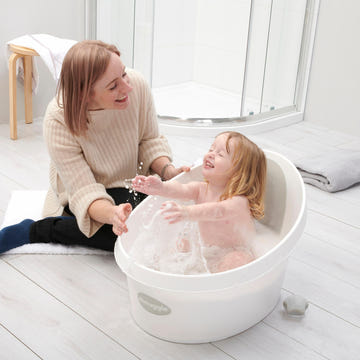
Shnuggle Toddler Bath Tub | Big Bath for bigger kids...
$76.95
BROOKLYN NEUTRAL Green Gingham Splash Pad with Hose ...
$39.99
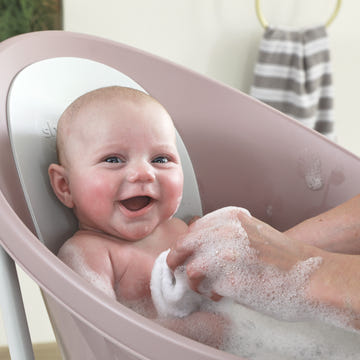
Shnuggle Baby Bath | Newborn baby bath Support with ...
$59.95
M4A Shnuggle Ellie Bath Toy Drying Caddy Elephant Tr...
$29.95
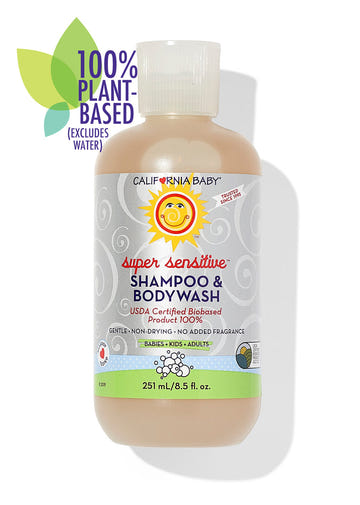
(No Fragrance) Super Sensitive™ Shampoo & Bodywash
$2.99
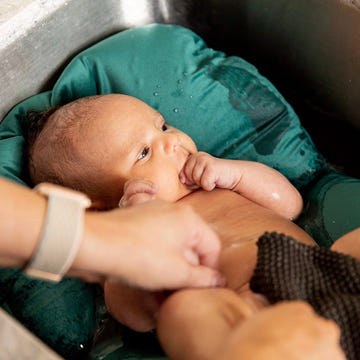
Plum+Sparrow Infant Sink Bather Teal Dream 20 x 14
$45.00
Mastering the Gentle Art of the Sponge Bath
Before you can graduate to those adorable baby tub photos, you’ll start with an essential first step: the sponge bath. For the first couple of weeks, your main job is to wait for the umbilical cord stump to fall off and for the area to heal. That means keeping your baby mostly dry is the top priority. Sponge bathing is the perfect way to get them clean without soaking that sensitive spot.
Think of a sponge bath less like a full-on bath and more like a gentle, targeted cleaning. It’s a calm, controlled way to keep your baby fresh while that little umbilical cord stump does its thing. With a bit of prep, this simple routine can become a sweet and peaceful moment for both of you.
Setting Up for a Stress-Free Sponge Bath
The right environment is everything for a happy bath time. You'll want a warm, draft-free room, since newborns get cold surprisingly fast. Before you even undress your baby, gather everything you need and put it within arm's reach. Trust me, you don't want to be scrambling for a towel with a wet, slippery baby!
Here’s a quick checklist to get you started:
- A soft, flat surface: A changing pad on the floor or a countertop lined with a thick towel works great.
- Two bowls of warm water: One is for washing, and the other is for rinsing. A quick test on your inner wrist will tell you if the water is comfortably warm, not hot.
- A soft washcloth and towel: Have a clean washcloth handy and a hooded towel ready for snuggles afterward.
- Clean clothes and a fresh diaper: This makes for a quick and cozy transition once the bath is over.
The Step-by-Step Guide to a Perfect Sponge Bath
Once your supplies are ready, it's go-time. A great tip is to keep your baby wrapped in a towel, only exposing the part of their body you’re washing at that moment. This helps them stay warm and content.
- Start with the Face: Dip a clean washcloth in plain warm water (no soap needed here!) and gently wipe your baby's face. Begin at the inner corner of their eyes and wipe outward. Make sure to use a different, clean part of the cloth for each eye.
- Wash the Body: Now you can add a tiny drop of a mild, fragrance-free baby wash to your water. Gently clean the rest of your baby’s body, paying special attention to those sneaky skin folds under the neck, behind the ears, and in the groin area where milk and lint love to hide.
- Rinse and Dry: Using a second washcloth dipped in the clean rinse water, gently wipe off any soap. Pat each section completely dry immediately before moving on to the next one.
- Save the Diaper Area for Last: This is a simple but crucial tip to avoid spreading bacteria. Clean this area thoroughly as the final step and pat it dry.
This visual guide perfectly illustrates why a gentle, minimal approach is so good for your newborn's delicate skin.
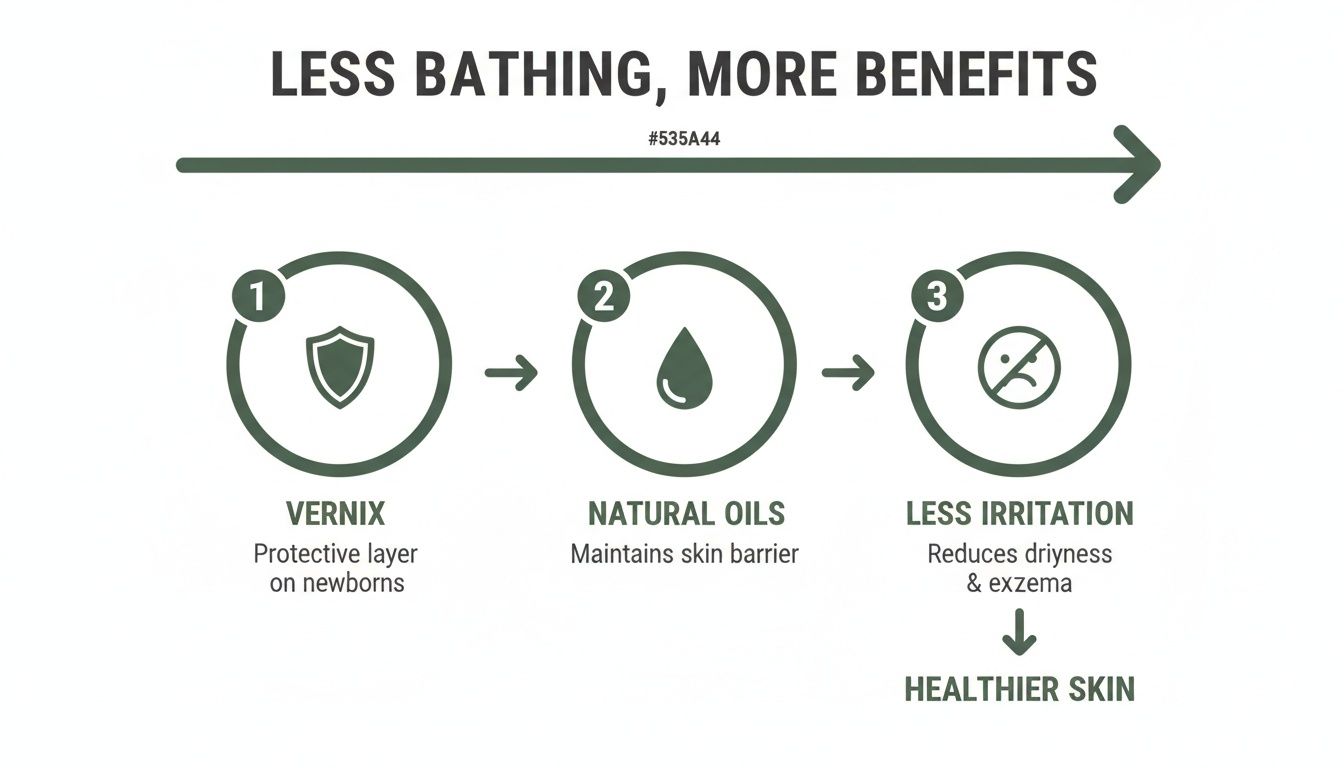
The key takeaway here is simple: preserving their natural vernix and oils with infrequent, gentle bathing is the best way to reduce the risk of skin irritation.
Throughout the whole process, just remember to keep that umbilical cord stump as dry as possible. A careful, gentle approach ensures your baby stays clean, happy, and safe. If you're a visual learner and want an even more detailed walkthrough, you can find great photos and tips in our complete guide on how to bathe an infant step-by-step.
Graduating to the Baby Tub for the First Real Bath
Once that little umbilical cord stump falls off and the area looks nicely healed, you've hit a wonderful milestone—it's time for your baby's first "real" bath in a tub! This moment is so much more than just a cleaning routine. It's a full-on sensory experience filled with tiny splashes, gentle touches, and a whole lot of connection.
Moving from sponge baths to a proper tub bath can feel like a big deal, but I promise, with a little prep, you can make it a safe, soothing, and genuinely joyful experience for both of you.

The key to a happy first tub bath is all in the setup. Pick a warm, draft-free room and get all your supplies within arm's reach before you start. You’ll want a small baby tub (a non-slip surface is a huge plus), a mild, tear-free baby wash, a soft washcloth, and a warm, hooded towel ready for post-bath snuggles.
Setting the Stage for a Perfect Bath
Before you even think about bringing your baby over, fill the tub with just 2 to 3 inches of water. The temperature is so important—it needs to be comfortably warm, never hot. A great old-school trick is to test it with your wrist or elbow; it should feel pleasant and just right. For extra peace of mind, a bath thermometer can confirm it's around 100°F (37.8°C).
With everything set up and ready to go, you can bring your baby to the tub. Remember, a calm and confident vibe from you will help your little one feel safe and secure.
The whole point of a newborn's first tub baths is comfort and a gentle clean, not a deep scrub. Keeping these sessions short and sweet helps your baby get used to the new sensation of being in water, turning bath time into a positive experience right from the start.
This gentle approach isn't just a friendly tip; it's a global standard. A huge survey across 46 countries found that the common practice for newborns is a warm tub bath that lasts no more than 10 minutes. This helps prevent them from getting chilly and keeps them happy. You can discover more about these global newborn bathing insights to see how parents everywhere put safety first.
Your Step-by-Step Tub Bath Guide
Ready to make that first splash? Here’s a simple breakdown to help it all go smoothly.
- Lower Gently: Support your baby’s head and neck with one hand and their bottom with the other. Slowly and gently lower them into the tub, feet first. You'll want to keep a secure, loving hold on them the entire time.
- Keep Them Warm: Use a small cup to continuously pour warm water over their body. This little trick ensures they don’t get chilled while they’re enjoying the bath.
- Wash Softly: With a soft washcloth, gently clean them starting with their face (just use plain water here) and work your way down. Always save the diaper area for last.
Throughout the whole process, your soothing voice and gentle touch are your best tools. For a deeper dive into creating the perfect routine, explore our comprehensive baby bath time guide to making every splash safe and soothing.
One Mom's Breastfeeding Journey: How Moogco Silver Nursing Cups Made All the Difference
The road to parenthood is full of incredible moments and, let's be honest, some pretty tough challenges. For a first-time mom named Sarah, breastfeeding was something she deeply wanted for her baby. But the reality of sore, cracked nipples quickly turned that beautiful goal into a painful struggle.
She was committed, but the pain was becoming unbearable. Sarah tried what felt like every cream and balm on the market, but nothing offered more than a few moments of relief. Right when she felt she was at her breaking point, a friend recommended a simple, natural solution that completely changed her experience: Moogco Silver Nursing Cups.
Though a bit skeptical, she was desperate enough to try anything. She just slipped them inside her bra between feedings and let the cups get to work. The 925 silver has natural antimicrobial and anti-inflammatory properties that created the perfect healing environment, calming her skin and helping it recover in a way no cream ever could.
A Turning Point for Mom and Baby
It only took a couple of days for Sarah to feel a massive difference. The sharp pain started to fade, and that feeling of dread before every feeding was finally replaced by relief and hope. Using the silver nursing cups was so easy it just became a natural part of her daily routine.
"I honestly thought I was going to have to stop breastfeeding. The pain was just too much. Moogco Silver Nursing Cups were a total game-changer. They gave me the ability to heal and the confidence to keep going. They truly saved my breastfeeding journey."
This wasn't just about getting rid of the pain; it was about getting back that beautiful, bonding experience she had always imagined having with her baby. The cups were a real, tangible solution that gave her the strength to get through those tough early weeks. You can dive deeper into how silverette and silver nursing cups work their magic in our guide.
Sarah’s story is such a powerful reminder of how finding the right support at the right time can change everything. By choosing a natural, effective tool, she didn't just heal—she built the lasting breastfeeding bond she'd always dreamed of, giving a little bit of hope to other moms walking that same difficult path.
More Related Picks
A few more favorites from the same collection.
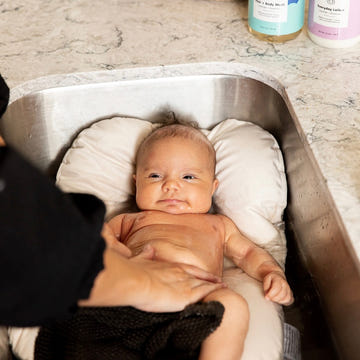
Plum+Sparrow Infant Sink Bather Little Dove 20" x 14"
$45.00
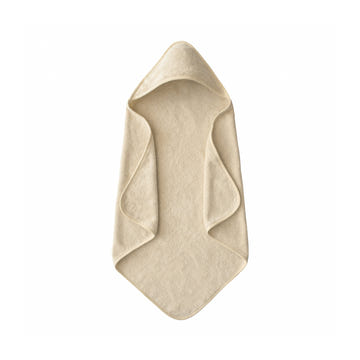
Mushie Organic Cotton Baby Hooded Towel Hooded for B...
$29.99
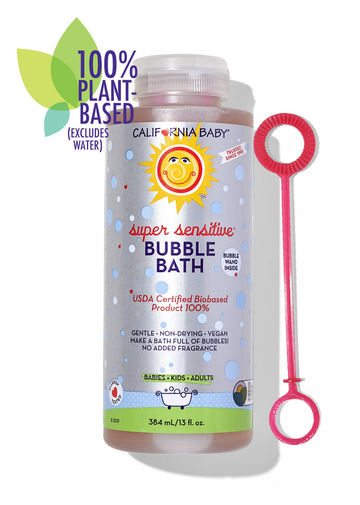
(No Fragrance) Super Sensitive™ Bubble Bath
$1.99
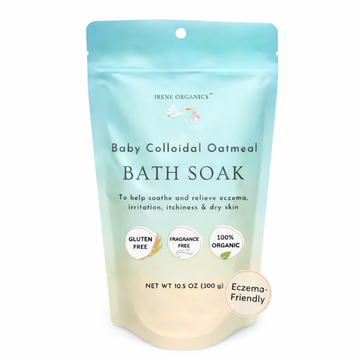
Baby Colloidal Oatmeal Bath Soak
$25.99
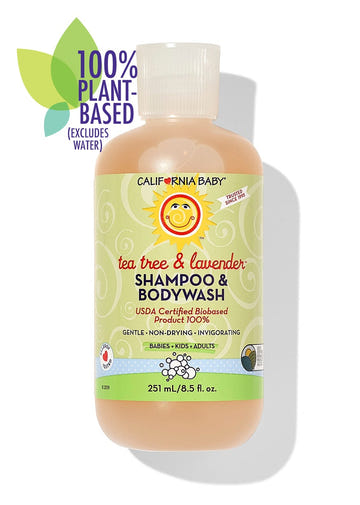
Tea Tree & Lavender™ Shampoo & Bodywash
$2.99
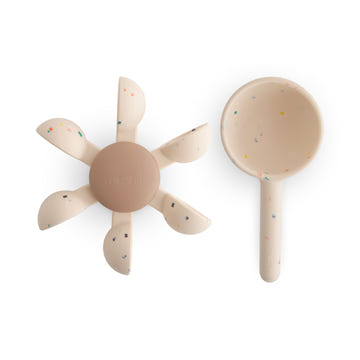
Mushie Water Wheel Bath Toy with Silicone Spoon Suction
$19.99
Your Soothing Post-Bath Routine
What you do after the last splash is just as important as the bath itself. Those few minutes are a golden opportunity to lock in moisture, get your baby all warm and cozy, and really deepen your connection through a calming ritual. A good post-bath routine can turn a simple cleaning into one of the most cherished parts of your day.
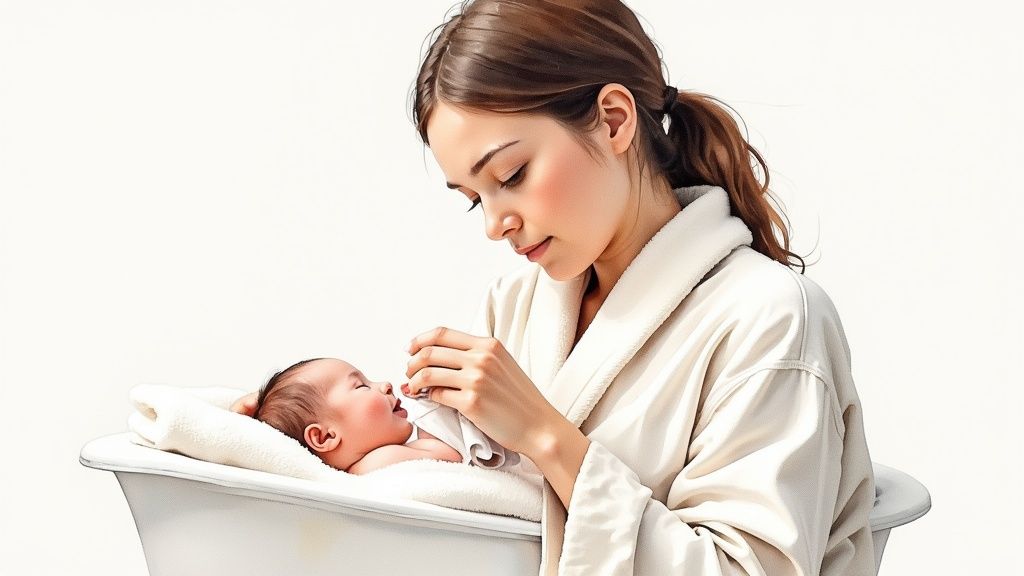
The first thing to do is lift your little one out of the water and immediately wrap them up in a soft, dry, hooded towel. Gently pat their skin dry, paying close attention to all those adorable little skin folds where moisture can hide. Remember to avoid rubbing, as their delicate skin is easily irritated.
Once your baby is mostly dry but still a tiny bit damp, it’s the perfect time to apply a gentle, hypoallergenic lotion. Putting moisturizer on slightly damp skin is the secret to sealing in hydration and protecting their natural skin barrier. This simple step is your best defense against the dryness that can sometimes follow a warm bath.
Creating a Moment of Connection
Want to take it to the next level? A gentle baby massage is a beautiful way to finish things off. With just a small amount of baby oil or lotion, use slow, loving strokes on their legs, arms, and tummy. It’s incredibly relaxing for them and a powerful way for you to bond.
As you finish up, pop on a clean diaper and some comfy pajamas. Make sure the room is a comfortable temperature to keep any post-bath chills away. This whole process, from the first pat of the towel to the final snap of their PJs, transforms bath time from just a task into a truly peaceful event.
Breastfeeding is another powerful bonding experience, but it isn’t always easy and can come with challenges like sore nipples. One mom, Sarah, was on the verge of giving up when she found relief. Moogco Silver Nursing Cups provided natural healing and comfort, allowing her to continue her journey. These silver nursing cups were her secret to comfortably bonding with her baby.
This story is a great reminder that finding the right support—whether for feeding or for bath time—makes all the difference. You can learn more about how Moogco Silver Nursing Cups offer a natural, effective solution for breastfeeding moms.
Common Questions About Newborn Baths
As you get into the swing of things with your new baby, you're bound to have questions. That's totally normal! Getting answers to the most common concerns can help you feel more confident, turning bath time from a potentially stressful chore into a sweet, bonding ritual.
Let's dive into some of the things parents often wonder about.
What Is the Best Time of Day to Bathe My Newborn?
Honestly, there's no single "right" answer here. It really comes down to what works for you and your baby.
Lots of parents find that a warm, soothing bath in the evening is a perfect way to kick off the bedtime routine. It can be a lovely, calming signal that the day is winding down. On the other hand, some babies are at their happiest and most alert in the morning, making it a great time for a splash.
The best time is simply when you aren't rushed and your baby is in a good mood. Just try to avoid bath time right after a big feed or when they're super hungry and getting fussy.
Do I Need to Use Soap for Every Bath?
Nope, definitely not! For the first month or so, plain warm water is perfectly fine for getting your little one clean. In fact, using soap too often can dry out their delicate skin by stripping away its natural, protective oils.
When you do decide to start using a cleanser, look for one that's specifically made for babies—mild, tear-free, and without any added fragrances. A little goes a long way. Just use a tiny bit and focus on the diaper area or any milky messes tucked into those adorable neck folds.
If there's one thing to remember, it's that your newborn's skin is incredibly sensitive. Gentle care, using fewer products, and trusting your gut are your best friends. And if you're ever worried, your pediatrician is always the best person to ask.
Beyond bath time, new parents often wonder about other big milestones. For instance, figuring out when to start tummy time is another important piece of the newborn care puzzle.
What if My Baby Hates Baths?
First off, don't panic! It’s incredibly common for newborns to cry during their first few baths. The feeling of open air and water can be a little shocking for them.
To help make it a better experience, make sure the room is toasty warm and the water is at a comfortable temperature. Some parents have great success with "swaddle bathing"—you wash your baby while they're loosely wrapped in a light blanket, which can help them feel much more secure.
Your calm, soothing presence is the most important thing. Keep your voice soft, the bath short and sweet, and over time, your baby will likely learn to love it.
For mothers navigating the beautiful yet sometimes challenging journey of breastfeeding, having the right support is essential. Moogco Baby offers a natural solution for nipple soreness with our bestselling Moogco Silver Nursing Cups. Discover how these simple, effective cups can help you heal and continue bonding with your baby comfortably at https://www.moogcobaby.com.
Bring this guide home with $15 off.
Use code BABY15 for $15 off →
Setting up your bath station? Browse our bathing essentials collection for supportive tubs, hooded towels, and gentle cleansers. US orders over $100 ship free.
Frequently Asked Questions
Can I bathe my newborn more than three times a week if they have a blowout diaper?
Absolutely! The 2-3 times per week guideline refers to full baths with soap and water. If your baby has a messy diaper situation, you can definitely do a quick spot clean or sponge bath focusing just on the diaper area without it counting as a full bath. Just use warm water and a soft cloth, and save the soap for those regular weekly baths to protect their skin's natural oils.
How warm should the water be for my newborn's bath?
The water should feel comfortably warm to the touch, around 100 degrees Fahrenheit or 37-38 degrees Celsius. The easiest way to test it is on the inside of your wrist or elbow, where your skin is more sensitive. The water should feel warm and pleasant, never hot. Many parents find a bath thermometer helpful for peace of mind during those first few weeks.
Should I moisturize my baby's skin after every bath?
It depends on your baby's skin! If their skin looks or feels dry after a bath, a gentle, fragrance-free baby moisturizer applied within a few minutes can help lock in moisture. However, many newborns have naturally soft, well-moisturized skin and don't need lotion after every bath. Watch for signs of dryness or flaking, and moisturize only when needed to avoid overdoing it.
Is it safe to bathe my newborn if the umbilical cord stump hasn't fallen off yet?
You should stick to sponge baths only until the umbilical cord stump falls off and the area is completely healed. This usually happens within the first two weeks. Keeping the stump dry helps it heal properly and reduces the risk of infection. Once it falls off and the belly button area looks dry and healed, you can move on to gentle tub baths.
Can I add anything to my newborn's bath water to make it more soothing?
For the first few months, plain warm water is really all you need. Avoid adding bubbles, bath oils, or other products, as these can irritate your baby's delicate skin or disrupt their natural protective barrier. If your pediatrician recommends it for specific skin conditions like eczema, colloidal oatmeal baths can be soothing, but always check with your doctor first before adding anything to the water.
How long should a newborn bath last?
Newborn baths should be quick and efficient, usually just 5 to 10 minutes. Babies lose body heat rapidly, so keeping bath time short helps them stay warm and comfortable. The goal is a gentle, thorough cleaning without letting them get chilled. As your baby grows and starts enjoying bath time more, you can gradually extend it to 15 or 20 minutes.
What should I do if my baby's skin becomes dry or irritated even with infrequent bathing?
If you notice dryness or irritation, first make sure you're using a very mild, fragrance-free soap and only applying it to areas that truly need it. You might also try bathing even less frequently, perhaps once a week, and using plain water for spot cleaning in between. If the dryness persists or worsens, reach out to your pediatrician, as it could be a sign of eczema or another skin condition that needs special care.
Do I need to wash my newborn's hair at every bath?
No, you don't need to wash your baby's hair every time you bathe them. Once or twice a week is plenty for most newborns, as their scalps don't produce much oil yet. When you do wash it, use just a small amount of gentle baby shampoo, lather lightly, and rinse thoroughly with clean water. If your baby develops cradle cap, your pediatrician can suggest a specific washing routine to help.
From Moogco Studio
Printable and personalized nursery essentials. Designed by moms for moms.


About the Editor
Eda Ulger is the editor at Moogco Baby and a mom of two. She curates and edits our guides so every piece is honest, practical, and genuinely helpful for the early days of motherhood.
Shop This Story
Picks related to this guide, ready to ship from Moogco.

Mushie Silicone Drain Stopper Set of 2 Bath Covers
$11.99
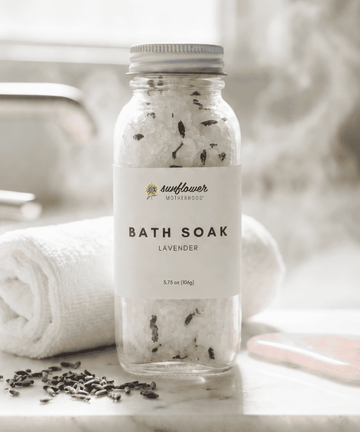
Sunflower Motherhood Bath Soak 3.75 oz Lavender Epso...
$8.00
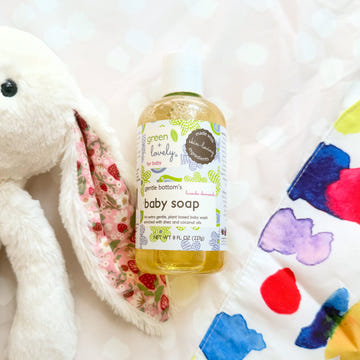
Green + Lovely Gentle Bottom’s Baby Soap Lavender Ch...
$11.50
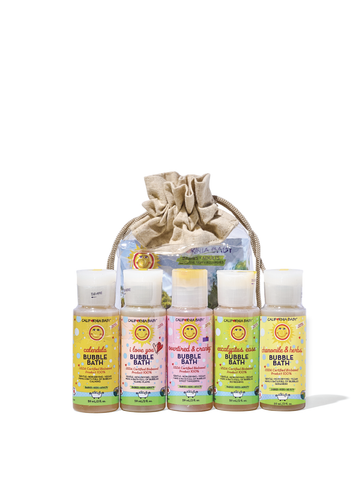
Bubble Bath Scent Sampler
$9.99
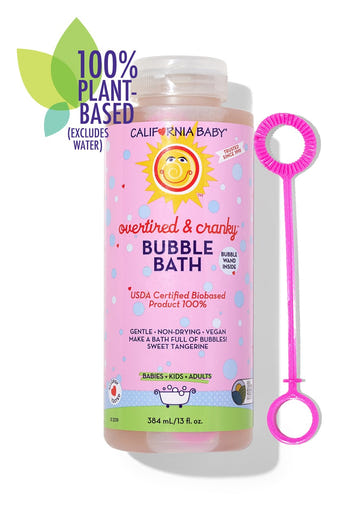
Overtired & Cranky™ Bubble Bath
$1.99
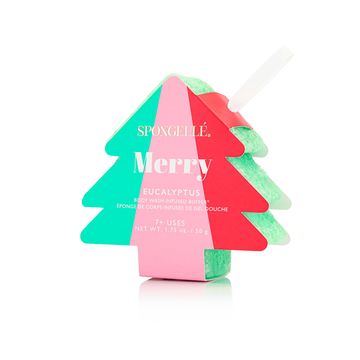
Spongellé Merry Eucalyptus Holiday Tree Body Wash In...
$12.00
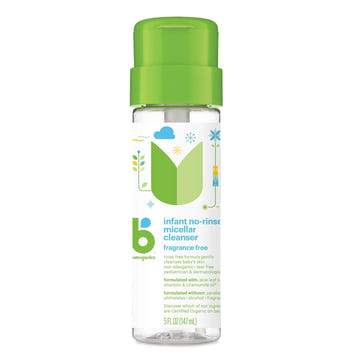
ShopBobbys Babyganics Infant Rinse-Free Micellar Cle...
$2.99
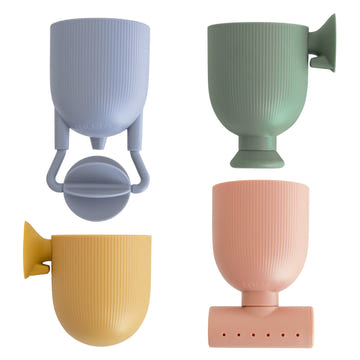
Mushie Pour and Play Bath Set silicone suction pour ...
$16.99
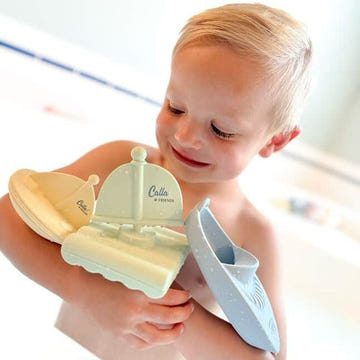
Ryder's Racing Bath Boats
$26.00
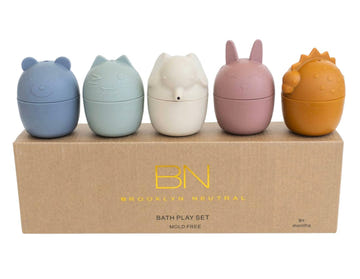
BROOKLYN NEUTRAL Animal Bath Toy Set silicone dishwa...
$22.99