


Your baby’s skin is soft, sensitive, and still developing its protective barrier. That’s why it’s more prone to rashes, dryness, and irritation—especially in the early months. With the right care and gentle products, you can keep your baby’s skin healthy and comfortable every day.
Dr. Elisa Grant, Pediatric Dermatologist:
“Infant skin is thinner and loses moisture more quickly than adult skin. Prevention is key—hydration, mild cleansers, and breathable clothing go a long way.”
Common Baby Skin Issues (and How to Prevent Them)
1. Diaper Rash
-
Caused by moisture, friction, or exposure to urine and stool
-
Prevention:
Pediatrician-friendly favoritesGentle skincare for sensitive skin
Take 25% off at checkout, applied automatically when you shop through this link.
Shop with READER25 →Free US shipping over $100. Code applies automatically at checkout.
-
Use a fragrance-free barrier cream with zinc oxide
-
Let baby air out without a diaper daily

2. Dry, Flaky Skin
-
Especially common in newborns
-
Prevention:
-
Apply a gentle, fragrance-free baby moisturizer after bathing
-
Avoid over-bathing (2–3 times per week is enough for newborns)
3. Baby Acne
-
Hormonal and temporary (often resolves in weeks)
-
Prevention:
-
Keep skin clean with water and a soft cloth
-
Avoid harsh creams or acne treatments
-
Don’t scrub or pick
-
4. Eczema (Atopic Dermatitis)
-
Shows up as red, itchy patches on cheeks, arms, or legs
-
Prevention:
-
Use hypoallergenic, fragrance-free products
-
Dress baby in soft, breathable fabrics
-
Apply moisturizer several times a day
-
Picks From This Story
Picks related to this guide, ready to ship from Moogco.
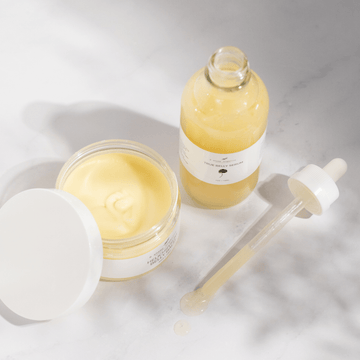
2-Step Stretch Mark Prevention Bundle
$69.00
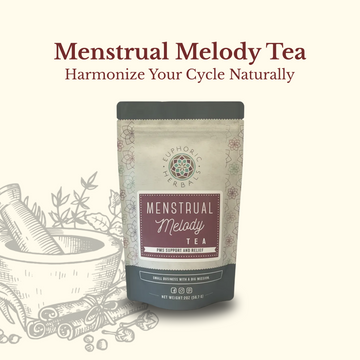
Euphoric Herbals Menstrual Melody Tea herbal blend f...
$24.99
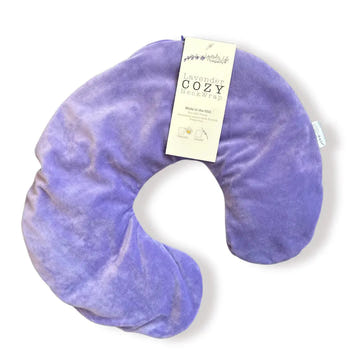
Lavender Life Company Cozy Lavender Neck Wrap weight...
$57.00
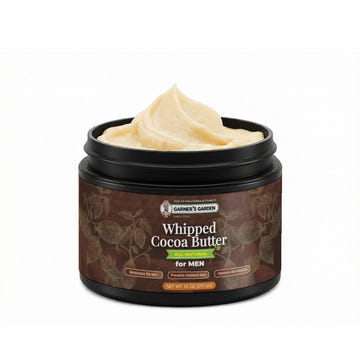
Garner's Garden Whipped Cocoa Butter Hydrating Skin ...
$12.00
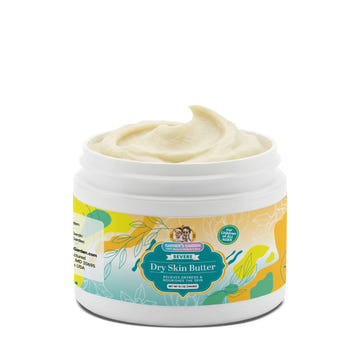
Garner's Garden Severe Dry Skin Butter for Severe Dr...
$18.00
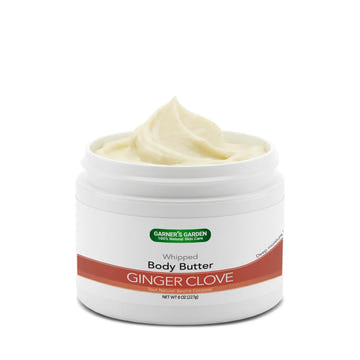
Garner's Garden Body Butter Various Essential Oils a...
$10.00
Bathing and Skin Care Best Practices
✔️ Use mild, pH-balanced cleansers
✔️ Limit baths to 5–10 minutes
✔️ Pat skin dry—don’t rub
✔️ Moisturize within 3 minutes after the bath to lock in hydration
✔️ Wash baby clothes with dye-free, fragrance-free detergents
💡 Avoid talcum powder and scented lotions in the first year.
Watch for Allergic Reactions
-
Small red bumps, hives, or dry patches may be signs of sensitivity
-
Introduce new skincare or laundry products one at a time
-
Always patch-test when using something new
If symptoms worsen or persist, consult your pediatrician or dermatologist.
More Related Picks
A few more favorites from the same collection.
Organic Lip Balm
$4.00
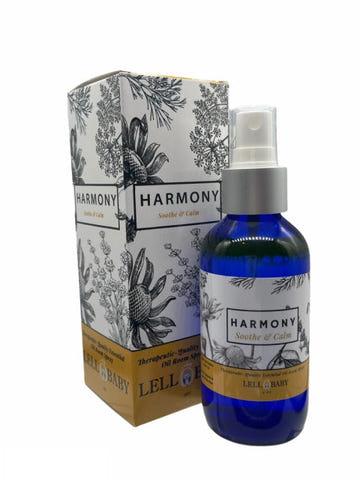
Therapeutic-Quality Essential Oil Room Spray - Harmony
$19.00

Lavender Comfort Neck Wrap
$58.50
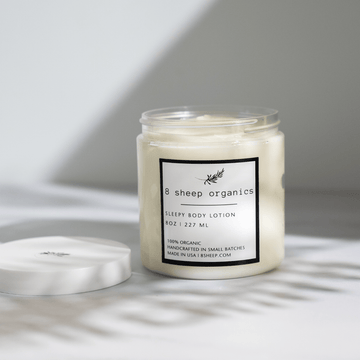
8 Sheep Organics Organic Sleepy Body Lotion for Preg...
$29.00
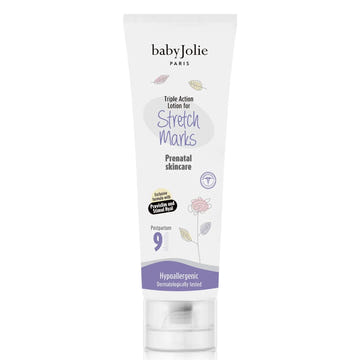
Baby Jolie Paris Triple Action Stretch Marks Cream 7...
$29.99
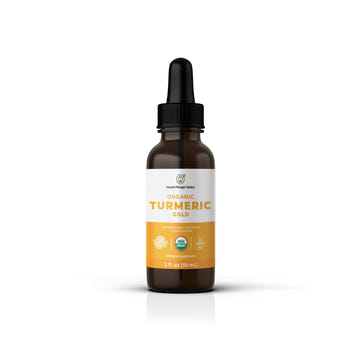
Health Ranger Store Organic Turmeric Gold Liquid Ext...
$26.95
The Role of Moogco Silver Nursing Cups
Breastfeeding moms can experience their own skin challenges. Moogco Silver Nursing Cups offer natural, gentle relief from cracked or sore nipples—thanks to silver’s soothing, antimicrobial properties. Safe for both mom and baby.
Final Thoughts: Gentle and Simple Is Best
Your baby’s skin doesn’t need complicated routines or harsh ingredients—just consistent, gentle care. By focusing on prevention and using the right products, you can keep your little one’s skin soft, smooth, and rash-free.
🛒 Shop gentle skincare and baby-safe essentials at Moogco Baby
Bring this guide home with 25% off.
Use code READER25 for 25% off →
Featured pick from Moogco
Babo Botanicals Calming Baby Lotion with Organic Lavender (8 Fl Oz)
$23.77 $25.77
Shop this pick → Frequently Asked Questions
How often should I moisturize my newborn's skin?
For most newborns, moisturizing once or twice daily is enough, especially after bath time. If your baby has very dry skin or eczema, you may need to apply moisturizer three to four times a day. Always use fragrance-free, hypoallergenic products designed for sensitive baby skin.
Is it normal for my newborn to have peeling skin?
Yes, peeling skin is completely normal in the first few weeks after birth. Your baby's skin is adjusting from being in amniotic fluid to the dry air outside the womb. The peeling will resolve on its own, but gentle moisturizing can help keep skin comfortable during the transition.
Can I use coconut oil on my baby's dry skin?
Coconut oil can be used on some babies, but it's not ideal for all skin types, especially if your baby is prone to eczema. It's best to use products specifically formulated for infant skin or consult your pediatrician first. Always patch-test any new product on a small area before applying it widely.
What should I do if my baby gets a rash after switching laundry detergent?
Stop using the new detergent immediately and rewash all baby clothes, blankets, and bedding with a fragrance-free, dye-free formula. Apply a gentle moisturizer to the affected areas and let your baby's skin breathe. If the rash doesn't improve within a few days or gets worse, contact your pediatrician.
How can I tell if my baby's skin rash is serious?
Most baby rashes are harmless and temporary. However, see a doctor if the rash is accompanied by fever, blistering, swelling, oozing, or if your baby seems unusually fussy or unwell. Rashes that spread quickly or don't improve with gentle care also warrant a professional evaluation.
Should I avoid sunscreen on my newborn?
Yes, sunscreen is not recommended for babies under six months old. Instead, keep your baby out of direct sunlight, dress them in lightweight long sleeves and a wide-brimmed hat, and use stroller shades or canopies. After six months, you can start using a mineral-based baby sunscreen on exposed skin.
What ingredients should I avoid in baby skincare products?
Avoid fragrances, dyes, parabens, phthalates, and alcohol in baby skincare products. These can irritate delicate skin or cause allergic reactions. Look for products labeled hypoallergenic, fragrance-free, and pH-balanced, and always read ingredient lists carefully before use.
Can breastfeeding help with my baby's eczema?
Breastfeeding may offer some protective benefits against eczema, though genetics and environment also play a role. Breast milk contains antibodies and nutrients that support skin health and immune development. If your baby has eczema, continue nursing and work with your pediatrician on a skincare plan tailored to your baby's needs.
From Moogco Studio
Printable and personalized nursery essentials. Designed by moms for moms.


About the Editor
Eda Ulger is the editor at Moogco Baby and a mom of two. She curates and edits our guides so every piece is honest, practical, and genuinely helpful for the early days of motherhood.
Shop This Story
Picks related to this guide, ready to ship from Moogco.
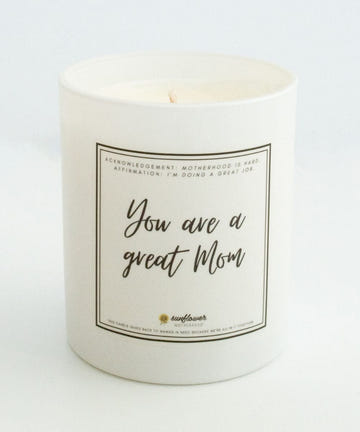
Sunflower Motherhood Great Mom Candle Lavender 9oz Soy
$24.00
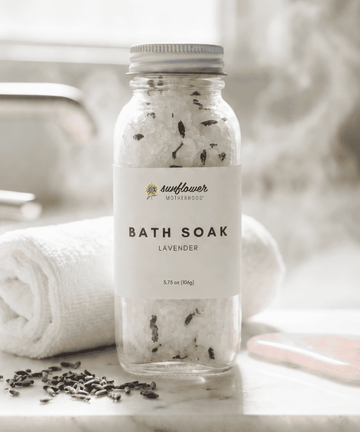
Sunflower Motherhood Bath Soak 3.75 oz Lavender Epso...
$8.00
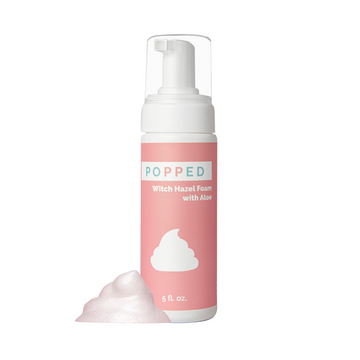
Popped Witch Hazel Foam with Aloe 5 fl oz Postpartum...
$12.99
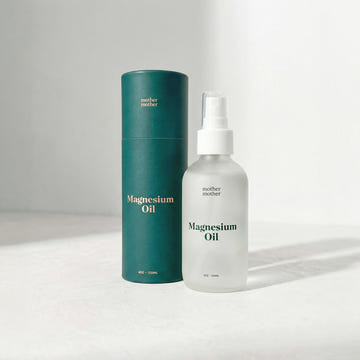
Mother Mother Magnesium Oil Spray 4 oz glass bottle
$34.00
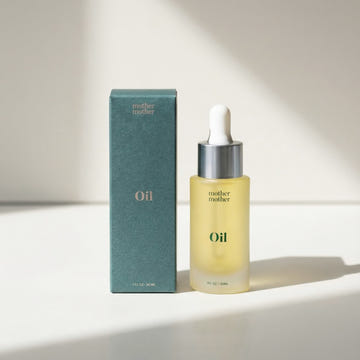
Mother Mother Face + Belly Oil 1 oz glass dropper bo...
$36.00
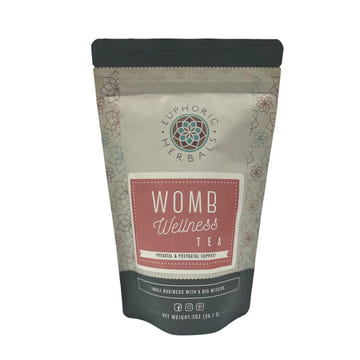
Euphoric Herbals Womb Wellness Prenatal Tea Organic ...
$24.99
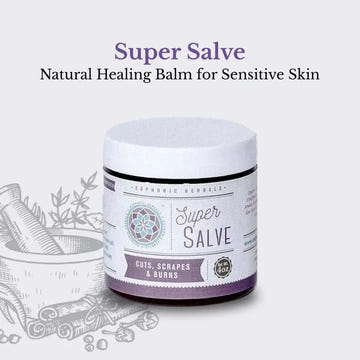
Euphoric Herbals Super Salve Nursing Salve no essent...
$10.00
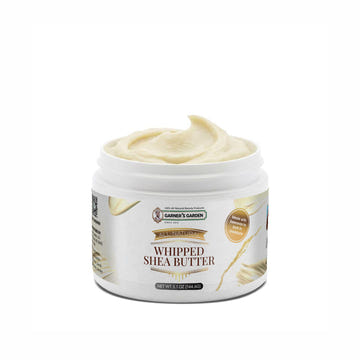
Garner's Garden Whipped Shea Butter Organic with Bee...
$18.00
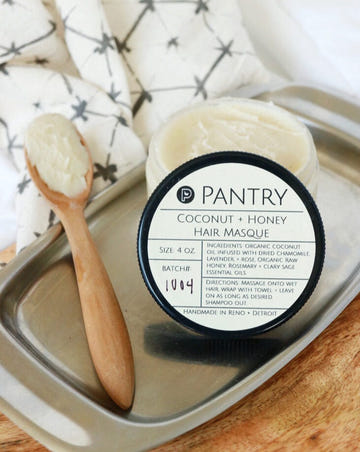
Coconut + Honey Hair Masque | Leave-In Hair Masque
$25.00
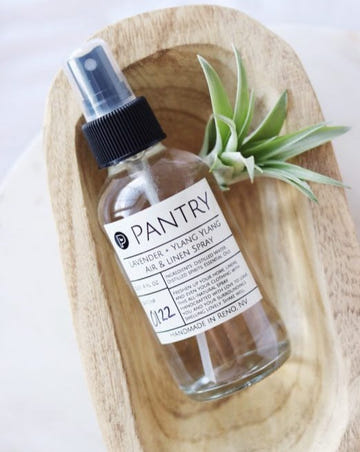
Natural Air + Linen Spray - Freshen the air without ...
$18.00