


Welcoming a baby is an exciting chapter, but it also comes with financial responsibilities that can feel overwhelming. From nursery essentials to medical expenses, having a clear and realistic budget is key to preparing for your little one’s arrival. Here’s how you can create a budget that works for your growing family and set yourself up for financial peace of mind.
Step 1: Estimate Your Costs
Start by making a list of all potential expenses, such as:
- Prenatal Care and Delivery: Check with your healthcare provider and insurance for costs related to check-ups, ultrasounds, and hospital stays.
- Baby Essentials: Diapers, clothing, a crib, a car seat, and feeding supplies are just the beginning.
- Childcare: If you plan to return to work, research childcare options and costs in your area.
- Ongoing Expenses: Factor in items like formula (if needed), baby food, and growing clothing needs.
Step 2: Identify What You Can Borrow or Buy Secondhand
Not everything needs to be brand new. Ask friends or family for items they’re no longer using, such as strollers or high chairs. Secondhand stores and online marketplaces can also be great for finding quality baby gear at a fraction of the cost.
Step 3: Start a Baby Fund
Open a dedicated savings account and contribute regularly. Even small amounts can add up over time and help cover unexpected expenses.
Step 4: Prioritize Your Spending
Focus on what’s truly necessary. For example:
- Invest in a high-quality car seat and crib for safety.
- Choose breastfeeding over formula feeding if it works for you, as it’s cost-effective and beneficial for your baby.
Step 5: Budget for Breastfeeding Support
Breastfeeding can be economical, but it requires some upfront costs, such as nursing bras, pillows, and nursing cups.
The Role of Moogco Silver Nursing Cups
One of the smartest investments you can make is in products that enhance your breastfeeding experience. Moogco Silver Nursing Cups provide natural relief for sore nipples, ensuring comfort during this precious time. Reusable and chemical-free, they’re not only great for your well-being but also budget-friendly in the long run.
Picks From This Story
Picks related to this guide, ready to ship from Moogco.
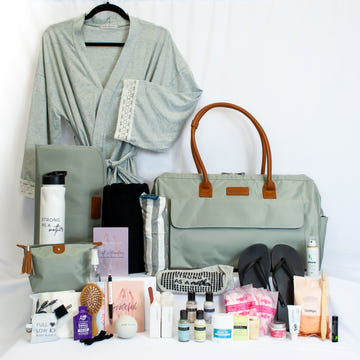
Fully Prepared Birth Bag
$289.00
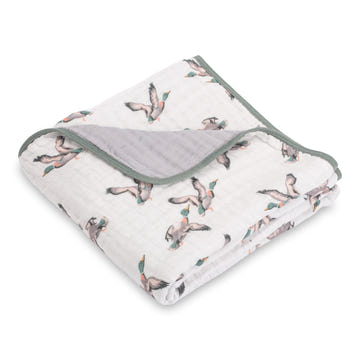
Quacking Up Quilt
$29.99
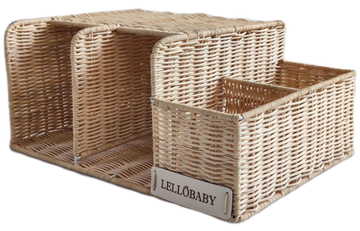
LELLOBABY™ X Hampton BABY - Deluxe Rattan Diaper Caddy
$99.00
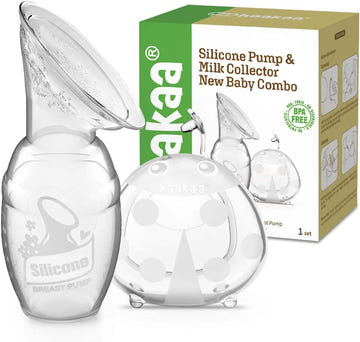
Haakaa Silicone Pump & Milk Collector Combo
$30.32
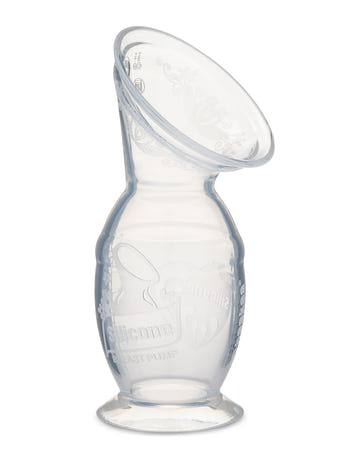
Haakaa Generation 2 Silicone Breast Pump with Suctio...
$20.99
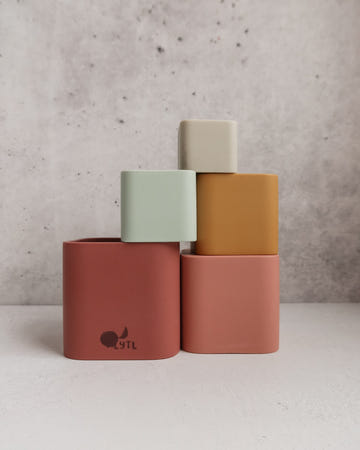
Silicone Stacking Cups – Set of 5 | LYTL®️
$22.00
Step 6: Plan for the Unexpected
Life with a baby can be unpredictable. Set aside some funds for unplanned expenses like extra doctor visits or replacing baby gear.
Step 7: Monitor and Adjust
Once your baby arrives, review your budget regularly to account for changing needs. You might find areas to cut back or reallocate funds.
Final Thoughts
Creating a baby budget doesn’t have to be stressful. By planning ahead, prioritizing essentials, and investing in key items like Moogco Silver Nursing Cups, you can prepare financially while embracing the joy of parenthood.
For all your parenting needs, trust Moogco Baby, your one-stop shop for high-quality baby essentials.
Bring this guide home with 25% off.
Use code MAMA25 for 25% off →
Featured pick from Moogco
MOOGCO Silver Nursing Cups 925k Silver - Protect Against Sore Breasts And Nipple Irritation
$45.90 $49.90
Shop this pick → Frequently Asked Questions
How much should I budget for my baby's first year?
Most families spend between $10,000 and $15,000 during baby's first year, including diapers, clothing, food, healthcare, and gear. Your actual costs will depend on feeding choices, childcare needs, and whether you buy new or secondhand items. Creating a detailed list of expected expenses and tracking your spending will help you stay on target and adjust as needed.

What baby items are worth buying new versus secondhand?
Always buy car seats, cribs, and mattresses new to ensure they meet current safety standards and haven't been in accidents or recalls. Clothing, books, toys, high chairs, and strollers are generally safe to buy secondhand if they're in good condition. Inspect all used items carefully and check for recalls before purchasing.
Free US shipping over $100
Real essentials, picked by real moms
Take 25% off at checkout, applied automatically when you shop through this link.
Shop with MAMA25 →Free US shipping over $100. Code applies automatically at checkout.
More Related Picks
A few more favorites from the same collection.
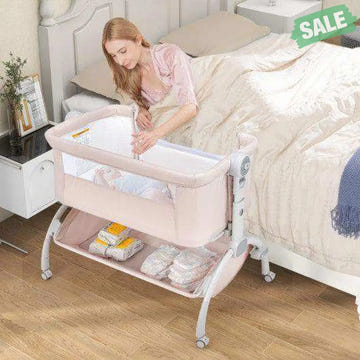
3-in-1 Baby Bassinet with Double-Lock Design and Adj...
$119.99
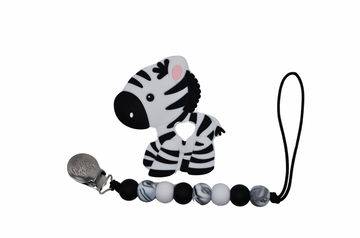
Zebra Teether Set
$14.99
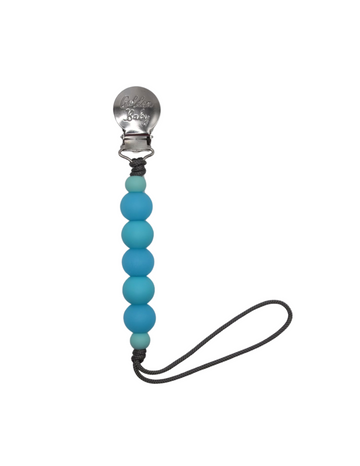
Glow in the Dark Pacifier Clip // Blue
$11.99
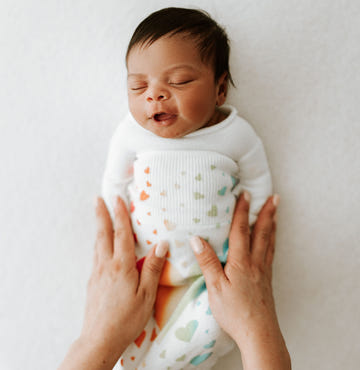
Rainbow Swaddle Sleep Sack
$69.95

DREAM TODDLER BLANKETS
$85.00
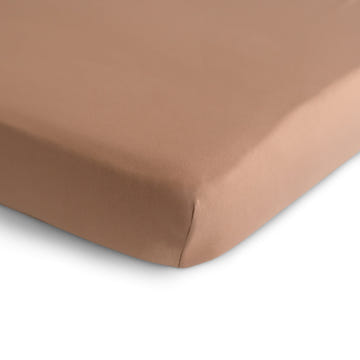
Stretchy MINI Crib Sheet
$21.00
How can I save money on breastfeeding supplies?
Focus on reusable, multi-purpose items like quality nursing bras and durable nursing cups that last throughout your breastfeeding journey. Many insurance plans cover breast pumps at no cost, so check your benefits before buying. Join local breastfeeding support groups where moms often share tips and gently used supplies.
Should I buy all baby items before delivery?
Stock up on newborn essentials like diapers, clothing in multiple sizes, a safe sleep space, and a car seat before baby arrives. However, wait on items like high chairs, activity centers, and larger clothing sizes until you know what you actually need. Many parents receive gifts at baby showers, so maintain a flexible registry and save receipts.
How do I budget for unexpected baby expenses?
Aim to set aside 10 to 15 percent of your total baby budget for surprise costs like extra pediatrician visits, formula if breastfeeding doesn't work out, or replacing gear that doesn't suit your needs. An emergency fund of at least $500 to $1,000 specifically for baby-related surprises provides helpful peace of mind during the unpredictable first year.
What are the ongoing monthly costs after baby arrives?
Expect to spend $200 to $400 monthly on diapers, wipes, and baby toiletries, plus formula costs if not exclusively breastfeeding. Add healthcare copays, clothing as baby grows, and any childcare expenses. These costs typically increase as baby gets older and starts eating solid foods, so review and adjust your budget every few months.
Can I create a baby budget on a tight income?
Absolutely. Focus on the true essentials like safe sleep, reliable transportation, and feeding supplies, then build from there. Take advantage of community resources like diaper banks, clothing swaps, and WIC programs if eligible. Many quality baby items can be found secondhand, and breastfeeding when possible eliminates formula costs entirely.
When should I start saving for baby expenses?
Start saving as soon as you know you're expecting, or even during the planning stage if possible. Setting aside money early, even $25 to $50 per week, gives you nine months to build a solid cushion for delivery and first-year costs. Open a separate savings account dedicated to baby expenses so you can track progress and avoid dipping into those funds for other purchases.
From Moogco Studio
Printable and personalized nursery essentials. Designed by moms for moms.


About the Editor
Eda Ulger is the editor at Moogco Baby and a mom of two. She curates and edits our guides so every piece is honest, practical, and genuinely helpful for the early days of motherhood.
Shop This Story
Picks related to this guide, ready to ship from Moogco.
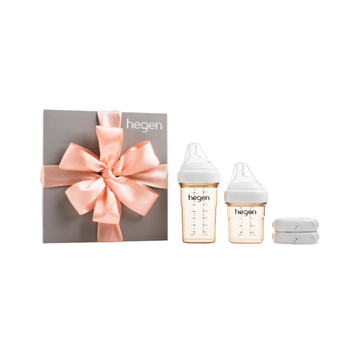
Hegen PPSU Baby Bottle Starter Kit
$59.99
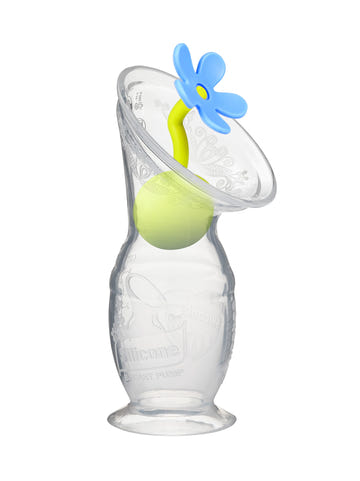
Haakaa Gen 2 Silicone Breast Pump with Suction Base ...
$26.99
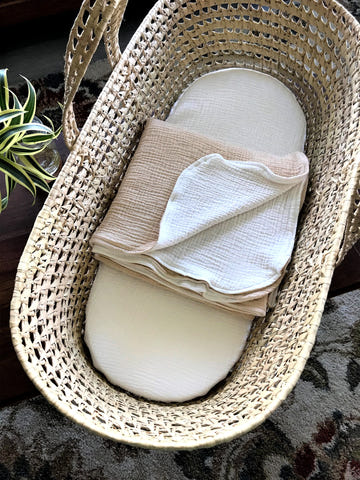
Moses Basket with Organic Cotton Double Gauze Beddin...
$299.00
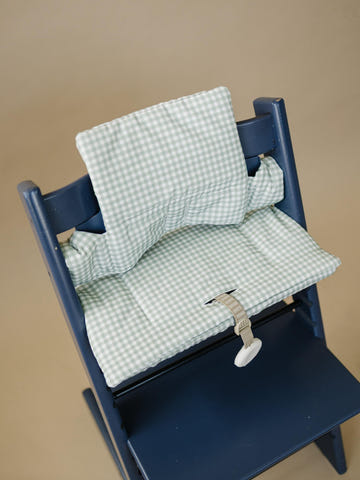
Sage Green Gingham Cushion for the Stokke Tripp Trap...
$37.00
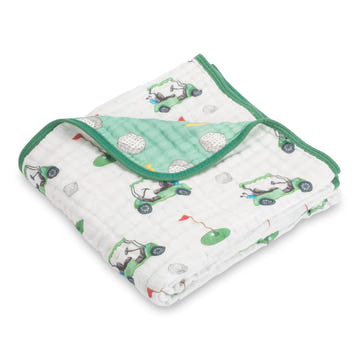
Golf A Round Quilt
$29.99
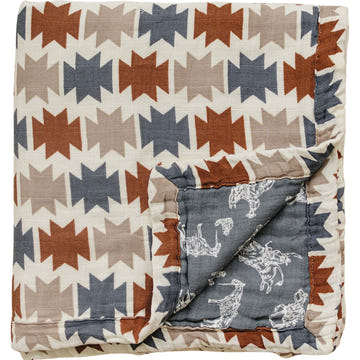
Western Aztec + Wild West Muslin Quilt
$50.00
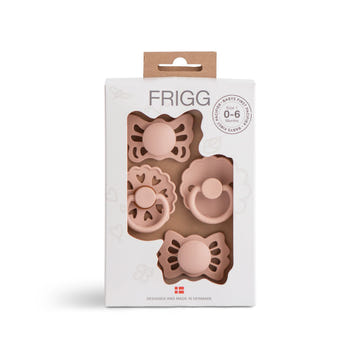
FRIGG Baby's First Pacifier Floral Heart (Blush) 4-Pack
$19.99
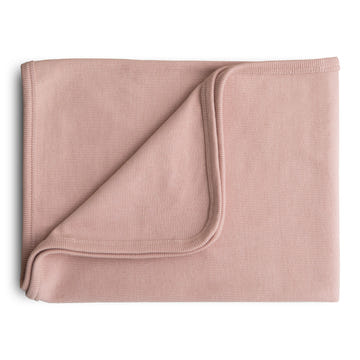
Ribbed Baby Blanket
$24.99
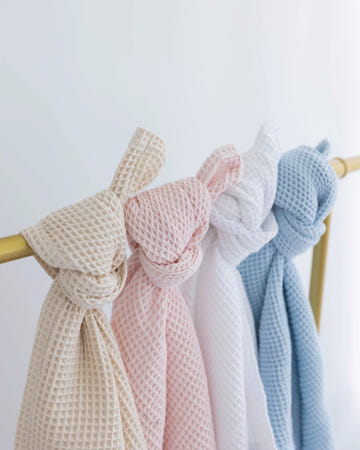
Waffle Blankets - Newborn, Baby, Toddler - 100% Cotton
$32.00
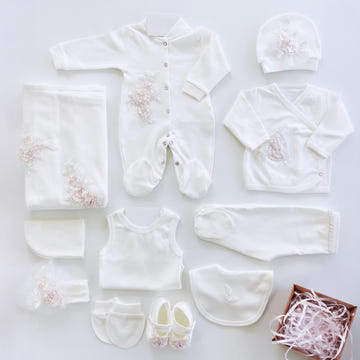
Floral Newborn Baby Girl Coming Home Set (11 pcs)
$114.00