


Introducing solid foods to your baby is a significant milestone that marks the beginning of a new phase in their development. While breastfeeding remains a crucial source of nutrition, incorporating solid foods can provide additional nutrients and support your baby's growth. In this blog, we’ll explore the essential steps to start solid foods while breastfeeding, ensuring a smooth transition for both you and your baby. We’ll also discuss how Moogco silver nursing cups can support you during this period.
Understanding When to Start Solid Foods
Signs of Readiness: According to the American Academy of Pediatrics (AAP), babies are typically ready to start solids around six months of age. Look for signs of readiness, such as your baby being able to sit up with minimal support, showing interest in food, reaching for and trying to put objects in their mouth, and having good head control.
Consult Your Pediatrician: Before starting solids, it’s important to consult with your pediatrician. They can provide personalized guidance based on your baby’s developmental milestones and health needs.
Choosing the First Foods
Single-Grain Cereals: Single-grain cereals, such as rice or oatmeal, are often recommended as the first solid food. These cereals are easy to digest and can be mixed with breast milk to a thin consistency, making the transition smoother for your baby.
Pureed Vegetables and Fruits: Introduce pureed vegetables like sweet potatoes, carrots, and peas first, followed by fruits such as apples, bananas, and pears. These are nutrient-dense and provide essential vitamins and minerals.
Iron-Rich Foods: Iron is crucial for your baby's development, especially as their natural iron stores begin to deplete around six months. Introduce iron-fortified cereals and pureed meats like chicken or turkey.
Allergenic Foods: Introducing allergenic foods like peanuts, eggs, and fish early on can help reduce the risk of allergies. It’s essential to introduce these foods one at a time and monitor for any reactions. Always consult your pediatrician before introducing allergenic foods.
The Transition Process
Continue Breastfeeding: Breastfeeding should continue alongside the introduction of solids. Breast milk remains a vital source of nutrition and comfort for your baby. Offer solids after breastfeeding sessions to ensure that breast milk intake remains sufficient.
Introduce One Food at a Time: Start with one new food every three to five days. This allows you to monitor for any allergic reactions or digestive issues. Keep a food diary to track new foods and any reactions.
Start with Small Amounts: Begin with small amounts of solid food, about one to two teaspoons, and gradually increase the quantity as your baby becomes more comfortable with eating.
Create a Feeding Routine: Establish a consistent feeding routine that includes both breastfeeding and solid food meals. A typical day might include breastfeeding sessions in the morning, before naps, and at bedtime, with solid food meals in between.
Encourage Self-Feeding: As your baby grows, encourage self-feeding to develop their motor skills and independence. Offer soft, bite-sized pieces of food that they can grasp and eat on their own.
Maintaining Milk Supply
Frequent Nursing: Continue to nurse frequently to maintain your milk supply. Breastfeeding on demand ensures that your baby gets the necessary nutrients and comfort from breast milk.
Stay Hydrated and Eat Well: Your diet plays a significant role in milk production. Stay hydrated and consume a balanced diet rich in fruits, vegetables, whole grains, lean proteins, and healthy fats.
Pump if Necessary: If you notice a decrease in milk supply, consider pumping between nursing sessions to provide additional stimulation and maintain production.
Supporting Breastfeeding with Moogco Silver Nursing Cups
As you introduce solid foods, changes in your breastfeeding routine might affect your comfort. Moogco silver nursing cups provide natural antibacterial protection, promote healing, and prevent infections caused by frequent breastfeeding. Their smooth surface reduces friction and irritation, ensuring continuous comfort as you and your baby navigate this new stage. By incorporating Moogco silver nursing cups into your routine, you can focus on making the transition to solid foods smoother and more enjoyable.
Conclusion
Starting solid foods while breastfeeding is an exciting and important milestone for both you and your baby. By recognizing the signs of readiness, choosing the right first foods, and maintaining a balanced breastfeeding routine, you can ensure a smooth transition. Continue to breastfeed on demand, introduce new foods gradually, and encourage self-feeding as your baby grows. Throughout this journey, Moogco silver nursing cups can provide essential support and comfort, making the process easier for both you and your baby. Embrace this exciting stage with confidence, knowing you are laying the foundation for your child’s healthy eating habits.
Bring this guide home with 15% off.
Use code HAPPYSPRING for 15% off →
Featured pick from Moogco
MOOGCO Silver Nursing Cups 925k Silver - Protect Against Sore Breasts And Nipple Irritation
$45.90 $49.90
Shop this pick → Frequently Asked Questions
How do I know if my baby is getting enough breast milk once I start solid foods?
Watch for wet diapers (at least six per day), steady weight gain, and contentment after feedings. Your baby should still nurse regularly, and solids are meant to complement, not replace, breast milk during the first year. If you have concerns about weight gain or feeding patterns, consult your pediatrician for personalized guidance.

Should I offer solids before or after breastfeeding?
In the beginning, it's best to offer solids after breastfeeding to ensure your baby receives adequate breast milk nutrition. As your baby approaches their first birthday and becomes more comfortable with solids, you can gradually shift to offering solids first. Always follow your baby's hunger cues and maintain flexibility in your routine.
Curated by moms, vetted by lactation pros
Picks From This Story
Picks related to this guide, ready to ship from Moogco.
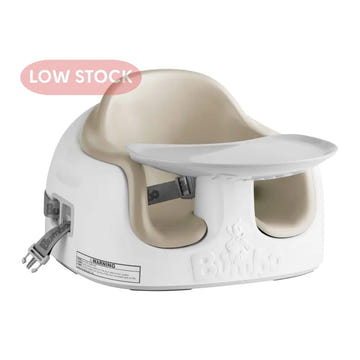
Bumbo 3-in-1 Multi Seat w/Adjustable Height, Tray In...
$69.99
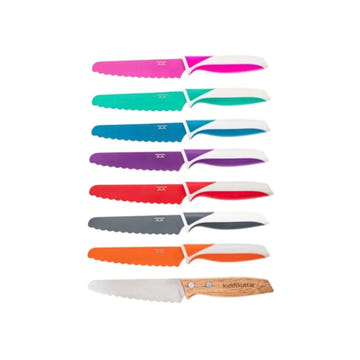
KiddiKutter Training Knife for Children 3+ (More col...
$18.99

Mushie Long Sleeve Bib water resistant 6 to 24 months
$14.99
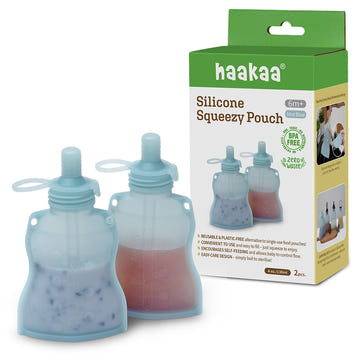
Haakaa Silicone Yummy Pouch 4.5 oz
$13.56
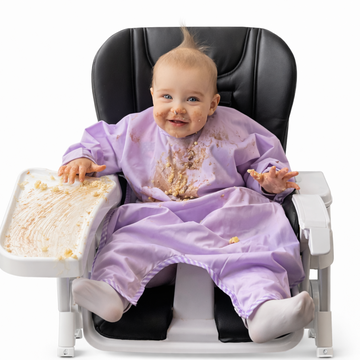
BodyBibShop BodyBib Long Sleeve Full-Coverage Bib Ch...
$24.99
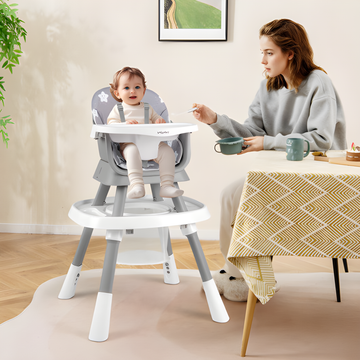
16-in-1 Baby High Chair with Activity Center and Boo...
$99.99
Everything for the breastfeeding journey
Take 15% off at checkout, applied automatically when you shop through this link.
Shop with HAPPYSPRING →Free US shipping over $100. Code applies automatically at checkout.
What if my baby refuses solid foods at first?
It's completely normal for babies to refuse solids initially, as the textures and flavors are new. Continue offering small amounts without pressure, and try again in a few days. Babies often need multiple exposures to new foods before accepting them. Keep breastfeeding as usual and remember that breast milk remains their primary nutrition source during the first year.
Can introducing solids cause my baby to wean from breastfeeding earlier?
Introducing solids does not have to lead to early weaning if you continue nursing on demand. Breast milk should remain the primary source of nutrition for the first year, with solids gradually increasing. Many mothers successfully breastfeed well into the second year and beyond while offering a variety of solid foods. Maintain frequent nursing sessions to preserve your bond and milk supply.
How can I prevent my baby from developing food allergies?
Current research suggests that introducing common allergenic foods like peanuts, eggs, and fish between four and six months may actually reduce allergy risk. Introduce these foods one at a time in small amounts, and watch for reactions over three to five days. Always consult your pediatrician before introducing allergenic foods, especially if there's a family history of allergies.
More Related Picks
A few more favorites from the same collection.
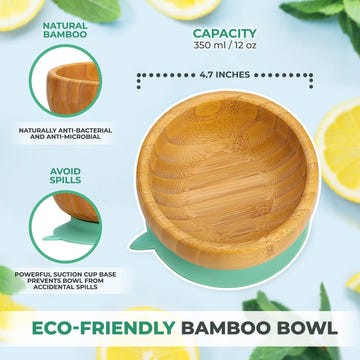
The Teething Egg Bamboo Bowl with Suction Base Natur...
$17.95
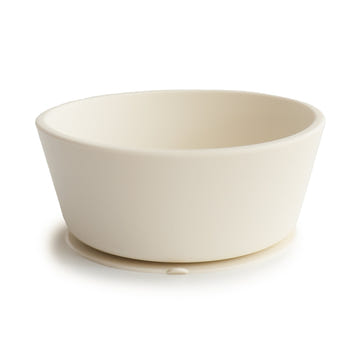
Mushie Silicone Suction Bowl for Babies Learning to ...
$14.99
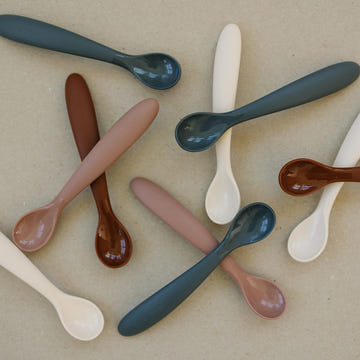
Mebie Baby Silicone Spoon Sets BPA Free Soft Dishwas...
$5.00
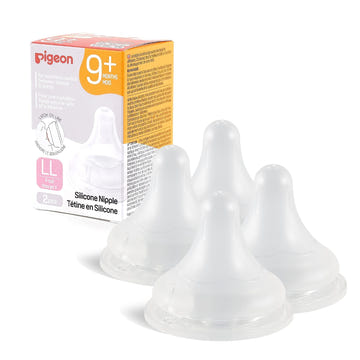
Silicone Nipple (LL), 9+ Months
$21.99
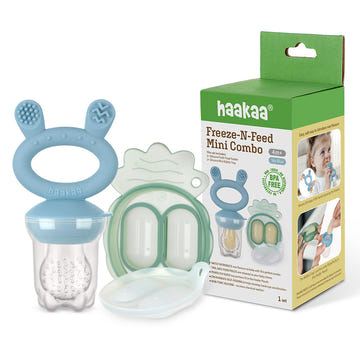
Haakaa Freeze-N-Feed Mini Combo Fresh Food Feeder Set
$19.90
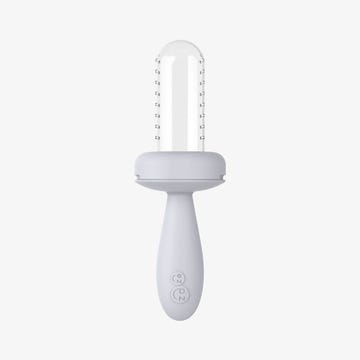
ezpz Baby-Led Gumline Feeder silicone pouch for baby...
$13.99
Is it normal for my milk supply to decrease when I start giving my baby solid foods?
Some mothers notice a slight decrease in milk supply as babies consume more solids, but this is typically gradual and natural. Continue nursing on demand, especially in the morning when milk production is highest. If you're concerned about supply, nurse more frequently, stay well hydrated, and consider pumping between feedings to maintain production.
What texture should solid foods be when I first introduce them?
Start with smooth, thin purees that are easy to swallow, similar to the consistency of yogurt or applesauce. You can thin purees with breast milk to make them more familiar to your baby. As your baby develops chewing skills around eight to ten months, gradually increase texture with mashed and soft finger foods.
How many times a day should I feed my baby solid foods when starting out?
Begin with one solid food meal per day, typically in the morning or early afternoon when your baby is alert and happy. After a few weeks, gradually increase to two meals per day, and by eight to nine months, you can offer three meals plus healthy snacks. Always prioritize breast milk and let your baby's appetite and developmental readiness guide the pace.
From Moogco Studio
Printable and personalized nursery essentials. Designed by moms for moms.


About the Editor
Eda Ulger is the editor at Moogco Baby and a mom of two. She curates and edits our guides so every piece is honest, practical, and genuinely helpful for the early days of motherhood.
Shop This Story
Picks related to this guide, ready to ship from Moogco.
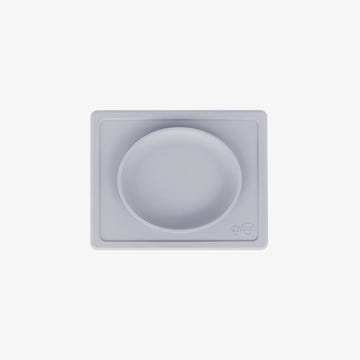
ezpz Tiny Plate open plate for self-feeding and uten...
$18.99
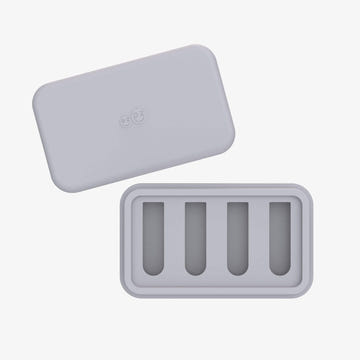
Ice Tray for the Baby-Led™ Gumline Feeder
$9.99

Mushie Silicone Training Cup with Removable Lid and ...
$16.99
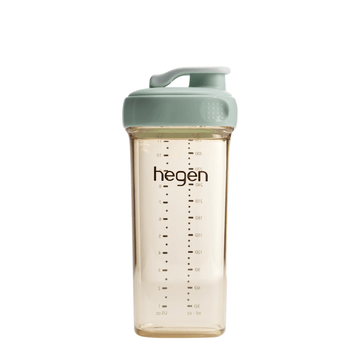
hegen Drinking Bottle PPSU 330ml 24 Months Plus Green
$22.99

Mushie Silicone Feeding Spoons Soft Flexible Tip Lig...
$12.99
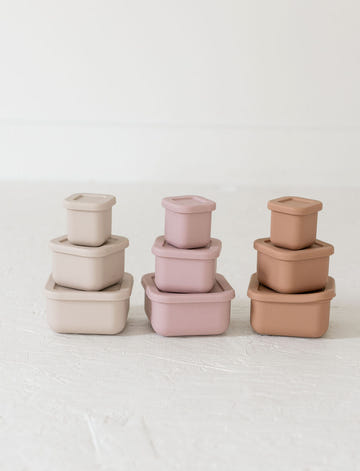
ShopMyLittleSongbird Silicone Bento Box Set of 3 wit...
$15.99
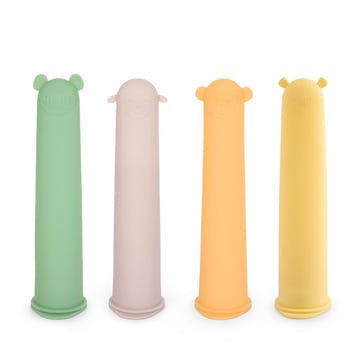
Haakaa Silicone Ice Pop Mold 1 pk 3.5 oz
$9.45
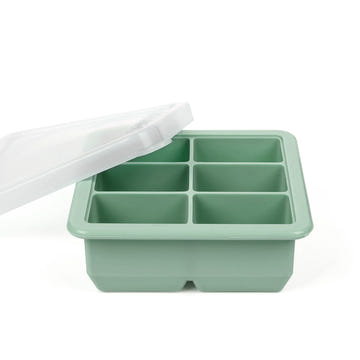
Haakaa Baby Freezer Tray Silicone 4 6 9 Compartment ...
$17.43
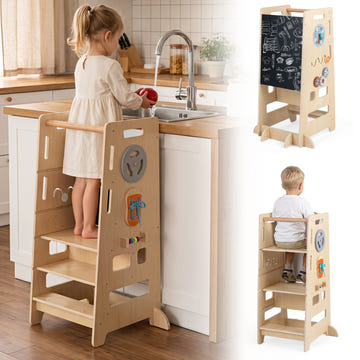
Toddler Standing Tower with Adjustable Height and Bl...
$65.99
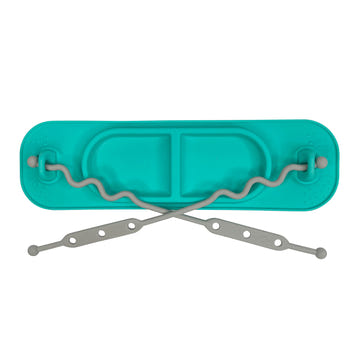
Busy Baby Mini Mat with Toy Straps compact placemat ...
$20.00