


Breastfeeding offers numerous benefits for both mother and baby, but there are times when direct breastfeeding might not be possible. Whether you're returning to work, need a break, or simply want to share feeding responsibilities with a partner, knowing how to properly store breast milk is essential. This blog post provides comprehensive guidance on how to store breast milk safely and effectively, ensuring that your baby continues to receive the best nutrition even when you're not around.
Why Proper Storage is Important
Nutrient Preservation: Proper storage of breast milk helps maintain its nutritional and immunological quality, ensuring your baby receives the same benefits as if they were breastfeeding directly.
Safety: Correct storage practices minimize the risk of bacterial contamination, keeping your baby safe from potential infections.
Convenience: Having a supply of stored breast milk can make life easier, allowing more flexibility in your schedule and reducing stress.
Steps for Storing Breast Milk
Cleanliness is Key: Wash your hands thoroughly before expressing or handling breast milk. Ensure all pump parts and storage containers are clean and sterilized.
Choose the Right Pump: Use a high-quality breast pump that suits your needs, whether it's a manual or electric pump. Follow the manufacturer’s instructions for use and maintenance.
2. Storing Breast Milk
Storage Containers: Use clean, BPA-free containers specifically designed for breast milk storage. Options include glass bottles, hard plastic bottles, or special breast milk storage bags.
Labeling: Label each container with the date and time of expression. This helps you use the oldest milk first and keeps track of how long the milk has been stored.
3. Storage Guidelines
Room Temperature: Freshly expressed breast milk can be stored at room temperature (up to 77°F or 25°C) for up to 4 hours. In cooler conditions, it may last up to 6-8 hours.
Refrigeration: Store breast milk in the refrigerator at 39°F (4°C) or lower for up to 4 days. Place the milk at the back of the fridge where it's coldest.
Freezing: For longer storage, freeze breast milk at 0°F (-18°C) or lower. In a standard freezer compartment within a refrigerator, it can be stored for up to 6 months. In a deep freezer, it can last up to 12 months.
4. Thawing and Using Stored Breast Milk
Thawing: Thaw frozen breast milk in the refrigerator overnight or by holding the container under warm running water. Avoid using a microwave, as it can create hot spots and destroy nutrients.
Using Thawed Milk: Once thawed, breast milk can be kept in the refrigerator for up to 24 hours. Do not refreeze thawed milk.
Warming Milk: To warm breast milk, place the container in a bowl of warm water. Gently swirl the milk to mix the fat that may have separated. Test the temperature before feeding your baby.
Moogco Silver Nursing Cups: Enhancing Your Breastfeeding Experience
While managing breast milk storage, it's also important to care for your breast health. Moogco silver nursing cups are designed to support breastfeeding mothers by providing natural antibacterial protection and promoting healing. These cups can help alleviate discomfort and prevent infections, making breastfeeding a more comfortable and enjoyable experience.
Benefits of Moogco Silver Nursing Cups:
Natural Antibacterial Properties: Silver’s natural antibacterial properties help prevent infections and promote healing, ensuring your nipples stay healthy during breastfeeding.
Smooth Surface: The smooth surface of Moogco silver nursing cups reduces friction and irritation, providing a soothing barrier between your nipples and clothing.
Healing and Comfort: Moogco silver nursing cups are designed to promote healing and provide comfort, making breastfeeding a more enjoyable experience for both you and your baby.
Conclusion
Properly storing breast milk is crucial for maintaining its quality and ensuring your baby receives the best nutrition. By following these guidelines for expressing, storing, and using breast milk, you can confidently manage your baby's feeding needs even when you're apart. Remember to prioritize cleanliness and safety throughout the process. With careful planning and the right tools, such as Moogco silver nursing cups, you can make the breastfeeding journey smoother and more flexible, benefiting both you and your baby.
Bring this guide home with $15 off.
Use code READER15 for $15 off →
Featured pick from Moogco
Hegen PCTO™ 60ml/2oz Breast Milk Storage PPSU, 6-Pack
$46.00
Shop this pick → Frequently Asked Questions
Can I combine breast milk from different pumping sessions?
Yes, you can combine breast milk from different pumping sessions, but it's important to cool freshly expressed milk in the refrigerator before adding it to previously chilled or frozen milk. Always label the container with the date of the oldest milk in the batch. This practice helps maintain quality and ensures you use milk in the proper order.
Why does my stored breast milk smell soapy or sour?
Some mothers have higher levels of lipase, an enzyme that breaks down fats in breast milk, which can cause a soapy or sour smell after storage. This milk is still safe to drink if it was stored properly. If your baby refuses it, you can scald the milk immediately after expressing by heating it until tiny bubbles form around the edges, then quickly cooling and storing it.
Storage bags, bottles, sterilizers
Picks From This Story
Picks related to this guide, ready to ship from Moogco.
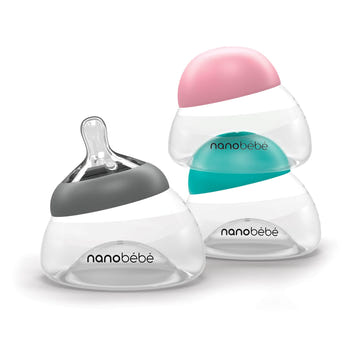
Nanobébé Breastmilk Baby Bottle 5 oz Pack Options Pi...
$16.99
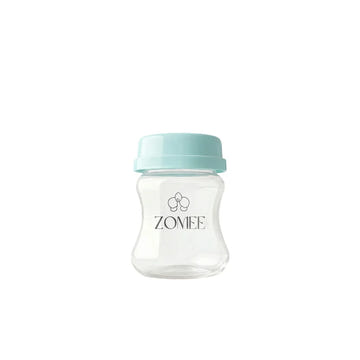
Zomee Breast Pumps Breast Milk Storage Bottles BPA-free
$3.99
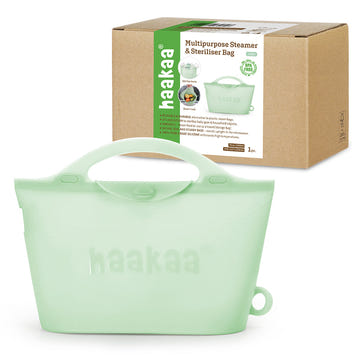
Haakaa Multipurpose Steamer & Sterilizer Bag 3 sizes...
$14.99

Mila's Keeper Silicone Breast Milk Bottle 6 oz Stand...
$36.00
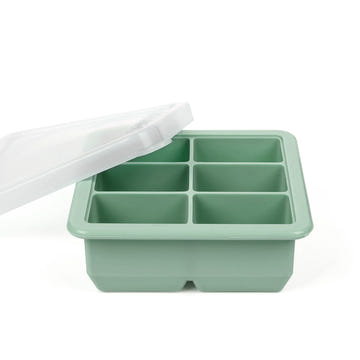
Haakaa Baby Freezer Tray Silicone 4 6 9 Compartment ...
$17.43
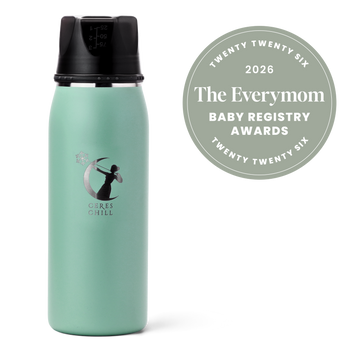
Ceres Chill OG+ Chiller Warmer 28oz Breastmilk Chiller
$68.98
Store every drop, safely
Take $15 off at checkout, applied automatically when you shop through this link.
Shop with READER15 →Free US shipping over $100. Code applies automatically at checkout.
How do I know if stored breast milk has gone bad?
Spoiled breast milk will have a distinctly sour smell, similar to spoiled cow's milk, and may appear clumpy or separated in an unusual way. Fresh breast milk naturally separates into layers with cream on top, which is normal and just needs gentle swirling to remix. When in doubt, trust your senses and discard any milk that smells or looks off.
Is it safe to store breast milk in the refrigerator door?
No, it's best to avoid storing breast milk in the refrigerator door because the temperature fluctuates each time the door opens. Instead, store breast milk at the back of the main refrigerator compartment where the temperature remains most consistent and coldest. This helps preserve the milk's quality and extends its safe storage time.
Can I add freshly pumped milk to already frozen milk?
It's best to cool freshly expressed milk in the refrigerator for at least an hour before adding it to already frozen milk. Make sure the amount of fresh milk you're adding is smaller than the amount of frozen milk so it doesn't thaw the frozen portion. This practice helps maintain the frozen milk's temperature and quality.
More Related Picks
A few more favorites from the same collection.
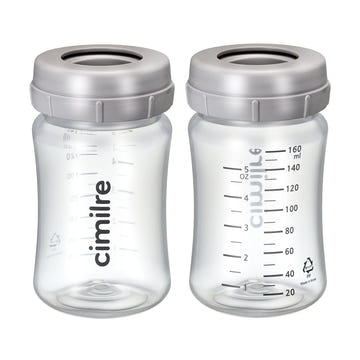
Cimilre Breast Pumps Storage Bottle Set 5 oz 2-Pack
$11.99
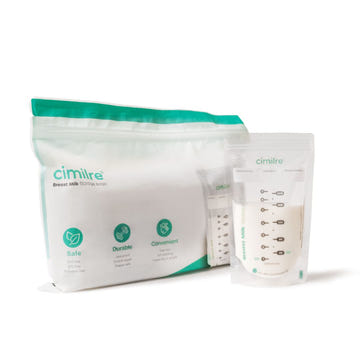
Cimilre Breast Pumps Breast Milk Storage Bags 7oz Pa...
$16.99
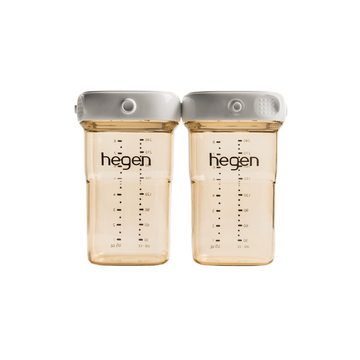
hegen PPSU Breast Milk Storage Containers 240ml 2-Pack
$30.99
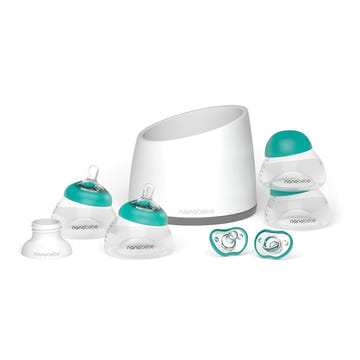
Nanobébé Breastmilk Bottle Starter Set 5 oz 4-pack w...
$39.99
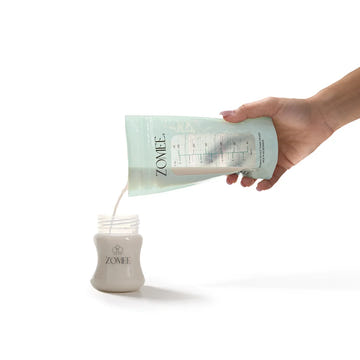
Zomee Breast Pumps Milk Storage Bags 8oz Double-Zip ...
$8.99
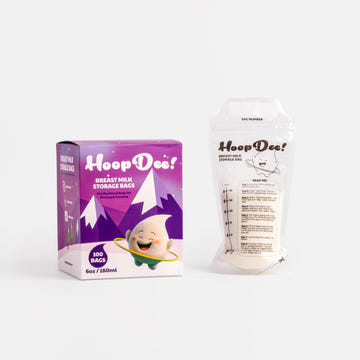
HoopDee Breast Milk Storage Freezer Bags 6oz (180ml)...
$14.99
What should I do if my baby doesn't finish a bottle of breast milk?
If your baby doesn't finish a bottle of breast milk, you can offer it again within 1 to 2 hours. After that window, it's safest to discard the remaining milk because bacteria from your baby's saliva can multiply in the bottle. To minimize waste, consider offering smaller amounts and adding more if your baby is still hungry.
Does breast milk lose nutrients when frozen?
Frozen breast milk retains most of its nutritional and immunological properties, though some studies suggest minimal loss of certain vitamins and live cells over time. The benefits of frozen breast milk still far outweigh formula, making it an excellent choice for your baby. Using frozen milk within 6 months helps ensure maximum nutrient retention.
Can I reuse breast milk storage bags?
No, breast milk storage bags are designed for single use only and should not be reused. Reusing bags increases the risk of bacterial contamination and compromises the integrity of the seal. For a more eco-friendly and reusable option, consider using glass or hard plastic bottles specifically designed for breast milk storage that can be properly sterilized between uses.
From Moogco Studio
Printable and personalized nursery essentials. Designed by moms for moms.


About the Editor
Eda Ulger is the editor at Moogco Baby and a mom of two. She curates and edits our guides so every piece is honest, practical, and genuinely helpful for the early days of motherhood.
Shop This Story
Picks related to this guide, ready to ship from Moogco.
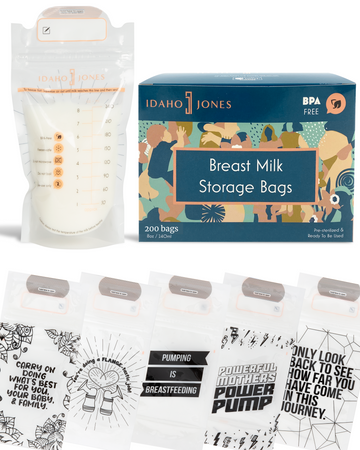
Milk Storage Bags - Breast Milk Pouches
$15.99
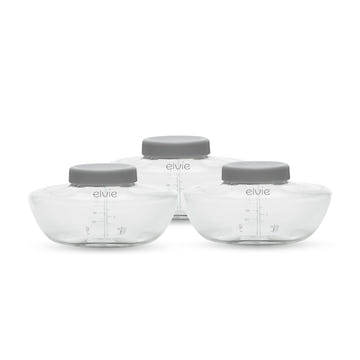
Healthy Horizons Elvie Pump Bottles 3 Pack 150 ml BP...
$34.99
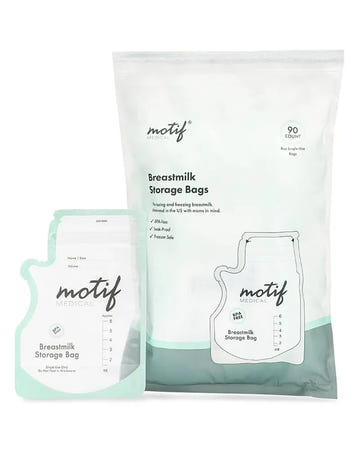
LL Medico Motif Milk Storage Bags 6 oz Self-Standing...
$8.99
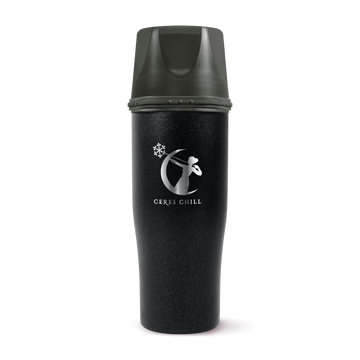
Ceres Chill Demigoddess Mini Chiller Warmer 12oz 16-...
$49.68
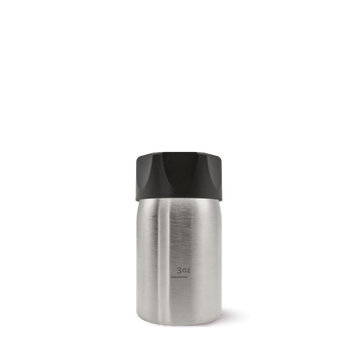
Ceres Chill 6oz Inner Chamber Daycare-Friendly Baby ...
$10.95
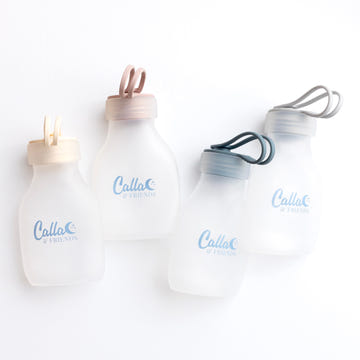
Calla and Friends Nourishing Nibbler Reusable Milk &...
$40.00
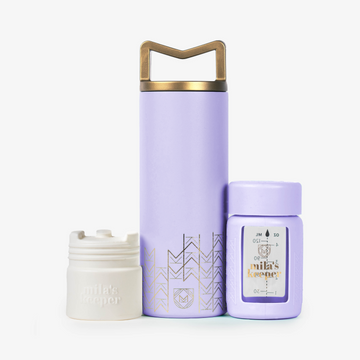
Mila's Keeper MilKeeper Starter Set Lavender Fields ...
$67.00
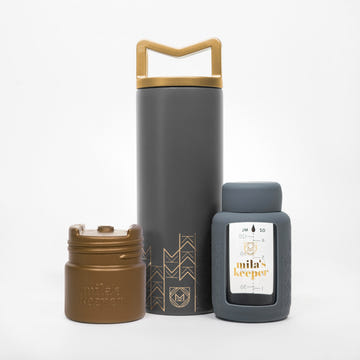
Mila's Keeper MilKeeper Starter Set Starry Night 5oz...
$67.00
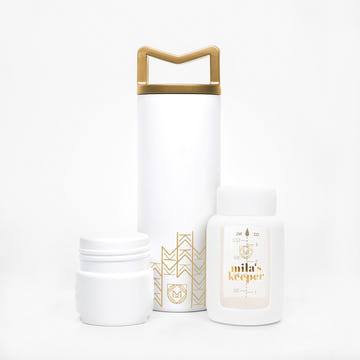
Mila's Keeper MilKeeper Starter Set Aspen White 3-in...
$67.00
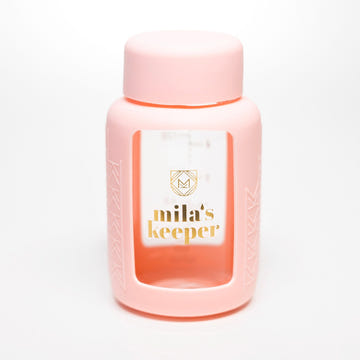
Mila's Keeper Glass Breast Milk Storage Bottles Set ...
$42.00