


Introducing solid foods to your baby’s diet is an exciting milestone in their development. It’s a journey filled with exploration, fun messes, and the discovery of new flavors and textures. Knowing when and how to start can make this transition smoother and more enjoyable for both you and your little one.
When to Start Introducing Solid Foods
Most babies are ready to start solids around six months of age. However, every baby is different. Look for these readiness signs:
- Your baby can sit up with minimal support.
- They show interest in food, such as reaching for your plate or watching you eat.
- They have good head and neck control.
- The tongue-thrust reflex (pushing food out of their mouth) has diminished.
Always consult your pediatrician before introducing solids, especially if your baby was born prematurely or has specific health concerns.
What Foods to Start With
Start with single-ingredient, smooth purees to check for any food allergies or sensitivities. Popular first foods include:
- Vegetables: Sweet potatoes, carrots, or peas.
- Fruits: Bananas, apples, or pears.
- Grains: Iron-fortified baby cereals like rice or oatmeal.
Introduce one new food at a time, waiting three to five days before adding another. This allows you to monitor your baby for any adverse reactions, such as rashes, vomiting, or changes in stool.
Transitioning to More Textures
As your baby gets comfortable with purees, gradually introduce thicker textures and small, soft pieces of food. Examples include:
- Mashed avocado or banana.
- Soft-cooked veggies like broccoli florets.
- Tiny pieces of soft fruits like melon.
- Shredded or finely chopped cooked meats.
Encourage self-feeding with safe finger foods once your baby shows interest in grabbing and exploring food on their own.
Safety Tips for Introducing Solids
- Always supervise mealtime to prevent choking.
- Avoid certain foods, such as honey (before age 1), whole nuts, and choking hazards like grapes or hard candies.
- Cut food into small, manageable pieces.
- Be mindful of salt and sugar—babies don’t need added seasonings.
Breastfeeding During This Transition
Although you’re introducing solids, breastmilk or formula remains the primary source of nutrition for your baby until their first birthday. Think of solids as a supplement, not a replacement, during these early stages.
Picks From This Story
Picks related to this guide, ready to ship from Moogco.
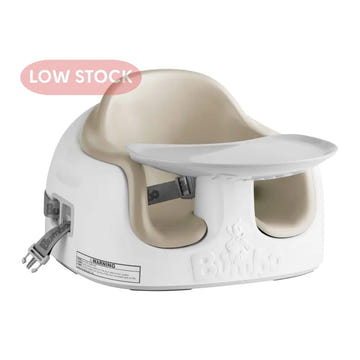
Bumbo 3-in-1 Multi Seat w/Adjustable Height, Tray In...
$69.99
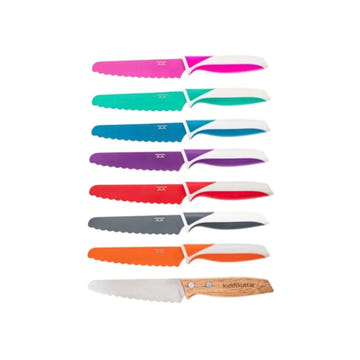
KiddiKutter Training Knife for Children 3+ (More col...
$18.99

Mushie Long Sleeve Bib water resistant 6 to 24 months
$14.99
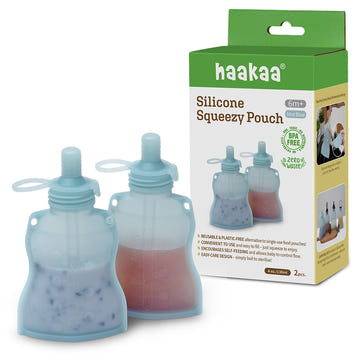
Haakaa Silicone Yummy Pouch 4.5 oz
$13.56
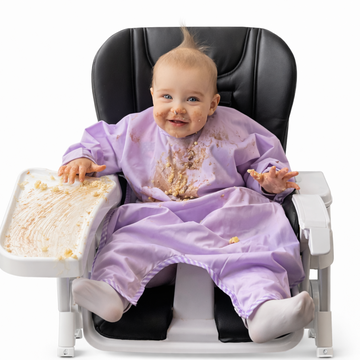
BodyBibShop BodyBib Long Sleeve Full-Coverage Bib Ch...
$24.99
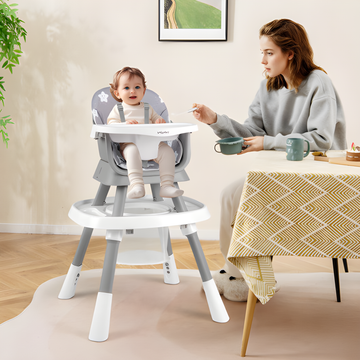
16-in-1 Baby High Chair with Activity Center and Boo...
$99.99
The Role of Moogco Silver Nursing Cups
Breastfeeding during the introduction of solids can come with new challenges, including sore or tender nipples from your baby’s changing feeding patterns. Moogco Silver Nursing Cups provide natural relief by harnessing the healing properties of silver, ensuring that breastfeeding stays comfortable as you navigate this new stage. These eco-friendly cups are an invaluable tool for moms who want to continue breastfeeding while introducing their baby to solids.
Making Mealtime Enjoyable
Here are a few tips to make introducing solids a positive experience:
- Create a relaxed environment and let your baby explore.
- Use small, soft spoons and shallow bowls.
- Expect some mess—it’s part of the learning process!
Final Thoughts
Introducing normal foods into your baby’s diet is a milestone that requires patience, experimentation, and a good dose of humor. With thoughtful preparation and tools like Moogco Silver Nursing Cups to support your breastfeeding journey, you can ensure your baby has a healthy, happy start to their culinary adventures. Embrace the mess, the giggles, and the joy of watching your baby discover a world of flavors!
Bring this guide home with 15% off.
Use code HAPPYSPRING for 15% off →
Featured pick from Moogco
Easy Clean Compact Highchair with Removable Adjustable Tray and PU Seat Cushion-Brown
$59.99 $162.99
Shop this pick → Frequently Asked Questions
How much solid food should I give my baby when first starting out?
Start with just one to two teaspoons once a day, gradually increasing to a few tablespoons as your baby shows interest. Remember, solids are for practice and exploration at this stage, not nutrition. Breastmilk or formula still provides the majority of calories and nutrients until around 12 months.
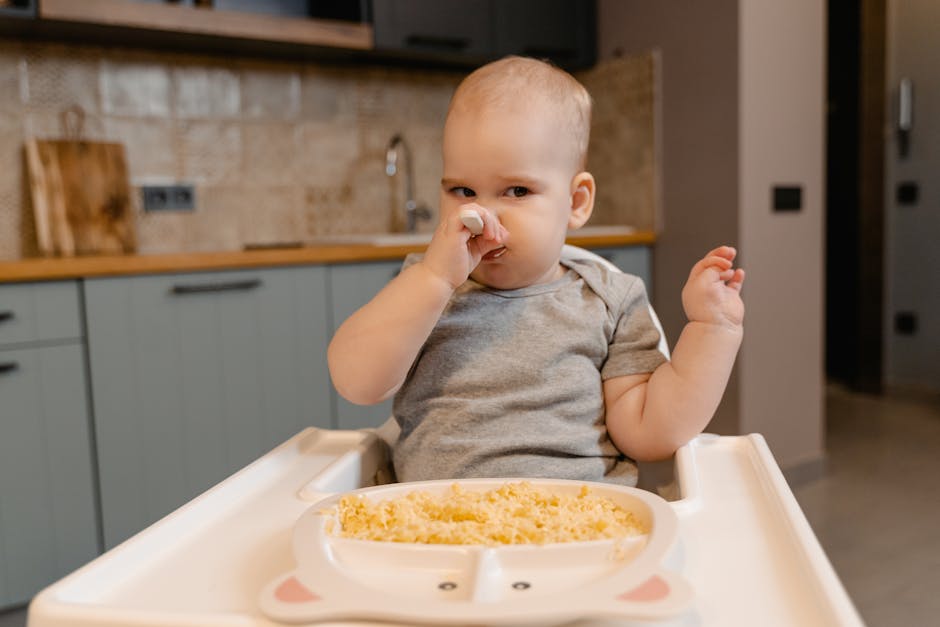
Can I make my own baby food at home instead of buying it?
Absolutely! Homemade baby food is a wonderful option that gives you complete control over ingredients. Simply steam or bake fruits and vegetables until soft, then puree or mash to the desired consistency. Store in small portions in the fridge for up to three days or freeze for longer storage.
Bottles, bowls, and baby-led picks
More Related Picks
A few more favorites from the same collection.
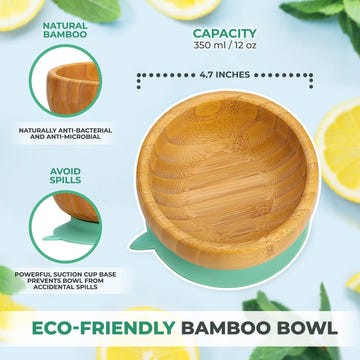
The Teething Egg Bamboo Bowl with Suction Base Natur...
$17.95
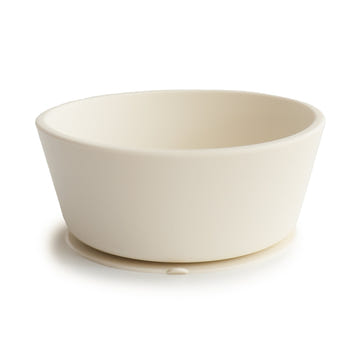
Mushie Silicone Suction Bowl for Babies Learning to ...
$14.99
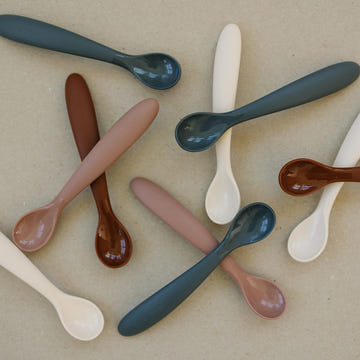
Mebie Baby Silicone Spoon Sets BPA Free Soft Dishwas...
$5.00
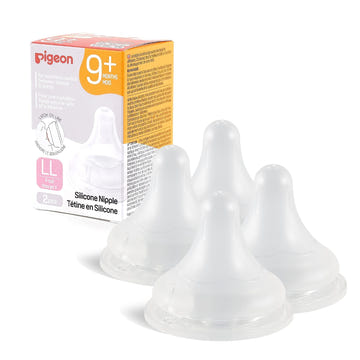
Silicone Nipple (LL), 9+ Months
$21.99
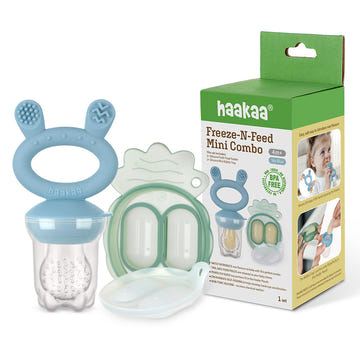
Haakaa Freeze-N-Feed Mini Combo Fresh Food Feeder Set
$19.90
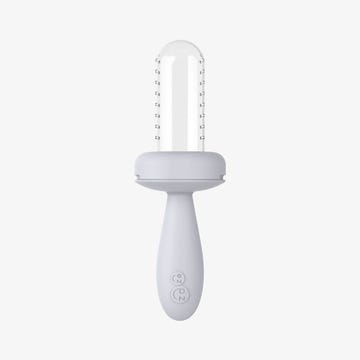
ezpz Baby-Led Gumline Feeder silicone pouch for baby...
$13.99
Mealtime, simplified
Take 15% off at checkout, applied automatically when you shop through this link.
Shop with HAPPYSPRING →Free US shipping over $100. Code applies automatically at checkout.
What should I do if my baby refuses to eat solids?
It's completely normal for babies to be hesitant at first. Keep offering a variety of foods without pressure, and let your baby set the pace. Try different textures, temperatures, and times of day. Most babies warm up to solids gradually, and forcing the issue can create negative associations with eating.
Is it normal for my baby's poop to change after starting solids?
Yes, expect some changes! Your baby's stool may become firmer, darker, and more odorous once solids are introduced. You might even notice pieces of undigested food, which is normal as their digestive system adjusts. If you see blood, mucus, or signs of severe discomfort, contact your pediatrician.
Should I introduce vegetables before fruits to prevent a sweet tooth?
This is a common myth, but there's no scientific evidence that the order matters. Babies are naturally drawn to sweet flavors, including the sweetness of breastmilk. Feel free to introduce vegetables and fruits in any order, focusing on variety and balanced nutrition over time.
How do I know if my baby is having an allergic reaction to a new food?
Watch for symptoms like hives, rash, vomiting, diarrhea, swelling of the face or lips, or difficulty breathing. Mild reactions might include a rash around the mouth or slight fussiness. If you notice any severe symptoms, especially breathing difficulties, seek emergency medical attention immediately.
Can I continue breastfeeding as often as before once solids are introduced?
Yes, absolutely! Breastfeeding on demand should continue as usual during the first year. Solids complement, rather than replace, breastmilk or formula at this stage. Many moms find that maintaining their breastfeeding routine helps keep their milk supply steady while their baby explores new foods.
What are the best first finger foods for my baby to try?
Great starter finger foods include soft banana slices, steamed sweet potato sticks, avocado chunks, and well-cooked pasta. Look for foods that are soft enough to squish between your fingers but large enough for your baby to grasp. Always supervise closely and ensure pieces are an appropriate size to prevent choking.
From Moogco Studio
Printable and personalized nursery essentials. Designed by moms for moms.


About the Editor
Eda Ulger is the editor at Moogco Baby and a mom of two. She curates and edits our guides so every piece is honest, practical, and genuinely helpful for the early days of motherhood.
Shop This Story
Picks related to this guide, ready to ship from Moogco.
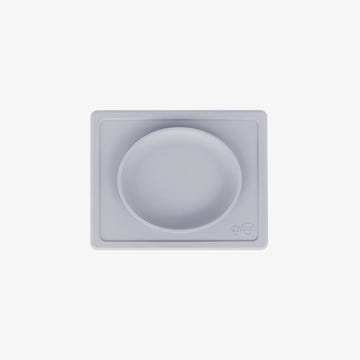
ezpz Tiny Plate open plate for self-feeding and uten...
$18.99
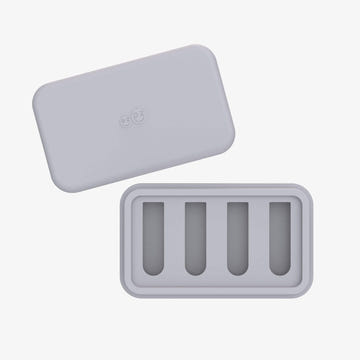
Ice Tray for the Baby-Led™ Gumline Feeder
$9.99

Mushie Silicone Training Cup with Removable Lid and ...
$16.99
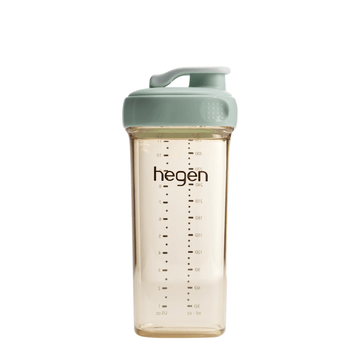
hegen Drinking Bottle PPSU 330ml 24 Months Plus Green
$22.99

Mushie Silicone Feeding Spoons Soft Flexible Tip Lig...
$12.99
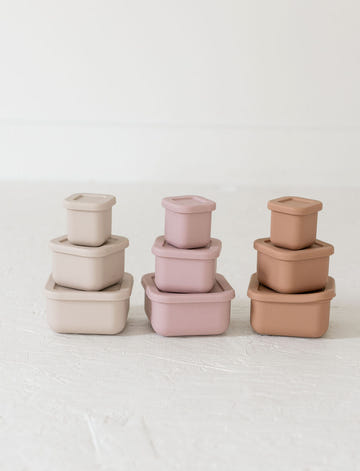
ShopMyLittleSongbird Silicone Bento Box Set of 3 wit...
$15.99
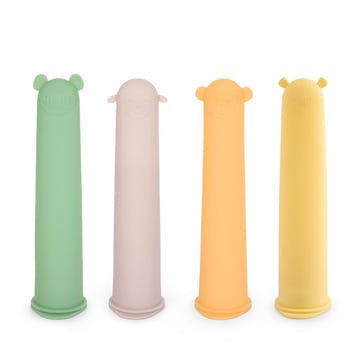
Haakaa Silicone Ice Pop Mold 1 pk 3.5 oz
$9.45
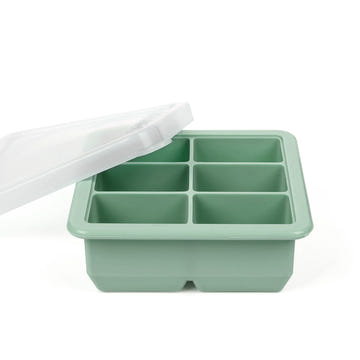
Haakaa Baby Freezer Tray Silicone 4 6 9 Compartment ...
$17.43
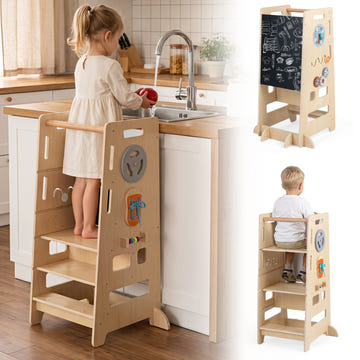
Toddler Standing Tower with Adjustable Height and Bl...
$65.99
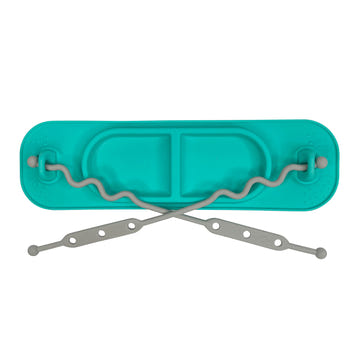
Busy Baby Mini Mat with Toy Straps compact placemat ...
$20.00