


Achieving a good latch is crucial for a successful and comfortable breastfeeding experience. A proper latch ensures that your baby gets enough milk while minimizing discomfort for you. In this blog post, we’ll explore the importance of a good latch, common latching challenges, practical tips for latching well, and how Moogco silver nursing cups can support your breastfeeding journey.
Understanding the Importance of a Good Latch
Efficient Milk Transfer: A good latch allows your baby to effectively remove milk from your breast, ensuring they get enough nourishment. This helps promote healthy weight gain and development.
Comfort for the Mother: A proper latch reduces the risk of nipple pain, soreness, and damage. It also helps prevent issues like blocked ducts and mastitis, making breastfeeding more enjoyable and sustainable.
Stimulating Milk Production: When your baby latches well, they stimulate your milk supply more effectively. This helps establish and maintain a robust milk supply to meet your baby’s needs.
Common Latching Challenges
Shallow Latch: A shallow latch occurs when your baby only takes the nipple into their mouth, rather than the areola. This can cause nipple pain and inefficient milk transfer.
Nipple Pain: Pain during breastfeeding often indicates an improper latch. Persistent pain can lead to sore, cracked, or bleeding nipples.
Engorgement: Engorged breasts can make it difficult for your baby to latch properly, leading to discomfort for both mother and baby.
Tips for Achieving a Good Latch
Positioning: Ensure that you and your baby are in a comfortable position. Use pillows for support, and consider trying different breastfeeding positions such as the cradle hold, football hold, or side-lying position to find what works best for you.
Align Your Baby: Make sure your baby’s head, neck, and body are aligned. Their nose should be in line with your nipple, and their body should be facing yours, helping them take a deep latch.
Tickle Their Lips: Gently tickle your baby’s lips with your nipple to encourage them to open their mouth wide. Wait for a wide, open mouth before guiding them onto your breast.
Bring Baby to Breast: Bring your baby to your breast, rather than leaning forward. Aim your nipple towards the roof of their mouth, helping them take a large portion of the areola into their mouth.
Check the Latch: A good latch should not be painful. Your baby’s mouth should cover more of the areola below the nipple than above. Their lips should be flanged out, like a fish, and you should hear rhythmic swallowing sounds.
Break the Suction: If you need to adjust your baby’s latch, gently insert your finger into the corner of their mouth to break the suction before removing them from your breast.
Seek Professional Help: If you’re having trouble achieving a good latch, consider consulting a lactation consultant. They can provide personalized guidance and support to help you and your baby latch effectively.
Moogco Silver Nursing Cups: Enhancing Comfort and Healing
Moogco silver nursing cups are designed to support breastfeeding mothers by providing natural antibacterial protection and promoting healing. These cups can help alleviate discomfort and prevent infections, making breastfeeding a more comfortable and enjoyable experience.
Benefits of Moogco Silver Nursing Cups:
Natural Antibacterial Properties: Silver’s natural antibacterial properties help prevent infections and promote healing, ensuring your nipples stay healthy during breastfeeding.
Smooth Surface: The smooth surface of Moogco silver nursing cups reduces friction and irritation, providing a soothing barrier between your nipples and clothing.
Healing and Comfort: Moogco silver nursing cups are designed to promote healing and provide comfort, making breastfeeding a more enjoyable experience for both you and your baby.
Conclusion
Achieving a good latch is essential for a successful and comfortable breastfeeding journey. By ensuring efficient milk transfer, reducing discomfort, and stimulating milk production, a proper latch benefits both you and your baby. Remember to focus on positioning, alignment, and patience as you work towards a good latch. Tools like Moogco silver nursing cups can further enhance your breastfeeding experience by promoting comfort and health. Embrace your breastfeeding journey with confidence, knowing that a good latch is the foundation of a fulfilling and nourishing experience for you and your baby.
Bring this guide home with $15 off.
Use code BABY15 for $15 off →
Featured pick from Moogco
MOOGCO Silver Nursing Cups 925k Silver - Protect Against Sore Breasts And Nipple Irritation
$45.90 $49.90
Shop this pick → Frequently Asked Questions
How do I know if my baby has a deep enough latch?
A deep latch means your baby has taken a large portion of the areola into their mouth, not just the nipple. You should see more areola visible above your baby's top lip than below their bottom lip. The latch should feel comfortable, not painful, and you should hear rhythmic swallowing sounds as your baby feeds. If you experience ongoing pain or notice your baby clicking or sliding off the breast, the latch may need adjustment.

What should I do if latching hurts every time?
Persistent pain during latching usually indicates an improper latch that needs correction. Break the suction gently and try again, making sure your baby opens wide and takes more of the areola into their mouth. Check that your baby's lips are flanged outward and their body is properly aligned with yours. If pain continues despite adjustments, reach out to a lactation consultant who can assess your technique and identify any underlying issues like tongue tie.
Curated by moms, vetted by lactation pros
Picks From This Story
Picks related to this guide, ready to ship from Moogco.
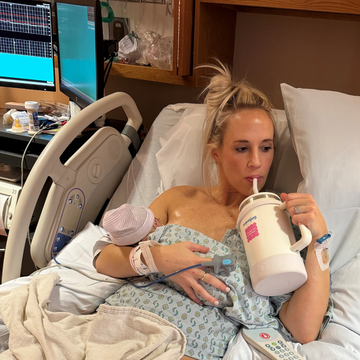
momjug breastfeeding water bottle 50oz double-wall s...
$49.99
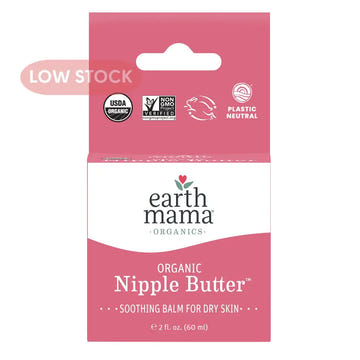
Organic Nipple Butter™ - Double-Sided for Kids
$14.99
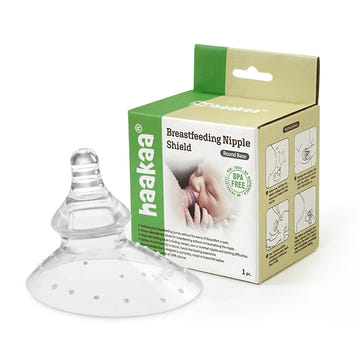
Haakaa Silicone Breastfeeding Nipple Shield Round Sh...
$19.05
Bae & Bee Boutique LactTube 5FR Pediatric Feeding Tu...
$3.00
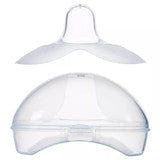
Bae & Bee Boutique Cherry Shaped Nipple Shield 21mm ...
$14.00
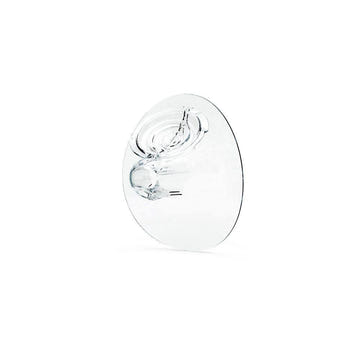
Healthy Horizons Elvie Pump Breast Shields 2 Pack 21...
$29.99
Everything for the breastfeeding journey
Take $15 off at checkout, applied automatically when you shop through this link.
Shop with BABY15 →Free US shipping over $100. Code applies automatically at checkout.
Can I still breastfeed if my nipples are already damaged?
Yes, you can continue breastfeeding even with damaged nipples, though it's important to correct the latch to prevent further injury. Focus on achieving a deeper latch with each feeding, and consider using Moogco silver nursing cups between feedings to promote natural healing. Allow your nipples to air dry after nursing, and avoid using soap or harsh products that can further irritate the skin. Many mothers find that once the latch improves, damaged nipples heal quickly.
Why does my baby keep slipping off the breast?
Babies often slip off when they haven't taken enough breast tissue into their mouth or when positioning isn't optimal. Make sure you're bringing your baby to your breast rather than leaning forward, and ensure their head, neck, and body are aligned. Wait for a wide open mouth before latching, and aim your nipple toward the roof of their mouth. If your breasts are engorged or very full, try hand expressing a little milk first to soften the areola and make latching easier.
How long does it take to master a good latch?
Every mother and baby pair is different, but many find that latching becomes easier within the first two to three weeks as both learn and adjust. Some babies latch well from the very first feeding, while others need more time and practice. Be patient with yourself and your baby during this learning period. Consistency with proper positioning and technique will help you both become more comfortable and confident with each feeding.
More Related Picks
A few more favorites from the same collection.

Mila's Keeper Silicone Breast Milk Bottle 6 oz Stand...
$36.00
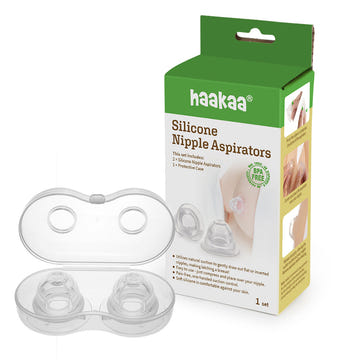
Haakaa Silicone Inverted Nipple Aspirators 2 pk
$17.99
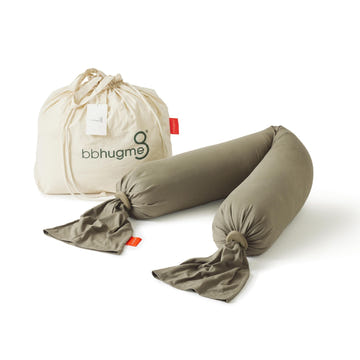
bbhugme Pregnancy Pillow Dusty Olive Adjustable Firm...
$219.00
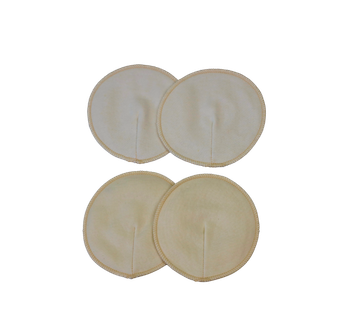
Babee Greens Contoured Nursing Pads 1 Pair Organic C...
$7.25
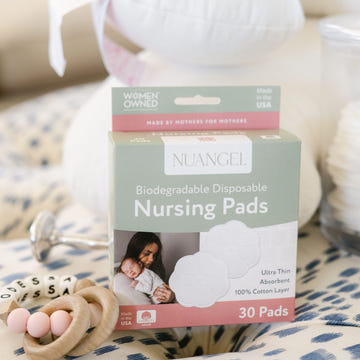
NuAngel Plant-based Disposable Nursing Pads individu...
$9.99
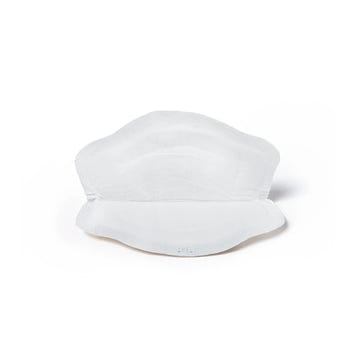
Zomee Breast Pumps Nursing Pads 100 or 200 count
$2.99
Should I hear any sounds during a good latch?
Yes, you should hear rhythmic swallowing sounds as your baby drinks, especially during let down when milk flow is stronger. These swallowing sounds indicate effective milk transfer. You should not hear clicking, smacking, or excessive air intake sounds, as these often signal a shallow latch or poor seal. A well latched baby will nurse quietly with occasional swallows and pauses, and you'll see their jaw moving in a rhythmic pattern.
What's the difference between the cradle hold and football hold for latching?
The cradle hold positions your baby across your body with their head in the crook of your arm, while the football hold tucks your baby along your side with their feet pointing toward your back. The football hold offers more head control and better visibility of the latch, making it helpful for mothers recovering from cesarean birth or those with larger breasts. Try different positions to discover which gives you and your baby the most comfortable and effective latch.
Can tongue tie affect my baby's ability to latch properly?
Yes, tongue tie can significantly impact latching because it restricts the movement of your baby's tongue, making it difficult for them to draw the breast deeply into their mouth. Signs include persistent nipple pain despite position changes, a clicking sound during feeding, and poor weight gain in your baby. If you suspect tongue tie, consult your pediatrician or a lactation consultant for evaluation. Many tongue ties can be corrected with a simple procedure that dramatically improves latching and feeding.
From Moogco Studio
Printable and personalized nursery essentials. Designed by moms for moms.


About the Editor
Eda Ulger is the editor at Moogco Baby and a mom of two. She curates and edits our guides so every piece is honest, practical, and genuinely helpful for the early days of motherhood.
Shop This Story
Picks related to this guide, ready to ship from Moogco.

Holistic Lactation Advanced Lactation Formula 30 Ser...
$34.99
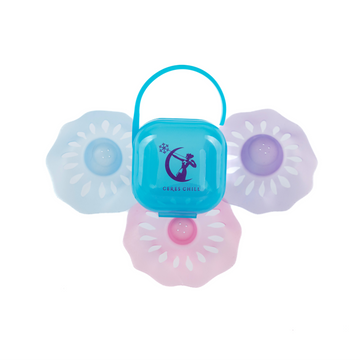
Ceres Chill Shield Maiden Nipple Shields 2pc or 3pc ...
$14.50

WishGarden Herbs Milk Rich Supply Booster pump top b...
$26.99

Wendy Anne Lounger Slip Cover Organic Cotton Waterpr...
$49.00
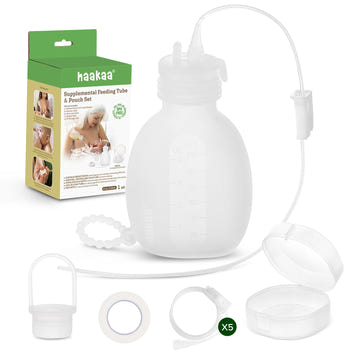
Haakaa Supplemental Feeding Tube and Pouch Set Size ...
$33.99

Milky Mama Dairy Duchess Raspberry Breastfeeding Sup...
$27.00

Preggie Drops Plus Morning Sickness Relief Lollies, ...
$13.75
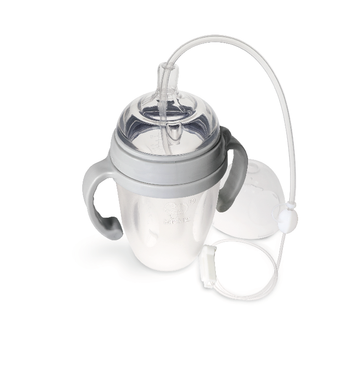
Haakaa Supplemental Feeding Combo 250ml Bottle with ...
$32.99
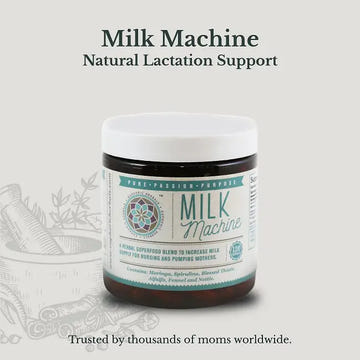
Euphoric Herbals Milk Machine lactation supplement 2...
$19.99

Euphoric Herbals Super Salve Nursing Salve no essent...
$10.00