


For many new mothers, the decision to breastfeed or not can come with a lot of pressure, both from societal expectations and personal hopes. It’s common to feel guilty if you’re unable to breastfeed, or if you’ve chosen not to for a variety of reasons. However, it’s important to remember that feeding your baby is a deeply personal choice, and the most important thing is that your baby is healthy, loved, and nourished—no matter how they’re fed.
In this blog, we’ll talk about the emotional challenges that come with the decision not to breastfeed, why it’s okay to let go of the guilt, and how to embrace your journey as a parent with confidence.
The Pressure to Breastfeed
From the moment pregnancy begins, many mothers are encouraged—sometimes even pressured—to choose breastfeeding as the best option for their baby. While breastfeeding offers undeniable benefits, it’s not the only way to nourish your child. Sometimes, breastfeeding isn’t possible due to medical conditions, insufficient milk supply, or personal preferences. Regardless of the reason, mothers who don’t breastfeed often feel judged or question their decisions.
This pressure can make many women feel like they’re failing if they don’t breastfeed, but the reality is that every family’s circumstances are different, and what works for one may not work for another.
Why Guilt Happens
Guilt often stems from the belief that breastfeeding is the only “right” way to feed a baby. This belief is reinforced by well-meaning advice from friends, family members, and healthcare providers, along with social media posts portraying breastfeeding as the gold standard of motherhood. When a mother can’t or chooses not to breastfeed, it can trigger feelings of inadequacy or failure. But it’s essential to remember that guilt doesn’t serve you or your baby.
The most important factor is that your baby is fed, whether it’s through breastfeeding, formula feeding, or a combination of both. Every mother’s situation is unique, and you should never feel ashamed for making the choice that’s best for your family.
The Emotional Journey of Letting Go
If you’re struggling with guilt about not breastfeeding, it’s important to give yourself grace. Parenting is full of difficult decisions, and feeding is just one of them. Here are a few ways to start letting go of the guilt:
- Acknowledge your feelings: It’s okay to feel sad or disappointed if breastfeeding didn’t go as planned. Allow yourself to grieve, but also remind yourself that this doesn’t define you as a parent.
- Focus on what you can control: You’re providing your baby with the nutrition and love they need to thrive. Celebrate the care and attention you’re giving, no matter what form feeding takes.
- Build a support system: Surround yourself with people who encourage and uplift you, rather than criticize your decisions. Share your feelings with trusted friends, family, or a counselor if you’re struggling with guilt.
The Benefits of Formula Feeding
If you’re feeding your baby with formula, it’s important to remember that formula provides the essential nutrients your baby needs to grow and develop. Formula-fed babies can still be healthy, strong, and bonded to their mothers. In fact, formula feeding offers some benefits that breastfeeding mothers may not experience, such as:
- More flexibility: Formula feeding can allow other caregivers to share feeding responsibilities, which can help lighten the load for new moms and give them more time to rest or return to work.
- More predictability: Formula-fed babies tend to eat on a more predictable schedule, which can be comforting for parents who are seeking routine.
- Knowing the amount: With formula, you can see exactly how much your baby is consuming at each feeding, which can help you monitor their intake and growth.
Self-Care for Formula-Feeding Mothers
Choosing not to breastfeed can sometimes leave mothers feeling disconnected from the typical breastfeeding support circles. However, self-care is just as important for formula-feeding moms. Here are some tips to ensure you’re taking care of yourself emotionally:
- Be kind to yourself: You are doing an amazing job as a mother, regardless of how your baby is fed. Practice self-compassion and acknowledge the hard work you put in each day.
- Stay informed: Learn about safe formula-feeding practices, sterilization of bottles, and proper storage to give yourself peace of mind that your baby is getting what they need.
- Seek community: Look for groups, either online or in your local area, where mothers share their experiences of formula feeding. Knowing you’re not alone can make a big difference in your confidence as a parent.
Picks From This Story
Picks related to this guide, ready to ship from Moogco.
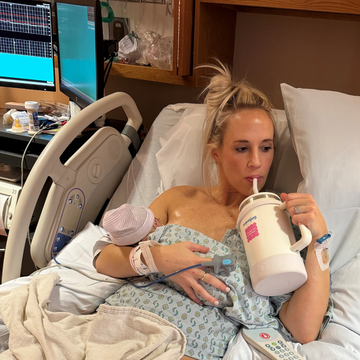
momjug breastfeeding water bottle 50oz double-wall s...
$49.99
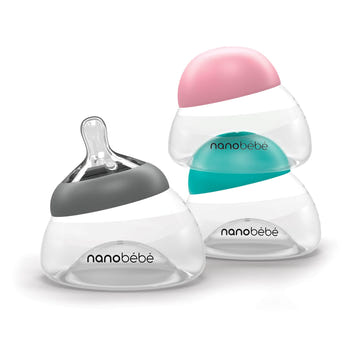
Nanobébé Breastmilk Baby Bottle 5 oz Pack Options Pi...
$16.99
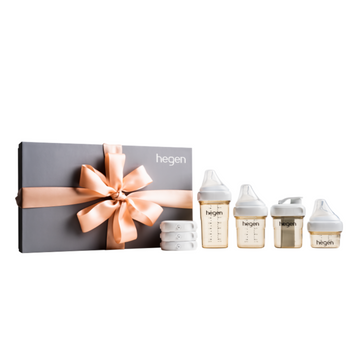
hegen PPSU Essentials Kit 60ml 150ml 240ml baby bottles
$99.99
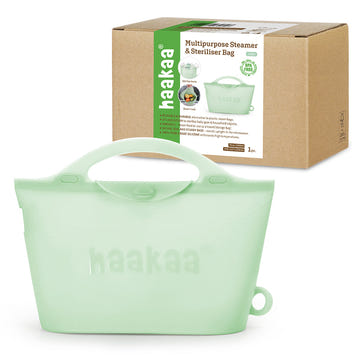
Haakaa Multipurpose Steamer & Sterilizer Bag 3 sizes...
$14.99
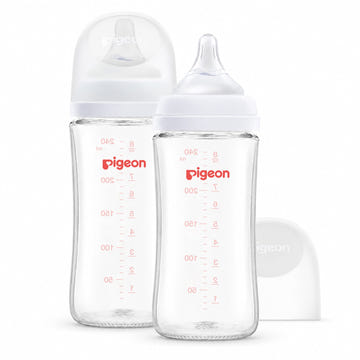
Pigeon Glass Wide Neck Baby Bottle 2-Pack 8.1 oz 3+ ...
$35.99
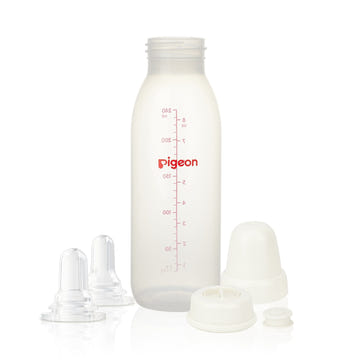
Pigeon Baby Cleft Lip/Palate Bottle 8.11 Oz 2 Nipples
$19.90
The Role of Moogco Silver Nursing Cups
While breastfeeding might not be the path every mother chooses, for those who do breastfeed, Moogco Silver Nursing Cups can be a valuable resource. These eco-friendly cups provide relief from soreness and help promote healing, making breastfeeding a more comfortable experience for mothers. If you’ve tried breastfeeding but encountered discomfort or challenges, products like these can offer support to help you continue your journey with more ease.
Conclusion: Trust Your Journey
Motherhood comes with enough challenges without the added weight of guilt over how you feed your baby. Whether you choose breastfeeding, formula feeding, or a combination of both, your baby’s health and happiness are what matter most. Trust yourself to make the best decisions for your child, and know that you’re providing the love and care that will help them thrive.
Let go of the guilt and embrace your unique journey—you’re doing an incredible job.
Bring this guide home with $15 off.
Use code READER15 for $15 off →
Featured pick from Moogco
MOOGCO Silver Nursing Cups 925k Silver - Protect Against Sore Breasts And Nipple Irritation
$45.90 $49.90
Shop this pick → Frequently Asked Questions
Is it normal to feel guilty about not breastfeeding my baby?
Yes, many mothers experience guilt around feeding decisions due to societal pressure and personal expectations. These feelings are completely valid, but it's important to remember that guilt doesn't serve you or your baby. What matters most is that your baby is fed, loved, and thriving, regardless of the feeding method you choose.

Will my baby still bond with me if I formula feed?
Absolutely. Bonding happens through eye contact, skin-to-skin time, responsive care, and loving interaction during feeding, not just through breastfeeding itself. Formula-fed babies form just as strong attachments to their parents as breastfed babies. The love and attention you provide during every feeding is what creates that deep connection.
Curated by moms, vetted by lactation pros
Everything for the breastfeeding journey
Take $15 off at checkout, applied automatically when you shop through this link.
Shop with READER15 →Free US shipping over $100. Code applies automatically at checkout.
More Related Picks
A few more favorites from the same collection.
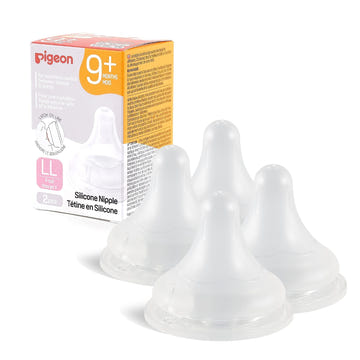
Silicone Nipple (LL), 9+ Months
$21.99
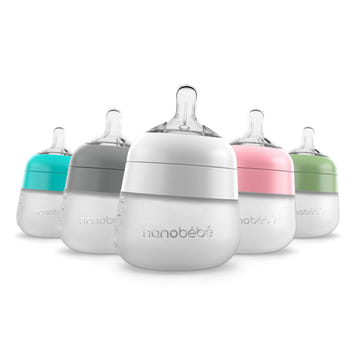
Nanobébé Flexy Silicone Baby Bottle 5oz
$16.99

Nanobébé Silicone Anti-Colic Baby Bottle Nipples Gen...
$5.99
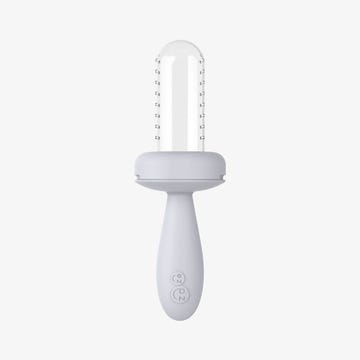
ezpz Baby-Led Gumline Feeder silicone pouch for baby...
$13.99
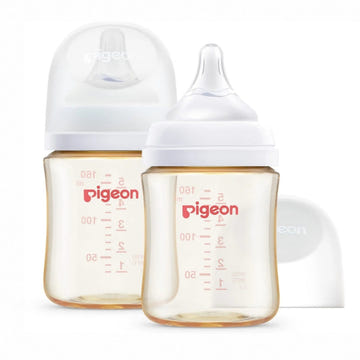
Pigeon PPSU Wide Neck Baby Bottle 2 Pack 5.4 oz Newborn
$34.99
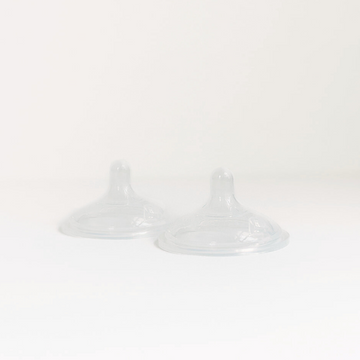
Mason Bottle Silicone Nipples 2 Pack Regular-Mouth B...
$12.99
How do I respond to people who judge my decision not to breastfeed?
You can set firm boundaries with a simple response like, "This is what works best for our family." Remember, you don't owe anyone an explanation for your feeding choices. Surround yourself with supportive people who respect your decisions, and distance yourself from those who make you feel judged or inadequate.
Can formula-fed babies be just as healthy as breastfed babies?
Yes, formula-fed babies can absolutely grow up healthy and strong. Modern infant formulas are carefully designed to provide all the essential nutrients babies need for proper growth and development. Many formula-fed babies reach all their milestones on time and have excellent health outcomes throughout childhood.
What if I feel like I'm missing out on the breastfeeding experience?
It's natural to feel a sense of loss if breastfeeding didn't work out as you hoped. Allow yourself to grieve that experience, but also recognize the many other ways you're nurturing your baby. Formula feeding offers its own benefits, like shared feeding responsibilities and more flexibility, which can enhance your overall parenting experience.
How can I find support as a formula-feeding mom?
Look for online communities and local parenting groups that are inclusive of all feeding methods. Many modern mom groups celebrate fed is best and provide judgment-free spaces to share experiences. Talking to other formula-feeding moms can help you feel less isolated and more confident in your choices.
Is it okay to switch from breastfeeding to formula if it's not working?
Yes, it's completely okay to make changes to your feeding plan based on what's working for you and your baby. Many mothers use a combination of breastfeeding and formula, or transition fully to formula for various reasons. Your mental and physical health matter, and a happy, healthy mom is what your baby needs most.
How do I stop comparing myself to breastfeeding mothers?
Focus on your own journey and what's working for your family rather than measuring yourself against others. Remember that social media often shows a curated version of reality, not the full picture. Practice self-compassion and remind yourself daily that you're making the best choices for your unique situation, and that's what matters.
From Moogco Studio
Printable and personalized nursery essentials. Designed by moms for moms.


About the Editor
Eda Ulger is the editor at Moogco Baby and a mom of two. She curates and edits our guides so every piece is honest, practical, and genuinely helpful for the early days of motherhood.
Shop This Story
Picks related to this guide, ready to ship from Moogco.
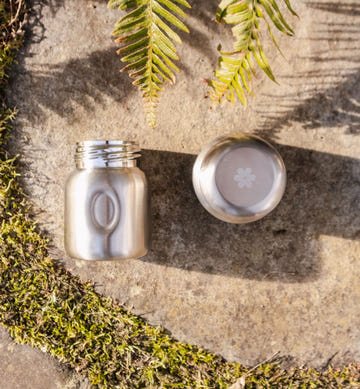
better baby care Better Baby Bottle Pair Plastic-free
$45.00
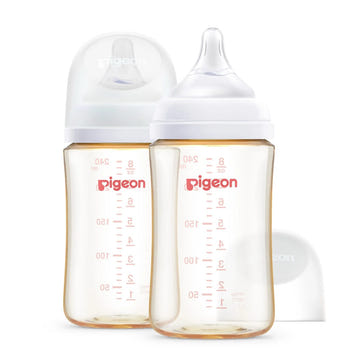
Pigeon PPSU Wide Neck Baby Bottles 2 Pack 8.1 oz 3+ ...
$35.99
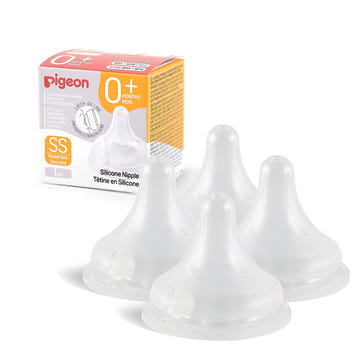
Pigeon Silicone Nipple SS 0+ Months Latch-On Line An...
$22.99
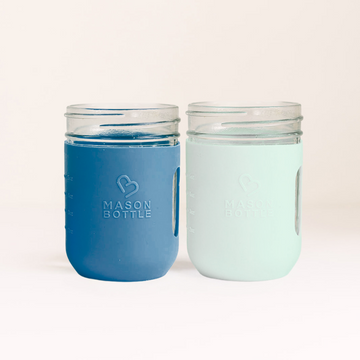
Mason Bottle Silicone Sleeve 2-Pack Fits 4 oz and 8 ...
$16.99
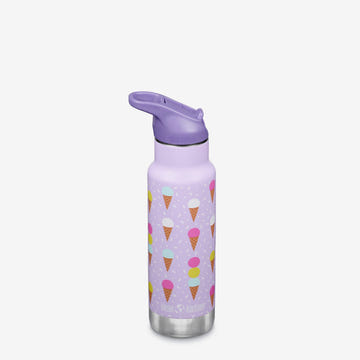
Klean Kanteen 12oz Kid's Classic Insulated Bottle Fl...
$25.95
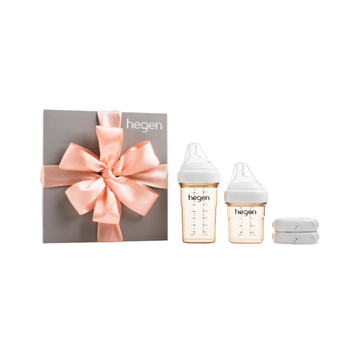
hegen PPSU Baby Bottle Starter Kit 150ml 240ml 0-6 m...
$59.99
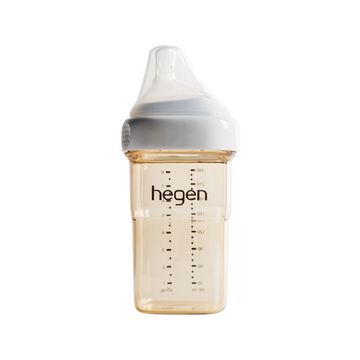
hegen PPSU Anti-Colic Baby Bottle 240ml White Medium...
$24.99
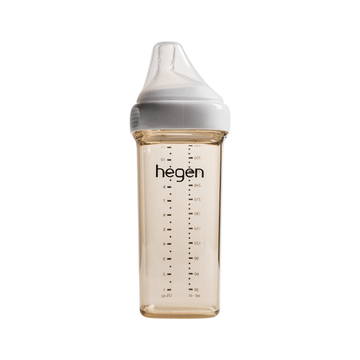
hegen PPSU Anti-Colic Baby Bottle 330ml 11oz White F...
$27.99
ezpz Baby-Led Tiny Spoons infant self-feeding spoons
$15.99
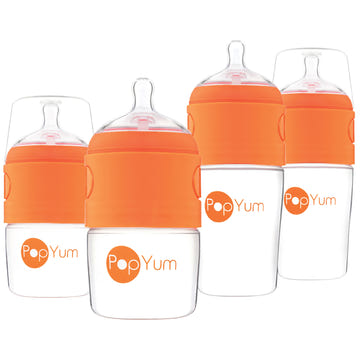
PopYum Baby Bottle Starter Set 4-Pack Orange 5oz 9oz
$44.99