


Featured pick from Moogco
MOOGCO Silver Nursing Cups 925k Silver - Protect Against Sore Breasts And Nipple Irritation
$45.90 $49.90
Shop this pick → Bring this guide home with $15 off.
Use code MAMA15 for $15 off →Frequently Asked Questions
Can seasonal allergies affect my breast milk supply?
Seasonal allergies themselves typically do not directly affect milk supply. However, certain decongestant medications containing pseudoephedrine can reduce milk production. It's best to manage allergy symptoms with antihistamines or nasal sprays that are safe for breastfeeding and won't impact your supply.

Will my baby develop allergies if I have them while breastfeeding?
Having allergies while breastfeeding does not cause your baby to develop allergies. In fact, breastfeeding may actually help protect your baby from developing allergies later in life. Breast milk contains antibodies and immune factors that support your baby's developing immune system.
Curated by moms, vetted by lactation pros
Picks From This Story
Picks related to this guide, ready to ship from Moogco.
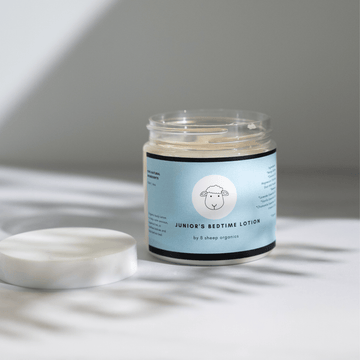
8 Sheep Organics Juniors Bedtime Lotion deep sea mag...
$23.00
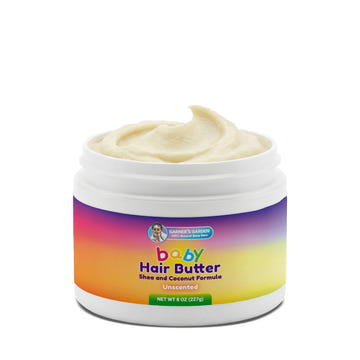
Garner's Garden Baby Hair Butter Unscented 100% All-...
$15.00
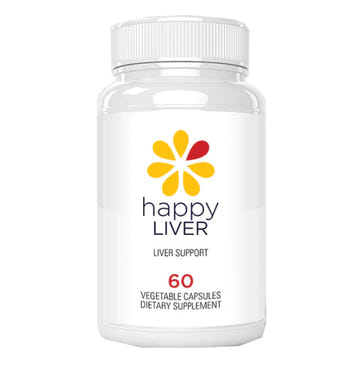
Happy Liver
$29.95
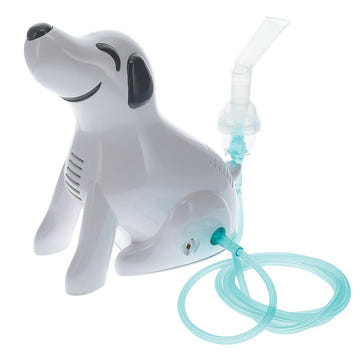
LL Medico BodyMed Pediatric Dog Compressor Nebulizer...
$29.99
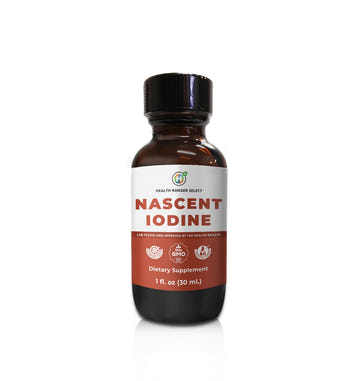
Health Ranger Store Nascent Iodine 1 fl oz 2% Cap Lo...
$41.95
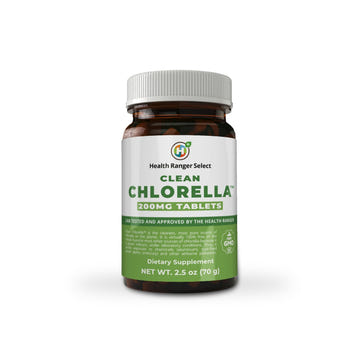
Health Ranger Store Clean Chlorella 200mg Tablets 2....
$15.95
Everything for the breastfeeding journey
Take $15 off at checkout, applied automatically when you shop through this link.
Shop with MAMA15 →Free US shipping over $100. Code applies automatically at checkout.
How long after taking allergy medication should I wait to breastfeed?
Most modern antihistamines like loratadine and cetirizine are safe to take without waiting between doses and nursing sessions. These medications pass into breast milk in very small amounts that are generally considered safe for babies. Always consult your healthcare provider about timing for specific medications.
Can I use essential oils to manage allergy symptoms while breastfeeding?
Essential oils should be used with extreme caution while breastfeeding, as some can be harmful to infants or affect milk supply. Peppermint and sage oils, for example, may decrease milk production. If you want to try natural remedies, stick with safer options like saline rinses and steam inhalation, and always discuss with your doctor first.
Is it safe to get allergy shots while breastfeeding?
Continuing allergy immunotherapy shots while breastfeeding is generally considered safe if you were already receiving them before pregnancy. However, starting a new allergy shot regimen while breastfeeding is typically not recommended due to the risk of severe allergic reactions. Discuss your specific situation with your allergist and pediatrician.
More Related Picks
A few more favorites from the same collection.
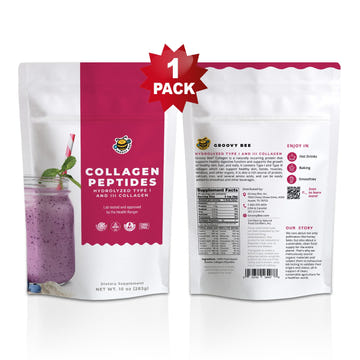
Health Ranger Store Groovy Bee Collagen Peptides Hyd...
$28.95
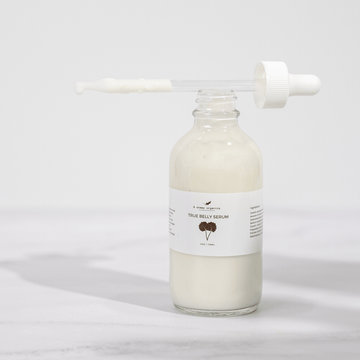
True Belly Serum
$47.00
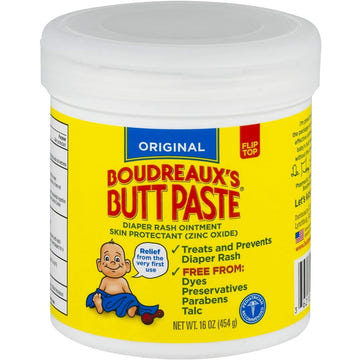
LL Medico Boudreaux's Butt Paste Rash Cream Original...
$12.99
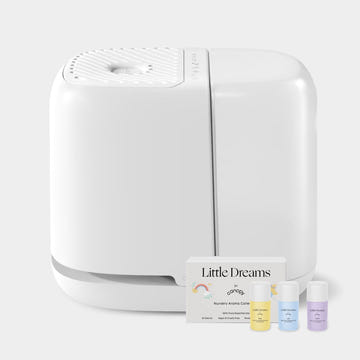
Canopy Nursery Humidifier 2.0 mold-inhibiting dishwa...
$159.00
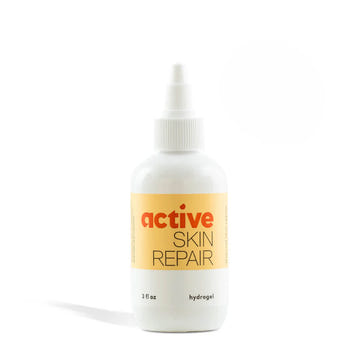
Repair Hydrogel
$34.97
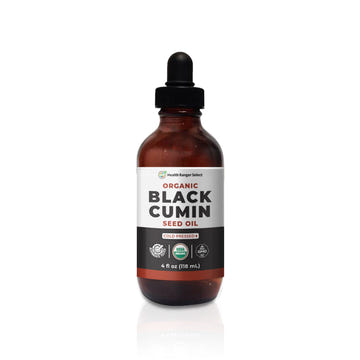
Health Ranger Store Organic Black Cumin Seed Oil 4oz...
$27.95
Can what I eat make my baby's eczema or allergies worse?
In some cases, proteins from foods you eat can pass through breast milk and trigger reactions in babies with food sensitivities. Common culprits include dairy, eggs, soy, and nuts. If you suspect your baby is reacting to something in your diet, keep a food diary and work with your pediatrician to identify potential triggers before eliminating foods.
Are nasal saline rinses safe to use while breastfeeding?
Yes, saline nasal rinses and sprays are completely safe to use while breastfeeding and are an excellent drug-free option for managing allergy symptoms. They help flush out allergens and mucus from nasal passages without any risk to your baby. You can use them as often as needed throughout the day.
Will taking antihistamines make my baby sleepy or fussy?
Newer-generation antihistamines like loratadine and cetirizine are less likely to cause drowsiness in babies because they pass into breast milk in minimal amounts. Older antihistamines like diphenhydramine may cause more drowsiness in infants. If you notice changes in your baby's sleep patterns or behavior after starting any medication, contact your pediatrician right away.
From Moogco Studio
Printable and personalized nursery essentials. Designed by moms for moms.


About the Editor
Eda Ulger is the editor at Moogco Baby and a mom of two. She curates and edits our guides so every piece is honest, practical, and genuinely helpful for the early days of motherhood.
Shop This Story
Picks related to this guide, ready to ship from Moogco.
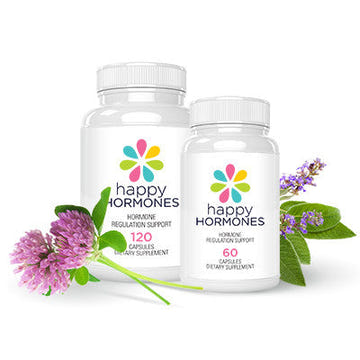
Happy Hormones
$29.95
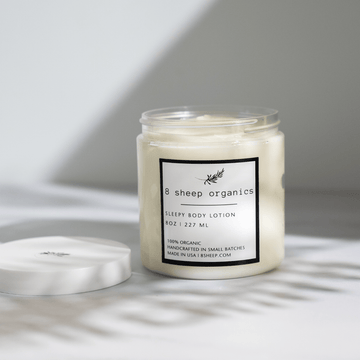
8 Sheep Organics Organic Sleepy Body Lotion for Preg...
$29.00
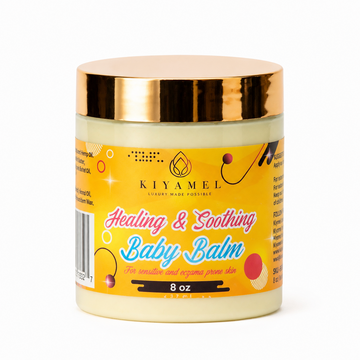
Kiyamel Baby Balm Natural Diaper Rash Cream 8 oz
$49.99
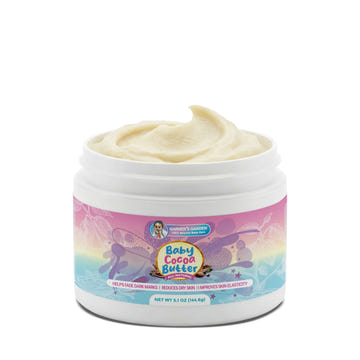
Garner's Garden Baby Cocoa Butter whipped moisturizi...
$10.00
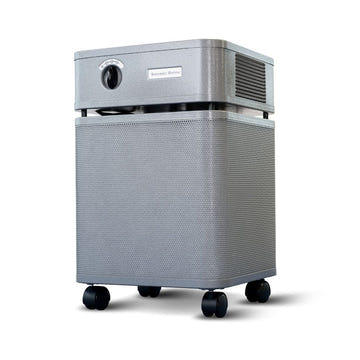
Austin Air Immunity Machine
$1,145.00
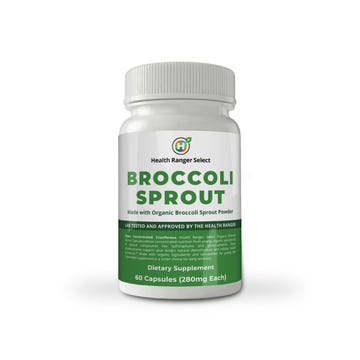
Health Ranger Store Broccoli Sprout Capsules 60 Orga...
$26.95
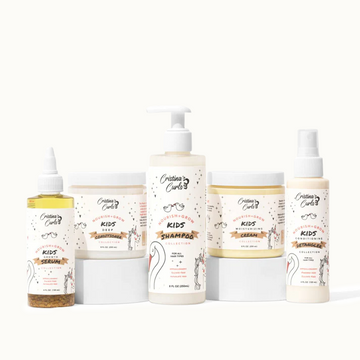
Nourish + Grow Essentials Set
$120.00
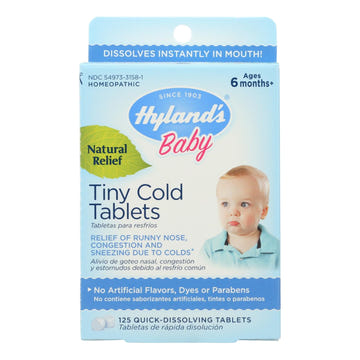
Cozy Farm Hyland's Baby Tiny Cold Tablets 125 Count
$16.88
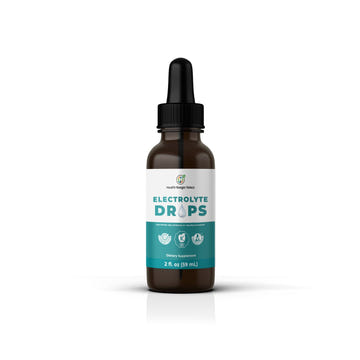
Health Ranger Store Electrolyte Drops 2 fl oz travel...
$12.95
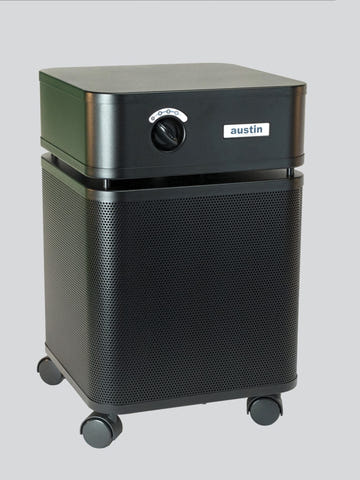
Austin Air Healthmate
$845.00