


From food sensitivities to seasonal sniffles, allergies can be a challenging part of toddlerhood. Understanding the signs and learning how to respond calmly can help you keep your child safe and allow them to enjoy a full, active life.
Dr. Hannah Lewis, Pediatric Allergist: “Allergies don’t have to control your family’s life. With knowledge and preparation, you can give your child freedom and safety.”
Common Allergies in Toddlers
✔️ Food Allergies: Cow’s milk, eggs, peanuts, tree nuts, soy, wheat, fish, and shellfish
✔️ Environmental Allergies: Pollen, pet dander, dust mites, mold
✔️ Skin Allergies: Eczema, contact dermatitis

Picks From This Story
Picks related to this guide, ready to ship from Moogco.
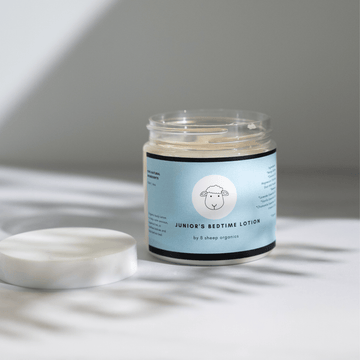
8 Sheep Organics Juniors Bedtime Lotion deep sea mag...
$23.00
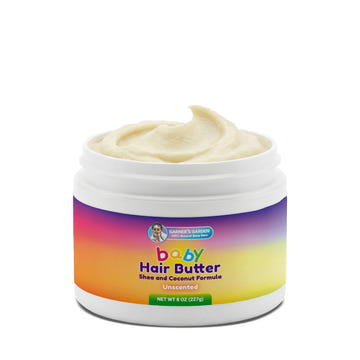
Garner's Garden Baby Hair Butter Unscented 100% All-...
$15.00
Happy Liver
$29.95
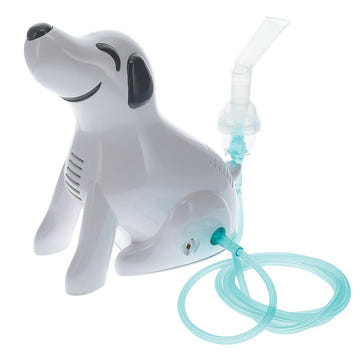
LL Medico BodyMed Pediatric Dog Compressor Nebulizer...
$29.99
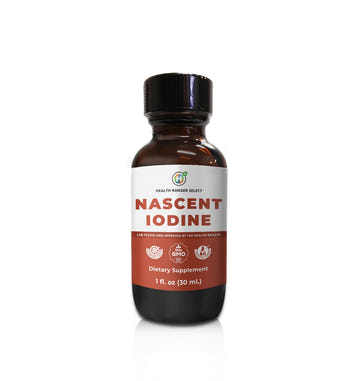
Health Ranger Store Nascent Iodine 1 fl oz 2% Cap Lo...
$41.95
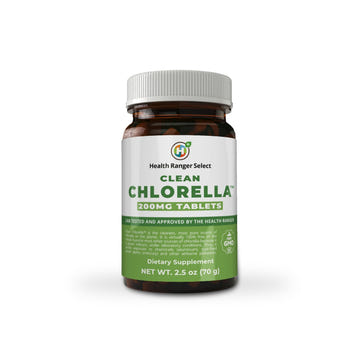
Health Ranger Store Clean Chlorella 200mg Tablets 2....
$15.95
Recognizing Allergy Symptoms
Mild Symptoms
✔️ Itchy or watery eyes
✔️ Sneezing and nasal congestion
✔️ Mild rash or hives
Free US shipping over $100
Real essentials, picked by real moms
Take 25% off at checkout, applied automatically when you shop through this link.
Shop with READER25 →Free US shipping over $100. Code applies automatically at checkout.
Severe Symptoms (Seek Emergency Help)
✔️ Swelling of face, lips, or tongue
✔️ Difficulty breathing or wheezing
✔️ Vomiting or diarrhea after eating certain foods
✔️ Dizziness or fainting (signs of anaphylaxis)
Dr. Joshua Patel, Pediatrician: “If you suspect a severe reaction, administer epinephrine and call 911 immediately.”
How to Manage Toddler Allergies
1. Identify Triggers
✔️ Keep a food diary if you suspect food sensitivities
✔️ Consult an allergist for testing if needed
2. Create an Allergy Action Plan
✔️ Work with your pediatrician to develop a clear plan for managing exposures and reactions
✔️ Share the plan with caregivers, daycare, and family members
3. Always Carry Emergency Medication
✔️ Keep antihistamines or an epinephrine auto-injector (if prescribed) on hand
✔️ Teach older toddlers not to share food and to recognize their allergens
More Related Picks
A few more favorites from the same collection.
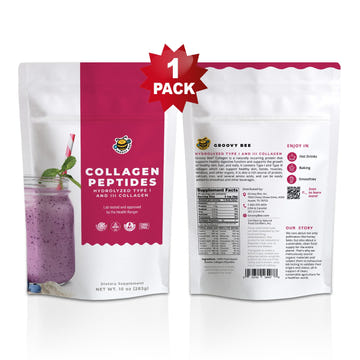
Health Ranger Store Groovy Bee Collagen Peptides Hyd...
$28.95
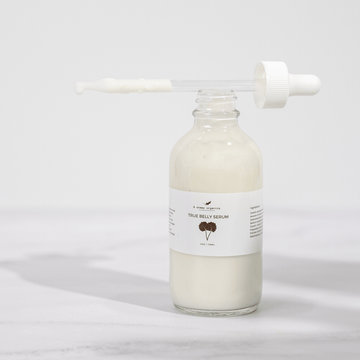
True Belly Serum
$47.00
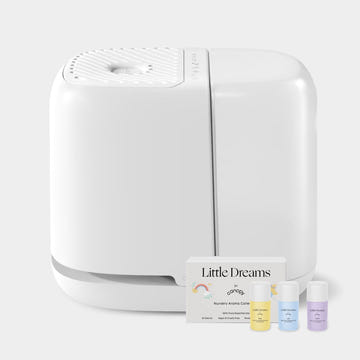
Canopy Nursery Humidifier 2.0 mold-inhibiting dishwa...
$159.00
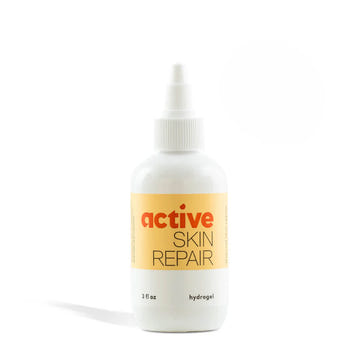
Repair Hydrogel
$34.97
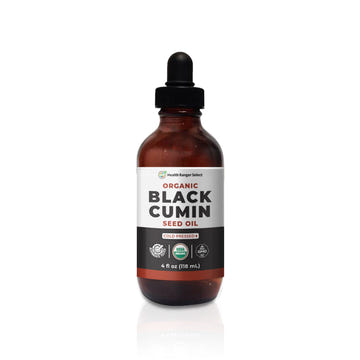
Health Ranger Store Organic Black Cumin Seed Oil 4oz...
$27.95
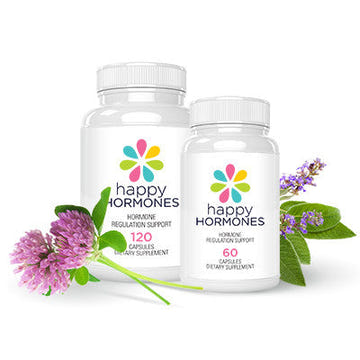
Happy Hormones
$29.95
Tips for Reducing Environmental Allergies
✔️ Use hypoallergenic bedding and wash it weekly in hot water
✔️ Vacuum frequently with a HEPA filter
✔️ Keep windows closed during high pollen seasons
✔️ Bathe your toddler after outdoor play to remove allergens from skin and hair
The Role of Moogco Silver Nursing Cups
If you’re breastfeeding a toddler with allergies, you may be adjusting your own diet too. While you support your child, remember to care for yourself—Moogco Silver Nursing Cups provide natural antibacterial relief for sore nipples during this journey.
📌 Shop here: Moogco Silver Nursing Cups on Amazon
Final Thoughts: Calm, Prepared, and Confident
Toddler allergies can feel daunting at first, but with preparation and education, you’ll build a safe environment where your child can thrive.
🛒 Explore allergy-friendly products and parenting support at Moogco Baby.
Bring this guide home with 25% off.
Use code READER25 for 25% off →
Featured pick from Moogco
The Original Silver Nursing Cups with Silicone Pads
$62.90 $74.90
Shop this pick → Frequently Asked Questions
At what age do most toddler allergies first appear?
Food allergies often appear in the first year or two of life, while environmental allergies like pollen or pet dander typically emerge around age 2 to 3. Some children outgrow certain allergies, especially milk and egg sensitivities, by school age. Always consult your pediatrician if you notice consistent symptoms after introducing new foods or exposure to environmental triggers.
Can I still breastfeed my toddler if they have food allergies?
Yes, breastfeeding can actually be beneficial for toddlers with food allergies. You may need to eliminate certain allergens from your own diet if your child reacts through your milk. Work closely with your pediatrician or allergist to identify triggers and maintain a balanced diet for yourself while supporting your little one's health.
How do I explain food allergies to my toddler in a way they understand?
Use simple, age-appropriate language like, "This food can make your tummy hurt, so we choose safe foods instead." Reinforce that certain foods are "not for you" without making them feel scared or different. Role-playing and reading allergy-friendly children's books together can help normalize the concept and empower your child to speak up about their needs.
What's the difference between a food allergy and a food intolerance in toddlers?
A food allergy involves the immune system and can cause serious reactions like hives, swelling, or anaphylaxis. A food intolerance usually affects digestion, causing symptoms like gas, bloating, or diarrhea, but is not life-threatening. If you suspect either, keep a detailed food diary and discuss symptoms with your pediatrician for proper testing and diagnosis.
Should I avoid giving my toddler common allergens like peanuts if allergies run in our family?
Current guidelines actually recommend introducing common allergens early, even in families with a history of allergies, as this may reduce the risk of developing allergies. Talk to your pediatrician before introducing high-risk foods, especially if your child has severe eczema or a known food allergy. Controlled, early exposure under medical guidance is often the safest approach.
How often should I replace my toddler's epinephrine auto-injector?
Epinephrine auto-injectors expire, typically within 12 to 18 months of dispensing. Check the expiration date regularly and replace before it expires, as expired medication may not work effectively in an emergency. Set a reminder on your phone and always carry two doses when you're away from home, as some reactions require a second administration.
Can seasonal allergies affect my toddler's sleep or behavior?
Absolutely. Nasal congestion, itchy eyes, and general discomfort from seasonal allergies can disrupt sleep and make toddlers irritable or fatigued during the day. You might notice more tantrums, difficulty concentrating, or poor appetite. Managing symptoms with your pediatrician's guidance, using air purifiers, and bathing before bed can help improve sleep quality and daytime behavior.
Is it safe to use antihistamines for my toddler regularly during allergy season?
Many pediatricians do recommend daily antihistamines during peak allergy seasons for toddlers with confirmed environmental allergies. Always use medications specifically approved for your child's age and follow your doctor's dosing instructions. Non-drowsy formulas designed for children are typically safe for daily use, but ongoing symptoms should be monitored by your healthcare provider to ensure the best management plan.
From Moogco Studio
Printable and personalized nursery essentials. Designed by moms for moms.


About the Editor
Eda Ulger is the editor at Moogco Baby and a mom of two. She curates and edits our guides so every piece is honest, practical, and genuinely helpful for the early days of motherhood.
Shop This Story
Picks related to this guide, ready to ship from Moogco.
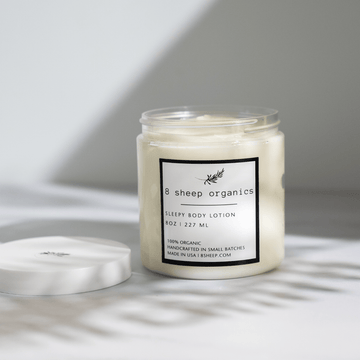
8 Sheep Organics Organic Sleepy Body Lotion for Preg...
$29.00
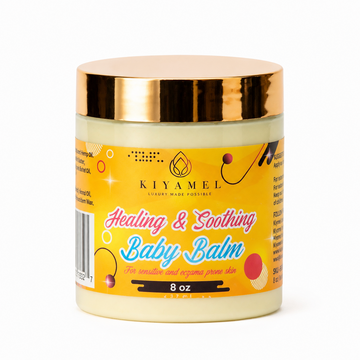
Kiyamel Baby Balm Natural Diaper Rash Cream 8 oz
$49.99
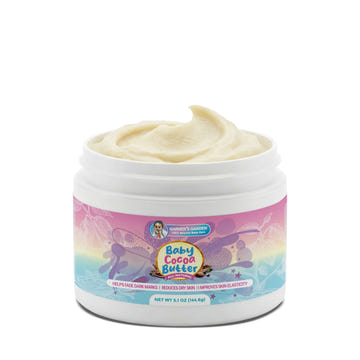
Garner's Garden Baby Cocoa Butter whipped moisturizi...
$10.00
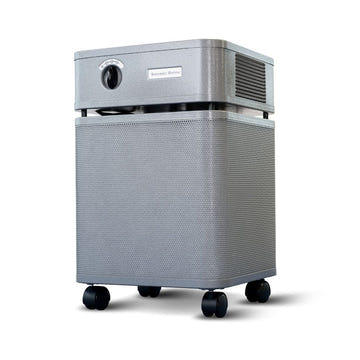
Austin Air Immunity Machine
$1,145.00
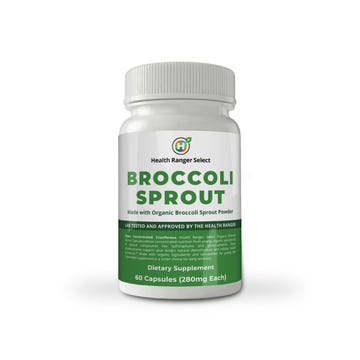
Health Ranger Store Broccoli Sprout Capsules 60 Orga...
$26.95
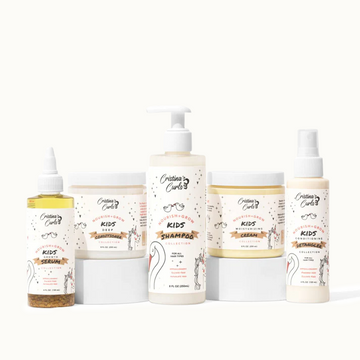
Nourish + Grow Essentials Set
$120.00
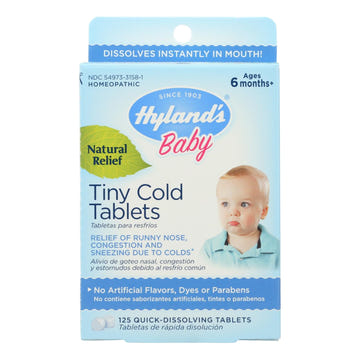
Cozy Farm Hyland's Baby Tiny Cold Tablets 125 Count
$16.88
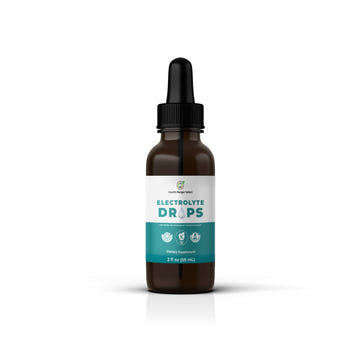
Health Ranger Store Electrolyte Drops 2 fl oz travel...
$12.95
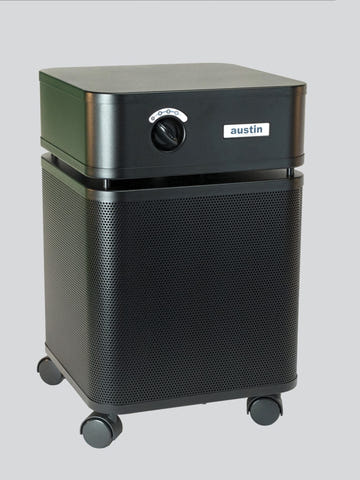
Austin Air Healthmate
$845.00
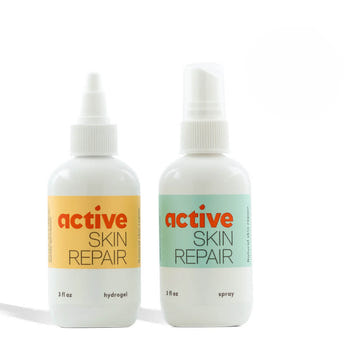
Skin Repair Double Pack
$59.97