


Breastfeeding is a beautiful and natural way to provide optimal nutrition for your baby. However, as a nursing mother, your nutrition also plays a crucial role in ensuring that both you and your baby stay healthy and energized. Maternal nutrition is vital not only for the quality of breast milk but also for your own well-being. Let’s explore the importance of maternal nutrition during breastfeeding, key nutrients to focus on, and how Moogco Silver Nursing Cups can support your breastfeeding journey.
Why Maternal Nutrition Matters
Impact on Breast Milk Quality
While breast milk is known for its perfect balance of nutrients tailored for a baby’s needs, the nutritional content can slightly vary depending on the mother’s diet. The quality of your breast milk largely depends on the vitamins and minerals you consume. While your body will prioritize essential nutrients for your milk, ensuring an adequate intake will benefit both you and your baby.
Supporting Maternal Health
Breastfeeding can be physically demanding, requiring extra calories and nutrients to maintain your energy levels and overall health. Adequate maternal nutrition helps in faster postpartum recovery, supports your immune system, and reduces the risk of nutrient deficiencies that can affect your well-being.
Key Nutrients for Lactating Mothers
1. Protein: Building Blocks for Growth
Protein is essential for both mother and baby as it supports tissue repair, muscle health, and overall growth. Good sources of protein include lean meats, eggs, dairy, legumes, nuts, and seeds. Aim to include a source of protein in every meal to keep your energy up and support your milk production.
2. Calcium: For Strong Bones and Teeth
Calcium is vital for bone health and is particularly important during breastfeeding, as your body provides a significant amount of calcium to your baby through breast milk. Ensure you get enough calcium-rich foods such as dairy products, leafy greens, tofu, almonds, and fortified plant-based milk to meet your needs.
3. Omega-3 Fatty Acids: Brain and Eye Development
Omega-3 fatty acids, particularly DHA (docosahexaenoic acid), are crucial for the development of your baby’s brain and eyes. Fatty fish like salmon, sardines, and mackerel are excellent sources of Omega-3s. If you’re vegetarian or vegan, consider flaxseeds, chia seeds, walnuts, or a DHA supplement derived from algae.
4. Iron: Energy and Vitality
Iron is essential for maintaining energy levels and supporting the immune system. After childbirth, many women may experience low iron levels, leading to fatigue. Include iron-rich foods like lean red meats, poultry, beans, lentils, spinach, and fortified cereals in your diet. Pairing these with vitamin C-rich foods can enhance iron absorption.
5. Vitamin D: Immune Support and Bone Health
Vitamin D supports bone health for both you and your baby. While it is challenging to get enough vitamin D from food alone, it is important to incorporate sources like fortified dairy or plant-based milk, egg yolks, and fatty fish. Spending some time in the sunlight can also help your body synthesize vitamin D naturally.
6. Hydration: Keeping Up Your Milk Supply
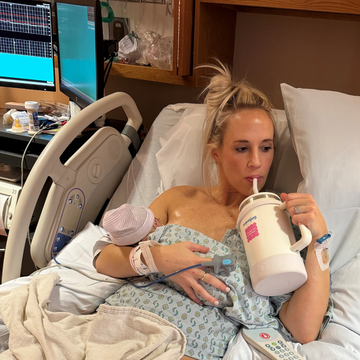
Staying well-hydrated is critical for milk production. Make it a habit to drink water frequently throughout the day. Keep a water bottle nearby during nursing sessions, and consider herbal teas or broths for variety. Avoid excessive caffeine or sugary drinks, as these can affect both you and your baby’s hydration and comfort.
Meal Planning Tips for Breastfeeding Mothers
Focus on Balanced Meals
A well-balanced diet that includes lean proteins, healthy fats, whole grains, and plenty of fruits and vegetables is essential. Aim for three main meals and two to three snacks throughout the day to meet your increased caloric needs during breastfeeding.
Choose Whole and Unprocessed Foods
Opt for whole, minimally processed foods to ensure you’re getting the maximum nutritional benefit. Fresh fruits, vegetables, whole grains, nuts, and seeds provide essential vitamins and minerals, along with fiber to aid digestion and keep you feeling full and satisfied.
Prepare Easy and Nutritious Snacks
Breastfeeding often makes you feel hungry between meals. Having nutritious snacks on hand like Greek yogurt, fruit, nuts, and whole-grain crackers can help keep your energy up. Smoothies packed with leafy greens, fruits, nuts, and seeds are also a quick and easy option for a nutrient-dense boost.
Incorporate Iron and Vitamin C-Rich Foods
Iron is vital for postpartum recovery, especially if you experienced blood loss during delivery. Combine iron-rich foods with vitamin C sources (like citrus fruits or bell peppers) to enhance absorption. A spinach salad with strawberries, or a serving of lentils with a side of broccoli, can be great choices.
The Role of Supplements During Breastfeeding
Consulting Healthcare Professionals
While a well-rounded diet provides most of the necessary nutrients, some breastfeeding mothers may need additional supplements. It’s essential to consult with a healthcare provider to discuss your specific needs. Common supplements during breastfeeding include vitamin D, DHA, and sometimes iron or calcium, depending on dietary restrictions or specific needs.
How Moogco Silver Nursing Cups Support Your Breastfeeding Journey
Natural Relief and Protection
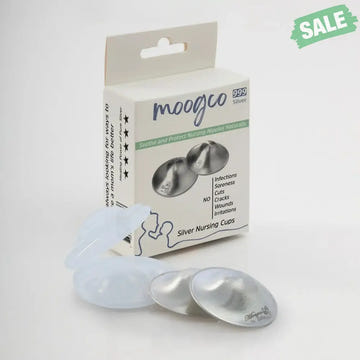
As a breastfeeding mother, comfort is key to sustaining a positive breastfeeding experience. Moogco Silver Nursing Cups provide a natural solution for sore, cracked nipples, which is a common issue during the breastfeeding period. Made from pure silver, these cups harness the natural antimicrobial, anti-inflammatory, and soothing properties of silver to provide relief and promote healing without the use of creams or lotions.
Eco-Friendly and Sustainable
Moogco Silver Nursing Cups are reusable and eco-friendly, aligning with a sustainable approach to breastfeeding. By choosing silver nursing cups, you not only care for your skin but also make a conscious choice that benefits the environment.
Picks From This Story
Picks related to this guide, ready to ship from Moogco.

The Original Silver Nursing Cups with Silicone Pads
$62.90
MOOGCO Silver Nursing Cups 999k Silver
$49.90
momjug breastfeeding water bottle 50oz double-wall s...
$49.99
Zomee Breast Pumps Breast Milk Storage Bottles BPA-free
$3.99
Nanobébé Breastmilk Baby Bottle 5 oz Pack Options Pi...
$16.99
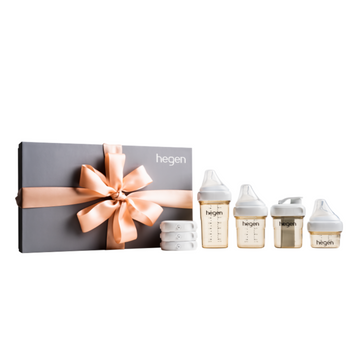
hegen PPSU Essentials Kit 60ml 150ml 240ml baby bottles
$99.99
Conclusion
Maternal nutrition plays a crucial role in ensuring both mother and baby thrive during the breastfeeding journey. By focusing on a balanced diet rich in essential nutrients like protein, calcium, omega-3s, iron, and vitamin D, you can support your baby’s growth and development while also maintaining your own health and energy levels. Remember that staying hydrated, choosing whole foods, and planning balanced meals are key to making your breastfeeding experience smoother and more enjoyable. Alongside a nutritious diet, consider the added comfort and support of Moogco Silver Nursing Cups to enhance your breastfeeding journey. Taking care of yourself is the best way to take care of your baby, ensuring both of you get the most out of this precious time together.
Bring this guide home with $15 off.
Use code MAMA15 for $15 off →
Featured pick from Moogco
MOOGCO Silver Nursing Cups 999k Silver - BPA-Free for Babies & Toddlers
$46.90 $52.90
Shop this pick → Frequently Asked Questions
How many extra calories do I need while breastfeeding?
Most breastfeeding mothers need about 300 to 500 extra calories per day to support milk production and maintain their own energy levels. Your exact needs will depend on your activity level, pre-pregnancy weight, and how much you're breastfeeding. Focus on nutrient-dense foods rather than empty calories to ensure you and your baby get the most benefit from those extra calories.

Can what I eat affect my baby's digestion or fussiness?
While breast milk is generally well-tolerated, some babies may react to certain foods in your diet, such as dairy, caffeine, spicy foods, or gas-producing vegetables. If you notice your baby becoming fussy, gassy, or experiencing rashes after you eat certain foods, try eliminating them for a few days and see if symptoms improve. Keep a food diary to help identify patterns and consult your pediatrician if concerns persist.
Curated by moms, vetted by lactation pros
Everything for the breastfeeding journey
Take $15 off at checkout, applied automatically when you shop through this link.
Shop with MAMA15 →Free US shipping over $100. Code applies automatically at checkout.
Is it safe to follow a vegetarian or vegan diet while breastfeeding?
Yes, you can safely breastfeed on a vegetarian or vegan diet as long as you're mindful about meeting your nutritional needs. Pay special attention to getting adequate protein, iron, calcium, vitamin B12, and omega-3 fatty acids through plant-based sources or supplements. Working with a healthcare provider or registered dietitian can help ensure you're meeting all your nutritional requirements for both you and your baby.
More Related Picks
A few more favorites from the same collection.
Healthy Horizons Elvie Stride Diaphragms 2 Pack
$21.99
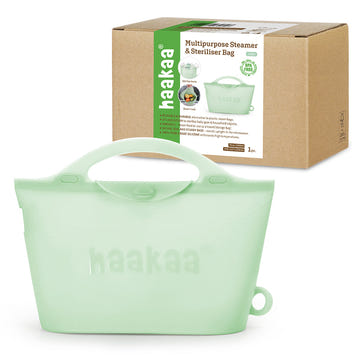
Haakaa Multipurpose Steamer & Sterilizer Bag 3 sizes...
$14.99
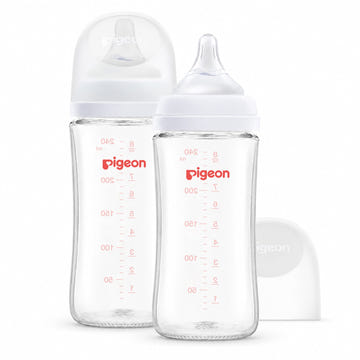
Pigeon Glass Wide Neck Baby Bottle 2-Pack 8.1 oz 3+ ...
$35.99
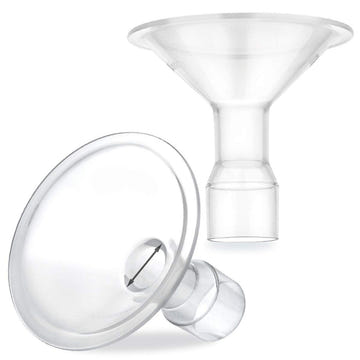
Bae & Bee Boutique Maymom Narrow Neck Flange compati...
$15.00
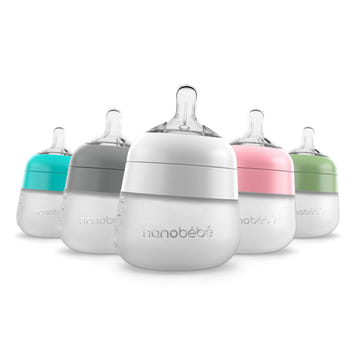
Nanobébé Flexy Silicone Baby Bottle 5oz
$16.99
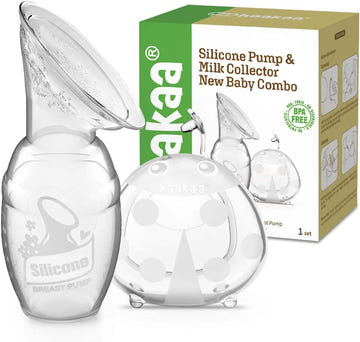
Haakaa Silicone Pump and Ladybug Milk Collector Comb...
$30.32
Should I avoid caffeine completely while nursing?
You don't need to avoid caffeine completely, but moderation is key. Most experts recommend limiting caffeine to about 200 to 300 mg per day, roughly two to three cups of coffee. Small amounts of caffeine do pass into breast milk, and some babies may become fussy or have trouble sleeping if you consume too much. Pay attention to your baby's reactions and adjust your intake accordingly.
Do I need to drink milk to make milk?
No, you don't need to drink cow's milk to produce breast milk. Your body will make nutritious milk regardless of whether you consume dairy products. If you're lactose intolerant or choose not to consume dairy, you can get calcium from leafy greens, fortified plant-based milks, tofu, almonds, and other non-dairy sources. The key is ensuring you're getting enough calcium from any source to support both your health and your baby's development.
How does dehydration affect my milk supply?
Severe dehydration can reduce your milk supply, although mild dehydration typically won't have a major impact. Breast milk is about 90% water, so staying well-hydrated helps maintain adequate production. A good rule of thumb is to drink water whenever you're thirsty and keep a glass nearby during nursing sessions. If your urine is pale yellow, you're likely well-hydrated.
Can I lose weight while breastfeeding without affecting my supply?
Yes, you can safely lose weight while breastfeeding by making healthy food choices and avoiding extreme calorie restriction. Aim for gradual weight loss of about one to one and a half pounds per week after the first month postpartum. Cutting calories too drastically can affect your milk supply and energy levels. Focus on nutrient-dense foods, regular physical activity, and listening to your body's hunger cues to lose weight safely.
Are there any foods that can naturally boost my milk supply?
While no single food is scientifically proven to dramatically increase milk supply, certain foods called galactagogues are traditionally believed to help, including oats, fenugreek, fennel, and brewer's yeast. The most important factors for maintaining good milk supply are frequent nursing or pumping, adequate hydration, sufficient calorie intake, and managing stress. If you're concerned about low supply, consult a lactation consultant to address the root cause.
From Moogco Studio
Printable and personalized nursery essentials. Designed by moms for moms.


About the Editor
Eda Ulger is the editor at Moogco Baby and a mom of two. She curates and edits our guides so every piece is honest, practical, and genuinely helpful for the early days of motherhood.
Shop This Story
Picks related to this guide, ready to ship from Moogco.
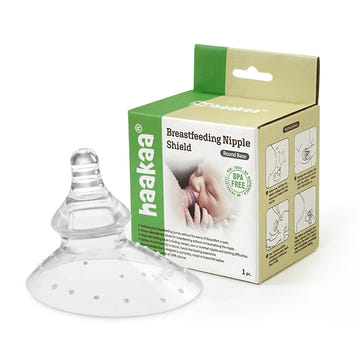
Haakaa Silicone Breastfeeding Nipple Shield Round Sh...
$19.05
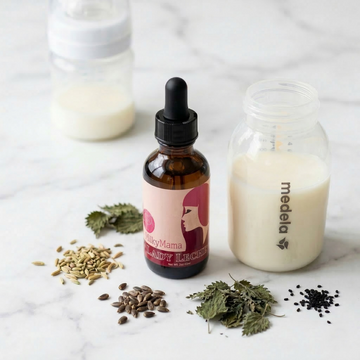
Milky Mama Lady Leche Lactation Liquid Grape Flavor ...
$27.00
Bae & Bee Boutique LactTube 5FR Pediatric Feeding Tu...
$3.00
Bae & Bee Boutique Cherry Shaped Nipple Shield 21mm ...
$14.00

Nanobébé Silicone Anti-Colic Baby Bottle Nipples Gen...
$5.99
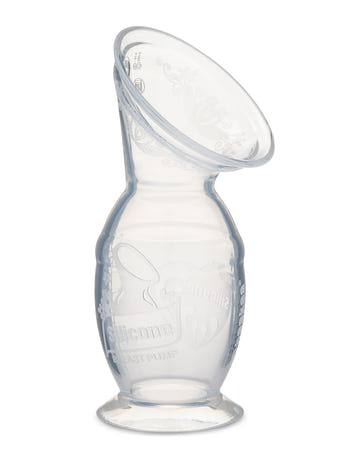
Haakaa Generation 2 Silicone Breast Pump 5 oz Suctio...
$20.99
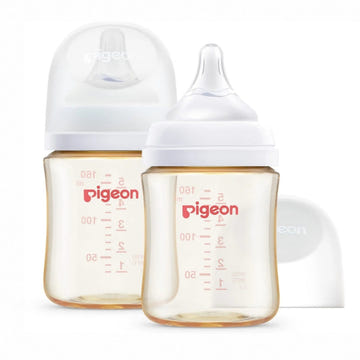
Pigeon PPSU Wide Neck Baby Bottle 2 Pack 5.4 oz Newborn
$34.99
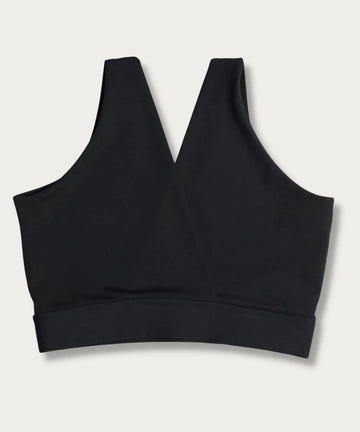
Nyssa FourthWear Postpartum Bralette Nursing and Pum...
$39.00
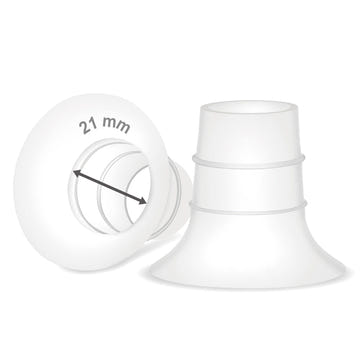
Bae & Bee Boutique Maymom Silicone Medela Flange Ins...
$6.00
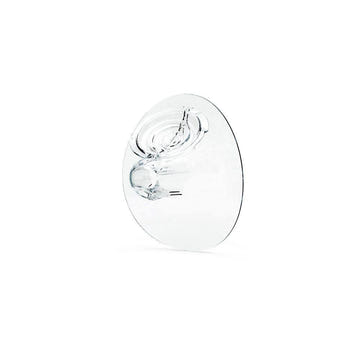
Healthy Horizons Elvie Pump Breast Shields 2 Pack 21...
$29.99