


The best Montessori toys for a one-year-old are wonderfully simple. They’re usually made from natural materials and are carefully designed to help your child master a specific skill. Think classic wooden stacking rings, chunky puzzles, or a simple ball that gets them moving—these are the kinds of toys that tap into a child's natural curiosity without all the overwhelming bells and whistles.
Welcome to the World of Purposeful Play
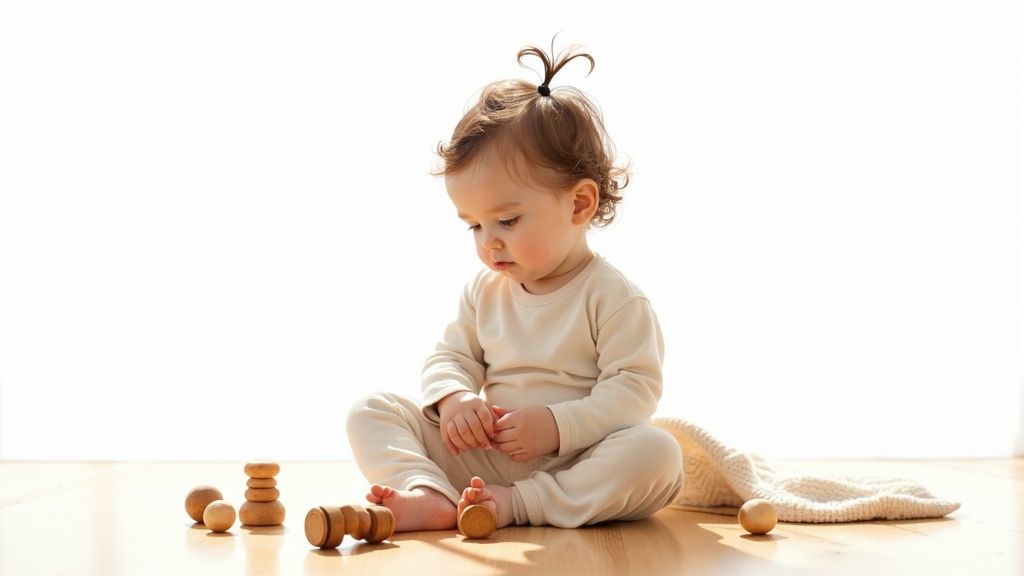
Diving into the world of Montessori can feel like a breath of fresh air, especially in a sea of noisy, flashing gadgets. Instead, you'll find beautifully crafted, simple toys, each designed with a clear purpose.
Gentle, screen-free favorites
Sensory play that builds little brains
Take 15% off at checkout, applied automatically when you shop through this link.
Shop with HAPPYSPRING →Free US shipping over $100. Code applies automatically at checkout.
These toys aren't just for keeping a toddler busy; they are thoughtful tools that honor your child’s innate drive to learn and explore. They're all about fostering independence and hands-on discovery, helping you create a space where your little one can truly blossom.
Consider this your friendly roadmap to choosing toys that will genuinely enrich your child's first adventures. It’s all about shifting from a "more is more" mindset to finding just the right toys.
The Core Idea of Purposeful Play
At its heart, the Montessori approach is about respecting the child. It sees them as a capable, curious individual on their own unique developmental journey. From this perspective, toys aren’t just distractions—they are the "work" of the child.
This "work" allows them to practice new skills, solve little problems, and make sense of the big world around them.
The greatest gifts we can give our children are the roots of responsibility and the wings of independence. - Dr. Maria Montessori
This philosophy shapes every toy choice. A simple wooden stacker is so much more than a stacker. It's a hands-on lesson in hand-eye coordination, a puzzle for understanding size and sequence, and a source of deep satisfaction when they finally get it right. That’s the magic of purposeful play, and you can learn more about how baby play supports early development in our journal.
Why Simplicity Matters for a One-Year-Old
For a brand-new one-year-old, the world is an incredibly exciting but often overwhelming place. Montessori toys bring a sense of calm and focus by isolating one skill or concept at a time. This intentional simplicity is key—it allows your child to concentrate without feeling overstimulated by too many colors, sounds, or functions.
This thoughtful approach has really resonated with parents who are passionate about early childhood development. It's not just a niche idea anymore; the global Montessori toys market is a testament to this growing interest. One market analysis projected the sector would reach approximately USD 750 million by 2025, a growth fueled by parents who see the immense value in hands-on, educational play.
Montessori Principles for Your One-Year-Old
So, what do these big ideas look like on the playroom floor? Here’s a quick look at the core Montessori principles and how they translate into meaningful play for your one-year-old.
| Montessori Principle | What It Means for a One-Year-Old | Example Toy or Activity |
|---|---|---|
| Respect for the Child | Trusting them to explore and learn at their own pace. Creating a safe, accessible play area. | A low shelf with a few carefully chosen toys they can reach themselves. |
| The Absorbent Mind | Understanding that they are soaking up everything from their environment, like a little sponge. | Talking to them, naming objects, and providing toys made of natural materials with different textures. |
| The Prepared Environment | Creating a space that is orderly, beautiful, and designed for the child's independence. | A small, child-sized table and chair for activities or a comfy floor cushion. |
| Hands-On Learning | Recognizing that children learn best by doing, not just watching. | A knobbed puzzle where they physically grasp and place each piece. |
| Freedom Within Limits | Giving the child choices and freedom to move, guided by clear and simple boundaries. | Letting them choose between two different toys, or allowing them to play uninterrupted. |
Thinking about these principles can help guide your choices, turning playtime into a rich learning experience that feels natural and joyful for everyone.
Your One-Year-Old's Amazing Developmental Journey
Watching a one-year-old is like watching a universe expand in real time. They're in the middle of a massive growth spurt, and understanding what’s happening in that busy little brain and body is the key to picking toys that truly connect with them. This isn't about pushing them to hit milestones faster; it's about giving them the right tools to explore the world at their own, perfect pace.
Every single day is packed with new discoveries. One moment they're taking a shaky, triumphant first step, and the next they're completely absorbed in the monumental task of picking up a tiny crumb off the floor.
Big Moves and Little Touches
The most obvious changes you'll see are in how they move. They're working on their gross motor skills—the big, powerful movements using their legs and arms to walk, climb, and push. A sturdy wooden push toy or a soft ball to roll back and forth are perfect for encouraging this full-body coordination.
At the same time, they're fine-tuning their fine motor skills, which involve all those small, precise muscles in their hands and fingers. You'll see this emerge in their developing pincer grasp—that delicate ability to pick up small things with just their thumb and forefinger. It's the beginning of everything, from holding a pencil to buttoning a coat years down the road.
It's no surprise that this age group is a huge focus for toymakers. In fact, toddlers aged 1-3 years old are the biggest players in the game, making up 51% of the global educational toys market share in 2023. Montessori toys for a one-year-old, like simple stacking rings or a classic shape sorter, are designed specifically to support the hand-eye coordination needed for skills like the pincer grasp. You can see more about the educational toys market on grandviewresearch.com.
How Their Little Minds Are Growing
It's not all just physical, though. Your one-year-old's brain is firing on all cylinders as it tries to figure out some pretty big ideas. They're just starting to wrap their head around object permanence, the mind-blowing realization that things still exist even when they’re out of sight.
This is exactly why a game of peek-a-boo gets such a huge giggle! It's also why one of the most iconic Montessori toys for a one-year-old is the object permanence box. It gives them a hands-on way to test this new theory over and over again.
"A child’s work is to create the person she will become. An adult works to perfect the environment, but a child works to perfect herself." - Dr. Maria Montessori
They're also discovering the pure magic of cause and effect. If I push this ball, it rolls away. If I drop this block, it makes a loud bang. Every action has a reaction, and toys that make this concept crystal clear—like a simple drum they can bang or a ball tracker they can watch—are absolutely captivating for them right now. To dive deeper into this incredible stage, check out our guide to baby's first year major milestones month-by-month.
When you start to see the connection between these developmental leaps and the toys they're drawn to, you can feel so much more confident that you're giving them exactly what they need to thrive on their amazing journey.
Picks From This Story
Picks related to this guide, ready to ship from Moogco.
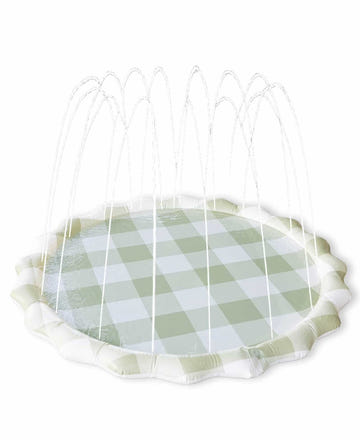
BROOKLYN NEUTRAL Green Gingham Splash Pad with Hose ...
$39.99
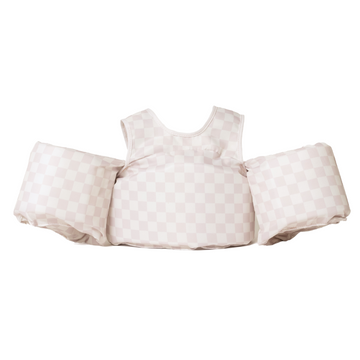
dripfloats Neutral Checkered Kids Float Vest 25-50 l...
$45.00
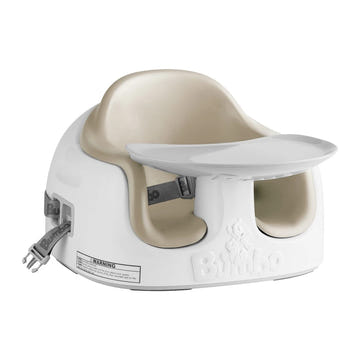
Bumbo 3-in-1 Multi Seat w/Adjustable Height, Tray In...
$69.99
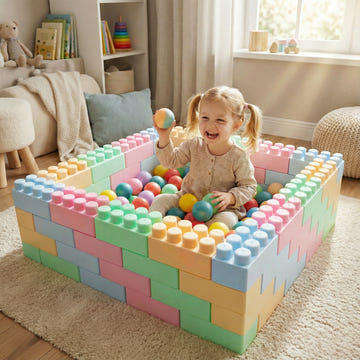
64 pcs Building Blocks for Toddlers Educational Toy ...
$110.24
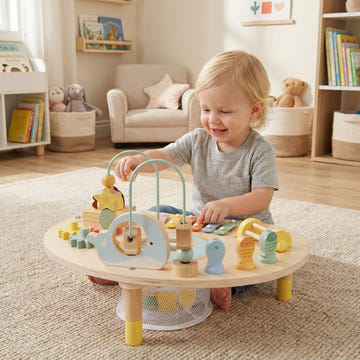
7-in-1 Toddler Activity Table Montessori Sensory Toy...
$45.14
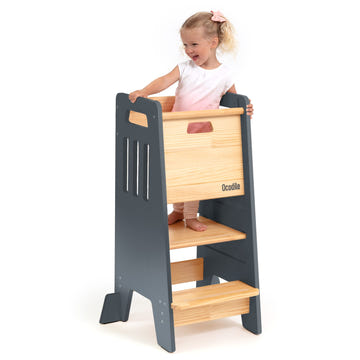
Standing Toddler Tower with Sliding Safety Door
$129.99
How to Choose the Best Montessori-Aligned Toys
Walking through a toy store can be a total sensory overload—and that’s just for us parents! When you’re trying to pick something for your one-year-old, it’s easy to get overwhelmed. The key to choosing great Montessori-aligned toys is to shift your thinking from wanting more toys to finding the right toys. It's about looking for a few simple qualities that can turn an object into a fantastic tool for learning.
First off, let’s talk about materials. Montessori toys are famous for using natural, touchable materials like wood, cotton, wool, and metal. These materials give your child a rich sensory experience that plastic just can't match. They have real weight, interesting textures, and even different temperatures, which helps connect your little one to the world around them. Think about it: a smooth, solid wooden block feels completely different from a hollow plastic one.
Next, look for simplicity. A really good Montessori toy for a one-year-old is designed to help them master one specific skill at a time. A stacking toy is just for stacking. A simple puzzle is just for fitting shapes. This focus helps your child concentrate and feel that amazing sense of accomplishment without being distracted by a bunch of flashing lights or loud sounds.
Evaluating a Toy’s Purpose and Safety
When you’re holding a toy, ask yourself one simple question: "What is its purpose?"
Does it encourage problem-solving, like a shape sorter? Does it help with fine motor skills, like a puzzle with chunky knobs? Or does it support big movements and gross motor skills, like a sturdy push walker? This idea of purposeful play is really catching on. In fact, the global educational toys market hit USD 23.06 billion in 2022, with simple indoor toys like stacking cups—a Montessori classic—leading the way as more parents focus on this kind of supervised, developmental play.
Of course, safety is the absolute top priority. It's the one thing you can't compromise on. Always check for:
- Non-toxic finishes: Make sure any paints or sealants are child-safe and water-based.
- Proper sizing: Pieces have to be large enough that they can’t become a choking hazard. A good rule of thumb is that it shouldn't fit through a toilet paper tube.
- Sturdy construction: Look for smooth, sanded edges and well-made parts that won't splinter or break under pressure.
To make things a little easier, I've put together a quick checklist.
Your Montessori Toy Selection Checklist
Use this simple checklist to confidently evaluate toys based on core Montessori principles and safety standards.
| Feature | What to Look For | Why It Matters for Your One-Year-Old |
|---|---|---|
| Material | Natural materials like wood, metal, cotton, or wool. | Provides rich sensory feedback and connects them to the real world. |
| Simplicity | Single-purpose design without lights, sounds, or batteries. | Helps build concentration and avoids overwhelming their senses. |
| Purpose | Encourages a specific skill (stacking, sorting, grasping). | Supports targeted development and a sense of mastery. |
| Child-Led | Open-ended, allowing for exploration and creativity. | Empowers them to learn at their own pace and follow their curiosity. |
| Safety | Non-toxic finishes, no small parts, and durable build. | Ensures their play environment is completely safe and worry-free. |
This checklist is a great starting point for building a toy collection that’s not just fun, but truly beneficial for your little one's growth.
A Mom’s Success Story: Overcoming Breastfeeding Challenges
Choosing the right tools isn't just about toys; it's about supporting the whole family. One mom, Sarah, told us her success story about how the early days of breastfeeding were filled with so much unexpected pain that she wasn’t sure she could continue. "I wanted that bond so badly, but it was just so uncomfortable," she shared. "I was about to give up."
Her journey completely changed when she discovered Moogco Silver Nursing Cups. She found that the natural antimicrobial and healing properties of pure silver gave her immediate, soothing relief, allowing her to heal between feedings without messy creams or lotions. For her, these simple, natural silver nursing cups were the key that allowed her to keep breastfeeding with comfort and confidence.
It's a beautiful reminder that the best solutions—for both mom and baby—are often the simplest and most natural ones.
If you’re looking for more ideas, especially with that big first birthday coming up, you might want to check out our guide to the best first birthday gifts for more safe and fun options. And for a deeper dive, take a look at our month-by-month guide to choosing the perfect toys for your baby.
Top Toy Categories for Your Curious One-Year-Old
Alright, now that we’ve covered the "why" behind Montessori toys, let's get to the fun part: the "what." Which types of toys truly resonate with a one-year-old's developmental stage?
Think of these categories not as a rigid shopping list, but as a balanced "play diet" for your child. A few carefully chosen pieces from each group can create an incredibly rich environment that supports their natural drive to learn and explore.
Toys for Gross Motor Skills
Around their first birthday, most little ones are on the verge of major mobility. They're pulling up on everything, cruising along the coffee table, and maybe even taking those wobbly first steps. This is prime time for toys that encourage these big body movements, known as gross motor skills, which are fundamental for building strength, balance, and coordination.
A simple wooden push walker is a superstar in this category. Unlike the sit-in walkers, a push walker supports a natural walking posture and gives them the freedom to practice at their own pace. Soft, lightweight balls are also perfect for encouraging them to crawl, chase, and engage their whole body in play.
Toys for Fine Motor Skills
While they’re busy conquering the living room, their little hands are also working hard to master more delicate movements. These fine motor skills—things like hand-eye coordination and the all-important pincer grasp—are the building blocks for later skills like holding a crayon or zipping a jacket.
Some of the best options for this are beautifully simple:
- Knobbed Puzzles: Start with single-shape puzzles. The chunky wooden knobs are just right for tiny fingers to grip.
- Stacking Rings: This classic toy is a masterclass in hand-eye coordination. Getting those rings onto the post is a big accomplishment!
- Posting Toys: A wooden coin box or a basic shape sorter taps into their love for putting things inside other things. It’s a repetitive, satisfying task they’ll come back to again and again.
This visual guide really breaks down what makes a toy a great developmental tool.
As you can see, it all comes back to purposeful design, safe materials, and letting the child lead the way.
Toys for Language and Sensory Exploration
At this age, your child’s brain is a little sponge, absorbing every sight, sound, and texture. Toys that offer a rich, realistic sensory experience are fantastic for building their vocabulary and their understanding of the world.
For example, realistic animal figures are a wonderful choice. While many toys are plastic, the Montessori approach often favors high-quality, true-to-life figures because they teach a child what a lion actually looks like. This connection to reality is key. You can dive deeper into this in our guide on understanding baby sensory development.
Simple instruments like a small drum, shakers, or bells are also brilliant. They offer a direct lesson in cause and effect (“When I shake this, it makes a sound!”) and help your little one discover rhythm and sound in a joyful, hands-on way.
A Mom's Story of Comfort with Moogco Nursing Cups
When we talk about choosing purposeful Montessori toys for a one year old, we’re really talking about supporting their natural development. But the Montessori philosophy is just as much about honoring the powerful bond between a parent and their child—a connection that starts long before they ever play with their first toy. For so many mothers, that bond is deeply nurtured through breastfeeding.
One mom shared her story with us, and it’s a beautiful, honest look at this often-challenging journey. She talked about the initial soreness that made her second-guess everything, even though she desperately wanted that close connection with her baby. "I was so close to stopping," she confided. "The pain was just too much, and I felt like I was failing."
Her experience took a turn for the better when she found a surprisingly simple, natural solution.
Finding Gentle, Natural Relief
She finally found the immediate, gentle relief she was looking for with Moogco Silver Nursing Cups. These simple tools gave her a way to heal naturally between feedings, acting as a soothing barrier that calmed irritation and protected her sensitive skin. Unlike messy creams, the pure silver offered a clean, effortless path to comfort.
"They were a complete game-changer. The silver nursing cups gave me the confidence to keep going. They didn't just help me heal physically; they helped preserve that precious bonding time with my baby."
This story really gets to the heart of what supportive, natural solutions can do. The same ideas that guide us in choosing Montessori toys for a one year old—simplicity, respect for natural processes—also apply to how we care for ourselves as parents.
By finding the right tools, this mom was able to breastfeed with confidence, strengthening the parent-child bond that is at the very center of the Montessori world. If you're starting your own journey, guides on how to prepare for breastfeeding can be incredibly helpful. You can learn more about the silver nursing cups that made all the difference for her and see how they can support you, too.
More Related Picks
A few more favorites from the same collection.
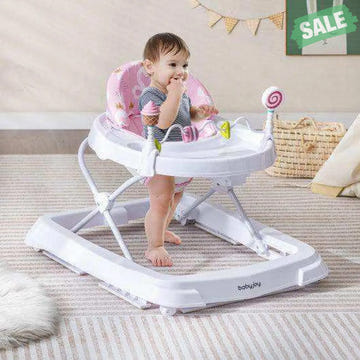
Foldable Baby Activity Walker with Adjustable Height...
$62.99
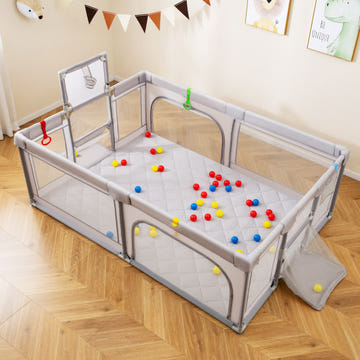
Extra Large Playpen with Basketball Hoop for Babies ...
$146.99
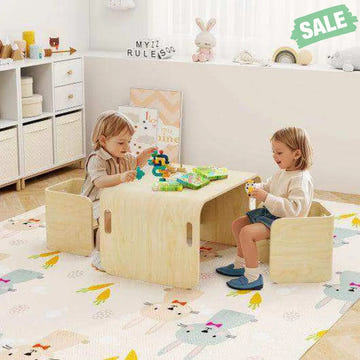
3 Pieces Kids Wooden Table and Chair Set - Easy-Clea...
$145.95
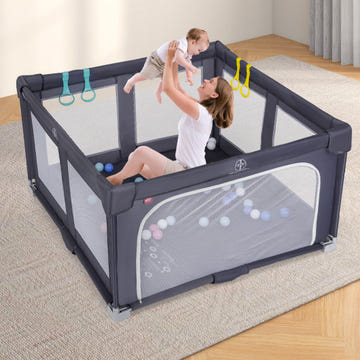
Large Baby Playpen BPA-Free Foldable Toddlers Safety...
$79.79
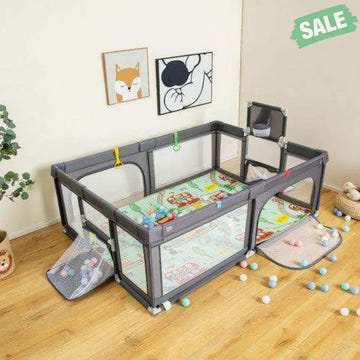
Large Baby Playpen with Mat and Ocean Balls-Dark gray
$125.99
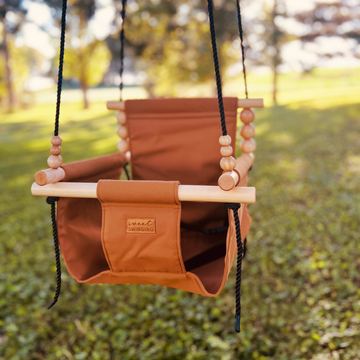
Sweet Swinging Premium Outdoor High Back Baby & Todd...
$179.00
Creating a Simple Montessori Play Space at Home
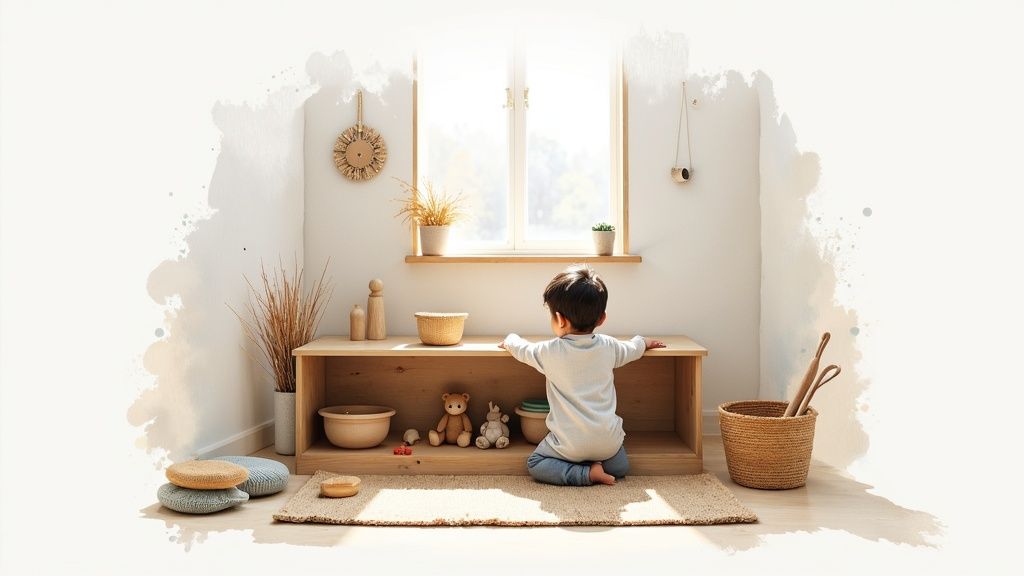
It’s one thing to choose the perfect Montessori toys for a one year old, but it’s just as important to think about where they’ll play with them. In the Montessori world, this is called the "prepared environment." That might sound intimidating, but don't worry—you don’t need to do a total home makeover. It’s all about making small, thoughtful changes that can have a surprisingly big impact.
The whole point is to create a space that feels calm, safe, and perfectly suited for your little one's budding independence. This simple shift empowers them to explore, focus, and learn on their own terms, turning their play area into a genuine little sanctuary for growth.
Setting Up for Success
One of the easiest and most effective things you can do is switch to low, open shelves for toys. When your one-year-old can clearly see all their options and reach them without needing your help, it builds a powerful sense of "I can do it!" This is huge for their confidence and teaches them to make their own choices—a cornerstone of the Montessori approach.
The key is to keep those shelves from getting too cluttered. A handful of carefully chosen toys will be far more engaging than a chaotic toy box they have to dig through. If you’re looking for more tips on creating a space that’s both beautiful and functional, check out our guide to nursery organization ideas.
The goal of the prepared environment is to make the child independent of the adult. It is a place where she can do things for herself... a place where she can live.
The Power of Toy Rotation
Here's another game-changing strategy: toy rotation. Instead of leaving every toy they own out all the time, just display a small selection—maybe six to eight items at a time. Then, every week or so, you can swap a few out for some others you’ve kept in storage.
This simple habit is magical for a few reasons:
- It keeps things fresh. An old toy that’s been out of sight for a week suddenly feels brand new and exciting again, sparking their curiosity.
- It encourages deeper play. With fewer distractions, your child can really focus on one item at a time, discovering all the different ways to interact with it.
- It cuts down on clutter. A tidy, organized space is much more calming and less overwhelming for a little one’s developing mind.
By thoughtfully arranging their play area and rotating their Montessori toys for a one year old, you’re building a beautiful environment that naturally invites joy, concentration, and meaningful play every single day.
Got Questions About Montessori Toys? We've Got Answers
Stepping into the world of Montessori play for your little one can bring up a lot of questions. That’s perfectly normal! Getting a handle on the basics will help you feel much more confident as you pick out the perfect Montessori toys for your one year old.
Are Montessori Toys Really Worth the Price Tag?
It's true, Montessori toys can sometimes have a higher price tag, and that's usually because they're made from high-quality, natural materials like wood. It helps to think of them not just as toys, but as long-term investments in your child's development.
Unlike many plastic toys that break or get tossed aside, these are built to last. Plus, their simple, single-purpose design actually holds a child's attention for much longer, giving you far more value over time. You’re getting a durable learning tool, not just a fleeting distraction.
How Many Toys Does a One-Year-Old Actually Need?
In the Montessori world, less is always more. A small, carefully chosen collection of about six to eight toys is the sweet spot.
Arranging them on a low, open shelf where your child can easily see and reach them is key. This keeps them from feeling overwhelmed and encourages them to truly explore each toy. To keep things fresh, you can try "toy rotation"—just swap a few toys out every week or two to spark new interest.
Is It Okay to Mix Montessori Toys with Our Other Toys?
Absolutely! This is all about progress, not perfection. Your home is a home, not a rigid classroom, so it’s all about finding a balance that feels right for your family.
The main idea is just to be a little more intentional. Try to lean towards toys that get your child actively involved and thinking, and aim to create a play area that feels calm and inviting, no matter the mix of toys.
What About Support for Moms on This Journey?
Taking care of your little one’s development also means taking care of yourself. We heard from one mom who shared how early breastfeeding struggles almost led her to give up.
She found the support she needed to continue by using Moogco Silver Nursing Cups. These simple, all-natural silver nursing cups offered gentle relief that helped her heal, preserving that incredibly precious bonding experience. Her story is a beautiful reminder that sometimes the simplest solutions make the biggest difference.
At Moogco Baby, we're here to support both you and your little one with products chosen with care. See for yourself how a little comfort can change everything. Learn more about Moogco Silver Nursing Cups and explore our collection of essentials.
Bring this guide home with 15% off.
Use code HAPPYSPRING for 15% off →
Frequently Asked Questions
Can Montessori toys help with my toddler's language development?
Absolutely! Even though Montessori toys focus on hands-on learning, they create natural opportunities for conversation. As your child explores a toy, you can name objects, describe textures, and talk about what's happening, all of which builds vocabulary. The focused, calm play that Montessori toys encourage also makes it easier for your little one to absorb the language you're modeling.
What if my one-year-old ignores the Montessori toys I bought?
This is totally normal and usually just means the timing isn't quite right yet. Try rotating toys in and out so there's always something that feels fresh, or model how to use the toy yourself without pressure. Sometimes a toy that's ignored at 12 months becomes a favorite at 14 months. Trust your child's natural pace and interests, and don't hesitate to put something away and try again later.
Do Montessori toys need to be expensive wood versions, or can I DIY?
You absolutely can create wonderful Montessori-inspired toys and activities at home! A cardboard box with a hole cut out works just like an object permanence box, and simple household items like wooden spoons and metal bowls are perfect for exploring sound. The principles matter more than the price tag, so focus on natural materials, simplicity, and purposeful design rather than brand names.
How do I know if a toy is age-appropriate for my one-year-old?
Look for toys that match where your child is right now developmentally, not where you hope they'll be soon. At one year old, they need toys that support their emerging pincer grasp, encourage walking and movement, and let them explore cause and effect. If a toy feels too complex or has too many steps, it's probably better suited for an older toddler.
Should I put out all the Montessori toys at once or rotate them?
Rotation is key to the Montessori approach! Having just a few carefully chosen toys available at a time helps your child focus and prevents overwhelm. Try keeping 4 to 6 toys on a low shelf, then swap them out every week or two as you notice their interest shifting. This keeps things fresh and exciting without needing to buy more.
Can Montessori toys help with my one-year-old's sleep routine?
While toys aren't typically part of the sleep routine itself, the calm, focused play that Montessori toys encourage during the day can help your child feel more settled overall. A predictable rhythm of purposeful play, followed by quiet wind-down time without overstimulation, supports better rest. Just be sure to keep the sleep space itself toy-free and safe.
What's the difference between Montessori toys and regular educational toys?
Montessori toys are intentionally simple and isolate one skill or concept at a time, while many educational toys try to teach multiple things at once with lights, sounds, and buttons. Montessori toys are typically made from natural materials and require the child to be the active learner, not a passive observer. The focus is on process and exploration rather than a predetermined outcome or reward.
Are there any safety concerns specific to Montessori toys for this age?
The same safety rules apply: check for small parts that could be choking hazards, ensure wood is smooth and splinter-free, and confirm any finishes are non-toxic. Because Montessori toys often include natural materials and simple designs, they tend to be quite safe, but always supervise play. Avoid anything with long strings, sharp edges, or pieces smaller than a toilet paper roll.
From Moogco Studio
Printable and personalized nursery essentials. Designed by moms for moms.


About the Editor
Eda Ulger is a co-founder of Moogco Baby, the editor of the Moogco Baby Journal, and a mom of two. She curates and edits our guides so every piece is honest, practical, and genuinely helpful for the early days of motherhood.
Shop This Story
Picks related to this guide, ready to ship from Moogco.
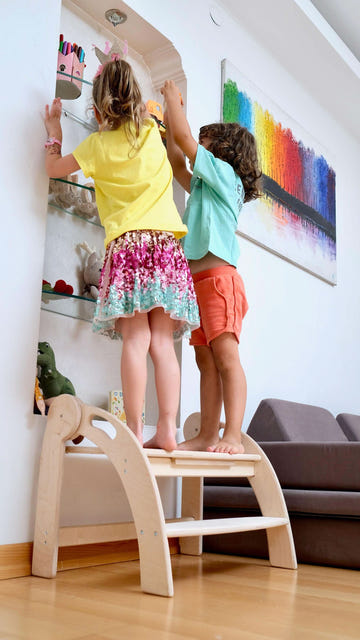
Kidodido Twins Montessori Kitchen Stool Foldable Two...
$139.02
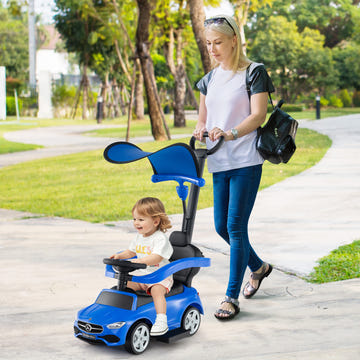
3-in-1 Ride on Push Car Mercedes-Benz Licensed Slidi...
$78.74
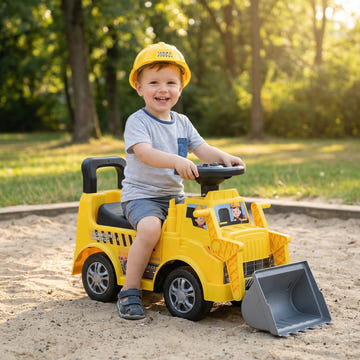
Kids Digger Ride on Truck with Shovel and Under-Seat...
$57.74
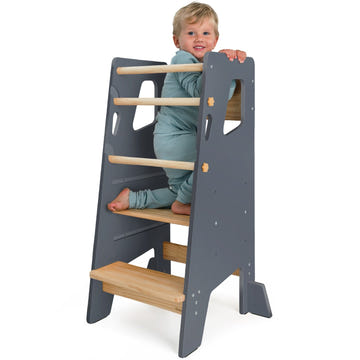
Montessori Toddler Tower Adjustable Kitchen Stool He...
$119.99
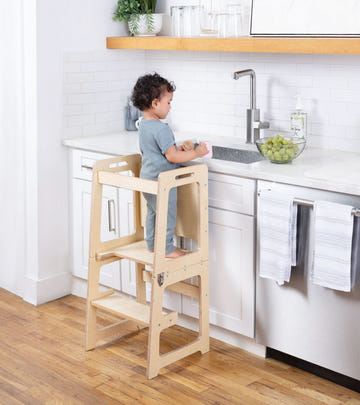
Avenlur 4-in-1 Convertible Toddler Kitchen Tower Des...
$129.00
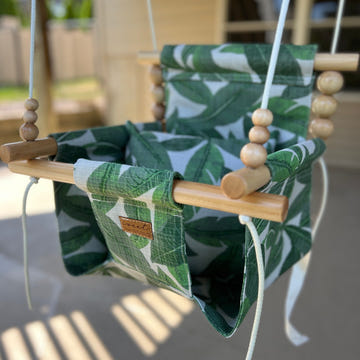
Sweet Swinging Outdoor Baby Toddler Swing Tropical L...
$159.00
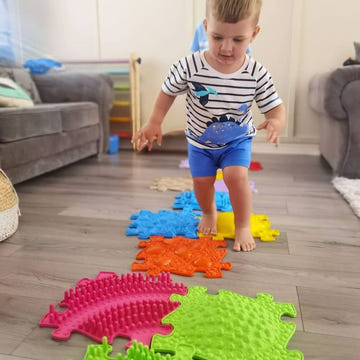
Rainbow Sensory Playmat Set
$104.95
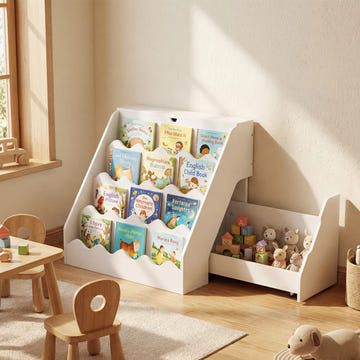
2-In-1 Kids Bookshelf & Toy Storage Organizer - Mult...
$100.79
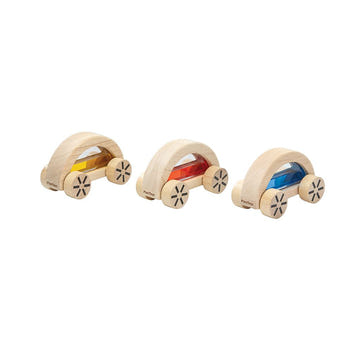
PlanToys Wautomobile Semi-Circular Colored Water Car...
$24.99
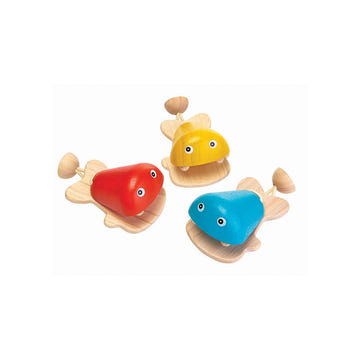
PlanToys Fish Castanet small percussion instrument y...
$9.99