


Welcoming a new baby is a life-changing experience filled with joy—but also exhaustion, hormonal shifts, and emotional upheaval. While it’s normal for new mothers to feel overwhelmed, persistent feelings of sadness or anxiety may signal something more serious: a postpartum mental health condition.
Understanding the signs and seeking support early can make all the difference. Here's what every parent and support system should know.
What Is Postpartum Mental Health?
Postpartum mental health refers to the emotional well-being of mothers after childbirth. While "baby blues" affect up to 80% of new moms and typically resolve within two weeks, more severe conditions can develop, including:
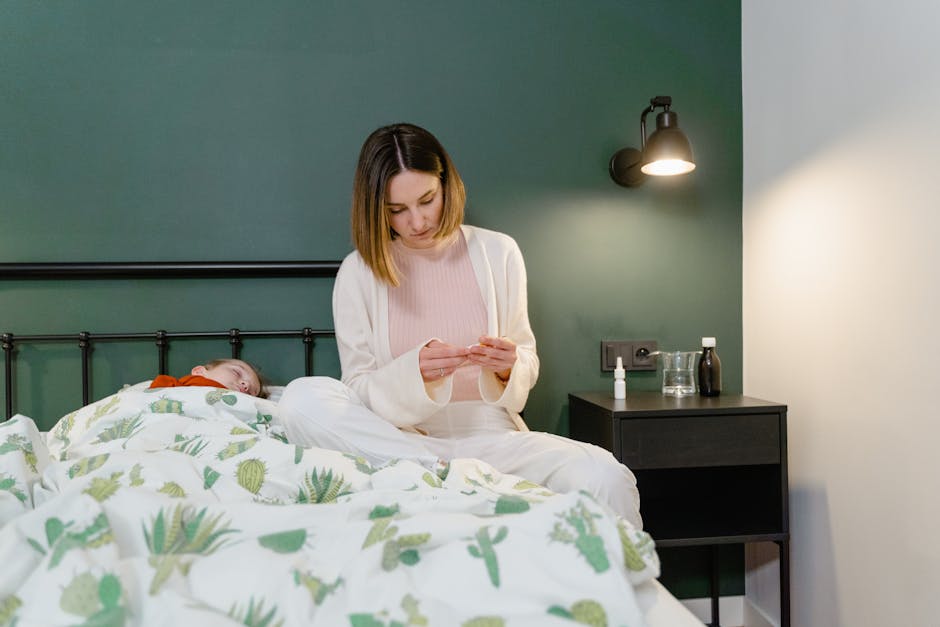
Postpartum Depression (PPD)
Healing, comfort, and a little softness
Postpartum care, finally taken seriously
Take 20% off at checkout, applied automatically when you shop through this link.
Shop with BABY20 →Free US shipping over $100. Code applies automatically at checkout.
Postpartum Anxiety
Postpartum Obsessive-Compulsive Disorder (PPOCD)
Postpartum Psychosis (rare but serious)
Dr. Alexandra Sacks, Reproductive Psychiatrist:
“Postpartum mental health struggles are not a sign of weakness or failure—they’re medical conditions that deserve compassionate attention and care.”
Common Symptoms to Watch For
✔️ Persistent sadness, crying, or hopelessness
✔️ Loss of interest in things once enjoyed
✔️ Difficulty bonding with your baby
✔️ Sleep problems unrelated to baby’s schedule
✔️ Excessive worry, panic attacks, or intrusive thoughts
✔️ Thoughts of harming yourself or your baby (in urgent cases, seek immediate help)
💡 Important: If these feelings persist beyond two weeks or worsen, it’s time to talk to your healthcare provider.
Picks From This Story
Picks related to this guide, ready to ship from Moogco.
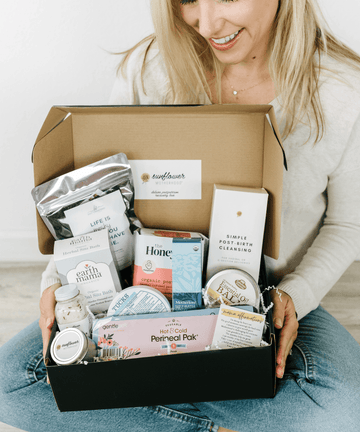
Sunflower Motherhood Deluxe Postpartum Recovery Box ...
$149.00
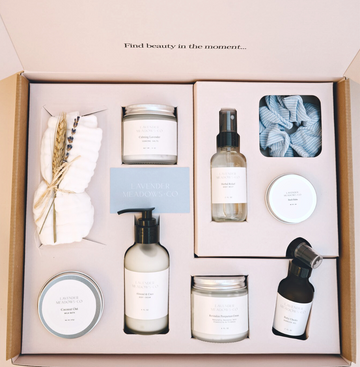
Lavender Meadows Co Postpartum Care Package Deluxe G...
$146.00
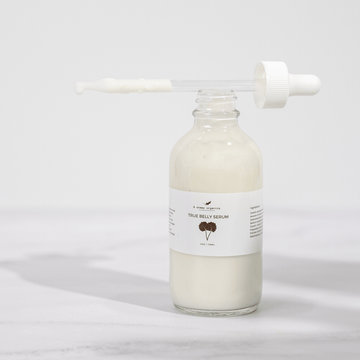
True Belly Serum
$47.00
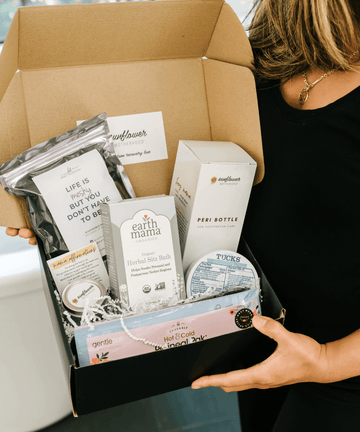
Sunflower Motherhood Postpartum Recovery Box full-si...
$79.00
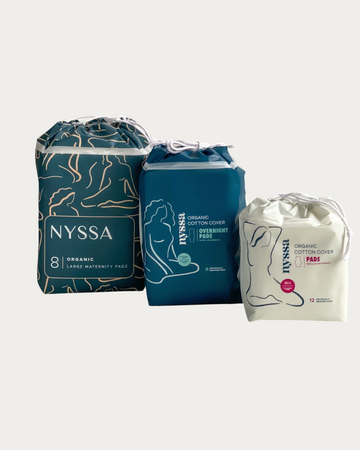
Nyssa Complete Organic Cotton Cover Pads Trio Postpa...
$25.00
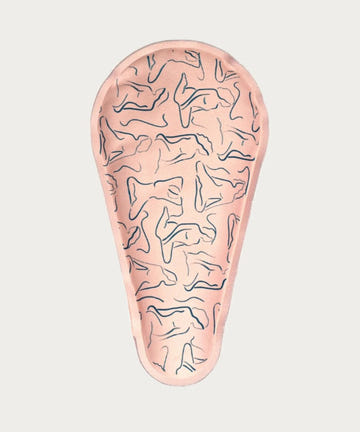
Nyssa Between Legs Perineal Ice Heat Pack for Postpa...
$15.00
What Causes Postpartum Mood Disorders?
There’s no single cause, but a mix of biological, emotional, and social factors often contribute:
Hormonal fluctuations (especially estrogen and progesterone)
Sleep deprivation
Physical recovery from childbirth
Lack of support
Personal or family history of mental health conditions
A 2010 study in The Journal of Women's Health reported that approximately 1 in 7 women experience postpartum depression, underlining how common and real this condition is.
When to Seek Help
You should never wait until things feel “unbearable.” Early support leads to better outcomes. Speak with your OB-GYN, midwife, or a licensed mental health provider.
Dr. Shoshana Bennett, Clinical Psychologist and PPD Specialist:
“Getting help is not just brave—it’s essential. You deserve to enjoy your baby and your life.”
Ways to Support Recovery
🧠 Therapy: Cognitive-behavioral therapy (CBT) and interpersonal therapy (IPT) are proven effective.
💊 Medication: Antidepressants may be prescribed, even while breastfeeding, with guidance.
👩👧👦 Support Groups: Joining a group of mothers facing similar experiences can be life-changing.
🧘♀️ Self-Care: Rest, nutrition, light exercise, and emotional validation matter more than ever.
More Related Picks
A few more favorites from the same collection.
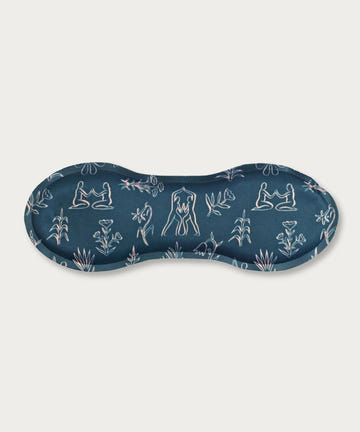
Nyssa Uterine Reusable Ice & Heat Pack contoured for...
$15.00
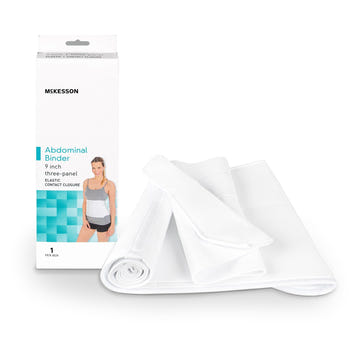
LL Medico McKesson Abdominal Binder Small Medium Whi...
$14.99
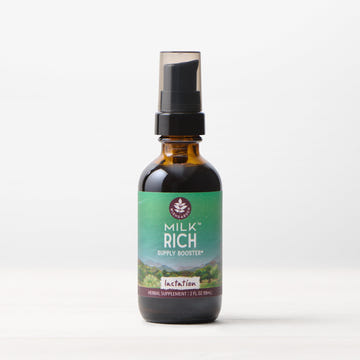
WishGarden Herbs Milk Rich Supply Booster pump top b...
$21.59
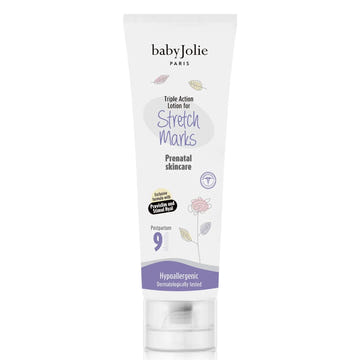
Baby Jolie Paris Triple Action Stretch Marks Cream 7...
$29.99

Sunflower Motherhood Peri Bottle 300 ML with Waterpr...
$15.00
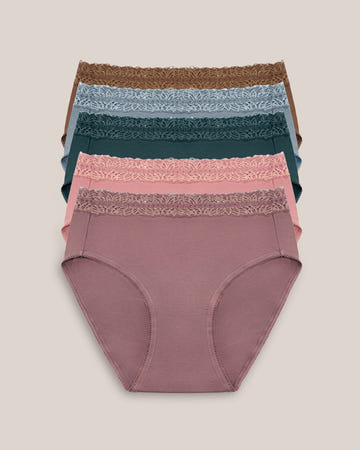
Kindred Bravely High-Waisted Postpartum Underwear Pa...
$36.90
How Moogco Supports Mothers
At Moogco Baby, we understand the importance of maternal well-being. From nurturing products to supportive guides, we’re here for your journey. For breastfeeding comfort, many moms find relief in our Moogco Silver Nursing Cups—a small step toward self-care that can ease physical discomfort and encourage bonding.
Final Thoughts: You’re Not Alone
Motherhood is not meant to be done alone. If you’re struggling, speak up, reach out, and accept help. There is no shame in needing support—only strength in asking for it.
🛒 Explore more supportive tools and tips at Moogco Baby.
Bring this guide home with 20% off.
Use code BABY20 for 20% off →
Featured pick from Moogco
FourthWear Postpartum Recovery Underwear + Between Legs Perineal Ice/Heat Pack
$53.00
Shop this pick → Frequently Asked Questions
How long can postpartum depression last if left untreated?
Without treatment, postpartum depression can persist for months or even years, affecting your quality of life and your ability to bond with your baby. The good news is that with proper support and care, most women see significant improvement within weeks to a few months. Early intervention is key to a faster, fuller recovery.
Can postpartum anxiety happen without depression?
Yes, absolutely. Many new mothers experience postpartum anxiety on its own, without depression. Symptoms include excessive worry, racing thoughts, trouble relaxing, and physical signs like a rapid heartbeat or trouble breathing. If anxiety is interfering with your daily life or sleep, reach out to your healthcare provider for support.
Is postpartum depression different after a C-section?
While postpartum depression can occur regardless of delivery type, some studies suggest that C-section recovery, especially unplanned surgeries, may increase risk due to added physical pain, longer recovery, and sometimes feelings of disappointment. Extra rest, support, and open communication with your doctor are especially important.
Can fathers or partners experience postpartum mood changes too?
Yes, partners can also experience mood changes after a baby arrives, often called paternal postnatal depression. Stress, sleep deprivation, and lifestyle adjustments affect everyone in the household. If your partner is struggling, encourage them to talk to a healthcare provider just as you would for yourself.
Will taking antidepressants affect my milk supply?
Most antidepressants prescribed for postpartum depression are considered safe during breastfeeding and do not negatively impact milk supply. Your doctor will choose a medication that balances your mental health needs with your baby's safety. Always discuss your concerns openly with your healthcare team.
What's the difference between baby blues and postpartum depression?
Baby blues are mild mood swings, tearfulness, and anxiety that appear within the first few days after birth and resolve on their own within two weeks. Postpartum depression involves more intense, longer-lasting symptoms like persistent sadness, loss of interest, and difficulty functioning. If symptoms last beyond two weeks or worsen, it's time to seek help.
Can I prevent postpartum depression before it starts?
While you can't always prevent it, you can lower your risk by building a strong support system, prioritizing rest, staying connected with your healthcare provider, and being honest about your mental health history. If you've had depression before, talk to your doctor during pregnancy about a proactive care plan.
Should I tell my pediatrician if I'm struggling emotionally?
Yes, your baby's pediatrician can be a valuable resource. Many pediatricians screen mothers for postpartum depression during baby checkups and can refer you to appropriate mental health services. Your well-being directly impacts your baby's health, so don't hesitate to speak up during appointments.
From Moogco Studio
Printable and personalized nursery essentials. Designed by moms for moms.


About the Editor
Eda Ulger is a co-founder of Moogco Baby, the editor of the Moogco Baby Journal, and a mom of two. She curates and edits our guides so every piece is honest, practical, and genuinely helpful for the early days of motherhood.
Shop This Story
Picks related to this guide, ready to ship from Moogco.
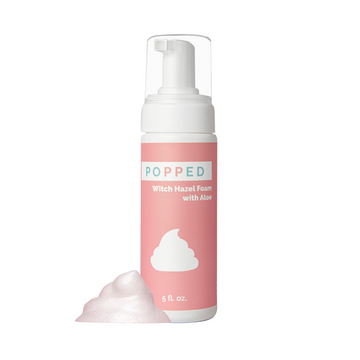
Popped Witch Hazel Foam with Aloe 5 fl oz Postpartum...
$12.99
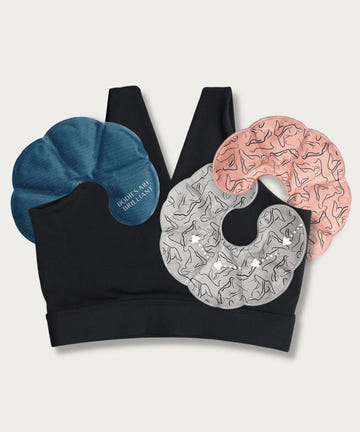
Nyssa FourthWear Postpartum Bralette and Breast Ice ...
$56.00
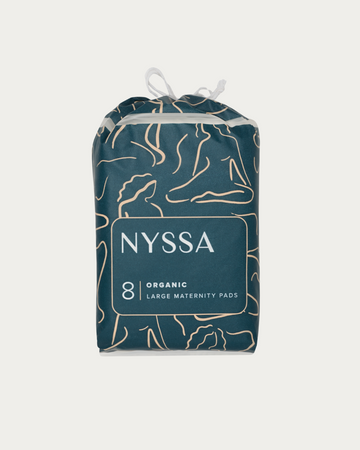
Nyssa Complete Coverage Organic Cotton Postpartum Pa...
$9.00

Nyssa Classic Black Essential Postpartum Kit 8-piece
$150.00
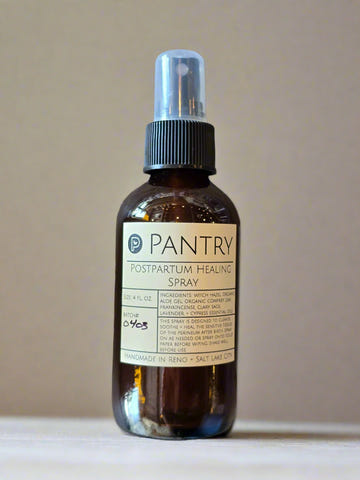
Postpartum Healing Spray - Perineum Recovery
$17.00
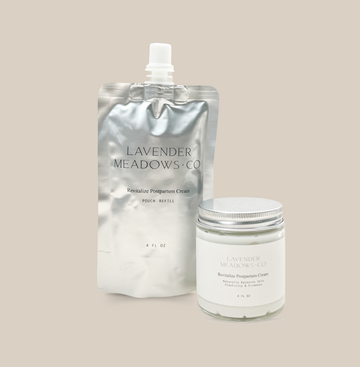
Lavender Meadows Co Revitalize Postpartum Cream Refi...
$30.00
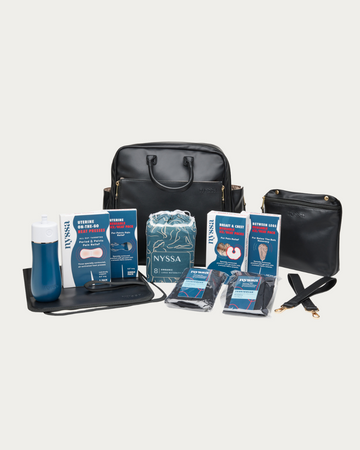
Nyssa Mother Bag + Essential Postpartum Kit Vegan Le...
$210.00
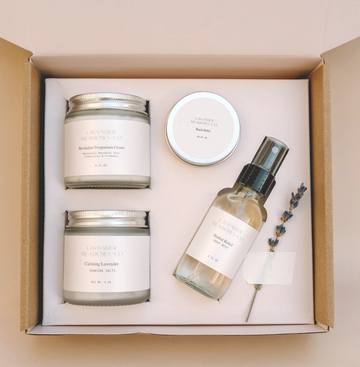
Lavender Meadows Co Postpartum Care Package organic ...
$70.00
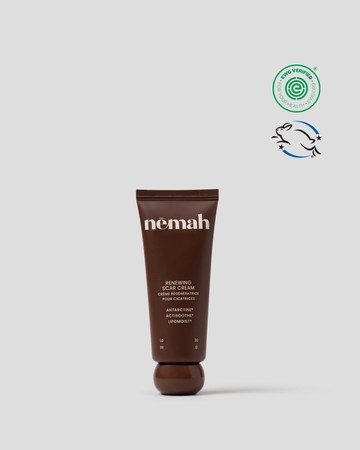
Nēmah Renewing Scar Cream for Pregnancy Breastfeedin...
$34.00
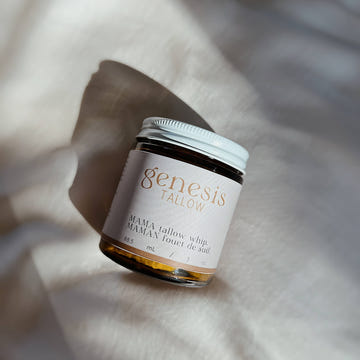
Hello Postpartum All-Natural Whipped Tallow Belly Bu...
$40.00