


Bringing a baby into the world is a life-changing experience, but the postpartum period can be just as demanding as pregnancy itself. Recovery takes time, and new mothers need to care for both their physical and mental health during this transition. In this guide, we explore the science behind postpartum recovery, expert recommendations, and practical tips for healing and self-care.
Understanding the Postpartum Period
The postpartum period, also known as the fourth trimester, spans the first six weeks after childbirth. However, full recovery can take months, depending on factors like delivery type, pre-existing health conditions, and emotional well-being. According to the American College of Obstetricians and Gynecologists (ACOG), postpartum recovery involves three main aspects:

✔️ Physical Healing – Uterine contractions, perineal healing, and hormonal fluctuations. ✔️ Emotional Adjustment – Coping with mood changes, anxiety, and bonding with the baby. ✔️ Lifestyle Changes – Adapting to new sleep patterns, breastfeeding, and daily routines.
Healing, comfort, and a little softness
Postpartum care, finally taken seriously
Take 20% off at checkout, applied automatically when you shop through this link.
Shop with BABY20 →Free US shipping over $100. Code applies automatically at checkout.
Dr. Anna Reynolds, OB-GYN: “Postpartum recovery is different for every woman. Some bounce back quickly, while others need more time. Prioritizing rest, nutrition, and mental health support is crucial.”
Picks From This Story
Picks related to this guide, ready to ship from Moogco.
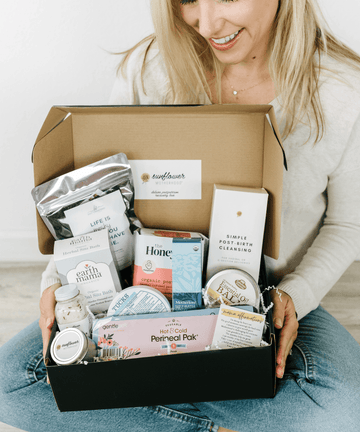
Sunflower Motherhood Deluxe Postpartum Recovery Box ...
$149.00
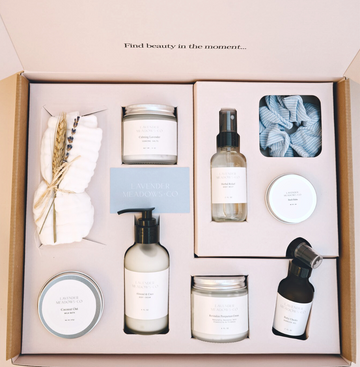
Lavender Meadows Co Postpartum Care Package Deluxe G...
$146.00
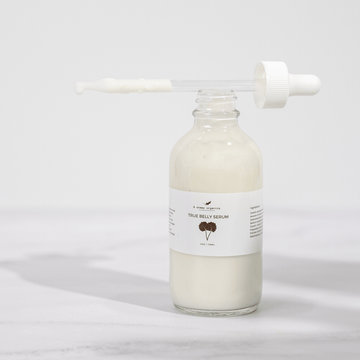
True Belly Serum
$47.00
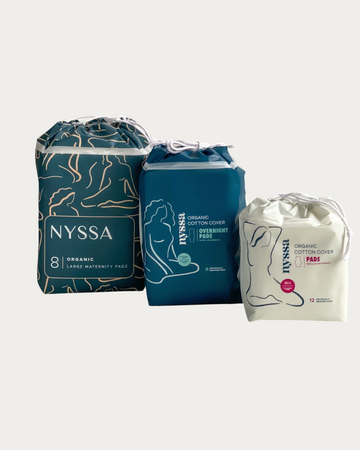
Nyssa Complete Organic Cotton Cover Pads Trio Postpa...
$25.00
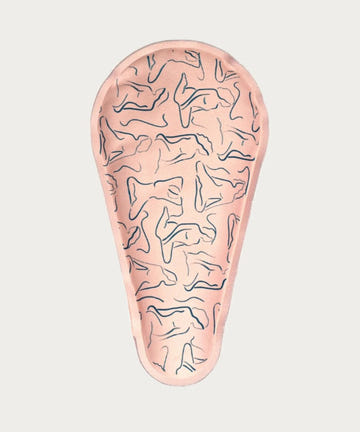
Nyssa Between Legs Perineal Ice Heat Pack for Postpa...
$15.00
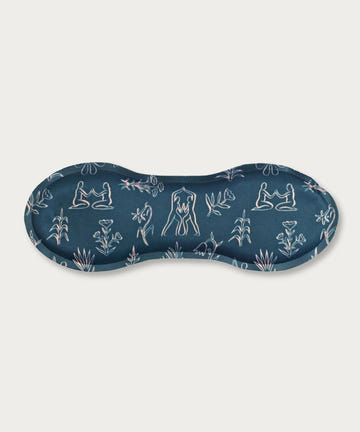
Nyssa Uterine Reusable Ice & Heat Pack contoured for...
$15.00
Physical Recovery After Childbirth
-
Uterine Healing & Bleeding (Lochia) After birth, the uterus contracts to return to its pre-pregnancy size, which can cause cramping (known as afterpains). Lochia, a vaginal discharge composed of blood and tissue, lasts about 4-6 weeks.
💡 Tip: Using postpartum pads instead of tampons helps prevent infection.
-
Perineal & C-Section Healing 🔹 Vaginal Birth: Swelling, soreness, and stitches from an episiotomy or tearing require gentle care. 🔹 Cesarean Section: A C-section incision takes about 6 weeks to heal fully, requiring extra precautions.
Dr. Olivia Carter, Maternal Health Specialist: “Avoid lifting heavy objects and practice proper wound care to reduce the risk of complications.”
Postpartum Hormones & Emotional Well-being
Hormonal shifts after childbirth can trigger mood swings, fatigue, and even postpartum depression (PPD). According to the Centers for Disease Control and Prevention (CDC), around 1 in 8 women experience PPD, which can last weeks or even months.
Signs of Postpartum Depression:
🔹 Persistent sadness or anxiety 🔹 Extreme fatigue but difficulty sleeping 🔹 Feeling overwhelmed or disconnected from the baby 🔹 Loss of appetite or interest in activities
💡 Tip: If you experience persistent sadness, speak with your doctor. Support from family, therapy, and medical intervention can help.
More Related Picks
A few more favorites from the same collection.
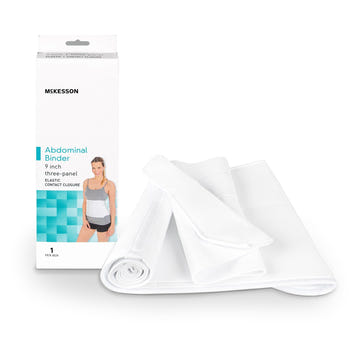
LL Medico McKesson Abdominal Binder Small Medium Whi...
$14.99
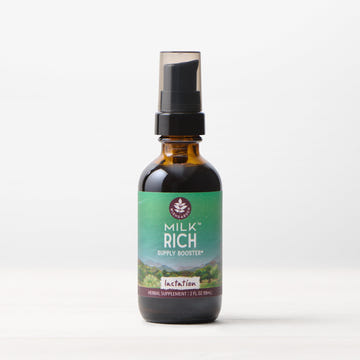
WishGarden Herbs Milk Rich Supply Booster pump top b...
$26.99
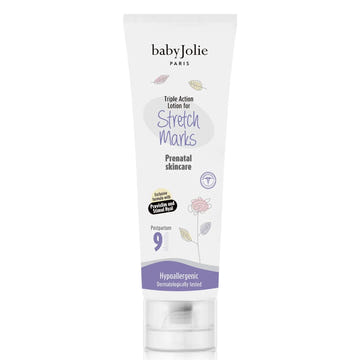
Baby Jolie Paris Triple Action Stretch Marks Cream 7...
$29.99
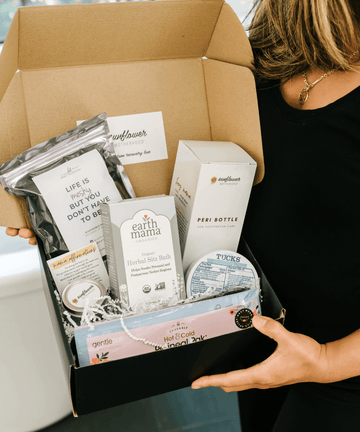
Sunflower Motherhood Postpartum Recovery Box full-si...
$79.00
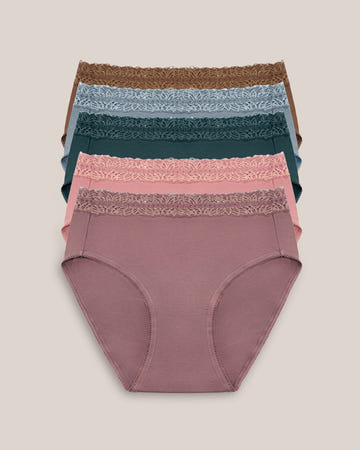
Kindred Bravely High-Waisted Postpartum Underwear Pa...
$36.90
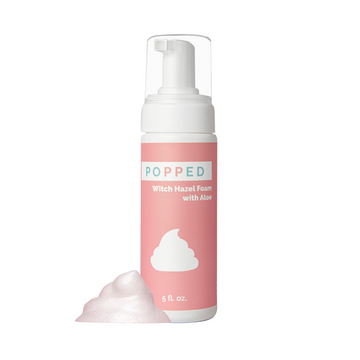
Popped Witch Hazel Foam with Aloe 5 fl oz Postpartum...
$12.99
Nutrition & Hydration for Recovery
A nutrient-rich diet helps the body heal and supports breastfeeding mothers. Key postpartum nutrients include: ✔️ Iron – Replenishes blood loss (found in leafy greens, lean meats, and beans). ✔️ Calcium & Vitamin D – Essential for bone strength (found in dairy, fish, and fortified foods). ✔️ Omega-3 Fatty Acids – Supports brain health and mood (found in salmon, flaxseeds, and walnuts). ✔️ Protein – Aids tissue repair and energy levels (found in eggs, poultry, and nuts).
Dr. Rachel Lee, Registered Dietitian: “Eating whole, nutrient-dense foods can boost energy levels and aid in postpartum healing.”
The Role of Breastfeeding & Nipple Care
Breastfeeding is beneficial for both baby and mom but can cause nipple soreness and irritation. Proper latch techniques and nipple care are crucial for a comfortable experience.
How to Prevent Nipple Soreness:
🔹 Ensure a deep latch. 🔹 Alternate breastfeeding positions. 🔹 Use soothing remedies like Moogco Silver Nursing Cups to reduce irritation and prevent infections.
📌 Get yours today: Moogco Silver Nursing Cups on Amazon.
Final Thoughts: Embracing the Healing Process
Postpartum recovery is not just about physical healing—it’s about giving yourself grace and support during this new chapter. Whether it's prioritizing rest, seeking help when needed, or practicing self-care, every mother deserves a smooth and healthy recovery.
🛒 Find all your postpartum essentials at Moogco Baby
Bring this guide home with 20% off.
Use code BABY20 for 20% off →
Featured pick from Moogco
MOOGCO Silver Nursing Cups 925k Silver - Protect Against Sore Breasts And Nipple Irritation
$45.90 $49.90
Shop this pick → Frequently Asked Questions
How long does it take for the uterus to return to normal size after delivery?
The uterus typically takes about six weeks to shrink back to its pre-pregnancy size through a process called involution. You may feel cramping, especially during breastfeeding, as hormones trigger these contractions. If you experience severe pain or unusual symptoms, contact your healthcare provider.
When can I start exercising after giving birth?
Most women can begin gentle walking within days of vaginal delivery, but wait until your six-week postpartum checkup before resuming more intense exercise. If you had a C-section or complications, your doctor may recommend waiting longer. Always listen to your body and start slowly with activities like pelvic floor exercises.
Is it normal to sweat a lot at night during postpartum recovery?
Yes, night sweats are completely normal in the weeks after childbirth. Your body is shedding excess fluids accumulated during pregnancy and adjusting hormone levels. Stay hydrated, wear breathable clothing, and keep a towel nearby. These sweats typically subside within a few weeks.
How can I tell if my C-section incision is healing properly?
A healing C-section incision should gradually become less red, swollen, and tender over several weeks. Watch for warning signs like increased pain, redness spreading from the incision, foul-smelling discharge, or fever, which may indicate infection. Keep the area clean and dry, and avoid heavy lifting during recovery.
What is the difference between baby blues and postpartum depression?
Baby blues affect up to 80 percent of new mothers and involve mild mood swings, crying, and anxiety that resolve within two weeks. Postpartum depression is more severe, lasts longer, and includes persistent sadness, difficulty bonding with baby, and feelings of hopelessness. PPD requires professional treatment and support.
Can I take a bath after giving birth?
You can typically take a bath once bleeding has slowed and any perineal tears or C-section incision have started healing, usually after the first week or two. Ask your doctor for personalized guidance based on your delivery. Keep the water warm, not hot, and avoid adding bubble bath or harsh soaps that may irritate healing tissue.
Why do I still look pregnant weeks after delivery?
It takes time for your abdominal muscles and skin to recover after pregnancy, and the uterus needs about six weeks to shrink back down. Hormones, fluid retention, and stretched abdominal muscles all contribute to a postpartum belly. Be patient with your body and focus on nourishing foods, gentle movement, and adequate rest.
How much water should I drink during postpartum recovery?
Aim for at least eight to ten glasses of water daily, and more if you are breastfeeding, as nursing increases fluid needs. Proper hydration supports healing, helps prevent constipation, and maintains milk supply. Keep a water bottle nearby during nursing sessions as a helpful reminder to drink throughout the day.
From Moogco Studio
Printable and personalized nursery essentials. Designed by moms for moms.


About the Editor
Eda Ulger is the editor at Moogco Baby and a mom of two. She curates and edits our guides so every piece is honest, practical, and genuinely helpful for the early days of motherhood.
Shop This Story
Picks related to this guide, ready to ship from Moogco.
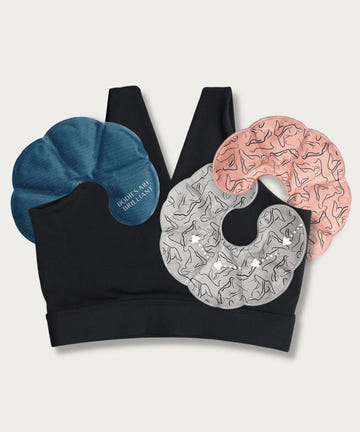
Nyssa FourthWear Postpartum Bralette and Breast Ice ...
$56.00
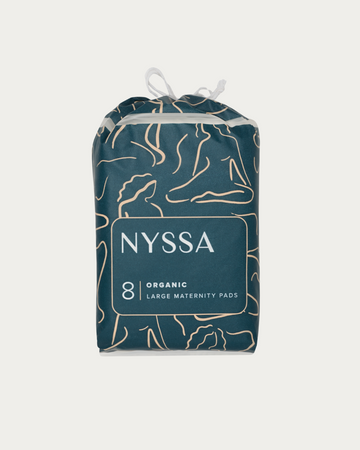
Nyssa Complete Coverage Organic Cotton Postpartum Pa...
$9.00
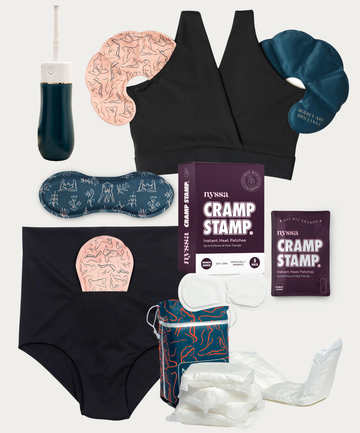
Nyssa Classic Black Essential Postpartum Kit 8-piece
$150.00
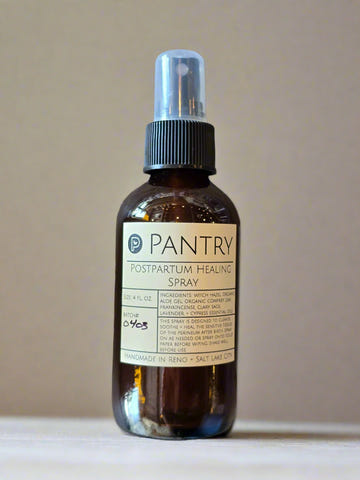
Postpartum Healing Spray - Perineum Recovery
$17.00
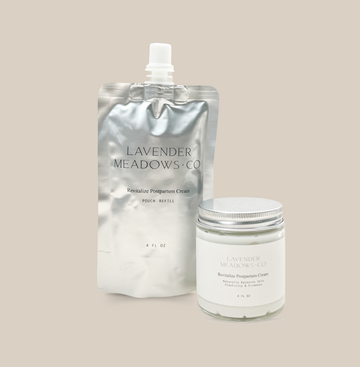
Lavender Meadows Co Revitalize Postpartum Cream Refi...
$30.00
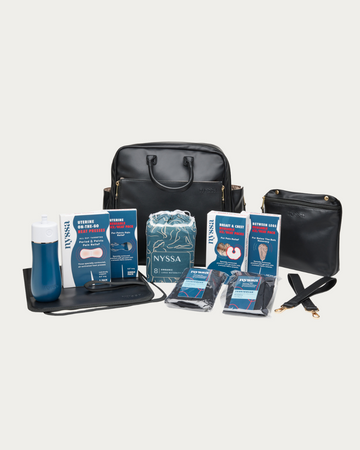
Nyssa Mother Bag + Essential Postpartum Kit Vegan Le...
$210.00
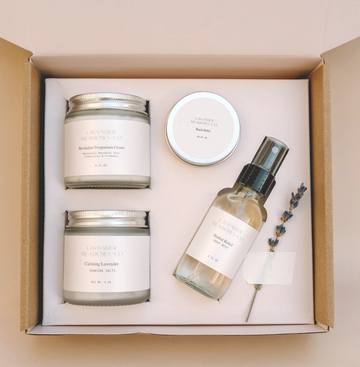
Lavender Meadows Co Postpartum Care Package organic ...
$70.00
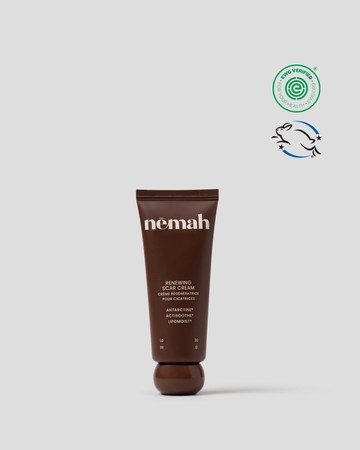
Nēmah Renewing Scar Cream for Pregnancy Breastfeedin...
$34.00
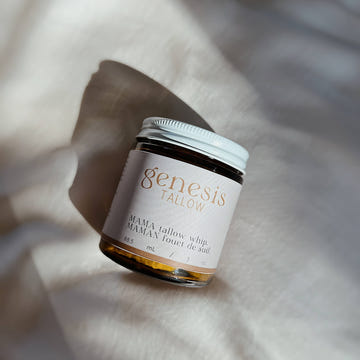
Hello Postpartum All-Natural Whipped Tallow Belly Bu...
$40.00
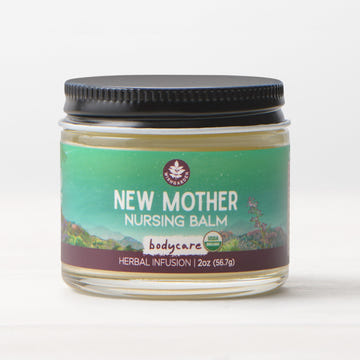
WishGarden Herbs New Mother Nursing Balm USDA Organic
$14.99