


Potty training is a major milestone—for both toddlers and parents. While every child is different, knowing the signs of readiness and using a gentle, consistent approach can set your toddler up for success.
Dr. Maya Bennett, Pediatrician: “There’s no magic age for potty training. The key is to follow your child’s cues—not a calendar.”
When Is Your Toddler Ready?
Look for these signs of readiness, usually between 18–30 months:

✔️ Stays dry for 2+ hours or wakes up dry from naps
✔️ Shows interest in the toilet or watching others use it
✔️ Can follow simple instructions
✔️ Communicates when they need to go or are going
✔️ Wants to be more independent
Free US shipping over $100
Real essentials, picked by real moms
Take 25% off at checkout, applied automatically when you shop through this link.
Shop with MAMA25 →Free US shipping over $100. Code applies automatically at checkout.
Picks From This Story
Picks related to this guide, ready to ship from Moogco.
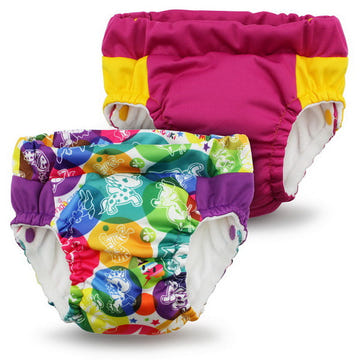
Kanga Care Lil Learnerz Training Pants tokiCorno 2pk
$7.00
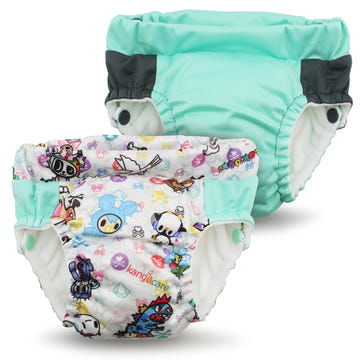
Kanga Care Lil Learnerz Training Pants Large 2pk Reu...
$7.00
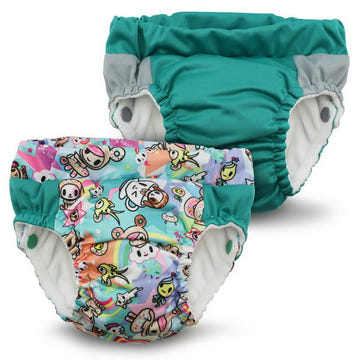
Kanga Care Lil Learnerz Training Pants 2pk tokiSweet...
$7.00
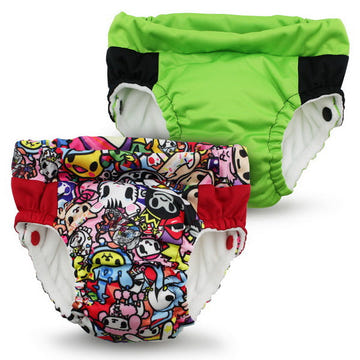
Kanga Care Lil Learnerz Training Pants 2pk tokiJoy t...
$7.00
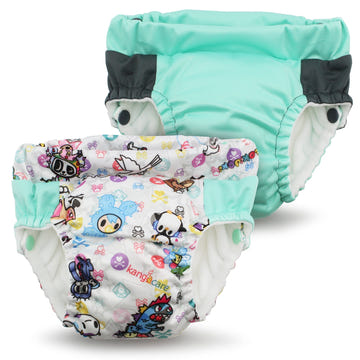
Kanga Care Lil Learnerz Reusable Training Pants Medi...
$7.00
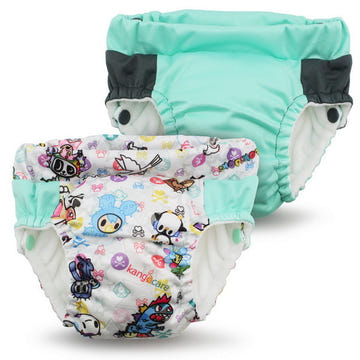
Kanga Care Lil Learnerz 2pk tokidoki Reusable Traini...
$7.00
Potty Training Methods
1. Child-Led Approach
✔️ Start when your child shows readiness cues
✔️ Let them set the pace, with gentle encouragement
2. Three-Day Method
✔️ Clear your schedule for a long weekend
✔️ Use underwear only, stay home, and watch for signs
✔️ Take them to the potty frequently and celebrate every success
3. Scheduled Training
✔️ Take your child to the potty at regular intervals
✔️ Helps build routine and muscle memory
💡 Tip: Whichever method you choose, consistency and patience are key.
Tips for Potty Training Success
✔️ Use a child-sized potty or seat reducer for comfort
✔️ Read potty-themed books together (e.g., “Potty” by Leslie Patricelli)
✔️ Dress them in easy-to-remove clothing
✔️ Stay calm about accidents—avoid punishment
✔️ Celebrate small wins with praise or simple rewards (stickers, high-fives)
Dr. Terrence Hall, Child Development Specialist: “Positive reinforcement works better than pressure. Toddlers respond best when they feel proud—not pushed.”
More Related Picks
A few more favorites from the same collection.
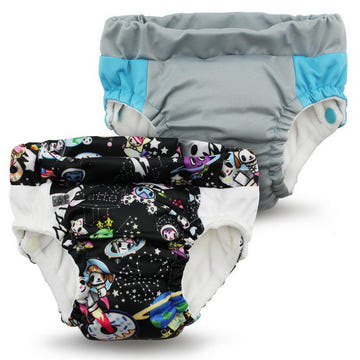
Kanga Care Lil Learnerz Training Pants 2pk tokiSpace...
$7.00
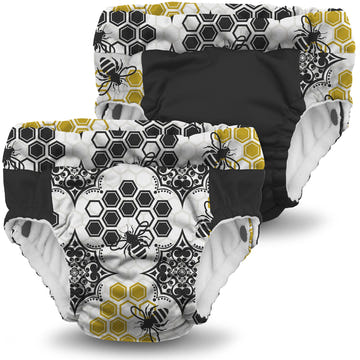
Kanga Care Lil Learnerz Training Pants 2pk Unity hon...
$7.00
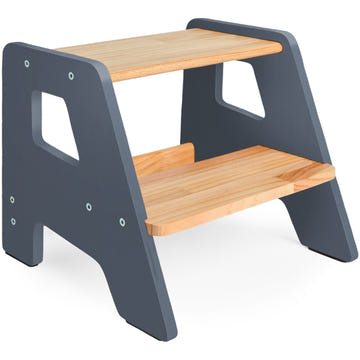
2-Step Wooden Stool for Toddlers Ages 2+
$39.99

Kanga Care Lil Learnerz Training Pants 2pk Lava Soar
$7.00
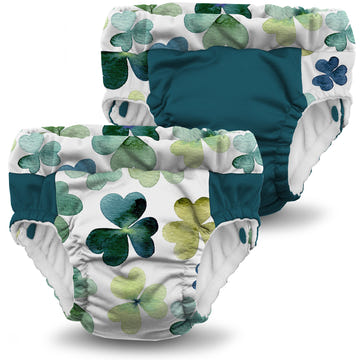
Kanga Care Lil Learnerz Training Pants 2pk Clover Sh...
$7.00

Kanga Care Lil Learnerz Training Pants 2pk Charlie &...
$7.00
Common Challenges and Solutions
Fear of the Toilet
✔️ Let them sit fully clothed to get used to it
✔️ Use a footstool for stability
Accidents
✔️ Expect them—it’s part of learning
✔️ Gently remind and encourage without shame
Refusal to Go
✔️ Take a break and try again in a week or two
✔️ Don’t turn it into a power struggle
The Role of Moogco Silver Nursing Cups
Breastfeeding through big milestones like potty training can be both comforting and exhausting. Moogco Silver Nursing Cups soothe sore nipples naturally, helping you care for your toddler while caring for yourself.
📌 Try them here: Moogco Silver Nursing Cups on Amazon
Final Thoughts: Follow Their Lead
Potty training isn’t a race—it’s a learning process. With readiness, encouragement, and a sense of humor, you and your toddler can make this transition with confidence.
🛒 Explore potty training tools and parent support at Moogco Baby.
Bring this guide home with 25% off.
Use code MAMA25 for 25% off →
Featured pick from Moogco
The Original Silver Nursing Cups with Silicone Pads
$62.90 $74.90
Shop this pick → Frequently Asked Questions
What if my child is 3 and still not potty trained?
Every child develops at their own pace, and some simply aren't ready until after age 3. If your child shows no interest or can't communicate their needs yet, it's okay to wait. Check in with your pediatrician if you have concerns, but late training is rarely a medical issue.
Should I use pull-ups or go straight to underwear?
It depends on your approach. Pull-ups can help during outings or naps, but some experts believe underwear helps kids feel wetness faster and learn quicker. Try what feels right for your family and adjust as needed.
How do I handle potty training at daycare or with caregivers?
Communication is key. Share your approach with caregivers and ask them to use the same language and schedule. Consistency between home and daycare makes the process much smoother for your toddler.
Is it normal for potty training to take months?
Absolutely. While some children train quickly, many take several months to fully master daytime control, and nighttime dryness often comes much later. Patience and positive reinforcement will help your child get there at their own pace.
What if my toddler was doing well but suddenly regressed?
Regression is common and often linked to stress, a new sibling, moving, or illness. Stay calm, avoid punishment, and gently encourage them back into the routine. Most kids bounce back within a few weeks.
Do boys and girls potty train differently?
On average, girls tend to train a few months earlier than boys, but there's wide variation in both. The key is readiness, not gender. Focus on your individual child's cues rather than timelines.
How do I teach my son to pee standing up?
Start with sitting down to keep things simple and avoid messes. Once he's comfortable with the process, you can introduce standing, often by letting him watch Dad or an older sibling. A step stool and a fun target (like cereal in the bowl) can help.
When should I start nighttime potty training?
Nighttime dryness usually comes months or even years after daytime training, and it's largely developmental. Wait until your child consistently wakes up dry for several weeks before ditching nighttime diapers. Most kids achieve this between ages 3 and 5.
From Moogco Studio
Printable and personalized nursery essentials. Designed by moms for moms.


About the Editor
Eda Ulger is the editor at Moogco Baby and a mom of two. She curates and edits our guides so every piece is honest, practical, and genuinely helpful for the early days of motherhood.
Shop This Story
Picks related to this guide, ready to ship from Moogco.
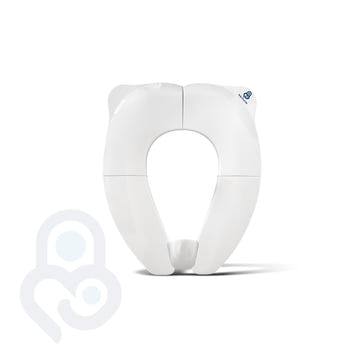
Baby Proof Me Foldable Portable Toilet Seat Trainer ...
$14.95
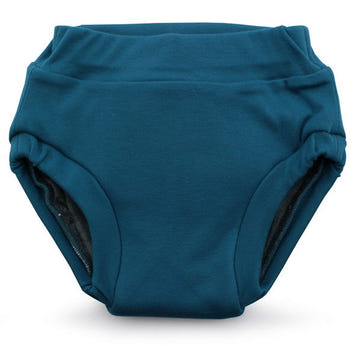
Kanga Care Ecoposh OBV Training Pants Caribbean size...
$8.99
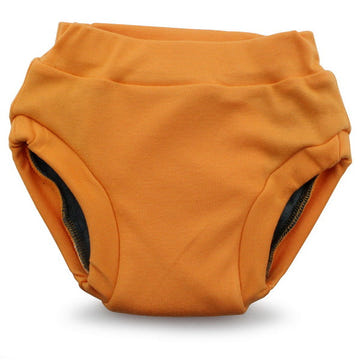
Kanga Care Ecoposh OBV Training Pants Saffron 3 Sizes
$8.99
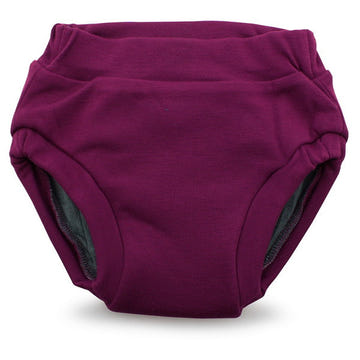
Kanga Care Ecoposh OBV Training Pants Boysenberry Tr...
$8.99
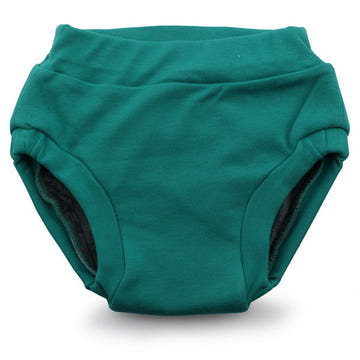
Kanga Care Ecoposh OBV Training Pants Atlantis aqua-...
$8.99
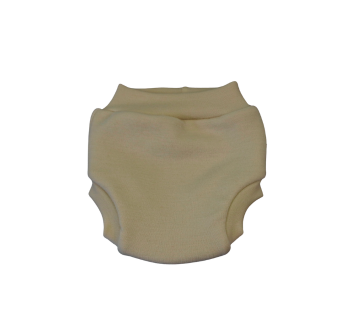
Babee Greens Pull-Up Woolies overnight and potty tra...
$38.95
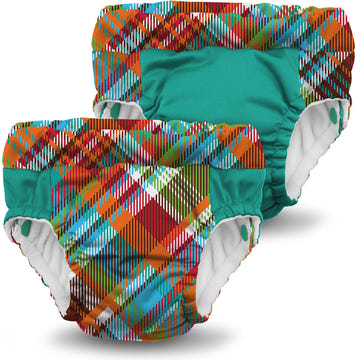
Kanga Care Lil Learnerz Training Pants 2pk Quinn pla...
$7.00

Kanga Care Lil Learnerz Training Pants 2pk Prickles
$7.00
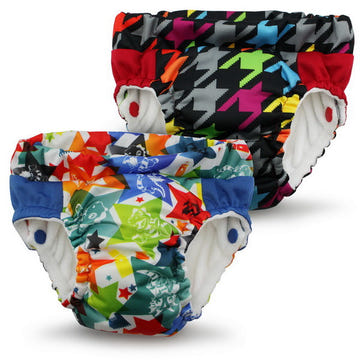
Kanga Care Lil Learnerz Training Pants 2pk Dragons F...
$7.00
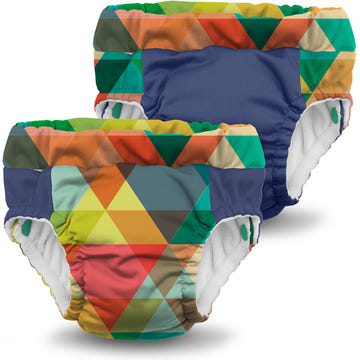
Kanga Care Lil Learnerz Training Pants 2pk Finn Naut...
$7.00