


Breastfeeding is a natural and beautiful way to nourish your newborn, but it can also come with challenges. Preparing for breastfeeding before your baby arrives can make the experience smoother and more enjoyable for both you and your baby. From understanding breastfeeding basics to gathering essential supplies and seeking support, there are several steps you can take to ensure a successful start to your breastfeeding journey.
Understanding Breastfeeding Basics
Educate Yourself About Breastfeeding
Before your baby arrives, take some time to learn about breastfeeding. Understanding how breastfeeding works, what to expect in the early days, and how to recognize your baby’s feeding cues can give you confidence as a new mother. Read books, attend breastfeeding classes, and explore online resources to familiarize yourself with the basics. Knowledge is power, and the more informed you are, the more empowered you will feel to handle any challenges that may come your way.
Learn About the Benefits of Breastfeeding
Knowing the many benefits of breastfeeding can help reinforce your commitment to it. Breast milk is packed with essential nutrients, antibodies, and enzymes that are crucial for a baby’s development and immune system. Breastfeeding also fosters a strong emotional bond between mother and baby, supports the mother’s postpartum recovery, and can help with postpartum weight loss.
Preparing Your Body for Breastfeeding
Take Care of Your Breast Health
In preparation for breastfeeding, it’s essential to take care of your breasts. Keep your nipples clean and moisturized, and avoid using harsh soaps that can cause dryness or irritation. Some mothers choose to toughen their nipples by gently rubbing them with a washcloth, although it’s not necessary for everyone. It’s also a good idea to get familiar with your breasts and understand their anatomy, including the nipple and areola, so you’re more prepared for latching and breastfeeding.
Maintain a Healthy Diet
A balanced diet is essential for your overall well-being and for preparing your body for breastfeeding. Eating a variety of nutrient-dense foods can help ensure that you have the energy and stamina needed for breastfeeding. Focus on whole grains, lean proteins, healthy fats, and plenty of fruits and vegetables. Staying hydrated is equally important; aim to drink plenty of water throughout the day.
Gathering Essential Breastfeeding Supplies
Invest in a Good Nursing Bra
A well-fitting, comfortable nursing bra is one of the most essential items for breastfeeding mothers. Choose a bra that provides good support, easy access for breastfeeding, and accommodates changes in breast size. Look for bras made from soft, breathable fabrics to prevent irritation and discomfort.
Have Breastfeeding Accessories on Hand
There are several breastfeeding accessories that can make the experience more comfortable and convenient. Breast pads, nipple cream, and a breastfeeding pillow can help with positioning and support. Breast pumps are also handy for mothers who plan to express milk, return to work, or want to share feeding duties with their partners.
Consider Moogco Silver Nursing Cups
Breastfeeding can sometimes lead to sore or cracked nipples, especially in the early days. Moogco Silver Nursing Cups are designed to provide soothing relief and promote natural healing. They are a great addition to any breastfeeding mother’s toolkit.
Building a Support System
Connect with a Lactation Consultant
Having the support of a lactation consultant can be invaluable, especially in the early days of breastfeeding. A lactation consultant can provide guidance on latching techniques, positioning, and any challenges you may encounter. Consider scheduling a consultation before your baby arrives to establish a relationship and have someone you can reach out to if needed.
Join Breastfeeding Support Groups
Connecting with other breastfeeding mothers can provide you with encouragement and advice. Consider joining local or online breastfeeding support groups to share experiences, ask questions, and receive support from others who are on the same journey. These groups can be a great source of motivation and friendship.
Involve Your Partner and Family
Breastfeeding is a team effort, and having your partner and family on board is crucial. Educate them about the benefits of breastfeeding, the challenges you may face, and how they can support you. Whether it’s helping with household chores, taking care of other children, or simply providing emotional support, involving your loved ones can make a big difference.
Creating a Breastfeeding-Friendly Environment
Set Up a Comfortable Nursing Space
Before your baby arrives, set up a comfortable and quiet nursing space in your home. Choose a cozy chair with good back support and have pillows, blankets, and essential breastfeeding supplies within reach. A peaceful environment can help you relax and make breastfeeding more enjoyable.
Prepare for Night Feedings
Newborns often feed frequently throughout the night, so it’s essential to prepare for night feedings. Consider setting up a small breastfeeding station near your bed with a nightlight, nursing pillow, burp cloths, and water bottle. Being prepared can help make night feedings more manageable.
Picks From This Story
Picks related to this guide, ready to ship from Moogco.
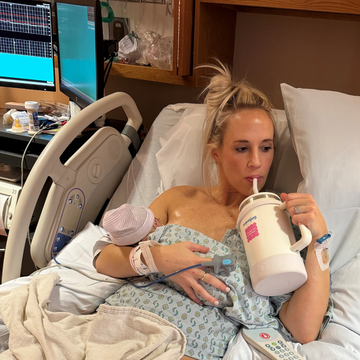
momjug breastfeeding water bottle 50oz double-wall s...
$49.99
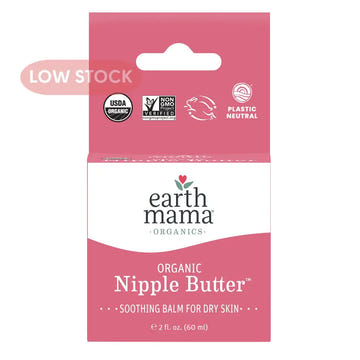
Organic Nipple Butter™ - Double-Sided for Kids
$14.99
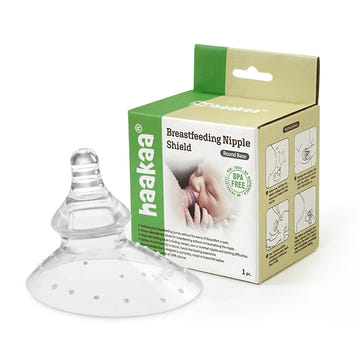
Haakaa Silicone Breastfeeding Nipple Shield Round Sh...
$19.05
Bae & Bee Boutique LactTube 5FR Pediatric Feeding Tu...
$3.00
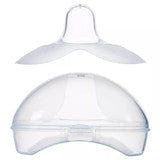
Bae & Bee Boutique Cherry Shaped Nipple Shield 21mm ...
$14.00
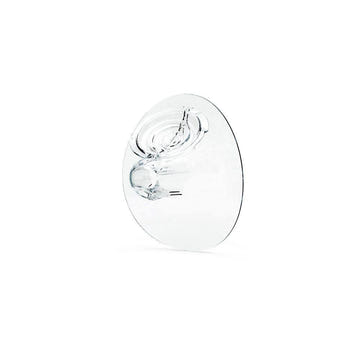
Healthy Horizons Elvie Pump Breast Shields 2 Pack 21...
$29.99
Know What to Expect in the Early Days
Understand Newborn Feeding Patterns
Newborns have small stomachs and need to feed frequently, often every 2-3 hours. Understanding these early feeding patterns can help you set realistic expectations and recognize your baby’s hunger cues. Be prepared for cluster feeding sessions, where your baby may want to nurse more frequently for a few hours at a time.
Be Patient and Trust the Process
The first few weeks of breastfeeding can be a learning experience for both mother and baby. Be patient with yourself and your baby, and remember that it’s okay to ask for help. With time, practice, and support, breastfeeding will become more comfortable and enjoyable.
Conclusion
Preparing for breastfeeding before your baby arrives can set the stage for a successful and positive experience. By educating yourself, gathering essential supplies, building a support system, and creating a breastfeeding-friendly environment, you can help ensure a smoother start to your breastfeeding journey. Remember, every mother and baby are unique, so be flexible, patient, and open to learning as you embark on this beautiful journey of nurturing your little one.

Featured pick from Moogco
MOOGCO Silver Nursing Cups 999k Silver - BPA-Free for Babies & Toddlers
$46.90 $52.90
Shop this pick → Bring this guide home with $15 off.
Use code BABY15 for $15 off →Frequently Asked Questions
When should I start preparing for breastfeeding during pregnancy?
The second trimester is an ideal time to start preparing, though you can begin anytime during pregnancy. This gives you time to educate yourself, attend classes, gather supplies, and connect with a lactation consultant. Starting early helps reduce stress and builds confidence before your baby arrives.

Do I need to buy a breast pump before my baby is born?
It's helpful to have a breast pump ready, especially if you plan to return to work or want flexibility with feeding. However, you don't need to use it immediately after birth unless medically necessary or if you're separated from your baby. Many mothers wait a few weeks to establish breastfeeding before introducing pumping.
Curated by moms, vetted by lactation pros
Everything for the breastfeeding journey
Take $15 off at checkout, applied automatically when you shop through this link.
Shop with BABY15 →Free US shipping over $100. Code applies automatically at checkout.
More Related Picks
A few more favorites from the same collection.

Mila's Keeper Silicone Breast Milk Bottle 6 oz Stand...
$36.00
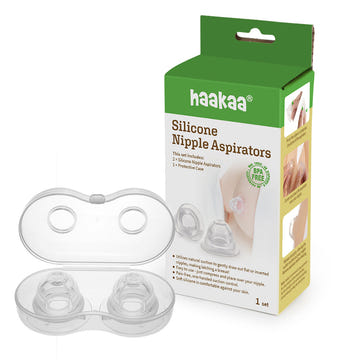
Haakaa Silicone Inverted Nipple Aspirators 2 pk
$17.99
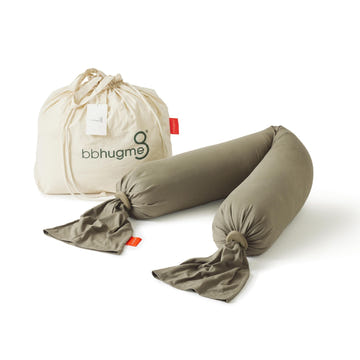
bbhugme Pregnancy Pillow Dusty Olive Adjustable Firm...
$219.00
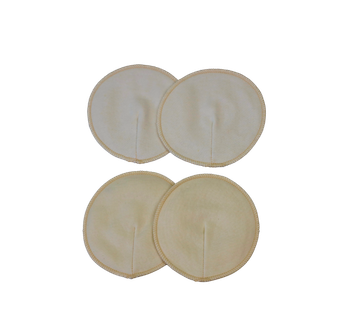
Babee Greens Contoured Nursing Pads 1 Pair Organic C...
$7.25
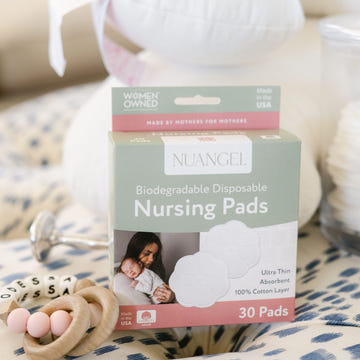
NuAngel Plant-based Disposable Nursing Pads individu...
$9.99
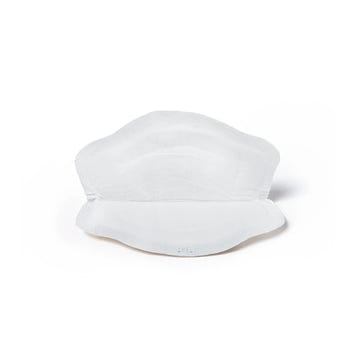
Zomee Breast Pumps Nursing Pads 100 or 200 count
$2.99
How can my partner help with breastfeeding preparation?
Your partner can be involved by attending breastfeeding classes with you, learning about hunger cues and positioning, and understanding how to provide emotional support. After baby arrives, they can help with diaper changes, burping, bringing you water and snacks, and taking care of household tasks so you can focus on nursing.
What should I include in my breastfeeding station at home?
Set up a comfortable chair or nursing nook with pillows for support, a side table with water, healthy snacks, nipple cream, breast pads, burp cloths, and your phone or book. For nighttime, add a dim nightlight and keep everything within arm's reach. A cozy, well-stocked space makes frequent feedings much easier.
Is it normal to feel nervous about breastfeeding before baby arrives?
Absolutely! Many first-time mothers feel anxious about breastfeeding, and that's completely normal. Education, preparation, and connecting with support resources can help ease these feelings. Remember that breastfeeding is a learned skill for both you and your baby, and it gets easier with practice and patience.
Should I do anything special to prepare my nipples for breastfeeding?
Your body naturally prepares your nipples during pregnancy, so extensive preparation isn't usually necessary. Keep them clean with plain water and avoid harsh soaps that can cause dryness. Some mothers gently massage their nipples, but most experts agree your body will adapt naturally once breastfeeding begins.
How many nursing bras should I have before baby arrives?
Plan to have at least three to four nursing bras so you always have a clean one available. Your breast size will fluctuate, especially when your milk comes in, so choose bras with adjustable features or wait until late pregnancy to purchase. Soft, wireless styles are often most comfortable in the early weeks.
What foods should I stock up on before baby arrives to support breastfeeding?
Focus on easy-to-eat, nutrient-dense foods like oatmeal, nuts, seeds, hard-boiled eggs, Greek yogurt, fresh fruit, whole grain crackers, and hummus. Prepare and freeze some healthy meals and snacks before your due date. Staying well-nourished and hydrated is essential for your energy and milk supply in those early weeks.
From Moogco Studio
Printable and personalized nursery essentials. Designed by moms for moms.


About the Editor
Eda Ulger is the editor at Moogco Baby and a mom of two. She curates and edits our guides so every piece is honest, practical, and genuinely helpful for the early days of motherhood.
Shop This Story
Picks related to this guide, ready to ship from Moogco.

Holistic Lactation Advanced Lactation Formula 30 Ser...
$34.99
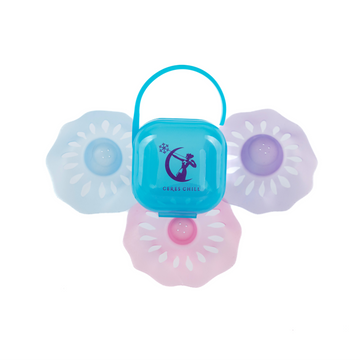
Ceres Chill Shield Maiden Nipple Shields 2pc or 3pc ...
$14.50

WishGarden Herbs Milk Rich Supply Booster pump top b...
$26.99

Wendy Anne Lounger Slip Cover Organic Cotton Waterpr...
$49.00
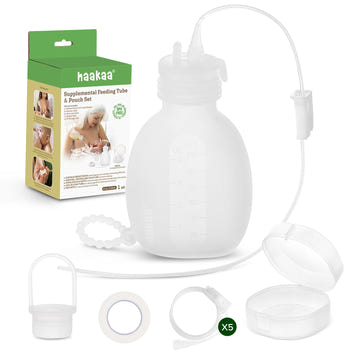
Haakaa Supplemental Feeding Tube and Pouch Set Size ...
$33.99

Milky Mama Dairy Duchess Raspberry Breastfeeding Sup...
$27.00
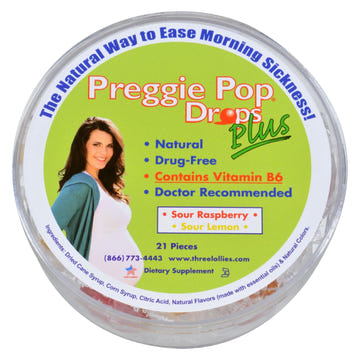
Preggie Drops Plus Morning Sickness Relief Lollies, ...
$13.75
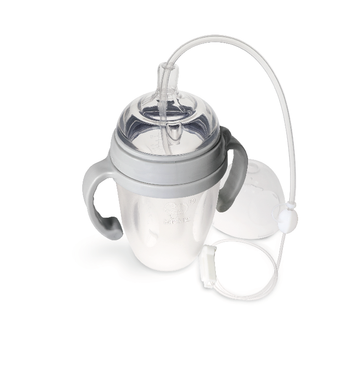
Haakaa Supplemental Feeding Combo 250ml Bottle with ...
$32.99
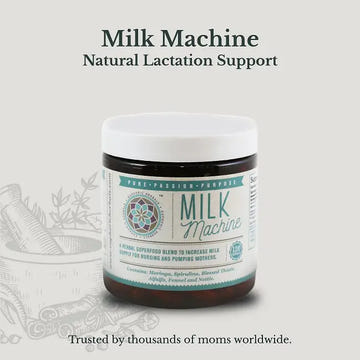
Euphoric Herbals Milk Machine lactation supplement 2...
$19.99

Euphoric Herbals Super Salve Nursing Salve no essent...
$10.00