


Going back to work while breastfeeding feels like being handed a second job with no training. You are learning a pump schedule, negotiating for a private room, packing a bag that suddenly weighs more than your laptop, and quietly worrying about your supply the whole time. We have been there. This guide walks you through all of it, step by step, the way we wish someone had walked us through it.
Quick Answer: To pump successfully at work, plan on pumping every 3 hours for 15 to 20 minutes per session, which for a typical 8-hour day means two to three sessions. Federal law (the PUMP Act) gives most employees the right to reasonable break time and a private space that is not a bathroom for one year after birth. Store milk in an insulated cooler with ice packs (good for up to 24 hours) or a fridge (up to 4 days), and protect your supply by keeping sessions consistent rather than long.
Know your rights before your first day back
In the United States, the PUMP Act covers nearly all employees. Two things matter most:
- Reasonable break time to express milk, as often as you need to, for one year after your baby's birth.
- A private space that is not a bathroom. It must be shielded from view and free from intrusion. A supply closet with a chair and an outlet can qualify; a toilet stall does not.
Many states go further than the federal floor, adding paid break protections or extending coverage, so it is worth a five-minute search of your own state's rules. If your workplace has fewer than 50 employees, an exemption exists only if providing breaks would cause the employer undue hardship, and in practice most employers simply work it out with you.
You do not need to over-explain or apologize. A simple heads-up email to your manager before you return sets the tone:
"Hi [name], I am looking forward to being back on [date]. I will need two or three short breaks during the day to pump, plus a private space with an outlet. Could we confirm what room I can use? Happy to block it on the calendar so it is predictable for everyone."
The 2-3-2 rhythm: how often to pump at work
A simple way to think about your day: nurse before you leave, pump roughly every three hours at work, then nurse when you get home. For a standard 9-to-5 with a commute, that looks like:
- 6:30 am: nurse at home before leaving
- 10:00 am: pump session one (15 to 20 minutes)
- 1:00 pm: pump session two
- 4:00 pm: pump session three (can be shortened or dropped once supply is established)
- 6:00 pm: nurse at home
Consistency beats duration. Three predictable 15-minute sessions protect your supply better than one heroic 40-minute session, because milk production responds to how often the breast is emptied, not how long you sit with the pump. If you work 10 or 12-hour shifts, add a session rather than stretching the gaps; going more than 4 hours without emptying is the fastest way to see your supply dip.
Picks From This Story
Picks related to this guide, ready to ship from Moogco.

Healthy Horizons Elvie Stride Diaphragms 2 Pack
$21.99
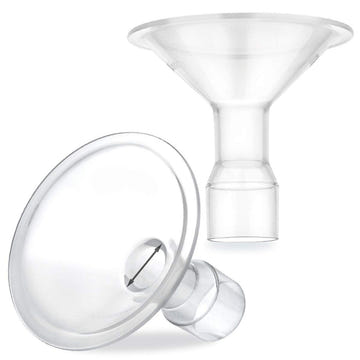
Bae & Bee Boutique Maymom Narrow Neck Flange compati...
$15.00
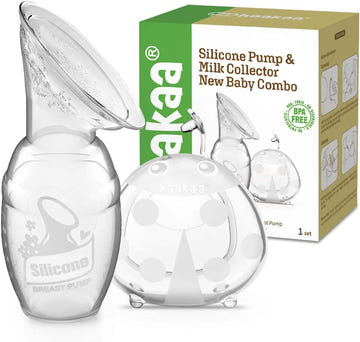
Haakaa Silicone Pump and Ladybug Milk Collector Comb...
$30.32
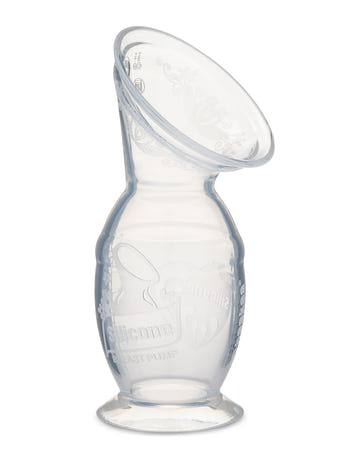
Haakaa Generation 2 Silicone Breast Pump 5 oz Suctio...
$20.99
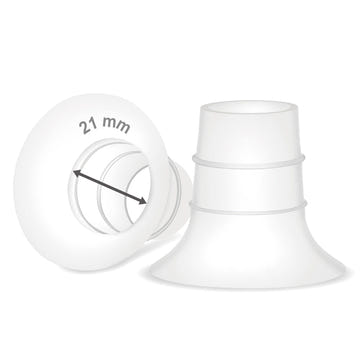
Bae & Bee Boutique Maymom Silicone Medela Flange Ins...
$6.00
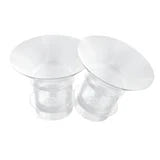
Bae & Bee Boutique Silicone Flange Inserts 10-21mm
$16.00
What to pack in your pump bag
Pack the night before, every time. The checklist that has survived hundreds of workdays:
- Pump, power cord or charged battery, and tubing
- Two full sets of flanges and valves (a spare set means a forgotten part never ends your day)
- Milk storage bottles or bags, plus a marker for labeling
- Insulated cooler bag with two ice packs
- Quick-clean wipes or a travel bottle of dish soap
- A wet bag for used parts (refrigerating parts between sessions saves washing at work)
- Nursing pads and a spare shirt, because leaks pick their moments
- Your silver nursing cups, worn between sessions to keep skin comfortable (more on this below)
- A photo or short video of your baby on your phone; watching it during pumping genuinely helps letdown
Milk storage at work, without the guesswork
The rules that matter, in one place:
- Room temperature: freshly pumped milk is fine for up to 4 hours.
- Office fridge or cooler with ice packs: up to 4 days in a fridge at 40°F; an insulated cooler with ice packs keeps milk safe for about 24 hours, which covers the workday plus the commute.
- Freezer at home: up to 6 months for best quality.
Label every container with the date. If you use the shared office fridge, an opaque lunch bag keeps things low-key. And if a day goes sideways and milk sits out past the window, remember the golden rule: when in doubt, do not stress over one bottle. Your consistency across weeks matters far more than any single session.
Protecting your supply after going back
Almost every mom notices some supply wobble in the first two weeks back. It is usually the schedule change, not the end of your breastfeeding journey. The fixes that actually work:
- Do not skip sessions. Block them on your calendar like meetings, because they are.
- Check your flange fit. The wrong size is the most common reason pump output drops. Your nipple should move freely in the tunnel without rubbing.
- Replace worn pump parts. Valves and membranes lose suction after 2 to 3 months of daily use.
- Use hands-on pumping. Massaging while you pump can increase output noticeably per session.
- Nurse freely at home. Evenings and weekends of unrestricted nursing tell your body the demand is still there.
If your supply has already dipped, our guide on why milk supply drops at 3 to 4 months and how to get it back covers the recovery playbook in detail, and power pumping (a cluster-feeding simulation you can do at home) deserves its own read.
More Related Picks
A few more favorites from the same collection.
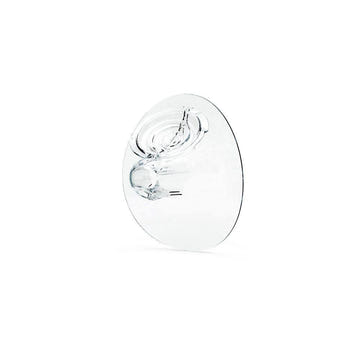
Healthy Horizons Elvie Pump Breast Shields 2 Pack 21...
$29.99
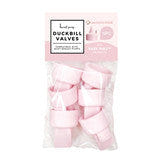
Bae & Bee Boutique Duckbill Valve Pink Replacement F...
$14.00
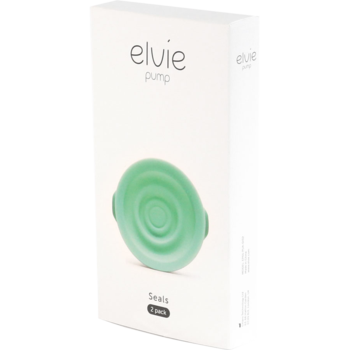
Healthy Horizons Elvie Pump Seals 2 Pack Spare Diaph...
$16.99
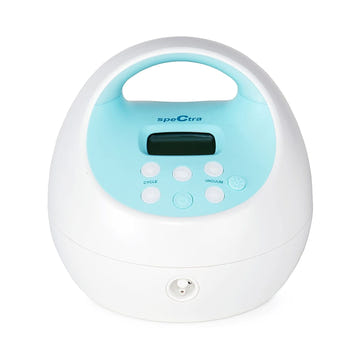
LL Medico Spectra S1 Plus Rechargeable Double Electr...
$216.00
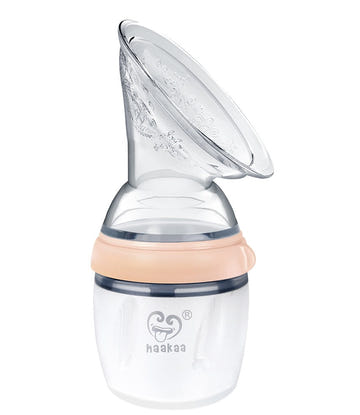
Haakaa Silicone Breast Pump Generation 3 160ml 250ml
$28.99
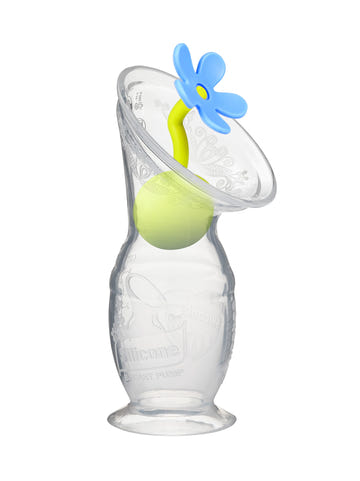
Haakaa Gen 2 Silicone Breast Pump 4 oz with Suction ...
$26.99
Sore nipples and pumping: do not push through pain
Pumping should not hurt. Ever. Pain usually means a flange fit problem or suction set too high, and skin that is already tender from early breastfeeding takes extra punishment from a pump. Between sessions, many moms wear 999 fine silver nursing cups, which protect healing skin from fabric friction and use silver's natural properties to keep the area calm. We wrote a full guide on sore nipples from pumping, why it happens and how to heal faster, and if your soreness started before you ever touched a pump, start with sore nipples while breastfeeding.
Going back to work? Take 15% off breastfeeding essentials, from silver nursing cups to storage.
Use code PUMP15 at checkoutThe first week back: what to actually expect
Your output will probably be lower than what your baby drinks at daycare that first week. This is normal and it evens out. Send a little extra from your freezer stash if you have one, ask daycare to use paced feeding so baby does not out-drink your production, and give the routine two weeks before judging it. Most moms find their rhythm faster than they feared.
FAQ
How many times should I pump during an 8-hour workday?
Two to three sessions, roughly every 3 hours. Match the number of feeds your baby takes while you are away.
Can my employer make me pump in a bathroom?
No. The PUMP Act specifically requires a space other than a bathroom, shielded from view and free from intrusion.
How long can breast milk sit in a cooler bag?
About 24 hours with ice packs in an insulated cooler. Transfer it to the fridge or freezer when you get home.
Do I have to wash pump parts after every session at work?
Rinsing and refrigerating parts in a sealed bag between same-day sessions is a widely used shortcut; give everything a proper wash at home each night.
Will my supply survive going back to work?
Yes, in the vast majority of cases. Consistent sessions, a well-fitted flange, and free nursing at home are what keep it steady.
Keep reading
This article is for general information only and is not medical advice. Always talk to your pediatrician, OB, or an IBCLC lactation consultant about your specific situation.
About the Editor
Eda Ulger is a co-founder of Moogco Baby, the editor of the Moogco Baby Journal, and a mom of two. She curates and edits our guides so every piece is honest, practical, and genuinely helpful for the early days of motherhood.
Shop This Story
Picks related to this guide, ready to ship from Moogco.
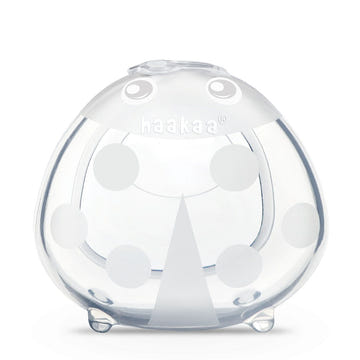
Haakaa Ladybug Silicone Milk Collector 2.5 oz 75 ml
$17.99
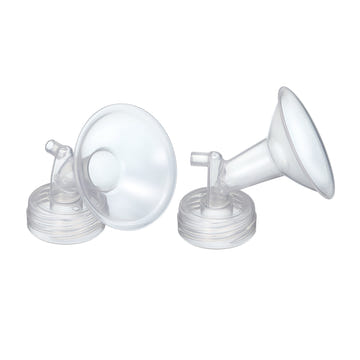
Cimilre Breast Shields set of two 21mm 24mm 28mm 32mm
$19.99
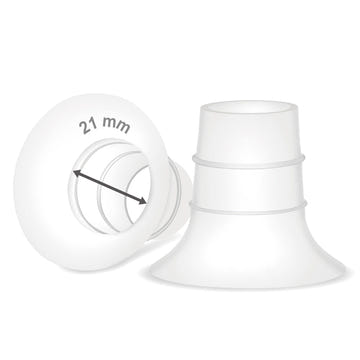
Bae & Bee Boutique Maymom Elvie Flange Inserts Semi-...
$6.00
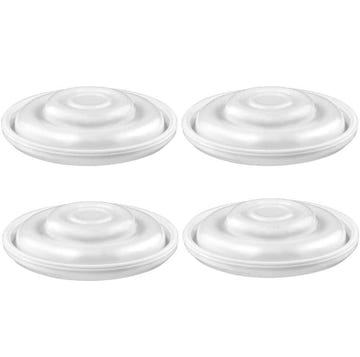
Bae & Bee Boutique 4pc Maymom Silicone Membrane for ...
$10.00
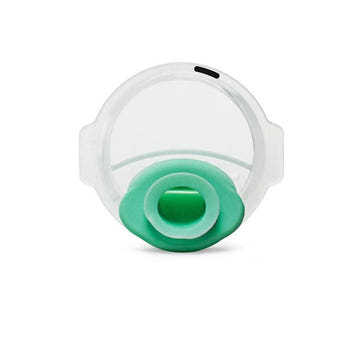
Healthy Horizons Breastfeeding Centers Elvie Pump Sp...
$16.99
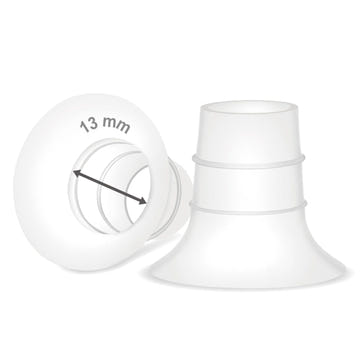
Healthy Horizons Maymom Flange Short Inserts 2 Pack ...
$14.99
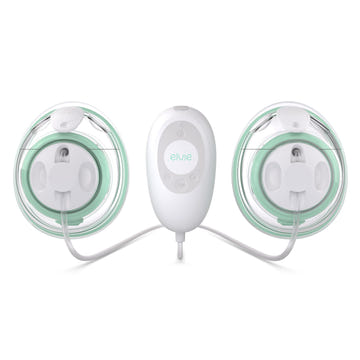
Healthy Horizons Elvie Stride wearable hands-free br...
$189.99
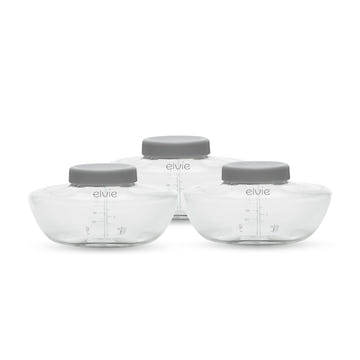
Healthy Horizons Elvie Pump Bottles 3 Pack 150 ml BP...
$34.99
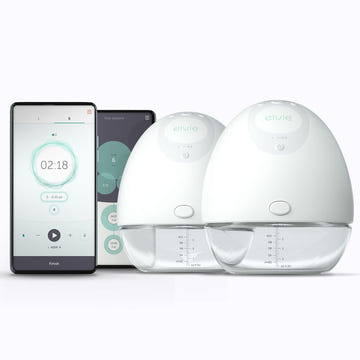
Healthy Horizons Elvie Double Electric Wearable Brea...
$549.99
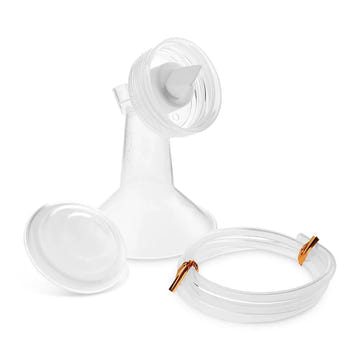
Spectra Wide Neck Breast Flange Kit
$15.99