


Going back to work after having a baby is a deeply personal—and often emotional—milestone. Whether you're heading back after weeks or months, this transition can bring excitement, guilt, anxiety, or even relief. Whatever you feel is valid. This guide offers practical and emotional support as you navigate the shift from full-time baby care to balancing your professional identity.
Dr. Janine Thomas, Maternal Mental Health Expert: “Returning to work after baby isn’t about leaving motherhood behind—it’s about integrating your new identity with your existing roles. Give yourself time and grace.”
Preparing Emotionally
✔️ Acknowledge mixed feelings—joy and sadness can coexist.
✔️ Talk openly with your partner, friends, or a therapist.
✔️ Join mom groups or forums to hear others’ experiences.
✔️ Remember: You are not alone in this transition.

Planning Childcare
✔️ Start researching options early—whether it’s daycare, a nanny, or family care.
✔️ Schedule trial days before returning to ease separation for both of you.
✔️ Choose what aligns best with your family values and work schedule.
Healing, comfort, and a little softness
Postpartum care, finally taken seriously
Take $15 off at checkout, applied automatically when you shop through this link.
Shop with MAMA15 →Free US shipping over $100. Code applies automatically at checkout.
Picks From This Story
Picks related to this guide, ready to ship from Moogco.

Healthy Horizons Elvie Stride Diaphragms 2 Pack
$21.99
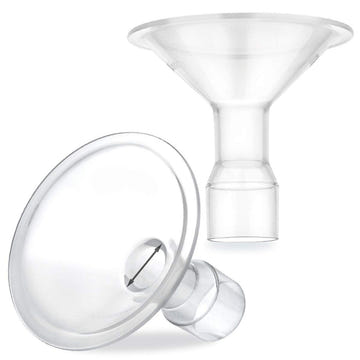
Bae & Bee Boutique Maymom Narrow Neck Flange compati...
$15.00
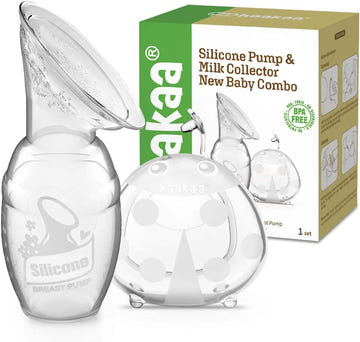
Haakaa Silicone Pump and Ladybug Milk Collector Comb...
$30.32
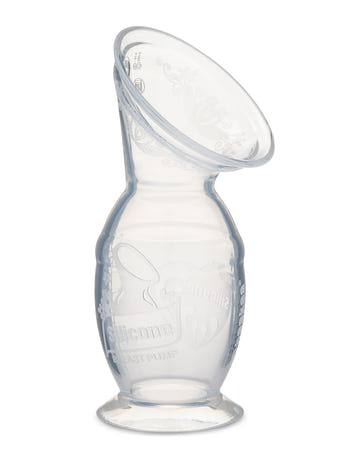
Haakaa Generation 2 Silicone Breast Pump 5 oz Suctio...
$20.99
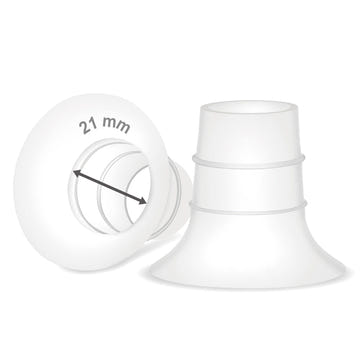
Bae & Bee Boutique Maymom Silicone Medela Flange Ins...
$6.00
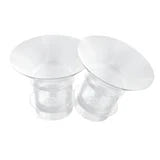
Bae & Bee Boutique Silicone Flange Inserts 10-21mm
$16.00
Pumping and Breastfeeding at Work
✔️ Talk to HR ahead of time about lactation rooms and pumping breaks.
✔️ Invest in a reliable, portable breast pump and a cooler bag.
✔️ Use Moogco Silver Nursing Cups between sessions to soothe nipples and support healing.
📌 Try them here: Moogco Silver Nursing Cups on Amazon
✔️ Practice pumping at home to build a stash and comfort with the process.
Making the First Week Easier
✔️ Prepare meals, outfits, and your bag the night before.
✔️ Ease in if possible—consider starting midweek or part-time.
✔️ Keep baby’s photo close and stay in touch with caregivers.
✔️ Accept help—both at home and on the job.
Maintaining Connection with Your Baby
✔️ Create special rituals like morning snuggles or bedtime stories.
✔️ Focus on quality, not quantity.
✔️ Stay present during your time together—put away your phone and soak in those moments.
More Related Picks
A few more favorites from the same collection.
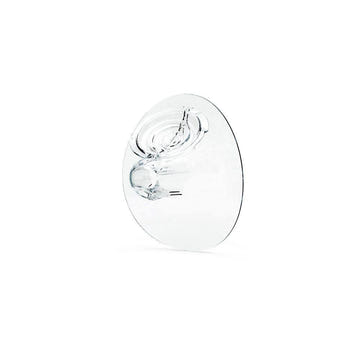
Healthy Horizons Elvie Pump Breast Shields 2 Pack 21...
$29.99
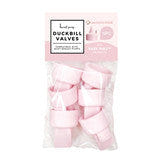
Bae & Bee Boutique Duckbill Valve Pink Replacement F...
$14.00
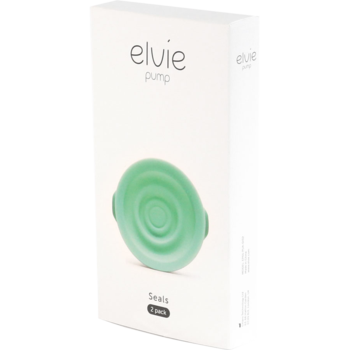
Healthy Horizons Elvie Pump Seals 2 Pack Spare Diaph...
$16.99
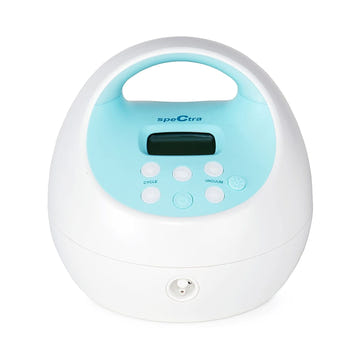
LL Medico Spectra S1 Plus Rechargeable Double Electr...
$216.00
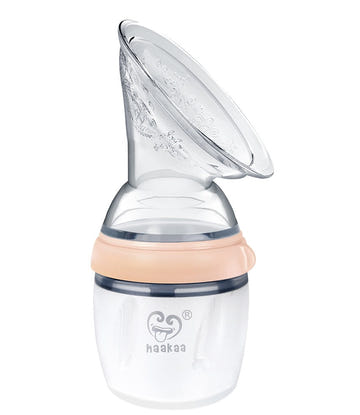
Haakaa Silicone Breast Pump Generation 3 160ml 250ml
$28.99
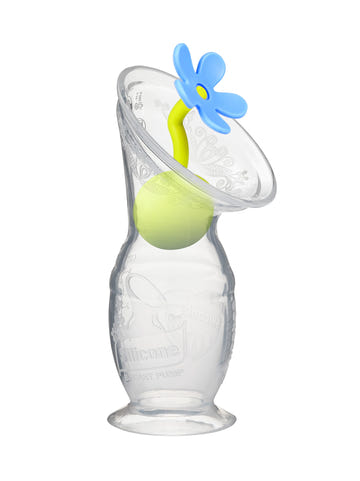
Haakaa Gen 2 Silicone Breast Pump 4 oz with Suction ...
$26.99
Managing Guilt and Expectations
✔️ Know that working doesn’t make you less of a parent.
✔️ Set realistic expectations—perfection isn’t the goal, balance is.
✔️ Be flexible; routines will shift, and that’s okay.
✔️ Celebrate the wins, even the small ones.
Dr. Amina Wells, Pediatrician & Working Mom: “Showing your child that you can care for them and pursue your passions is a powerful example. They don’t need a perfect parent—just a present one.”
Final Thoughts: Embrace the New Chapter
Returning to work postpartum is a journey, not a moment. With preparation, support, and self-compassion, you can create a rhythm that nurtures both your career and your family. You are growing right alongside your baby—and that’s something to be proud of.
🛒 Find helpful tools for new moms at Moogco Baby.
Bring this guide home with $15 off.
Use code MAMA15 for $15 off →
Frequently Asked Questions
When should I start planning my return to work after having a baby?
Ideally, start planning 4 to 6 weeks before your return date. This gives you time to research childcare options, schedule trial runs, talk to HR about pumping accommodations, and emotionally prepare. Starting early reduces last-minute stress and helps you transition more smoothly back into your professional routine.
How can I build a freezer stash of breast milk before returning to work?
Begin pumping once daily, ideally in the morning when supply is highest, about 2 to 3 weeks before your return. Aim to pump after a feeding or between sessions to signal extra demand. Store milk in 2 to 4 ounce portions and label with dates. Even a small stash can ease anxiety and provide a cushion as you establish your pumping routine at work.
What are my legal rights for pumping at work?
In the United States, the PUMP Act requires most employers to provide reasonable break time and a private, non-bathroom space for pumping for up to one year after birth. Talk to your HR department before returning to clarify your company's policy and ensure accommodations are in place. Knowing your rights helps you advocate confidently for what you need.
How do I handle the guilt of leaving my baby with someone else?
Guilt is a common and valid feeling, but remember that quality childcare supports your baby's development and well-being. You are modeling balance, resilience, and independence. Stay connected through photos, check-ins, and special rituals when you're home. Over time, the guilt often lessens as you see your baby thriving and you regain confidence in your routine.
What should I pack in my work bag for pumping?
Pack your breast pump, charger or batteries, extra valves and membranes, milk storage bags or bottles, a cooler with ice packs, and a hands-free pumping bra. Consider bringing nursing pads, nipple cream or silver nursing cups, and a photo of your baby to help with letdown. Keep a backup set of pump parts at work in case you forget something at home.
How can I stay connected to my baby while working full time?
Create meaningful daily rituals like morning cuddles, bedtime stories, or a special song. Ask your caregiver to send photos or updates during the day. Focus on being fully present during your time together rather than worrying about quantity. Quality connection matters more than hours counted, and babies thrive on consistency and love, not perfection.
Is it normal to feel relieved about going back to work?
Absolutely. Many parents feel a mix of relief, excitement, and guilt, and all of those emotions are valid. Returning to work can restore a sense of identity, adult interaction, and routine that you may have missed. Feeling relieved doesn't mean you love your baby any less. It means you're human and you value different parts of your life, which is healthy and normal.
Should I start back to work part time or ease in gradually?
If your employer allows it, easing in part time or starting midweek can make the transition gentler for both you and your baby. A gradual return helps you adjust to pumping schedules, childcare routines, and managing your energy. Even a few short days can build confidence before diving into a full schedule. Do what feels right for your family and your work situation.
From Moogco Studio
Printable and personalized nursery essentials. Designed by moms for moms.


About the Editor
Eda Ulger is the editor at Moogco Baby and a mom of two. She curates and edits our guides so every piece is honest, practical, and genuinely helpful for the early days of motherhood.
Shop This Story
Picks related to this guide, ready to ship from Moogco.
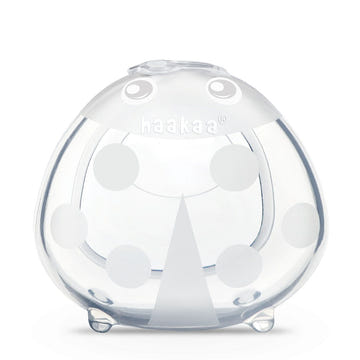
Haakaa Ladybug Silicone Milk Collector 2.5 oz 75 ml
$17.99
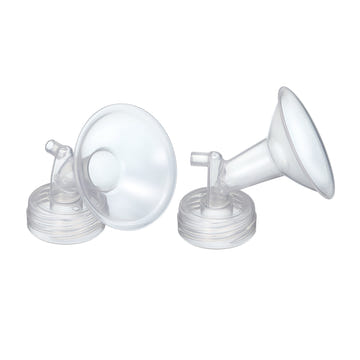
Cimilre Breast Shields set of two 21mm 24mm 28mm 32mm
$19.99
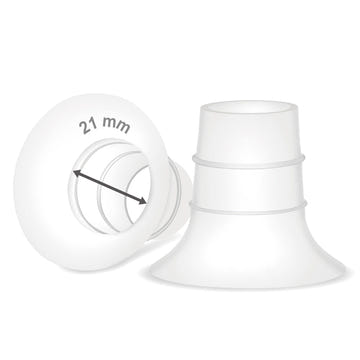
Bae & Bee Boutique Maymom Elvie Flange Inserts Semi-...
$6.00
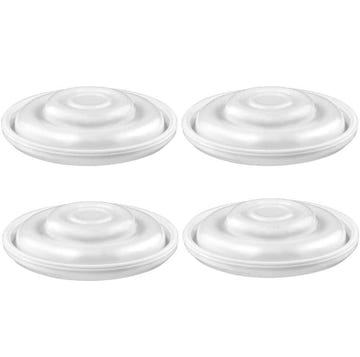
Bae & Bee Boutique 4pc Maymom Silicone Membrane for ...
$10.00
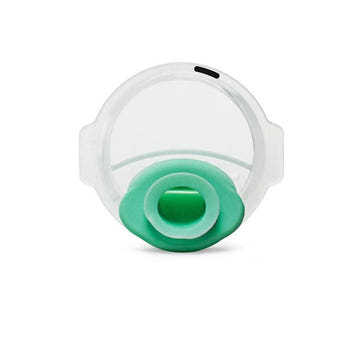
Healthy Horizons Breastfeeding Centers Elvie Pump Sp...
$16.99
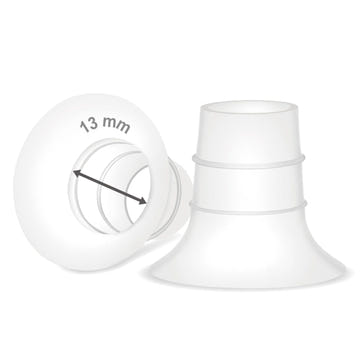
Healthy Horizons Maymom Flange Short Inserts 2 Pack ...
$14.99
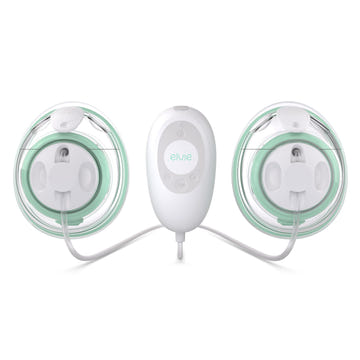
Healthy Horizons Elvie Stride wearable hands-free br...
$189.99
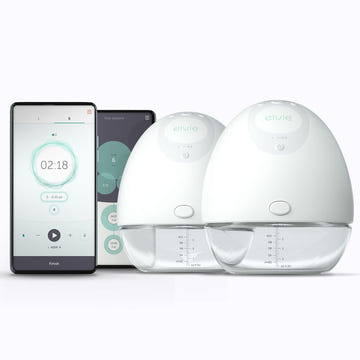
Healthy Horizons Elvie Double Electric Wearable Brea...
$549.99
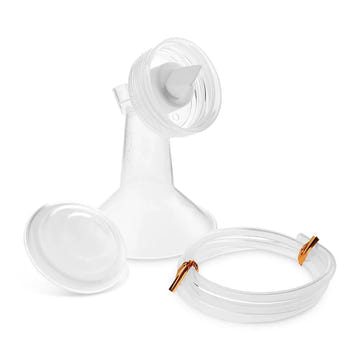
Spectra Wide Neck Breast Flange Kit
$15.99
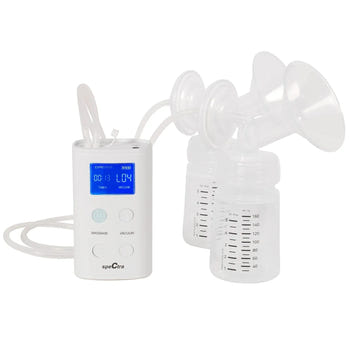
LL Medico Spectra 9 Plus Premier Portable Rechargeab...
$194.00