


Breastfeeding is a practice as old as humanity itself, and throughout history, different cultures have developed unique rituals and traditions to support mothers and their nursing babies. These rituals often reflect the values, beliefs, and wisdom passed down through generations, highlighting the deep connection between mother and child. Let’s take a journey through time to explore some of the fascinating breastfeeding rituals from around the world.
Ancient Egypt: A Symbol of Nourishment and Protection
In ancient Egypt, breastfeeding was seen as a symbol of nourishment and divine protection. The goddess Isis, often depicted nursing her son Horus, was considered a powerful figure who embodied motherhood. Egyptian women would call upon her to bless their nursing experience, believing that her protective nature would ensure the health of both mother and child.
Mothers were encouraged to breastfeed their children as long as possible, and the act was revered and integrated into the culture’s religious beliefs. Breastfeeding was considered sacred, and the nourishment it provided was seen as a gift from the gods.
Greece and Rome: The Role of Wet Nurses
In ancient Greece and Rome, wet nursing was a common practice. Wealthy families often hired wet nurses to breastfeed their babies, a practice that allowed mothers to return to their daily lives or avoid the physical demands of nursing. Wet nurses were seen as essential figures, and their ability to nurture and feed children was highly respected.
Interestingly, the choice of a wet nurse was not made lightly; she was often chosen based on her health, diet, and the belief that her moral character would influence the child. The wet nurse’s diet was sometimes monitored to ensure that the milk she provided would be of the highest quality, reflecting an early understanding of how a mother’s nutrition affects breastfeeding.
Indigenous Cultures: Rituals for Health and Well-Being
Among many indigenous cultures, breastfeeding was, and still is, celebrated as a natural and essential part of child-rearing. In various African and Native American tribes, rituals were often performed to prepare a mother for breastfeeding. For example, some tribes would offer herbal teas or remedies to new mothers to boost milk production and ensure the baby's health.
In these communities, breastfeeding was seen as a communal activity, with mothers receiving guidance and support from other women in the tribe. This sense of community allowed new mothers to learn from experienced women, creating a network of support and shared wisdom that helped them navigate the challenges of breastfeeding.
Medieval Europe: Blessings and Superstitions
In medieval Europe, breastfeeding was surrounded by both blessings and superstitions. Some mothers believed that offering their breast milk to the gods or saints would protect their child from harm. They would often recite prayers or incantations while breastfeeding, asking for health and strength for their babies.
It was also common for mothers to avoid breastfeeding if they were ill or upset, fearing that their emotions would be transferred to the baby through their milk. While modern science has debunked many of these superstitions, the care and thoughtfulness behind these rituals show how deeply people valued the bond created through breastfeeding.
China: Traditional Foods and Postpartum Care
In China, the period after childbirth, known as “zuo yue zi” or “sitting the month,” is a time when new mothers rest and focus on recovery and breastfeeding. During this time, the mother’s diet is carefully managed to ensure that she produces enough milk and maintains her health. Traditional foods like bone broth, soups, and herbal teas are often given to mothers to strengthen their bodies and promote lactation.
This practice emphasizes the importance of self-care for nursing mothers, something that resonates even in modern times. The focus on rest, nutrition, and support during this period helps mothers recover from childbirth and fosters a healthy breastfeeding experience.
Modern-Day Rituals: A Blend of Tradition and Innovation
Today, breastfeeding rituals vary widely around the world, reflecting a blend of ancient traditions and modern practices. In some cultures, mothers still practice traditional rituals, such as special diets or herbal remedies, to promote lactation and maintain their health. In others, new mothers receive lactation support from professionals who help them with everything from latch issues to maintaining milk supply.
One modern-day addition to the breastfeeding journey is the use of products designed to provide comfort and relief. For instance, Moogco Silver Nursing Cups offer natural and gentle care for mothers dealing with sore nipples. By harnessing the antimicrobial properties of silver, these cups promote healing without the need for creams or chemicals. This is a great example of how tradition and innovation can come together to enhance the breastfeeding experience.
Conclusion
Breastfeeding has always been more than just a way to feed a baby. Throughout history, it has been surrounded by rituals, beliefs, and practices that reflect the importance of nurturing and caring for the next generation. Whether through prayer, special foods, or modern products like Moogco Silver Nursing Cups, these rituals help support mothers on their breastfeeding journey, fostering a bond between mother and child that is both timeless and universal.
As we move forward, we continue to see a blend of ancient wisdom and new technology, providing mothers with the best of both worlds. Understanding these rituals reminds us of the deep connection and care that goes into breastfeeding, a practice that remains as essential today as it was thousands of years ago.
Bring this guide home with $15 off.
Use code BABY15 for $15 off →
Featured pick from Moogco
MOOGCO Silver Nursing Cups 999k Silver - BPA-Free for Babies & Toddlers
$46.90 $52.90
Shop this pick → Frequently Asked Questions
How did ancient cultures support breastfeeding mothers?
Ancient cultures developed rich support systems including herbal remedies, communal wisdom sharing, and spiritual rituals. Many indigenous communities had experienced mothers mentor new ones, while Chinese traditions emphasized postpartum rest and nourishing foods. These practices recognized that successful breastfeeding requires both physical support and emotional encouragement from the community.

What is the Chinese tradition of sitting the month?
Zuo yue zi, or sitting the month, is a Chinese postpartum practice where new mothers rest for about 30 days after birth. During this time, mothers focus on recovery and breastfeeding while family members provide special nourishing foods like bone broth and herbal teas. This tradition emphasizes that proper rest and nutrition are essential for establishing a healthy milk supply and healing from childbirth.
Curated by moms, vetted by lactation pros
Picks From This Story
Picks related to this guide, ready to ship from Moogco.

The Original Silver Nursing Cups with Silicone Pads
$62.90

MOOGCO Silver Nursing Cups 999k Silver
$49.90

momjug breastfeeding water bottle 50oz double-wall s...
$49.99
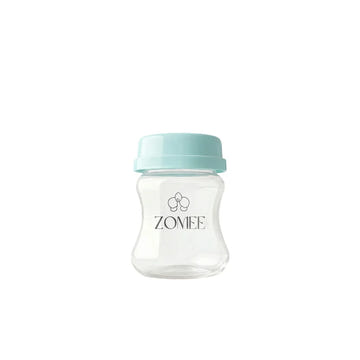
Zomee Breast Pumps Breast Milk Storage Bottles BPA-free
$3.99
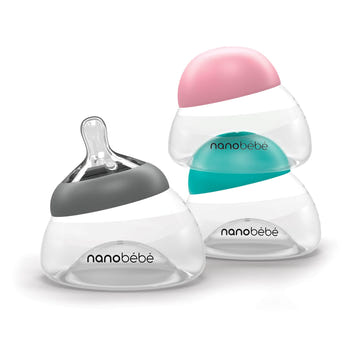
Nanobébé Breastmilk Baby Bottle 5 oz Pack Options Pi...
$16.99
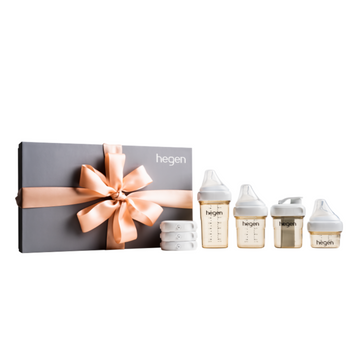
hegen PPSU Essentials Kit 60ml 150ml 240ml baby bottles
$99.99
Everything for the breastfeeding journey
Take $15 off at checkout, applied automatically when you shop through this link.
Shop with BABY15 →Free US shipping over $100. Code applies automatically at checkout.
Why were wet nurses common in ancient Greece and Rome?
Wealthy families in ancient Greece and Rome hired wet nurses to allow mothers to return to their daily activities and social obligations. The selection process was careful, with families choosing wet nurses based on health, diet, and even moral character, believing these qualities would transfer to the baby. This shows an early understanding of how a caregiver's overall wellness impacts the quality of breast milk.
What role did goddess Isis play in Egyptian breastfeeding culture?
The goddess Isis, often depicted nursing her son Horus, was central to Egyptian breastfeeding beliefs and symbolized divine motherhood and protection. Egyptian mothers would invoke Isis to bless their nursing experience and ensure the health of both mother and baby. This reverence made breastfeeding a sacred act integrated into Egyptian religious and cultural life.
Did medieval mothers really believe emotions affected breast milk?
Yes, medieval European mothers often believed that negative emotions like anger or sadness could be transferred to babies through breast milk. This led some mothers to avoid breastfeeding when upset or ill, reflecting their deep concern for their child's wellbeing. While modern science has shown emotions do not contaminate milk, this belief demonstrates the thoughtfulness mothers have always brought to feeding their babies.
More Related Picks
A few more favorites from the same collection.
Healthy Horizons Elvie Stride Diaphragms 2 Pack
$21.99
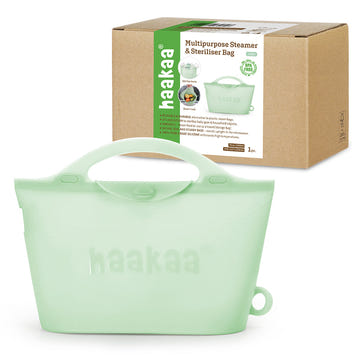
Haakaa Multipurpose Steamer & Sterilizer Bag 3 sizes...
$14.99

Pigeon Glass Wide Neck Baby Bottle 2-Pack 8.1 oz 3+ ...
$35.99
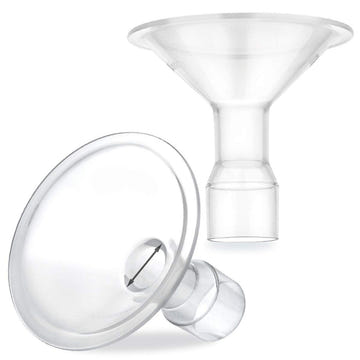
Bae & Bee Boutique Maymom Narrow Neck Flange compati...
$15.00
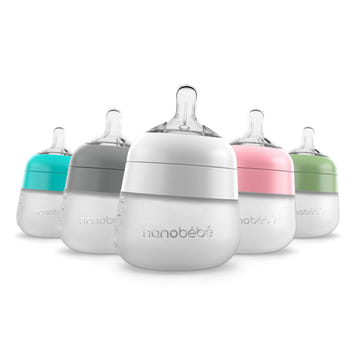
Nanobébé Flexy Silicone Baby Bottle 5oz
$16.99
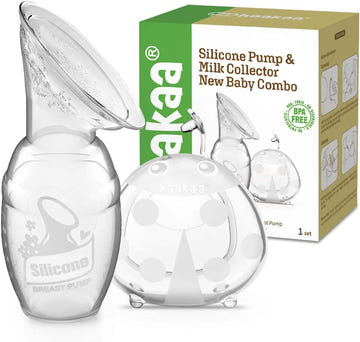
Haakaa Silicone Pump and Ladybug Milk Collector Comb...
$30.32
What foods traditionally help with milk production?
Many cultures throughout history have used specific foods to support lactation, including bone broths, herbal teas, oatmeal, and nutrient-rich soups. Chinese postpartum traditions particularly emphasize warming, nourishing foods that help mothers recover and maintain milk supply. Modern research supports that proper hydration and balanced nutrition do help mothers produce adequate milk for their babies.
How do modern breastfeeding practices honor ancient traditions?
Today's breastfeeding support blends ancestral wisdom with contemporary innovation, combining traditional remedies like herbal teas with evidence-based lactation consulting. Many mothers still follow cultural dietary practices while also using modern tools like silver nursing cups for nipple healing. This integration honors the knowledge of previous generations while giving mothers access to safe, effective solutions.
What can we learn from historical breastfeeding rituals?
Historical rituals teach us that breastfeeding has always required community support, proper nutrition, and time for recovery. Across all cultures, mothers received guidance from experienced women and used natural remedies to overcome challenges. These timeless principles remind us that successful breastfeeding depends not just on the mother, but on creating a supportive environment that honors her needs.
From Moogco Studio
Printable and personalized nursery essentials. Designed by moms for moms.


About the Editor
Eda Ulger is the editor at Moogco Baby and a mom of two. She curates and edits our guides so every piece is honest, practical, and genuinely helpful for the early days of motherhood.
Shop This Story
Picks related to this guide, ready to ship from Moogco.
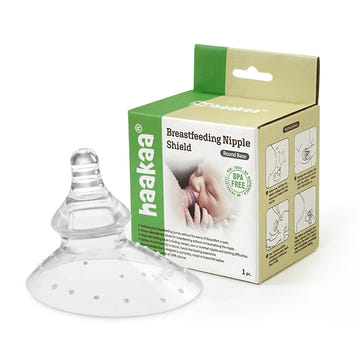
Haakaa Silicone Breastfeeding Nipple Shield Round Sh...
$19.05
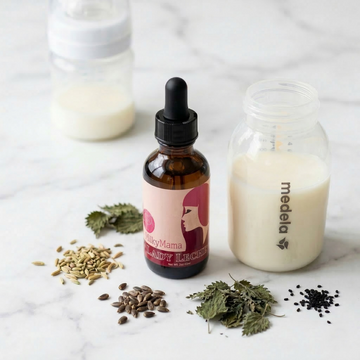
Milky Mama Lady Leche Lactation Liquid Grape Flavor ...
$27.00
Bae & Bee Boutique LactTube 5FR Pediatric Feeding Tu...
$3.00
Bae & Bee Boutique Cherry Shaped Nipple Shield 21mm ...
$14.00

Nanobébé Silicone Anti-Colic Baby Bottle Nipples Gen...
$5.99
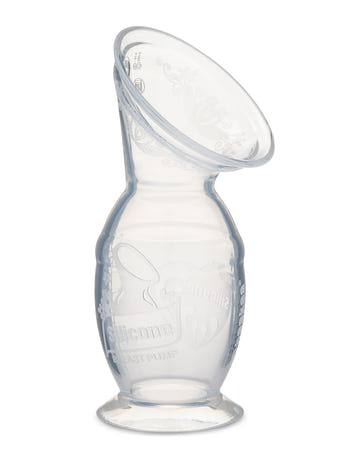
Haakaa Generation 2 Silicone Breast Pump 5 oz Suctio...
$20.99

Pigeon PPSU Wide Neck Baby Bottle 2 Pack 5.4 oz Newborn
$34.99

Nyssa FourthWear Postpartum Bralette Nursing and Pum...
$39.00

Bae & Bee Boutique Maymom Silicone Medela Flange Ins...
$6.00
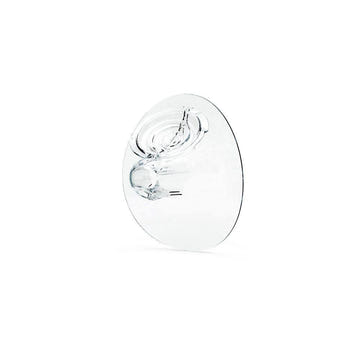
Healthy Horizons Elvie Pump Breast Shields 2 Pack 21...
$29.99