


Here is something nobody tells you before you go back to work: a pump can be harder on your nipples than your baby ever was. A baby adjusts. A pump does exactly what its settings tell it to, 15 minutes at a time, several times a day. If your sessions have started to sting, burn, or leave you dreading the next one, this guide is for you.
Quick Answer: Sore nipples from pumping are almost always caused by one of four things: a flange that is the wrong size, suction set too high, pumping sessions that run too long, or skin that is already cracked and gets re-irritated every session. Fix the fit first (your nipple should move freely without rubbing the tunnel), keep suction at the highest comfortable level rather than the maximum, and protect healing skin between sessions with 999 fine silver nursing cups so each session stops undoing your progress.
Why pumping hurts (when it should not)
1. Wrong flange size. This is the cause in most cases we hear about. If the tunnel rubs your nipple, or pulls in a large ring of areola, every cycle of the pump creates friction exactly where skin is most sensitive. Measure your nipple diameter (not the areola) and add a couple of millimeters; many moms discover they have been using a flange one or two sizes too large simply because it came in the box.
2. Suction set too high. Higher vacuum does not mean more milk. Output is driven by letdown and frequency, not raw suction. The right setting is the highest level that is still completely comfortable, one click down from where you first notice discomfort.
3. Sessions that run too long. Empty is empty. Past 20 minutes or so, most of what the pump does is stress your skin. If you are pumping at work, our complete pumping at work guide covers how to schedule shorter, more frequent sessions that protect both supply and skin.
4. Skin that never gets a chance to heal. If your nipples were already tender or cracked from early breastfeeding, each pump session re-opens the damage before it can close. This cycle is why soreness that "should have gotten better by now" often has not.
Picks From This Story
Picks related to this guide, ready to ship from Moogco.
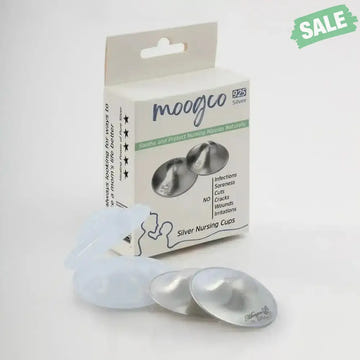
MOOGCO Silver Nursing Cups 925k Silver - Protect Aga...
$34.75

The Original Silver Nursing Cups with Silicone Pads
$62.90
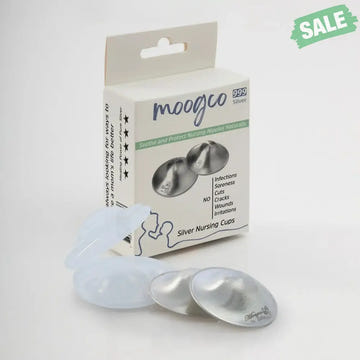
MOOGCO Silver Nursing Cups 999k Silver
$49.90
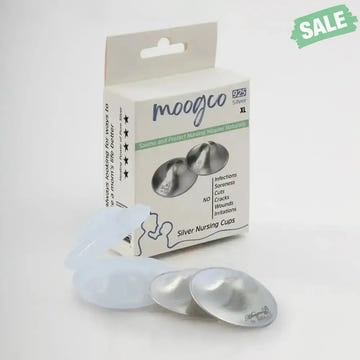
MOOGCO Silver Nursing Cups 925k Silver
$34.75
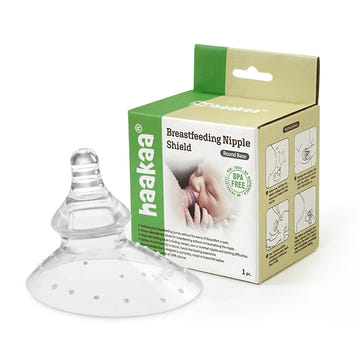
Haakaa Silicone Breastfeeding Nipple Shield Round Sh...
$19.05
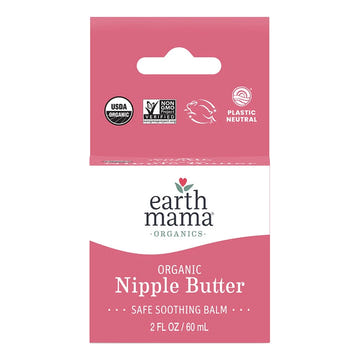
Organic Nipple Butter™ - Double-Sided for Kids
$14.99
How to heal faster between sessions
Fixing the cause stops new damage; these steps speed up the healing you are waiting for:
- Wear 999 fine silver nursing cups between sessions. Solid silver has natural antibacterial properties, and the cup itself shields healing skin from bra and fabric friction all day. A few drops of your own milk inside the cup does the rest. This is the single change moms tell us made pumping bearable again, and it fits invisibly under a work blouse.
- Lubricate the flange. A thin film of expressed milk or a pump-safe lubricant on the tunnel reduces friction dramatically.
- Air-dry after sessions instead of tucking damp skin straight into a nursing pad.
- Skip the harsh stuff. Soap directly on the nipple, alcohol wipes, and vigorous scrubbing all slow healing.
If you want the deeper science of how silver works on healing skin, our guide to the healing science of silver nursing cups covers it, and the size guide helps you pick between 38mm and 52mm.
Heal between pump sessions. 15% off 999 fine silver nursing cups and breastfeeding essentials.
Use code PUMP15 at checkoutWhen pain is not about the pump
See your provider or an IBCLC if you notice shooting or burning pain deep in the breast between sessions, white or flattened nipple tips after pumping (a possible vasospasm sign), cracks that are not improving after a week of correct flange fit, or any fever and redness, which can signal mastitis. Pump-fit problems are common; so are these, and they have different fixes.
Find a lactation consultant near you
An IBCLC (International Board Certified Lactation Consultant) is the specialist for exactly this kind of problem. Many do home visits or video calls, and many accept insurance. These are good places to start:
- USLCA Find an IBCLC: a US directory you can search by zip code, including virtual visits.
- ILCA lactation consultant map: the international association's directory.
- IBCLC public registry: check that a consultant's certification is current.
- La Leche League USA: free local and online support from trained volunteer leaders.
- WIC breastfeeding support: free peer counselors, and often IBCLCs, if you qualify.
Practices we work with
- Pacifica Family Maternity Center: Berkeley, CA
- Nurturing Nectar: Long Beach, CA
- The Lactation RN: San Clemente, CA
- Restored Physique: Tustin, CA
- Lawrence Birth and Wellness: Lawrence, KS
- New England Doula Support: Foxborough, MA
- Queen City Doulas: Charlotte, NC
- Shiry Weinstein, IBCLC: Bergen County, NJ
- Back To Me Physical Therapy: Cedar Knolls (Morristown area), NJ
- Mary Lou Moramarco, IBCLC: Central NJ, NJ
- Moon Sage Mama: Media, PA
- Mooch Lactation Co: Austin, TX
Most US health plans must cover breastfeeding support and counseling. See what Healthcare.gov says, then call your plan and ask which lactation consultants are in network.
More Related Picks
A few more favorites from the same collection.
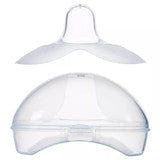
Bae & Bee Boutique Cherry Shaped Nipple Shield 21mm ...
$14.00
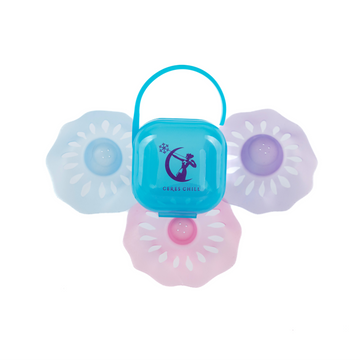
Ceres Chill Shield Maiden Nipple Shields 2pc or 3pc ...
$14.50
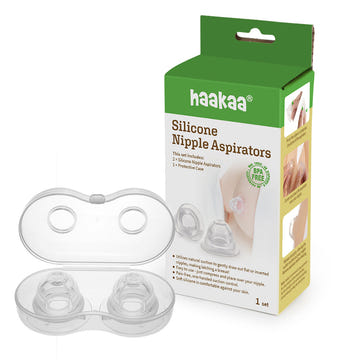
Haakaa Silicone Inverted Nipple Aspirators 2 pk
$17.99
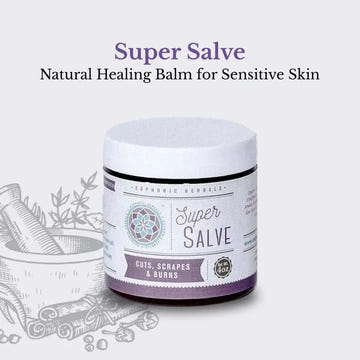
Euphoric Herbals Super Salve Nursing Salve no essent...
$10.00
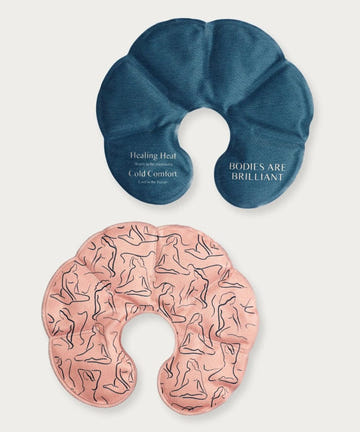
Nyssa Breast Ice and Heat Therapy Packs 8-inch Full-...
$20.00
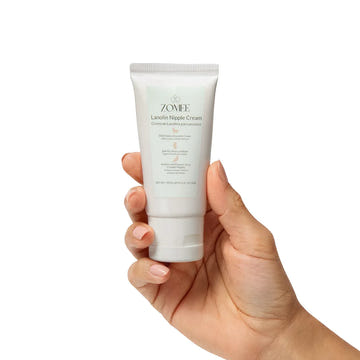
Zomee Breast Pumps Lanolin Nipple Cream
$9.99
FAQ
Should pumping hurt at all?
No. Mild tugging is normal; pain, stinging, or burning means something needs adjusting, almost always flange size or suction level.
How do I know my flange is the wrong size?
Rubbing or pinching in the tunnel, a ring mark on the areola after sessions, or nipple pain that starts within the first minute all point to fit problems.
Can I keep pumping with cracked nipples?
Usually yes, with corrected fit, lower suction, and protection between sessions so the skin can close. If a crack is deep or shows signs of infection, get it looked at.
How long until sore nipples heal once I fix the cause?
Most surface soreness improves within 2 to 4 days once friction stops, especially when skin is protected between sessions instead of rubbing on fabric all day.
Keep reading
This article is for general information only and is not medical advice. Always talk to your pediatrician, OB, or an IBCLC lactation consultant about your specific situation.
About the Editor
Eda Ulger is a co-founder of Moogco Baby, the editor of the Moogco Baby Journal, and a mom of two. She curates and edits our guides so every piece is honest, practical, and genuinely helpful for the early days of motherhood.
Shop This Story
Picks related to this guide, ready to ship from Moogco.
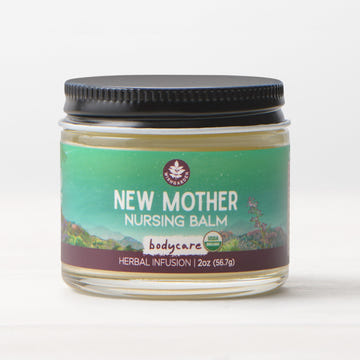
WishGarden Herbs New Mother Nursing Balm USDA Organic
$14.99
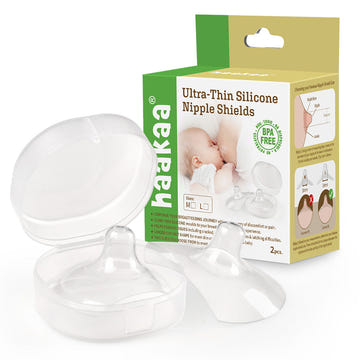
Haakaa Silicone Nipple Shields 2-pack 18 mm
$13.93
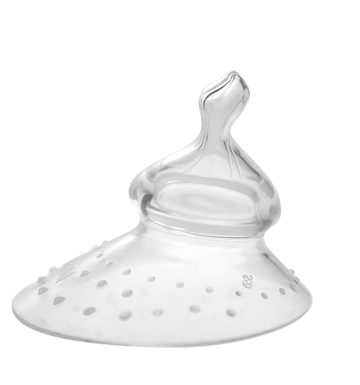
Haakaa Silicone Breastfeeding Nipple Shield 1 PK 28m...
$18.99
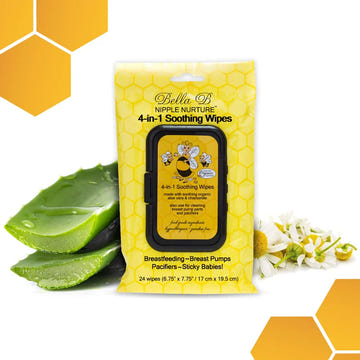
Bella B Nipple Nurture 4-in-1 Soothing Wipes
$5.99

Silver Soothing Nipple Shields
$39.99
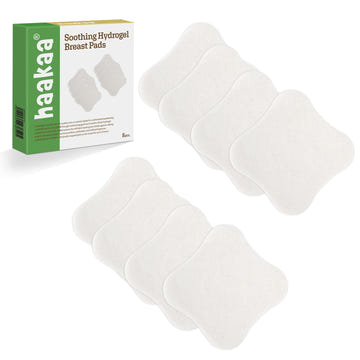
Haakaa Soothing Hydrogel Breast Pads
$9.99
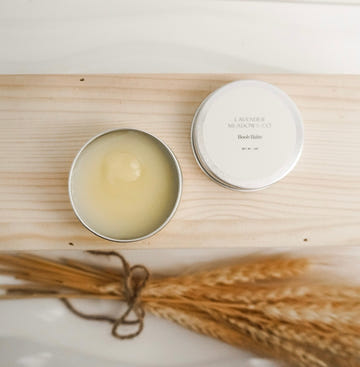
Lavender Meadows Co Boob Balm 1oz breastfeeding nipp...
$12.00

Nēmah Renewing Nipple + Lip Balm calendula multi-use
$24.00
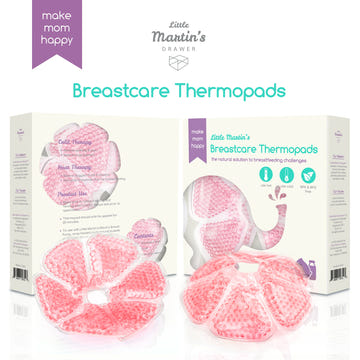
Little Martin's Drawer Breast Care Thermopads Hot Co...
$18.99
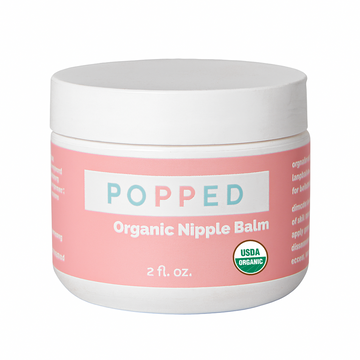
Popped Organic Nipple Balm 2 oz Unscented Lanolin-Free
$12.99