


Pregnancy may last for nine months, but the journey of motherhood truly begins in the postpartum period, often called the fourth trimester. This phase, which spans the first three months after birth, is a time of intense physical recovery, emotional shifts, and adjusting to life with a newborn. Knowing what to expect and preparing in advance can help ease the transition for both mom and baby.
What Happens During the Fourth Trimester?
During these first few months, your body is healing from childbirth, your hormones are adjusting, and your baby is adapting to life outside the womb. You may experience:
- Physical recovery – Whether you had a vaginal birth or C-section, your body needs time to heal. Rest, hydration, and proper nutrition are key.
- Emotional changes – Hormonal shifts can cause mood swings, baby blues, or even postpartum depression. Seeking support is essential.
- Sleep deprivation – Newborns wake frequently for feedings, making sleep a rare luxury for parents. Nap when possible and accept help when offered.
- Breastfeeding adjustments – Some moms experience challenges like latch issues, sore nipples, or engorgement. Support from a lactation consultant can be invaluable.
How to Prepare for the Fourth Trimester
While nothing can fully prepare you for motherhood, taking proactive steps before birth can make this time smoother.
1. Set Up a Comfortable Recovery Space
Create a nursing and recovery station in your home with essentials like:
- A supportive chair for feeding sessions
- Nursing pillows for comfort
- Water bottles to stay hydrated
- Healthy snacks for energy
- A postpartum care kit with pads, cooling sprays, and healing balms
2. Prioritize Rest and Self-Care
The saying “Sleep when the baby sleeps” is easier said than done, but prioritizing rest whenever possible is crucial. Don’t hesitate to accept help from loved ones and delegate tasks.
3. Nourish Your Body
Eating well supports recovery, boosts energy, and helps with milk supply. Stock up on easy, nutritious meals before delivery, and focus on foods rich in iron, protein, and healthy fats.
4. Get the Right Postpartum Products
Healing from childbirth requires gentle care. Essentials like perineal sprays, ice packs, and loose, comfortable clothing can ease discomfort. If breastfeeding, Moogco Silver Nursing Cups can help protect and heal sore nipples naturally.
5. Build a Support System
Surround yourself with people who support your transition into motherhood. This can include your partner, family, friends, a doula, or a lactation consultant. Joining postpartum support groups can also be helpful.
The Role of Moogco Silver Nursing Cups
Breastfeeding during the fourth trimester can be challenging, but Moogco Silver Nursing Cups provide relief by naturally soothing sore, cracked nipples. These reusable, eco-friendly cups harness the healing power of silver, offering a safe and effective way to enhance your breastfeeding experience.
Shop Everything You Need at Moogco Baby
From postpartum essentials to baby must-haves, Moogco Baby has everything you need to make your fourth trimester easier. Visit our store to explore nursing products, baby clothing, pacifiers, and more.
Bring this guide home with 25% off.
Use code MAMA25 for 25% off →
Featured pick from Moogco
Picks From This Story
Picks related to this guide, ready to ship from Moogco.

Swaddelini Grey Swaddle Sleep Sack 3D Knit Seamless ...
$54.95

Swaddelini Lavender Swaddle Sleep Sack 3D knit light...
$54.95

Swaddelini Pink Swaddle Sleep Sack 3D Knit Seamless
$54.95

76.8 Inch Baby Bed Rail with Double Safety Child Lo...
$52.49

Swaddelini Bamboo Blend Beige Swaddle Sleep Sack 3D-...
$69.95

Swaddelini Blue Swaddle Sleep Sack 3D Knit Seamless
$54.95
High-Waisted Postpartum Underwear Pack | Assorted Neutrals
$36.90
Shop this pick → Frequently Asked Questions
How long does physical recovery from childbirth typically take?
Physical recovery from childbirth varies by individual and delivery type, but most women need at least six weeks for initial healing. C-section recovery may take longer due to surgical incision healing. Your body will continue adjusting for several months as your uterus shrinks, hormones stabilize, and any perineal tears or incisions fully heal. Listen to your body and follow your healthcare provider's guidance.

What's the difference between baby blues and postpartum depression?
Baby blues affect up to 80% of new mothers and typically last about two weeks, involving mild mood swings, crying spells, and anxiety. Postpartum depression is more serious, lasting longer and involving persistent sadness, hopelessness, difficulty bonding with baby, or thoughts of harming yourself or your baby. If symptoms persist beyond two weeks or feel severe, contact your healthcare provider immediately.
Healing, comfort, and a little softness
Postpartum care, finally taken seriously
Take 25% off at checkout, applied automatically when you shop through this link.
Shop with MAMA25 →Free US shipping over $100. Code applies automatically at checkout.
When should I start preparing my fourth trimester recovery space?
Ideally, set up your recovery and nursing station during your third trimester, around 36 to 38 weeks. This gives you time to gather supplies, arrange furniture, and ensure everything is within easy reach before labor begins. Having everything ready in advance means less stress and more time to focus on bonding with your baby after birth.
More Related Picks
A few more favorites from the same collection.

Wendy Anne Organic Cotton Futon Pad Rectangle Custom...
$69.00

Dingle Dangle Baby Diaper Changing Distractor Head-W...
$32.99
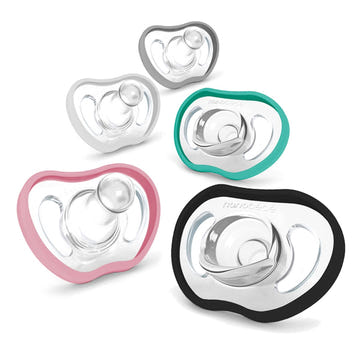
Nanobébé Active Flexy Pacifier 4m+ 4-pack Pink Teal ...
$14.99

Swaddelini Orange Swaddle Sleep Sack 3D Knit Seamless
$54.95

Dreamland Baby Dream Weighted Sleep Sack 1.0 TOG 68-...
$109.00
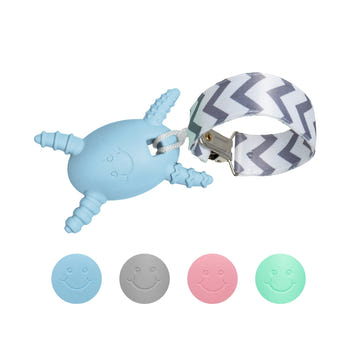
The Teething Egg The Molar Magician baby teether 4 t...
$19.95
How often should I expect to breastfeed during the fourth trimester?
Newborns typically nurse 8 to 12 times in 24 hours, sometimes even more during growth spurts or cluster feeding periods. Feedings may last anywhere from 10 to 45 minutes depending on your baby's needs and efficiency. Frequent nursing is normal and helps establish your milk supply, so follow your baby's hunger cues rather than watching the clock.
What should I include in my postpartum meal prep?
Focus on nutrient-dense, easy-to-eat foods that support healing and milk production. Stock your freezer with soups, casseroles, and one-handed snacks like energy balls, nuts, and fruit. Include foods rich in iron like lean meats and leafy greens, protein sources like eggs and beans, and healthy fats from avocados and salmon. Hydration is equally important, so keep water bottles accessible throughout your home.
Is it normal to feel overwhelmed during the fourth trimester?
Absolutely. The fourth trimester brings major life changes, sleep deprivation, hormonal fluctuations, and the responsibility of caring for a newborn. Feeling overwhelmed, tearful, or anxious is common and doesn't mean you're failing as a mother. Reach out to your support system, join a new mom group, and don't hesitate to ask for professional help if you need it.
How can my partner best support me during the fourth trimester?
Partners can help by taking on household tasks like cooking, cleaning, and laundry, allowing you to focus on recovery and bonding with baby. They can also assist with diaper changes, burping, and soothing the baby between feedings. Emotional support is equally important, including checking in on your mental health, encouraging rest, and validating your feelings during this challenging transition.
When can I start exercising again after giving birth?
Most healthcare providers recommend waiting until after your six-week postpartum checkup before resuming exercise, though gentle walking can usually begin sooner if you feel ready. C-section deliveries may require a longer recovery period before returning to physical activity. Always get clearance from your doctor first, and start slowly with low-impact activities like walking or pelvic floor exercises before gradually increasing intensity.
From Moogco Studio
Printable and personalized nursery essentials. Designed by moms for moms.


About the Editor
Eda Ulger is the editor at Moogco Baby and a mom of two. She curates and edits our guides so every piece is honest, practical, and genuinely helpful for the early days of motherhood.
Shop This Story
Picks related to this guide, ready to ship from Moogco.

Organic Cotton Futon Mattress Topper Pad - Custom Si...
$69.00

Wendy Anne Bedside Bassinet Fitted Sheet Organic Cot...
$36.00

Texas Tushies Tiny Tushies Newborn AIO Cloth Diaper ...
$9.00

Wendy Anne Lounger Nest Organic Cotton Futon Oval Bo...
$129.00
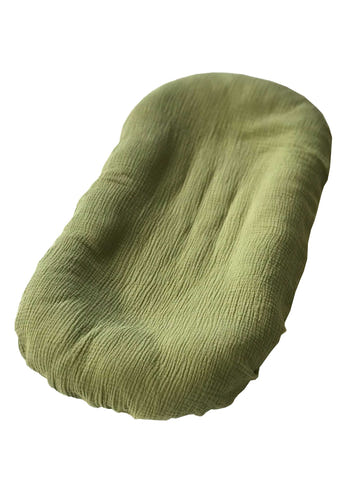
Wendy Anne Infant Lounger Slip Cover Organic Cotton ...
$59.00
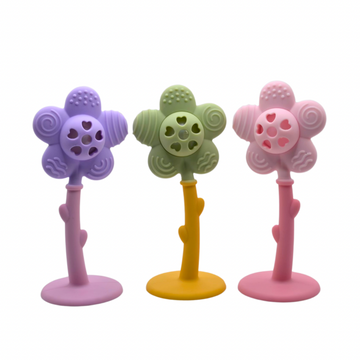
Golden Baby Rattle Teethers food grade silicone for ...
$7.99
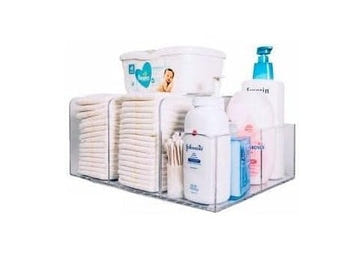
LELLOBABY Deluxe Lucite Acrylic Diaper Caddy 14.25x1...
$119.00
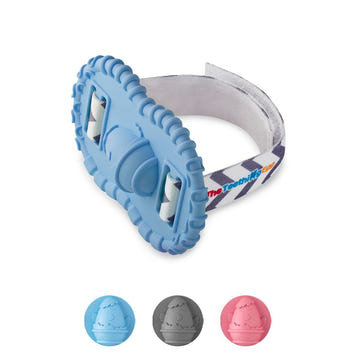
The Teething Egg Wristie Teether for 3-12 Months Adj...
$9.99
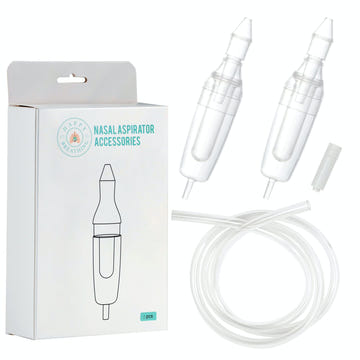
Happy Breathing Suction Replacement Accessories 2 Ti...
$14.99
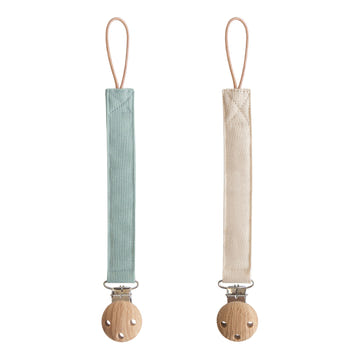
Mushie Linen Pacifier Clip 2-Pack linen clips faux w...
$15.99